
For many residents of California, a tax refund isn’t just a numerical adjustment; it’s a significant financial event. Whether it’s destined for a dream vacation, a down payment on a new home, investing in personal growth, or simply bolstering a savings account, the timely arrival of a refund can greatly influence personal financial planning. Understanding the intricacies of the California tax refund timeline is essential for effective budgeting and managing expectations. This comprehensive guide will demystify the process, offering clear insights into what taxpayers can anticipate regarding their refund’s arrival.
Understanding the California Tax Refund Process
The journey of your tax refund begins the moment you submit your state tax return to the California Franchise Tax Board (FTB). Unlike federal taxes handled by the IRS, state taxes for California are processed by the FTB. While the process is generally streamlined, several factors can influence how quickly your refund makes its way back to you. Knowing these elements upfront can help you plan more effectively.
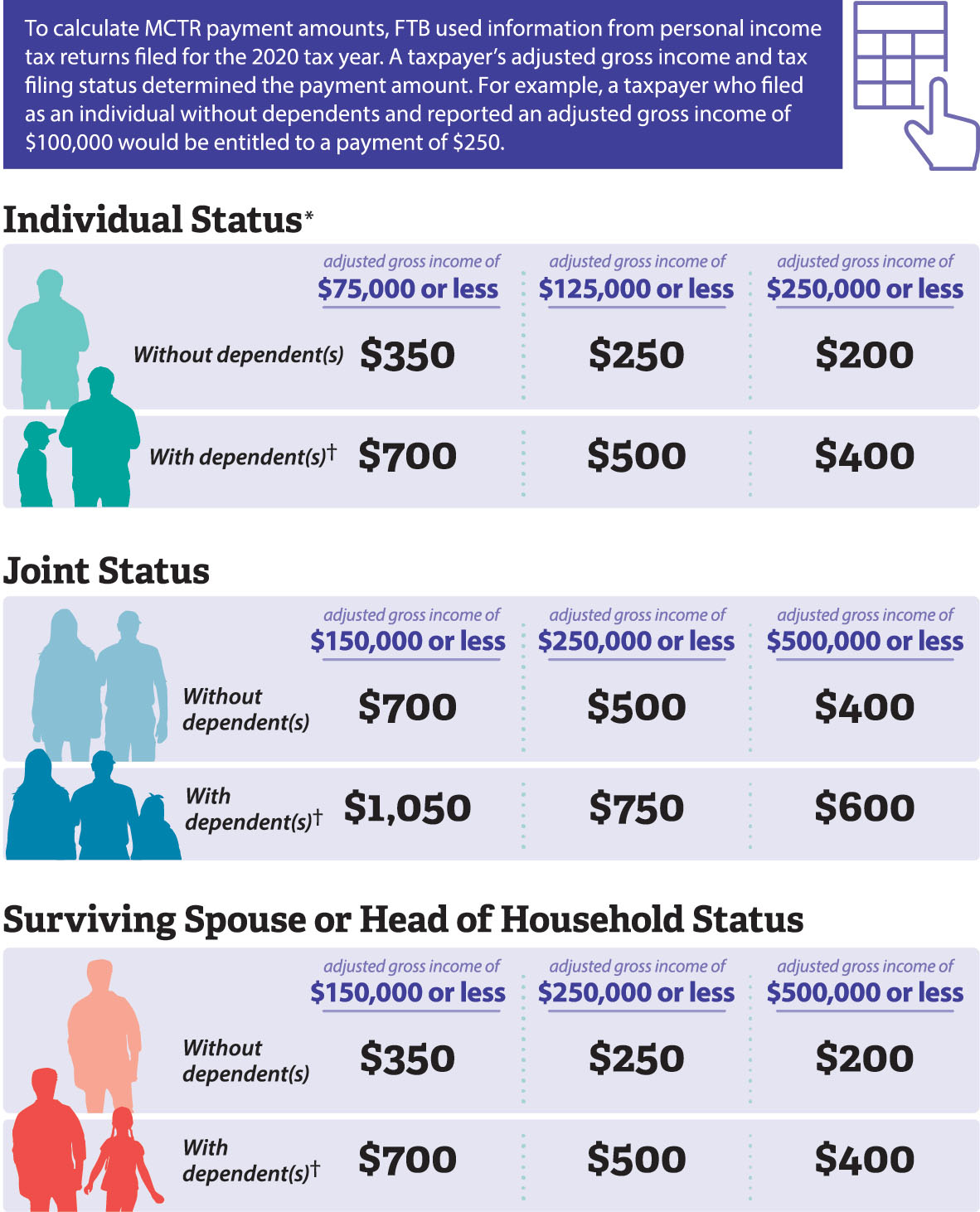
Franchise Tax Board (FTB) Overview
The Franchise Tax Board (FTB) is the state agency responsible for administering California’s personal income tax and corporation tax. Each year, they process millions of returns, ranging from simple individual filings to complex corporate declarations. Their operations are critical to the state’s financial health, and they continuously work to enhance efficiency while maintaining accuracy and preventing fraud. The FTB’s commitment to leveraging technology, such as secure online portals and electronic filing options, has significantly improved the overall taxpayer experience, making it easier for individuals to file and track their refunds. Their systems are designed to handle a massive volume of data, but like any large-scale operation, peak seasons and unusual circumstances can affect processing times.
Key Factors Influencing Refund Times
Several critical factors determine how quickly you receive your California tax refund. The primary variables include the method of filing, the method of refund delivery, the accuracy and completeness of your return, and whether your return is flagged for additional review. For instance, e-filed returns with direct deposit are consistently the fastest, benefiting from automated processing and reduced manual intervention. Conversely, paper returns, which require physical handling and data entry, naturally take longer. Any discrepancies, missing information, or red flags (such as unusually large deductions or credits compared to income) can trigger a manual review, extending the waiting period. Understanding these dynamics is the first step in setting realistic expectations for your refund’s arrival.
Typical Refund Timelines
While the FTB strives for efficiency, there are generally accepted timeframes for receiving your refund based on how you file and how you choose to receive your money. These timelines are estimates and can vary, especially during peak tax season.
E-filed Returns with Direct Deposit
This combination represents the gold standard for speed and convenience. When you file your California state tax return electronically and opt for direct deposit, the process is largely automated. The FTB typically issues refunds for e-filed returns with direct deposit within 7 to 14 business days. This swift turnaround is due to the digital nature of the submission, which minimizes errors and speeds up verification, and the electronic transfer of funds directly into your bank account, bypassing the delays associated with physical checks. For individuals eager to utilize their refund for immediate lifestyle goals—be it travel planning, a significant purchase, or debt reduction—this method is overwhelmingly recommended.
Paper-filed Returns
Choosing to file your tax return by mail significantly extends the waiting period. Paper returns require manual processing, including opening envelopes, scanning documents, and data entry, all of which are time-consuming. For paper-filed returns, the FTB generally advises taxpayers to expect their refund in up to four weeks or more, after they have acknowledged receipt of the return. This timeline can fluctuate, particularly during the busiest periods of tax season (February through April), when the volume of incoming mail is at its peak. If you’ve elected to receive a paper check for a paper-filed return, you must also factor in postal delivery times, which can add several more days to the overall waiting period.
Impact of Additional Review
Despite your best efforts, sometimes a return may be selected for additional review, which can significantly delay your refund. This is not necessarily an indication of an error on your part but rather a routine check by the FTB to ensure accuracy and prevent fraud. Reasons for review can include:
- Discrepancies: Mismatched information between your return and data received from employers or financial institutions (e.g., W-2s, 1099s).
- Unusual Claims: Large or uncommon deductions or credits that deviate significantly from your past returns or typical taxpayer behavior.
- Identity Verification (IDV): If the FTB suspects identity theft, they may require you to verify your identity before processing your refund.
- Amended Returns: Filing an amended return (Form 540X) to correct previous errors will always reset the processing clock and can take several months to complete.
When a return is flagged for review, the FTB may send a letter requesting additional information or clarification. Responding promptly and accurately to these requests is crucial to avoid further delays. While frustrating, these reviews are a necessary part of maintaining the integrity of the tax system and protecting taxpayers from fraud.
How to Track Your California Tax Refund
Waiting for a refund can be anxious, but the FTB provides tools to help you monitor its status. Staying informed can alleviate uncertainty and help you plan your finances more effectively as you await your funds to fuel your lifestyle choices.
Using the FTB’s “Where’s My Refund?” Tool
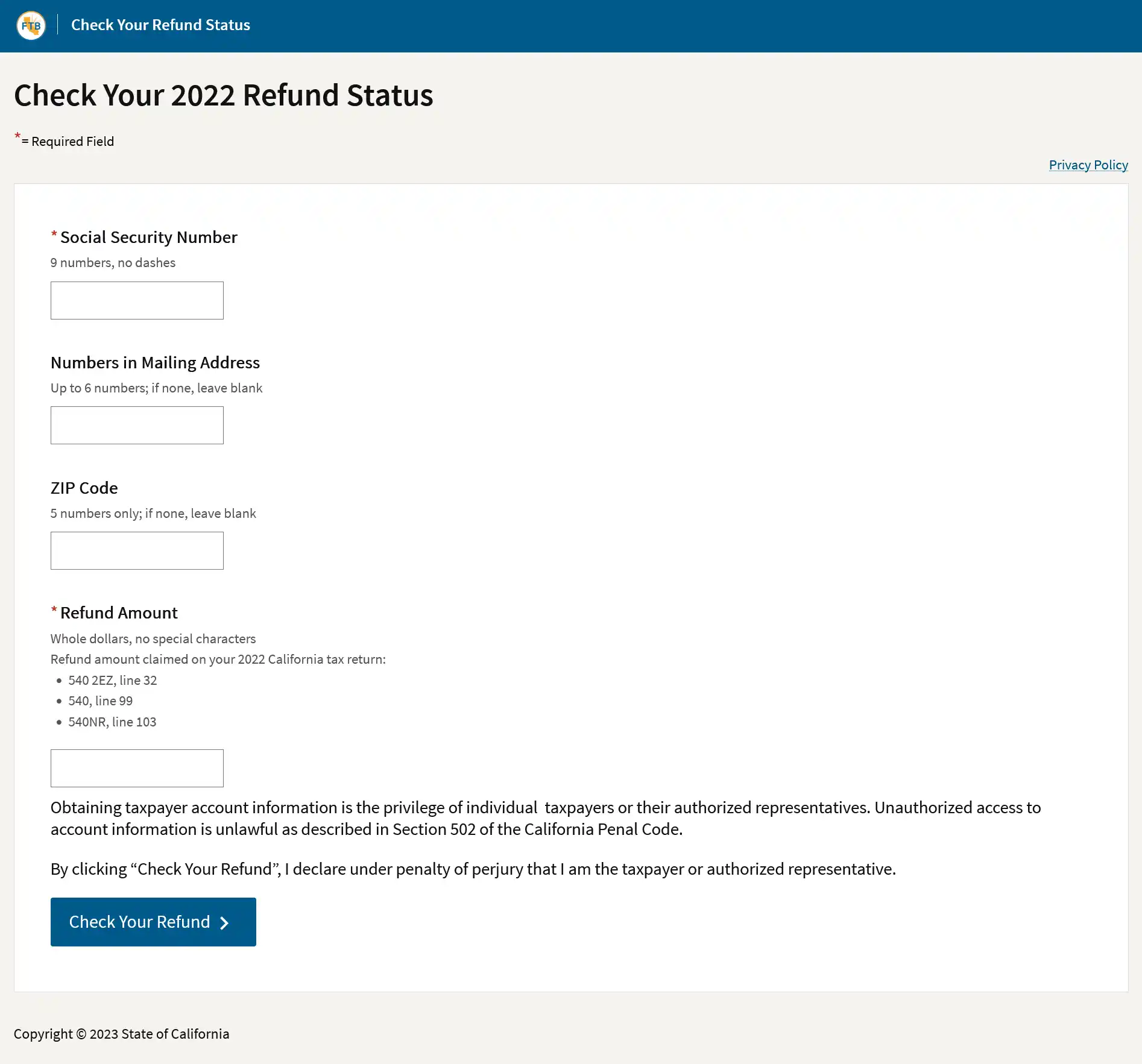
The most efficient and recommended way to track your California state tax refund is through the FTB’s “Where’s My Refund?” online tool. This user-friendly portal allows you to check the status of your refund 24/7. To use this tool, you will typically need:
- Your Social Security Number (SSN) or Individual Taxpayer Identification Number (ITIN).
- Your date of birth.
- The exact refund amount requested on your return.
Once you enter this information, the system will provide you with the most up-to-date status of your refund, indicating whether it’s been received, is being processed, or has been issued. It is generally advisable to wait at least 7-14 business days after e-filing (or four weeks after mailing a paper return) before using this tool, as it takes time for your return to be processed and its status to be updated in the system. The “Where’s My Refund?” tool is a powerful resource for financial planning, allowing you to anticipate when your funds will become available for your lifestyle goals.
Contacting the FTB Directly
While the online tool is highly effective, there might be situations where you need to speak directly with an FTB representative. This is typically recommended if:
- The “Where’s My Refund?” tool shows no information or an unexpected status after the typical processing times have passed.
- You receive a letter from the FTB requesting more information, and you have questions about it.
- You suspect identity theft or fraud related to your tax return.
The FTB provides contact information on their official website, including phone numbers and hours of operation. When calling, have your tax return, SSN/ITIN, and any relevant correspondence from the FTB ready. While direct contact can provide personalized assistance, be prepared for potential wait times, especially during peak tax season.
Common Reasons for Delays
Refund delays can be frustrating, but understanding their common causes can help you prevent them in the future or address them more quickly if they occur.
Errors or Incomplete Information
One of the most frequent causes of refund delays stems from errors or incomplete information on the tax return. Even a minor mistake, such as an incorrect Social Security Number, a transposed digit in an account number for direct deposit, or an overlooked signature, can halt the processing of your return. The FTB must verify all details, and any discrepancy requires manual intervention and, often, correspondence with the taxpayer to correct the issue. This not only delays your refund but can also consume valuable time and resources in rectifying the situation. Double-checking all personal data, financial figures, and required signatures before submission is a simple yet crucial step to ensure a smooth process.
Identity Verification (IDV) Requirements
In an effort to combat tax-related identity theft, the FTB sometimes flags returns for identity verification (IDV). If your return is selected for IDV, you will receive a letter from the FTB with instructions on how to verify your identity. This might involve an online process, providing documentation, or even a phone call. It’s a protective measure, but it will delay your refund until your identity is successfully confirmed. Promptly responding to these requests is vital to expedite the process and get your refund back on track.
Amended Returns and Audits
Filing an amended return (Form 540X) indicates a change or correction to a previously submitted tax return. These returns require special handling and a more extensive review process by the FTB. As a result, refunds from amended returns typically take significantly longer to process, often several months. Similarly, if your return is selected for an audit, the refund process will be paused until the audit is completed. Audits are thorough examinations of your financial information to ensure compliance with tax laws, and they can be lengthy. While most returns are not audited, it’s a possibility that can drastically extend your waiting period.
Optimizing Your Refund Experience
While some aspects of tax processing are beyond your control, there are proactive steps you can take to minimize delays and ensure you receive your California tax refund as quickly as possible, allowing you to focus on your personal lifestyle objectives.
Filing Electronically and Opting for Direct Deposit
As highlighted earlier, e-filing your return and choosing direct deposit is by far the fastest and most reliable method for receiving your California tax refund. Electronic filing drastically reduces the chance of human error during data entry and allows for quicker validation against FTB records. Direct deposit eliminates postal delays and the risk of lost or stolen checks, ensuring your funds arrive securely and promptly in your designated bank account. This seamless digital process is a cornerstone of modern financial management and aligns perfectly with an efficient lifestyle.
Ensuring Accuracy and Completeness
Before hitting submit or mailing your return, take the time to meticulously review all information. Cross-reference your W-2s, 1099s, and any other income or deduction statements with the figures entered on your return. Double-check your Social Security Number, bank account and routing numbers (if opting for direct deposit), and mailing address. Ensure all required forms are attached and all necessary boxes are checked and signed. A thorough review can catch simple errors that might otherwise lead to weeks of delays. Accuracy is paramount for a smooth tax refund process, contributing to your overall financial peace of mind.
Staying Informed
Knowledge is power, especially when it comes to personal finance. Stay informed about the current tax season’s specific guidelines, potential changes in tax law, and any advisories from the FTB regarding processing times. Utilizing the “Where’s My Refund?” tool regularly (after the initial processing period) can keep you updated on your refund’s status. If you do receive correspondence from the FTB, address it immediately. Being proactive and informed will not only help you navigate the tax refund process more smoothly but also empower you to make more timely and effective financial decisions for your desired lifestyle.
LifeOutOfTheBox is a participant in the Amazon Services LLC Associates Program, an affiliate advertising program designed to provide a means for sites to earn advertising fees by advertising and linking to Amazon.com. Amazon, the Amazon logo, AmazonSupply, and the AmazonSupply logo are trademarks of Amazon.com, Inc. or its affiliates. As an Amazon Associate we earn affiliate commissions from qualifying purchases.