
Embarking on a road trip across the vast and diverse landscapes of Texas is a quintessential American travel experience. From the vibrant nightlife of Austin to the historical charm of San Antonio, and the sprawling ranches that stretch towards the Big Bend National Park, a reliable vehicle is your key to unlocking all that the Lone Star State has to offer. However, before you map out your itinerary or book that charming bed and breakfast in the Texas Hill Country, ensuring your vehicle registration is up-to-date is paramount. This guide will navigate you through the straightforward process of renewing your Texas vehicle registration, ensuring your adventures are uninterrupted by bureaucratic hurdles.
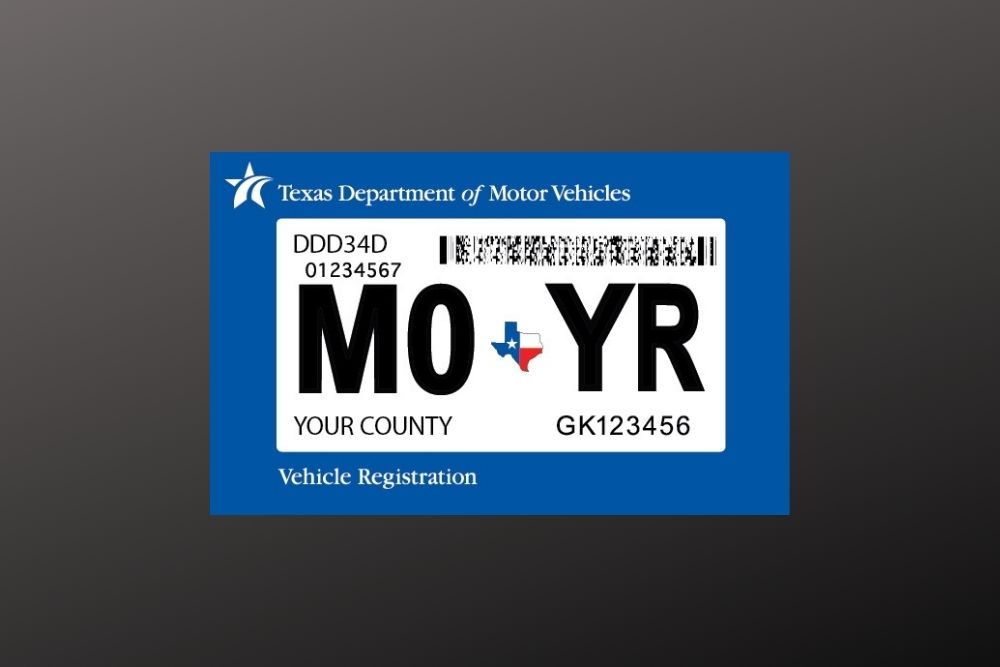
Understanding the Texas Vehicle Registration Renewal Process
The Texas Department of Motor Vehicles (TxDMV) oversees the vehicle registration process, designed to be efficient and accessible for all Texans. Renewal is typically required annually, and the TxDMV makes it convenient to complete this task through several different channels. Whether you prefer the ease of online services, the personal touch of an in-person visit, or the simplicity of mail, there’s a method tailored to your needs.
Key Information for Renewal
Before you begin the renewal process, it’s essential to gather the necessary information. This will streamline the transaction and prevent any potential delays.
What You’ll Need:
- Your Vehicle’s License Plate Number: This is the primary identifier for your vehicle within the Texas registration system.
- Your Vehicle Identification Number (VIN): The VIN is a unique 17-character code that confirms your vehicle’s identity. You can usually find it on your current registration certificate, your insurance card, or on the driver’s side dashboard near the windshield.
- A Valid Proof of Insurance: Texas law requires all registered vehicles to have liability insurance. You’ll need to present proof of current insurance coverage. Ensure your policy meets the minimum state requirements, which are often referred to as the “30/60/25” coverage: $30,000 for bodily injury per person, $60,000 for bodily injury per accident, and $25,000 for property damage per accident.
- Your Renewal Notice: The TxDMV typically sends out renewal notices by mail a few weeks before your registration expires. This notice contains important information, including your renewal code, which can be helpful for online or phone renewals. If you haven’t received a notice, you can still renew as long as you have your license plate number and VIN.
- Payment: Be prepared to pay the renewal fee. The amount can vary slightly depending on your vehicle type and county of residence. Accepted payment methods typically include credit/debit cards, checks, or money orders.
When to Renew Your Texas Vehicle Registration
The expiration date of your Texas vehicle registration is tied to your birthday. Your registration is valid for 12 months from the month you registered your vehicle. You will receive a renewal notice approximately 30-60 days before your registration expires, reminding you to complete the process.
It’s strongly recommended to renew your registration before it expires. While Texas provides a grace period, exceeding it can lead to penalties, including late fees and potential citations. A lapsed registration can also impact your ability to obtain or renew your Texas driver’s license and may even affect your car insurance. If you plan to take a scenic drive through the Texas Hill Country or visit the historic Alamo in San Antonio, ensure your registration is current.
Methods for Renewing Your Texas Vehicle Registration
The TxDMV offers a variety of convenient methods to renew your vehicle registration, catering to different preferences and accessibility needs.
Online Renewal: The Quickest and Easiest Option
For most Texans, the most convenient way to renew their vehicle registration is online. The TxDMV’s official website provides a secure and user-friendly portal for this purpose.
Steps for Online Renewal:
- Visit the Official TxDMV Website: Navigate to the TxDMV‘s official vehicle registration renewal portal. You can usually find this by searching for “Texas Vehicle Registration Renewal” or “TxDMV renewal.”
- Enter Your Information: You will be prompted to enter your license plate number and a renewal code (if you have it from your renewal notice). Some systems may also require your VIN.
- Provide Proof of Insurance: You will need to confirm that your vehicle is insured and may need to enter your insurance policy number or your insurance company’s code. The system often verifies this information electronically.
- Pay the Renewal Fee: Securely enter your payment information (credit or debit card).
- Print Your Receipt and New Sticker: Once your payment is processed, you will receive a confirmation and the option to print your temporary registration receipt. Your new registration sticker will be mailed to your address on file within a few weeks. It’s a good idea to keep a copy of your online confirmation with you until the new sticker arrives.
Online renewal is ideal for those who are comfortable with technology and want to complete the process quickly from the comfort of their home, perhaps while planning their next adventure to the Gulf Coast or a relaxing stay at a resort in Galveston.
Renewal by Mail: A Traditional Approach
If you prefer a more traditional method or are unable to renew online, you can renew your Texas vehicle registration by mail. This method requires a bit more lead time, so it’s important to mail your renewal well in advance of the expiration date.
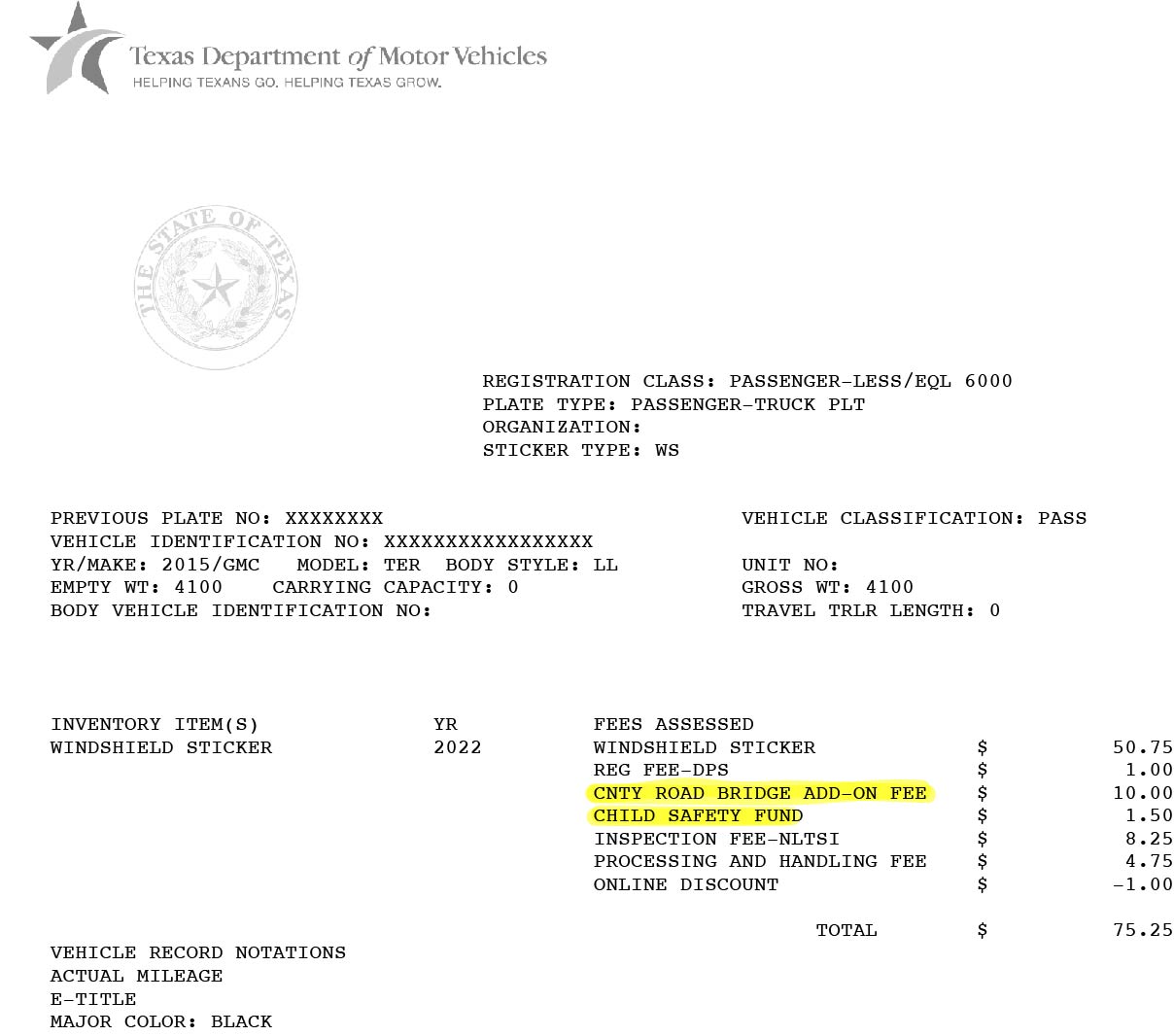
Steps for Mail Renewal:
- Receive Your Renewal Notice: The TxDMV will mail you a renewal notice. If you don’t receive one, you can download a renewal form from the TxDMV website or contact your local county tax assessor-collector’s office.
- Complete the Renewal Form: Fill out the renewal form accurately, ensuring all required information is provided.
- Include Payment: Enclose a check or money order made payable to the TxDMV for the correct renewal fee. Do not send cash.
- Attach Proof of Insurance: Include a copy of your current proof of insurance.
- Mail to the Designated Address: Mail the completed form, payment, and proof of insurance to the address indicated on your renewal notice or the TxDMV website.
The new registration sticker will be mailed back to you once your renewal is processed. This method is suitable for individuals who prefer not to use online services or who are dealing with specific circumstances that make other methods difficult.
In-Person Renewal: For Personal Assistance
Renewing your Texas vehicle registration in person offers the advantage of immediate assistance and ensures all your questions are answered on the spot. This is often done at your local county tax assessor-collector’s office.
Steps for In-Person Renewal:
- Locate Your Local County Tax Assessor-Collector’s Office: You can find a list of these offices on the TxDMV website or by searching online for “[Your County] Tax Assessor-Collector.”
- Gather Your Documents: Bring your renewal notice, current registration, proof of insurance, and your driver’s license.
- Visit the Office: Head to the tax assessor-collector’s office during their business hours.
- Complete the Transaction: A clerk will assist you with the renewal process, verify your information, collect your payment, and issue your new registration sticker and receipt.
This option is excellent for those who appreciate direct interaction, have complex situations to discuss, or simply prefer to handle transactions face-to-face, perhaps after visiting a local market or a historical landmark in their community.
Beyond Renewal: Important Considerations for Texas Drivers
Renewing your registration is a crucial step in responsible vehicle ownership. However, several other factors are important for Texans to consider to ensure compliance and smooth travels.
Vehicle Inspections: A Necessary Step
In Texas, most vehicles require an annual State Vehicle Inspection in addition to registration renewal. This inspection ensures your vehicle meets safety and emissions standards. Your vehicle must pass the inspection before you can renew your registration in most cases. The inspection report is electronically transmitted to the TxDMV, so you won’t need a physical copy for renewal.
- When to Inspect: You can have your vehicle inspected up to 90 days before your registration expires. It’s often convenient to combine your inspection with your renewal.
- Where to Get Inspected: Vehicle inspections can be performed at any authorized Texas inspection station. These are typically found at auto repair shops and service stations.
Passing your vehicle inspection is a vital part of the process, ensuring your vehicle is safe for your travels, whether you’re heading to the Texas Motor Speedway for a race or embarking on a family trip to Six Flags Fiesta Texas in San Antonio.
Updating Your Information
If you have moved or changed your name, it is crucial to update your information with the TxDMV. This ensures you receive your renewal notices and any other important correspondence. You can typically update your address and name information online through the TxDMV website or by visiting your local county tax assessor-collector’s office.
Penalties for Non-Compliance
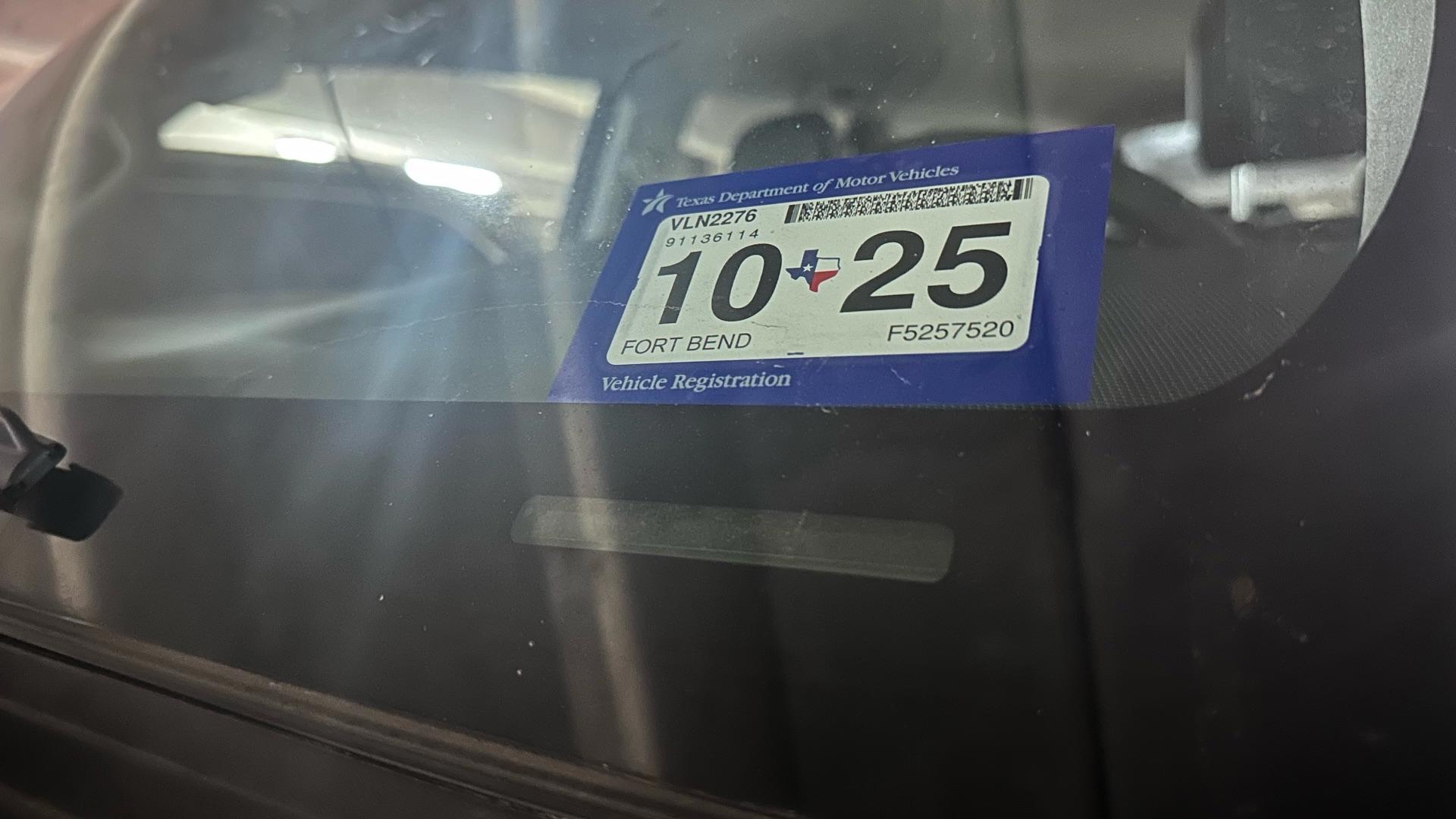
Failure to renew your vehicle registration on time can result in penalties. These can include:
- Late Fees: Additional charges are added to the renewal fee for expired registrations.
- Citations: Law enforcement officers can issue citations for driving with expired registration, which may result in fines.
- Registration Hold: In some cases, a history of expired registration can lead to a hold on your ability to renew in the future.
It’s always best to stay ahead of your renewal date to avoid these issues and enjoy your driving experiences throughout Texas without worry. Whether you’re planning a visit to the Texas State Fair or a quiet retreat to a vineyard in the Texas Wine Country, a valid registration is your ticket to hassle-free exploration.
LifeOutOfTheBox is a participant in the Amazon Services LLC Associates Program, an affiliate advertising program designed to provide a means for sites to earn advertising fees by advertising and linking to Amazon.com. Amazon, the Amazon logo, AmazonSupply, and the AmazonSupply logo are trademarks of Amazon.com, Inc. or its affiliates. As an Amazon Associate we earn affiliate commissions from qualifying purchases.