
The allure of Las Vegas, Nevada, with its dazzling lights, world-class entertainment, and unparalleled energy, often sparks a desire for a quick getaway from its Rocky Mountain neighbor, Denver, Colorado. While geographically distinct, these two vibrant cities are connected by more than just a shared sense of adventure; they represent a compelling travel corridor for those seeking diverse experiences. Understanding the distance, travel times, and various modes of transportation between Denver and Las Vegas is crucial for planning an efficient and enjoyable journey. This exploration delves into the practicalities of traversing this route, offering insights for travelers aiming to maximize their time and enjoyment.

Distance and Driving Routes
The most common and direct way to travel between Denver and Las Vegas is by car. The distance is substantial, requiring a commitment to a road trip that spans a significant portion of the American West. The primary route typically involves a combination of interstates that weave through varied landscapes, offering a dynamic visual experience for those behind the wheel.
The Most Direct Path
The most straightforward driving route from Denver to Las Vegas is approximately 745 miles. This journey predominantly utilizes Interstate 70 West out of Denver into Utah, before transitioning to Interstate 15 South, which leads directly into Las Vegas.
Key Segments of the Drive:
- Denver, CO to Grand Junction, CO: This initial leg takes you through the majestic Rocky Mountains. While offering breathtaking scenery, especially during fall or winter, it can also present challenging driving conditions depending on the season and weather. This portion is roughly 245 miles.
- Grand Junction, CO to Mesquite, NV: Continuing west on Interstate 70, you’ll enter the arid landscapes of eastern Utah. The scenery shifts dramatically to red rock formations and expansive desert vistas. You will then transition onto Interstate 15 South. This segment is approximately 400 miles.
- Mesquite, NV to Las Vegas, NV: The final stretch on Interstate 15 South brings you into the heart of Southern Nevada, with the iconic skyline of Las Vegas growing ever closer. This part of the journey is about 100 miles.
Estimated Driving Time
The estimated driving time for this 745-mile journey is typically between 10.5 to 12 hours of continuous driving. However, this figure does not account for necessary stops such as fuel, meals, and rest breaks. It is highly recommended that drivers plan for at least 12 to 14 hours of travel time, especially if traversing the mountain passes of Colorado or during periods of higher traffic.
Considerations for Road Trippers
Embarking on a road trip of this magnitude requires careful planning. Travelers should consider:
- Vehicle Maintenance: Ensure your vehicle is in excellent condition, with particular attention to tires, brakes, and fluids, especially given the potential for varied terrain and elevations.
- Weather Conditions: Monitor weather forecasts for both Colorado and Utah, as conditions can change rapidly, particularly in the mountain regions. Snow, ice, and high winds can impact travel times and safety.
- Fuel Stops: Plan your fuel stops strategically. While Interstate 70 and Interstate 15 are well-serviced, it’s wise to keep your fuel tank at least half-full, especially when driving through more remote stretches.
- Overnight Stays: For many, breaking up the drive into two days is more practical and enjoyable. Popular overnight stopover points include Grand Junction, Colorado, or cities in southern Utah like St. George or Mesquite, Nevada. These locations offer a range of accommodations and dining options.
Air Travel Options
For those seeking a more time-efficient passage between Denver and Las Vegas, air travel presents the most practical solution. The flight duration is significantly shorter than driving, making it an ideal choice for weekend getaways or those with limited time.
Direct Flights
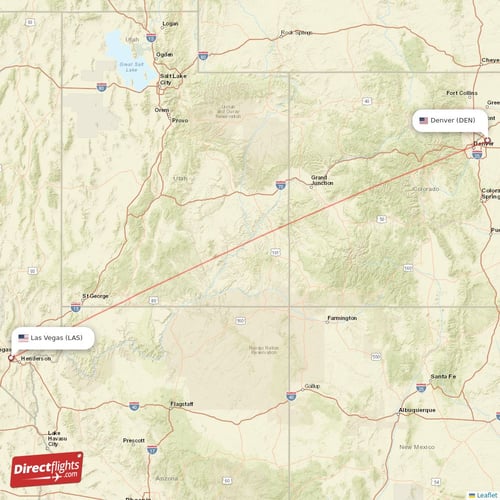
Numerous airlines operate direct flights between Denver International Airport (DEN) and McCarran International Airport (LAS), now known as Harry Reid International Airport. These flights are frequent, offering considerable flexibility for travelers.
Major Airlines Servicing the Route:
- Southwest Airlines: Known for its robust network and frequent flights, Southwest is a popular choice for this route.
- United Airlines: As a major carrier with a hub at DEN, United offers multiple daily non-stop flights.
- Frontier Airlines: This budget-friendly carrier also provides direct service, often at competitive price points.
- Allegiant Air: While less frequent, Allegiant may offer seasonal or limited direct routes, appealing to those seeking value.
Flight Duration and Airport Logistics
The actual flight time between Denver and Las Vegas is remarkably short, typically ranging from 2 to 2.5 hours. This swift transit makes it feasible to depart Denver in the morning and arrive in Las Vegas in time for lunch or early afternoon activities.

However, it is essential to factor in the total travel time, which includes:
- Travel to the Airport: Allow ample time to reach Denver International Airport (DEN), considering traffic and parking.
- Check-in and Security: Plan to arrive at the airport at least two hours before a domestic flight to navigate check-in, baggage drop, and security procedures.
- Boarding: Be at the gate well in advance of boarding time.
- Deplaning and Baggage Claim: Upon arrival at Harry Reid International Airport (LAS), allow time for disembarking and, if applicable, retrieving checked luggage.
- Ground Transportation: From LAS, you’ll need to arrange transportation to your hotel or final destination, which can involve taxis, rideshares, shuttle services, or rental cars.
Booking and Travel Tips
When booking flights, compare prices across different airlines and booking platforms. Consider the time of day and day of the week, as fares can fluctuate significantly. For budget-conscious travelers, booking in advance, being flexible with travel dates, and considering budget carriers like Frontier or Allegiant can lead to savings. It’s also worth checking for package deals that might include flights and hotel accommodations.
Alternative Transportation: Bus and Train
While driving and flying are the predominant methods for traveling between Denver and Las Vegas, alternative transportation options do exist, albeit with significantly longer travel times and fewer direct routes. These options might appeal to a niche segment of travelers prioritizing a more leisurely journey or seeking a more economical choice.
Bus Services
Several intercity bus companies offer routes that connect Denver to Las Vegas, though these are not typically direct and often involve transfers. Companies like Greyhound and FlixBus are known for servicing long-distance routes across the United States.
The Bus Journey Experience:
- Duration: The bus journey is considerably longer than driving or flying, often taking 18 to 24 hours or more, depending on the route, number of stops, and transfer times.
- Comfort and Amenities: Modern intercity buses offer amenities such as Wi-Fi, power outlets, and reclining seats, but the prolonged duration can still be challenging for some passengers.
- Cost: Bus travel is generally one of the most affordable ways to journey between these two cities, making it an attractive option for budget travelers.
- Scenery: While not as immersive as driving, bus routes often traverse interesting parts of the American landscape, offering a different perspective.
Rail Travel
Currently, there is no direct passenger train service connecting Denver and Las Vegas. Travel by rail would necessitate a multi-leg journey with extensive transfers, making it an impractical and extremely time-consuming option. Amtrak, the national passenger rail service, does not offer a convenient route for this specific corridor. This makes train travel an unlikely choice for most individuals looking to reach Las Vegas from Denver.
Planning Your Journey: Key Considerations
Regardless of the chosen mode of transportation, comprehensive planning is key to a successful trip from Denver to Las Vegas. The distance and diverse environments traversed offer unique planning considerations.
Timing Your Trip
- Seasonality: Traveling during spring (March, April, May) or fall (September, October, November) often provides the most pleasant weather for driving, with moderate temperatures and clearer roads in Colorado. Summer (June, July, August) can be very hot in Nevada and prone to monsoon storms in Arizona and Utah. Winter (December, January, February) can bring snow and ice to the Colorado mountain passes, potentially causing significant delays or road closures.
- Day of the Week: Weekends and holidays generally see higher traffic volumes and potentially higher prices for flights and accommodations. Mid-week travel can sometimes offer better deals and a more relaxed experience.
Budgeting for the Trip
- Driving: Factor in the cost of fuel, potential overnight accommodations, meals on the road, and vehicle wear and tear. Tolls are generally minimal on this route.
- Flying: Airfare prices vary widely based on booking time, airline, and season. Additionally, budget for airport parking or transportation to the airport, baggage fees, and ground transportation in Las Vegas.
- Bus: While typically the cheapest, the cost of food and potential overnight stays if the journey is split over multiple days should be considered.
Packing Essentials
Given the potential for temperature variations between Denver (higher altitude, cooler) and Las Vegas (desert climate, hotter), packing layers is advisable. For drivers, ensure you have a reliable GPS or map application, emergency supplies, and plenty of water. For flyers, consider bringing entertainment for the flight and any essential travel documents.
Navigating the roughly 745 miles between Denver and Las Vegas is a journey that can be undertaken with a variety of preferences and budgets. Whether you choose the scenic, albeit longer, road trip adventure, or the swift convenience of air travel, understanding the distances and logistics involved will pave the way for a memorable and seamless transition from the Rockies to the shimmering lights of the desert.
LifeOutOfTheBox is a participant in the Amazon Services LLC Associates Program, an affiliate advertising program designed to provide a means for sites to earn advertising fees by advertising and linking to Amazon.com. Amazon, the Amazon logo, AmazonSupply, and the AmazonSupply logo are trademarks of Amazon.com, Inc. or its affiliates. As an Amazon Associate we earn affiliate commissions from qualifying purchases.