
For travelers contemplating a visit to the sun-drenched shores of Panama City, Florida, understanding the local weather patterns is paramount to planning an ideal getaway. Situated along the Emerald Coast of the Florida Panhandle, Panama City, Florida enjoys a humid subtropical climate, characterized by long, hot summers and mild, short winters. This distinct weather profile dictates the best times for various activities, from sunbathing on white-sand beaches to exploring state parks or enjoying the vibrant local scene.
Understanding Panama City, Florida’s Climate: A Subtropical Overview
The climate of Panama City, Florida is profoundly influenced by its proximity to the Gulf of Mexico. This geographical positioning contributes to warm, moist air year-round, resulting in high humidity levels, particularly during the summer months. The city rarely experiences extreme cold, making it a popular destination for those seeking an escape from harsher northern winters.

Seasons Defined by Temperature and Humidity
Unlike regions with four distinct seasons, Panama City, Florida’s year is more accurately divided into two primary periods: a warm, humid season and a cooler, drier season, with transitional periods in between. Temperatures generally range from comfortable highs in the 60s and 70s Fahrenheit during winter to sweltering highs in the 90s Fahrenheit during summer. Humidity often hovers between 70-90%, making warm days feel even hotter.
Annual Weather Patterns and Precipitation
Rainfall is a significant aspect of Panama City, Florida’s climate. The area receives a substantial amount of precipitation annually, with the bulk of it occurring during the summer and early autumn. These months are characterized by frequent afternoon thunderstorms, which, while intense, are typically short-lived and often give way to clear skies. Winter months tend to be drier, though frontal systems can bring rain. Tropical systems and hurricanes are also a consideration during the latter half of summer and early fall, a crucial factor for travel planning.
Springtime Serenity: March to May
Spring is arguably one of the most desirable times to visit Panama City, Florida. The weather during March, April, and May is generally idyllic, offering a perfect blend of warmth and sunshine without the intense heat and humidity of summer.
Ideal Conditions for Beachgoers and Outdoor Enthusiasts
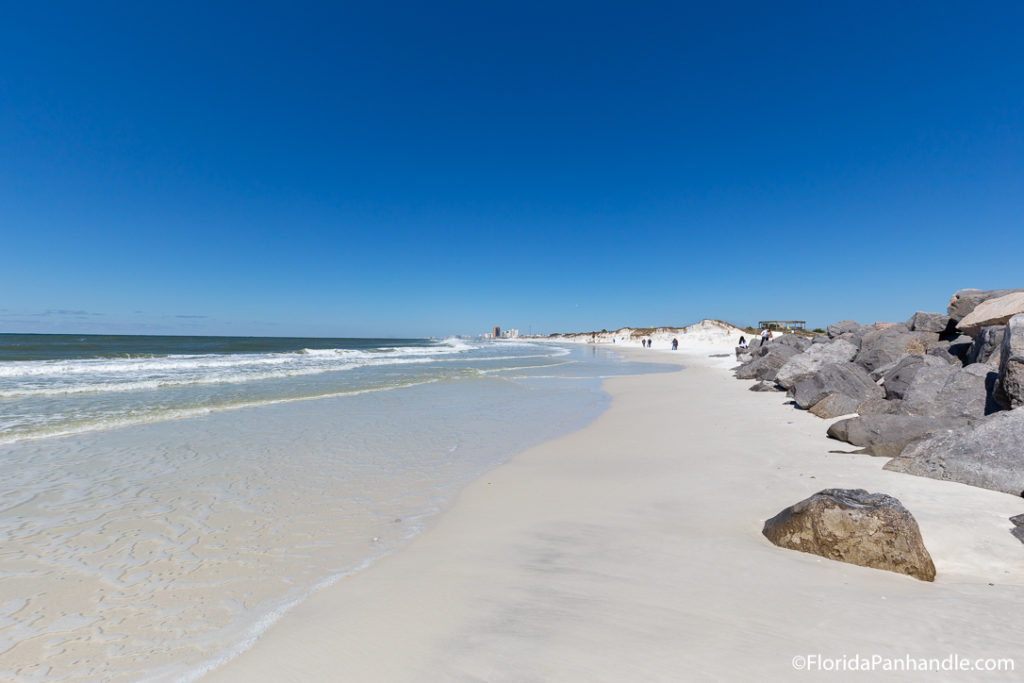
During spring, daily high temperatures comfortably range from the low 70s to the low 80s Fahrenheit, while evenings are pleasantly cool, often dipping into the 50s and 60s. The humidity is noticeably lower than in summer, making outdoor activities much more enjoyable. This period is perfect for long walks on the pristine beaches, swimming in the increasingly warm Gulf waters (which begin to warm up from their winter chill), and engaging in watersports like paddleboarding, kayaking, and fishing. The temperate conditions are also excellent for exploring the natural beauty of St. Andrews State Park or enjoying a round of golf at one of the area’s championship courses. Crowds are typically moderate, increasing significantly during Spring Break but generally more manageable than peak summer.
What to Pack and Expect
For a spring trip, light layers are key. Expect to wear shorts, t-shirts, and swimwear during the day. Evenings might require a light jacket or a sweater, especially in early spring. Sunscreen, hats, and sunglasses are essential, as the Florida sun can be quite intense even in milder temperatures. Rain showers are less frequent but can occur, so a light rain jacket or umbrella is a wise inclusion.
Summer Sunshine and Storms: June to August
Summer in Panama City, Florida is synonymous with abundant sunshine, high temperatures, and vibrant activity. However, it also brings the highest humidity and the onset of the hurricane season.
Navigating Peak Season Heat and Rain
From June through August, daily high temperatures consistently reach the upper 80s to low 90s Fahrenheit, with heat indices often making it feel considerably warmer due to the oppressive humidity. The Gulf of Mexico waters are at their warmest, making them incredibly inviting for swimming, snorkeling, and diving. However, summer is also the wettest season. Expect daily afternoon thunderstorms, which often roll in quickly, deliver a heavy downpour, and then dissipate, leaving behind clear skies. These storms are a natural cooling mechanism but can disrupt outdoor plans temporarily. It’s advisable to schedule outdoor activities for the mornings and early afternoons, leaving later afternoons open for indoor attractions or a quick retreat from the rain.
Hurricane Season Awareness
The official Atlantic hurricane season runs from June 1st to November 30th, with the peak activity typically occurring from August through October. While direct hurricane strikes are not an annual occurrence, visitors traveling during these months should remain vigilant and monitor weather forecasts. Local authorities are well-prepared, and evacuation plans are in place if a serious threat emerges. Travel insurance that covers hurricane-related cancellations is a prudent investment for summer and early fall trips. Despite the potential for tropical systems, the vast majority of summer days in Panama City, Florida are sunny and hot, ideal for classic beach vacations.
Autumn’s Appeal: September to November
Autumn in Panama City, Florida offers a delightful reprieve from the summer heat, with many considering it another prime time to visit. The weather transitions from tropical warmth to comfortable mildness, often with fewer crowds.
Pleasant Temperatures and Fewer Crowds
September still carries remnants of summer heat and humidity, with daily highs in the mid-80s, but a noticeable cooling trend begins to emerge by October and November. By late fall, daily temperatures typically range from the mid-60s to mid-70s Fahrenheit, and humidity levels significantly decrease. The Gulf waters remain warm enough for swimming well into October, making it an excellent time to enjoy the beaches without the intense summer sun. The reduced crowds post-summer mean a more relaxed atmosphere, easier access to popular attractions, and potentially better deals on accommodations. This season is perfect for exploring natural trails, fishing charters, and enjoying outdoor dining.
Transitioning from Tropical Heat and Rain
While September is still part of the hurricane season and can see significant rainfall, the frequency and intensity of afternoon thunderstorms diminish considerably as autumn progresses. By November, drier, cooler air masses begin to dominate, offering consistently pleasant weather. The transition from summer’s tropical downpours to autumn’s clearer skies is a welcome change for many travelers. Packing light clothing for warmer days and a jacket or sweater for cooler evenings is advisable.
Winter Warmth: December to February
Winter in Panama City, Florida is a stark contrast to much of the United States, offering a mild and often sunny escape for those fleeing colder climates.
Mild Escapes from Colder Climates
From December through February, Panama City, Florida experiences its coolest temperatures, with average daily highs in the 60s Fahrenheit and lows in the 40s. While swimming in the Gulf might be too chilly for most (water temperatures drop to the 50s), the comfortable air temperatures are ideal for other outdoor activities. This is a fantastic time for golfing, biking, hiking, birdwatching, or simply enjoying leisurely strolls along the beach without the heat. Snow is an extremely rare occurrence, and freezes are infrequent and short-lived. The winter months are generally the driest, offering many days of clear, crisp skies.
Potential for Cooler Days and What to Pack
While many winter days are sunny and pleasant, cold fronts can occasionally sweep through, bringing temperatures down into the 30s or even lower overnight, with daytime highs struggling to reach the 50s. Visitors should pack a versatile wardrobe that includes long pants, sweaters, and a medium-weight jacket. Layers are crucial for adapting to fluctuating temperatures throughout the day. Despite the cooler conditions, the lack of snow and ice, combined with abundant sunshine, makes Panama City, Florida a popular winter destination, particularly for snowbirds and those seeking a milder climate.
Planning Your Trip Around the Weather
Understanding the seasonal nuances of Panama City, Florida’s weather is the first step toward crafting an unforgettable travel experience. Each season offers unique advantages and considerations, allowing travelers to tailor their visit to their preferences and planned activities.
Best Times for Specific Activities
- Beach & Water Sports (Swimming, Snorkeling, Diving, Paddleboarding): Late spring (April-May) and early fall (September-October) offer ideal water temperatures and comfortable air temperatures without peak summer crowds. Summer (June-August) is excellent for water activities, though it brings intense heat and humidity.
- Fishing (Deep Sea, Pier, Bay): Excellent year-round, but specific species availability varies by season. Spring and fall offer comfortable conditions for charters and pier fishing.
- Golf & Outdoor Exploration (Hiking, Biking): Spring (March-May) and fall (October-November) provide the most pleasant temperatures. Winter (December-February) is also great for these activities due to cool, dry conditions.
- Events & Festivals: Check local calendars, as many popular events are scheduled during the spring and fall to capitalize on the favorable weather.

Essential Packing Tips for Any Season
Regardless of when you visit, packing strategically for Panama City, Florida’s weather will enhance your trip. Always include:
- Sun Protection: High-SPF sunscreen, wide-brimmed hats, and UV-protective sunglasses are non-negotiable due to the intense Florida sun.
- Hydration: Bring a reusable water bottle and stay well-hydrated, especially during warmer months.
- Insect Repellent: Particularly during warmer, more humid periods or when visiting natural areas, insect repellent can be very useful.
- Comfortable Footwear: Sandals for the beach are a must, but also bring comfortable walking shoes for exploring.
By anticipating the weather, visitors to Panama City, Florida can optimize their travel plans, ensuring a delightful and memorable vacation experience on the Emerald Coast.
LifeOutOfTheBox is a participant in the Amazon Services LLC Associates Program, an affiliate advertising program designed to provide a means for sites to earn advertising fees by advertising and linking to Amazon.com. Amazon, the Amazon logo, AmazonSupply, and the AmazonSupply logo are trademarks of Amazon.com, Inc. or its affiliates. As an Amazon Associate we earn affiliate commissions from qualifying purchases.