
The journey from the sprawling metropolitan energy of Los Angeles to the sun-drenched, mid-century modern aesthetic of Palm Springs is one of the most iconic travel experiences in California. Whether you are a local looking for a weekend escape or an international visitor exploring the wonders of the United States, understanding the distance, timing, and logistics of this trip is essential. While the physical distance between these two hubs is relatively short, the transition from coastal basin to high-desert oasis involves navigating diverse landscapes, varying traffic patterns, and several scenic route options.

Understanding the Distance and Driving Time
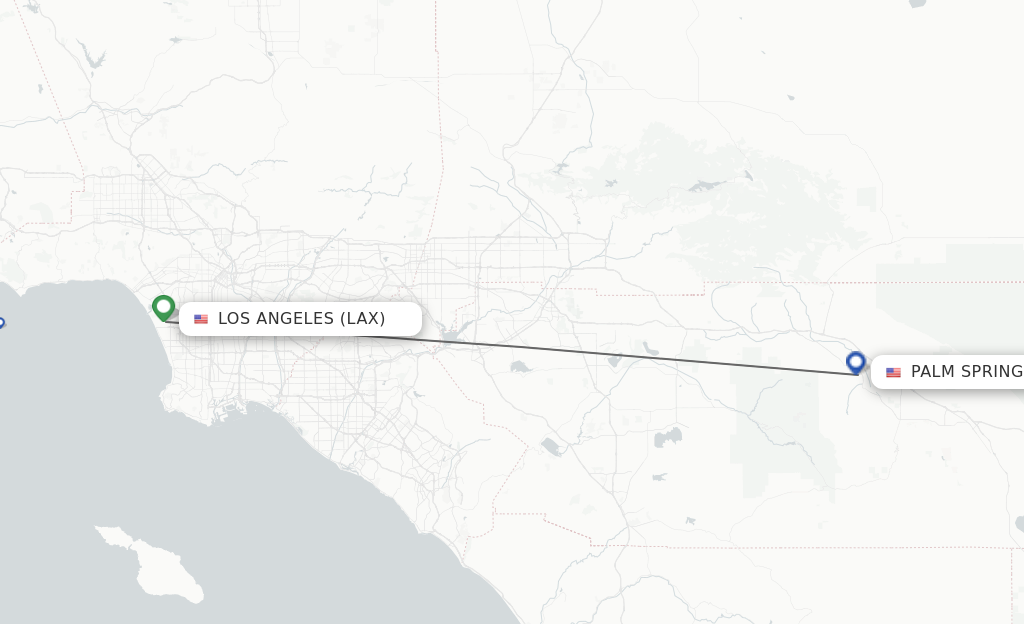
When planning your trip, the first question is usually: how far is it exactly? Geographically, the straight-line distance (as the crow flies) between Los Angeles and Palm Springs is approximately 95 miles. However, travel is rarely a straight line. By road, the distance typically ranges from 105 to 115 miles, depending on your specific starting point within the vast Los Angeles basin.
Calculating Your Departure Point
Los Angeles is not just a city; it is a massive metropolitan area. Your starting point significantly impacts the distance and time of your journey. If you are starting from Santa Monica or Venice Beach, you are looking at a trip closer to 120 miles. Conversely, if you are departing from the eastern edges of the county, such as Pasadena or Pomona, the drive is considerably shorter.
For those arriving via Los Angeles International Airport, the drive typically takes about two hours under ideal conditions. However, “ideal conditions” are a rarity in Southern California.
The Impact of Traffic Patterns
In the realm of California travel, distance is often measured in hours rather than miles. On a clear Tuesday morning at 10:00 AM, you might reach the Coachella Valley in roughly an hour and forty-five minutes. However, if you attempt to leave on a Friday afternoon, that same journey can easily stretch to three or four hours.
The primary bottleneck occurs as you pass through the Inland Empire, specifically near Riverside and San Bernardino. Understanding these rhythms is the key to a professional and stress-free travel experience. Experts recommend leaving either before 7:00 AM or after 7:00 PM to avoid the heaviest congestion.
Navigating the Best Routes to the Desert
There are several ways to navigate the terrain between the Pacific Ocean and the desert. Each route offers a different perspective on the landscape of the Golden State.
The Direct Path: Interstate 10
The most common and direct route is Interstate 10 East. This massive artery carries travelers from the heart of Los Angeles directly toward the San Gorgonio Pass. As you drive, the skyline of Downtown Los Angeles fades into the rearview mirror, replaced by the industrial and residential corridors of the San Gabriel Valley.
As you ascend through Beaumont and Banning, the elevation rises, and the temperature often begins to shift. One of the most striking visual landmarks on this route is the massive field of wind turbines near Whitewater. These giants signal your official entry into the desert region. From here, you will merge onto Highway 111, which serves as the primary gateway into Palm Springs proper.
The Scenic Alternative: Highway 60 and Highway 74
For travelers who prefer a more scenic or varied drive, taking California State Route 60 can offer a slight change of pace through the Badlands area of Riverside County. While it eventually merges back with Interstate 10, it provides a different topographical view.
If you have extra time and a passion for mountain vistas, the “Palms to Pines Scenic Byway” via Highway 74 is an extraordinary travel choice. This route takes you through the San Jacinto Mountains and drops you into the southern end of the Coachella Valley. It is a much longer drive in terms of time, but the hair-pin turns and breathtaking overlooks of Palm Desert make it a favorite for leisure travelers.
Transportation Options: Beyond the Personal Vehicle
While driving is the most popular way to bridge the gap between Los Angeles and Palm Springs, it is by no means the only option. Various travel modes cater to different budgets, schedules, and comfort levels.
Rail Travel: Amtrak and Metrolink
For those who wish to avoid the stress of the Interstate 10 traffic, Amtrak offers the Sunset Limited and Texas Eagle lines. These trains depart from Union Station in Los Angeles and stop at the North Palm Springs Amtrak Station. While the schedule is somewhat limited—running only a few times a week—the comfort of a train seat and the ability to watch the mountains of the San Bernardino National Forest roll by is unmatched.
Additionally, Metrolink provides commuter rail service from Los Angeles to San Bernardino. From the end of the line, travelers can utilize local bus services or rideshares to complete the final leg of the journey into the desert.
Bus Services and Private Shuttles
Several bus companies operate frequent routes between the two cities. Greyhound maintains a consistent schedule, offering an affordable way to travel. For a more modern and budget-friendly experience, FlixBus has become a popular choice, often featuring amenities like Wi-Fi and power outlets.
For luxury travelers or those traveling in groups, private shuttle services and black car rentals provide door-to-door service. This is particularly popular for guests heading to high-end resorts or major events like the Coachella Valley Music and Arts Festival or the Stagecoach Festival.
Essential Pit Stops and Points of Interest
The travel experience is as much about the journey as the destination. The corridor between Los Angeles and Palm Springs is dotted with unique landmarks that are well worth a stop.
Shopping and Entertainment
About 90 miles into your journey from Los Angeles, you will encounter the Desert Hills Premium Outlets in Cabazon. This is a premier shopping destination featuring luxury brands like Gucci, Prada, and Saint Laurent. Just next door is the Morongo Casino Resort & Spa, a towering landmark that offers gaming, dining, and a chance to stretch your legs in a climate-controlled environment.
Cultural and Natural Landmarks
No trip to the desert is complete without a photo at the Cabazon Dinosaurs. These iconic roadside attractions—featuring a massive Apatosaurus and Tyrannosaurus Rex—have been a staple of California travel culture for decades.
For nature enthusiasts, a slight detour can lead you to the Mormon Rocks or the foothills of Mount San Jacinto State Park. If you are looking for a more significant natural excursion, the entrance to Joshua Tree National Park is only a short drive further east from Palm Springs, making it an easy addition to your travel itinerary.

Final Travel Tips for a Smooth Journey
To ensure your trip from Los Angeles to Palm Springs is as professional and enjoyable as possible, keep these logistical tips in mind:
- Check the Weather: The temperature in the desert can be 20 to 30 degrees Fahrenheit higher than in Los Angeles. Ensure your vehicle’s cooling system is in top shape before heading out.
- Fuel Up Early: While there are plenty of gas stations along Interstate 10, prices tend to rise as you get closer to the resort areas. Consider fueling up in Ontario or Riverside.
- Use Navigation Apps: Apps like Google Maps or Waze are indispensable for navigating Southern California traffic. They can alert you to sudden accidents or construction delays near Fontana or Redlands.
- Hydration is Key: Even during the drive, the dry desert air can lead to dehydration. Always carry water, especially if you plan to stop at outdoor landmarks like Chino Hills State Park along the way.
The distance between Los Angeles and Palm Springs may be small on a map, but the travel experience is vast. From the high-speed transit of the coastal highways to the serene descent into the valley beneath Mount San Jacinto, this route offers a quintessential slice of the American West. By planning your timing and choosing your route wisely, you can turn a simple commute into a memorable part of your California adventure.
LifeOutOfTheBox is a participant in the Amazon Services LLC Associates Program, an affiliate advertising program designed to provide a means for sites to earn advertising fees by advertising and linking to Amazon.com. Amazon, the Amazon logo, AmazonSupply, and the AmazonSupply logo are trademarks of Amazon.com, Inc. or its affiliates. As an Amazon Associate we earn affiliate commissions from qualifying purchases.