
The journey between Los Angeles, California, and Las Vegas, Nevada, is one of North America’s most iconic and frequently traveled routes. Connecting the sprawling urban landscape of Southern California with the dazzling neon oasis of the desert, this corridor draws millions each year, whether for business, leisure, or a spontaneous escape. While seemingly a straightforward drive across the desert, the “how far” question encompasses more than just miles; it involves time, preferred modes of transport, and the potential for a memorable adventure along the way. Understanding the nuances of this popular route is key to planning a seamless and enjoyable trip, ensuring you arrive ready to embrace the distinct energy of either destination.
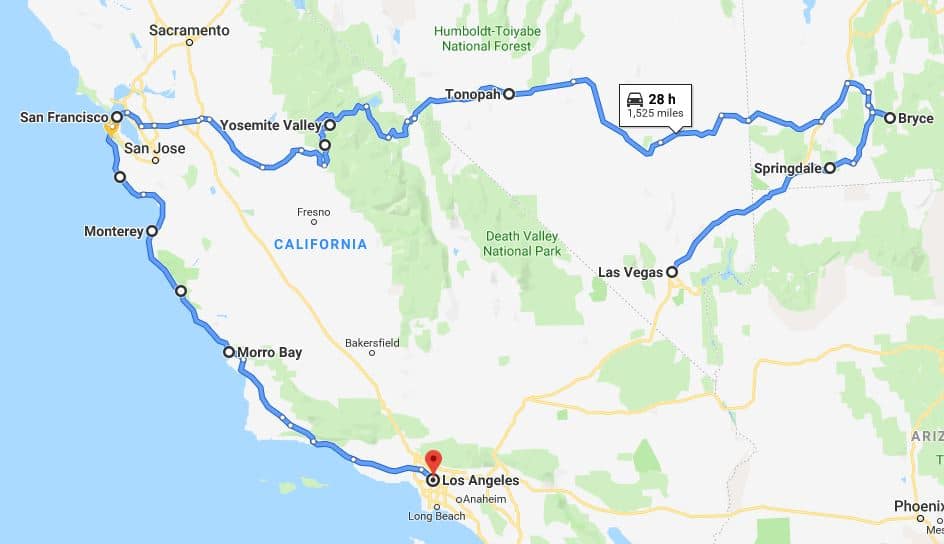
The Geographic Reality: Distance and Driving Time
At its core, the distance between Los Angeles and Las Vegas is a measurable quantity, but the practical implications extend beyond a simple number on a map. For most travelers, the journey is defined by the open road, specifically the Interstate 15 (I-15), which serves as the primary artery connecting these two vibrant cities.
Straight-Line Distance vs. Driving Route
The straight-line or “as the crow flies” distance between downtown Los Angeles and downtown Las Vegas is approximately 230 miles (370 kilometers). However, this direct measurement is purely theoretical for practical travel. The actual driving route, which follows the I-15 through the Mojave Desert, typically spans around 270 to 280 miles (435 to 450 kilometers), depending on your specific starting point in Los Angeles and your final destination in Las Vegas.
The I-15 offers a relatively direct path, designed for efficiency. For those embarking on this journey, the anticipation builds as urban sprawl gives way to vast desert landscapes, a hallmark of the American Southwest. The transition from the coastal metropolis to the arid interior is a journey in itself, marking a distinct shift in scenery and atmosphere.
Factors Influencing Driving Time
While 270-280 miles might suggest a specific travel duration, the reality is that the driving time can fluctuate significantly. On average, under ideal conditions, the drive takes approximately 4 to 5 hours. However, numerous factors can stretch this to 6, 7, or even more hours.
- Traffic: This is by far the most influential variable. Departures from Los Angeles are notoriously slow, especially during peak commuter hours on weekdays, or on Friday afternoons and Sunday evenings when weekenders flock to or from Las Vegas. Similar bottlenecks can occur approaching Las Vegas or on the return journey into Southern California. The stretch through the Cajon Pass and around Barstow can be particularly prone to congestion.
- Stops: Most travelers will need to stop for gas, food, or restroom breaks. Planning these stops can add 30 minutes to an hour or more to the total trip time. Places like Barstow or Baker are popular refueling and refreshment points.
- Road Construction: The I-15 is a heavily used highway, and construction projects are a common occurrence. These can lead to lane closures, reduced speed limits, and unexpected delays.
- Weather Conditions: While the Mojave Desert is known for its clear skies, extreme heat in summer can affect vehicle performance and traveler comfort. Occasionally, desert thunderstorms can lead to flash flooding or high winds, impacting visibility and road conditions. Winter can bring rare but impactful snow to higher elevations or unexpected fog.
- Speed Limits and Enforcement: The speed limit on most of the I-15 is 70-80 mph in Nevada and 65-70 mph in California. Adhering to these limits, especially with active highway patrol presence, is crucial for a safe and uneventful journey.
Considering these variables, a realistic estimate for the drive is often closer to 5 to 6 hours when factoring in a stop or two and moderate traffic.
Exploring Travel Options: Beyond the Wheel
While driving is the most popular way to travel between Los Angeles and Las Vegas, it’s certainly not the only option. Each mode of transport offers a different balance of cost, convenience, speed, and experience, catering to diverse traveler preferences.
Driving: The Quintessential Southern California Road Trip
Driving remains the top choice for many, embodying the spirit of the American road trip.
- Advantages: Unparalleled flexibility to depart and arrive on your schedule, the ability to make spontaneous stops, cost-effectiveness for groups or families (as fuel costs are split), and the convenience of having your own vehicle upon arrival. It also allows for baggage freedom, bypassing airline restrictions.
- Disadvantages: Fatigue, especially for the driver; the potential for significant traffic delays; and the added costs of fuel, wear-and-tear on your vehicle, and parking fees in Los Angeles or Las Vegas.
- Tips for a Smooth Drive: Plan your departure time carefully, aiming for off-peak hours (e.g., very early morning or late evening). Ensure your vehicle is in good condition, especially tires and fluid levels. Pack plenty of water, snacks, and entertainment (music, podcasts). Consider a co-driver to share responsibilities. Having a full tank of gas before entering the Mojave Desert stretch is always a wise decision.
Flying: The Fastest Connection
For those prioritizing speed above all else, flying is the clear winner.
- Airlines and Airports: Numerous airlines offer direct flights between Los Angeles International Airport (LAX) and Harry Reid International Airport (LAS) in Las Vegas. These include major carriers like Southwest Airlines, Delta, American Airlines, and United, as well as budget airlines such as Spirit Airlines and Frontier Airlines. There are also regional airports in the Los Angeles area, such as Hollywood Burbank Airport (BUR) and John Wayne Airport (SNA), which offer convenient alternatives to LAX for travelers based closer to those locations.
- Flight Duration and Total Travel Time: The actual flight time is incredibly short, often around 1 hour to 1 hour 15 minutes. However, the total travel time is considerably longer once you factor in getting to the airport, security checks, boarding, deplaning, and retrieving luggage. Door-to-door, flying can easily take 3 to 5 hours, making it comparable to an ideal driving scenario, but without the effort of driving.
- Cost Considerations: Airfare prices fluctuate widely based on demand, booking time, and airline. While it’s possible to find budget flights, baggage fees and airport transfers can add up, potentially making it more expensive than driving for individuals or small groups.
- Advantages/Disadvantages: Flying’s main advantage is speed and convenience for those without a car. Disadvantages include the hassle of airport procedures, potential delays, and less flexibility upon arrival without a rental car.
Bus Services: Budget-Friendly and Convenient
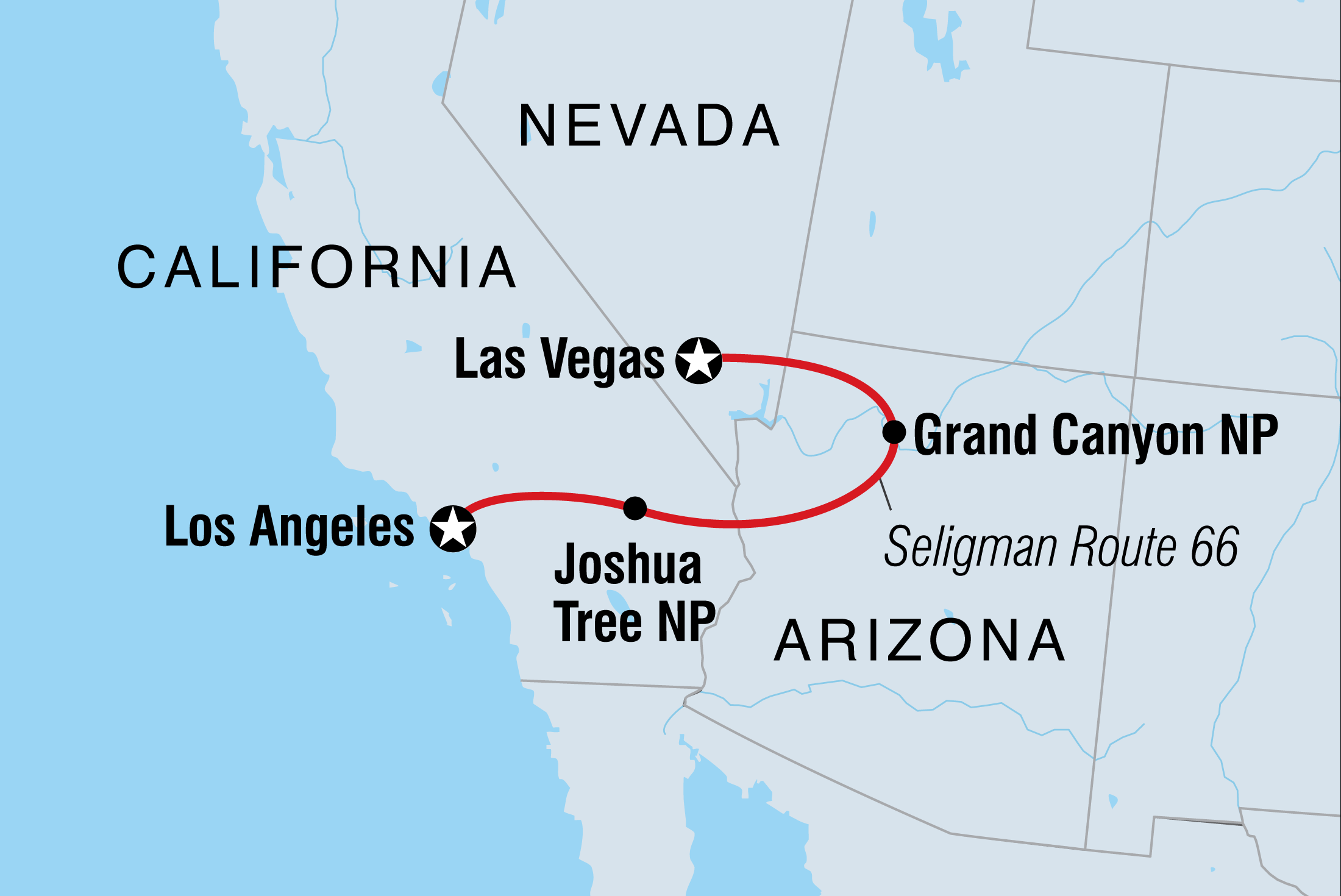
Bus travel offers a cost-effective and relatively comfortable alternative for those who prefer not to drive or fly.
- Major Operators: Companies like Greyhound and FlixBus provide regular service between Los Angeles and Las Vegas. Departures are frequent from various terminals in Los Angeles.
- Travel Time, Comfort, and Amenities: Bus journeys typically range from 5.5 to 7 hours, depending on stops and traffic. Modern buses often offer amenities like Wi-Fi, power outlets, and reclining seats, making the journey more pleasant.
- Cost Comparison: Bus tickets are generally the most economical option, especially when booked in advance. This makes it an attractive choice for budget-conscious travelers.
Train: A Scenic, Less Direct Alternative
While there’s no direct high-speed rail line connecting Los Angeles and Las Vegas, Amtrak offers routes that can get you close, typically requiring a bus connection. For instance, you could take an Amtrak train to Needles, California, and then arrange for a bus or car service the rest of the way to Las Vegas. This method is significantly longer (often 8-10+ hours total) and more complex than driving, flying, or taking a direct bus. It’s usually chosen by rail enthusiasts or those looking for a unique, leisurely experience rather than efficiency. Plans for a high-speed rail project, Brightline West, are underway, which would revolutionize this travel corridor in the future, but for now, train travel is a less practical direct option.
Making the Journey Part of the Adventure: Scenic Stops and Detours
One of the great advantages of driving between Los Angeles and Las Vegas is the opportunity to break up the journey and explore the unique attractions of the Mojave Desert and historic Route 66.
Desert Delights Along I-15
- Barstow: A traditional halfway point, Barstow is a hub for Route 66 enthusiasts. You can visit the Mojave River Valley Museum, the Route 66 Mother Road Museum, or the Barstow Station, a unique McDonald’s built from train cars.
- Calico Ghost Town: Just northeast of Barstow, Calico Ghost Town is a restored 19th-century silver mining town. It offers a fascinating glimpse into the Old West, complete with mine tours, shops, and historical reenactments. It’s a fun and family-friendly detour.
- Mojave National Preserve: For nature lovers, a slight detour off the I-15 can lead you into the vast and stunning Mojave National Preserve. Here, you’ll find iconic Joshua trees, volcanic cinder cones, expansive sand dunes (like the Kelso Dunes), and rugged mountain ranges. It’s a true desert wilderness experience, but requires more time.
- Seven Magic Mountains: Closer to Las Vegas, just south of the city near Jean, Nevada, stand the Seven Magic Mountains. This vibrant, large-scale public art installation by Swiss artist Ugo Rondinone features seven towering stacks of brightly painted boulders, creating a striking contrast against the natural desert landscape. It’s a popular photo stop.
Pre-Vegas Pit Stops
As you approach the Nevada border, a few spots offer a taste of what’s to come or a final stretch before the bright lights.
- Primm, Nevada: Located right on the California-Nevada border, Primm is home to outlet shopping and a trio of casinos: Buffalo Bill’s Resort & Casino, Whiskey Pete’s Hotel & Casino, and Primm Valley Resort & Casino. It’s a common first stop for a restroom break, a quick meal, or even a shot at a slot machine before hitting the big city.
Planning Your Trip: Key Considerations
Effective planning can significantly enhance your travel experience between Los Angeles and Las Vegas, regardless of your chosen mode of transport.
Best Time to Travel
- Weekdays vs. Weekends: For driving, weekdays typically see less traffic, particularly mid-week. Avoid Friday afternoons heading to Las Vegas and Sunday afternoons returning to Los Angeles, as these are peak travel times. For flying, weekday flights are often cheaper and less crowded.
- Off-Peak Hours: If driving on a weekend, try to depart very early in the morning (before 6 AM) or later in the evening (after 7 PM) to avoid the worst of the congestion.
- Seasonal Considerations: Summer months (June-August) mean extreme desert heat, which can impact vehicle performance and make rest stops less comfortable. Spring and Fall offer the most pleasant driving conditions with milder temperatures. Holidays like New Year’s Eve, Memorial Day, and Labor Day will invariably see heavy traffic and higher prices for all modes of transport.
Essential Packing for the Desert Drive
If you choose to drive, a few essentials will make the journey much more comfortable and safe:
- Water and Snacks: Crucial for staying hydrated in the desert.
- Sun Protection: Sunscreen, hats, and sunglasses are vital, even in the car.
- Emergency Kit: Jumper cables, a basic tool kit, a first-aid kit, and a flashlight are always good to have.
- Entertainment: Music, podcasts, or audiobooks can help pass the time during long stretches.
- Portable Charger: Ensure your phone and other devices stay charged.
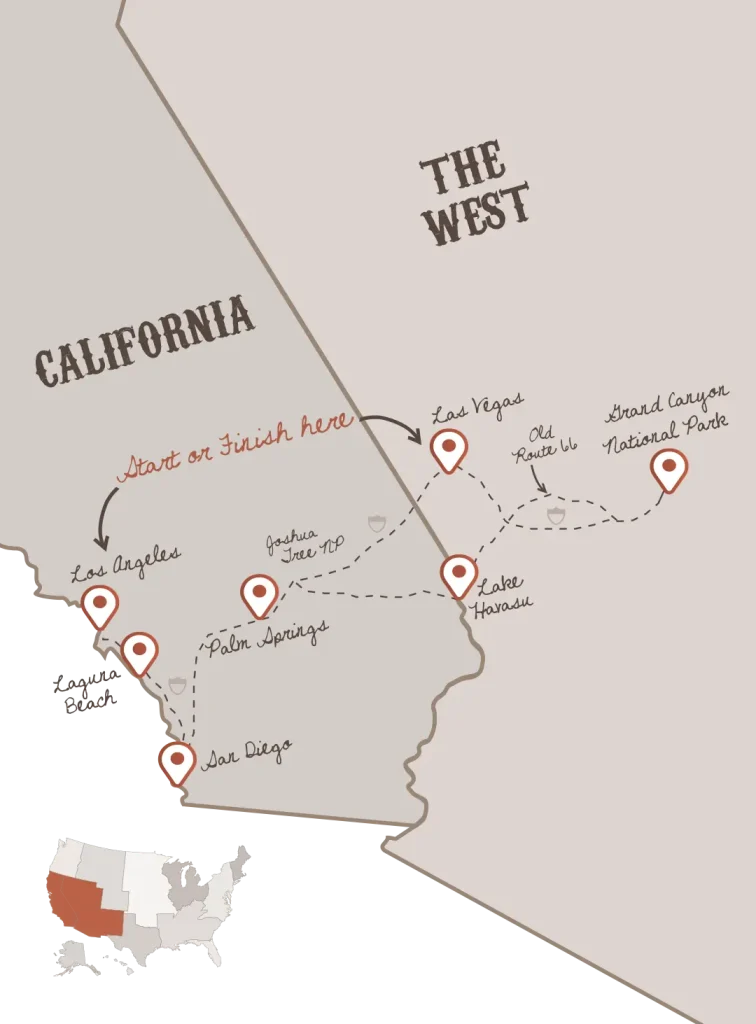
Booking and Logistics
- Car Rental Options: If you don’t own a car or prefer not to use yours, numerous car rental agencies are available at both Los Angeles and Las Vegas airports and city locations. Booking in advance, especially during peak season, is advisable.
- Flight Booking Tips: Use flight comparison websites and consider booking several weeks or months in advance for the best prices. Be flexible with your travel dates if possible.
- Accommodation in Los Angeles or Las Vegas: Regardless of how you arrive, ensure your accommodation is booked well in advance, especially during major conventions or holiday weekends in Las Vegas or events in Los Angeles.
In conclusion, the distance from Los Angeles to Las Vegas is more than just miles; it’s a journey filled with options and opportunities for adventure. Whether you prefer the freedom of the open road, the speed of a quick flight, or the affordability of a bus, understanding the logistics and planning ahead will ensure your trip is as smooth and enjoyable as the destinations themselves.
LifeOutOfTheBox is a participant in the Amazon Services LLC Associates Program, an affiliate advertising program designed to provide a means for sites to earn advertising fees by advertising and linking to Amazon.com. Amazon, the Amazon logo, AmazonSupply, and the AmazonSupply logo are trademarks of Amazon.com, Inc. or its affiliates. As an Amazon Associate we earn affiliate commissions from qualifying purchases.