
The allure of Southern California often hinges on the proximity of its most iconic locales. For many visitors planning their first trip to Los Angeles, understanding the geography of the sprawling metropolis is essential for a smooth itinerary. A frequent question arises: just how far is Los Angeles from Beverly Hills? While the two are neighbors, the answer depends entirely on where you start and how you choose to navigate the maze of freeways and boulevards that define the region.
Understanding the Spatial Relationship
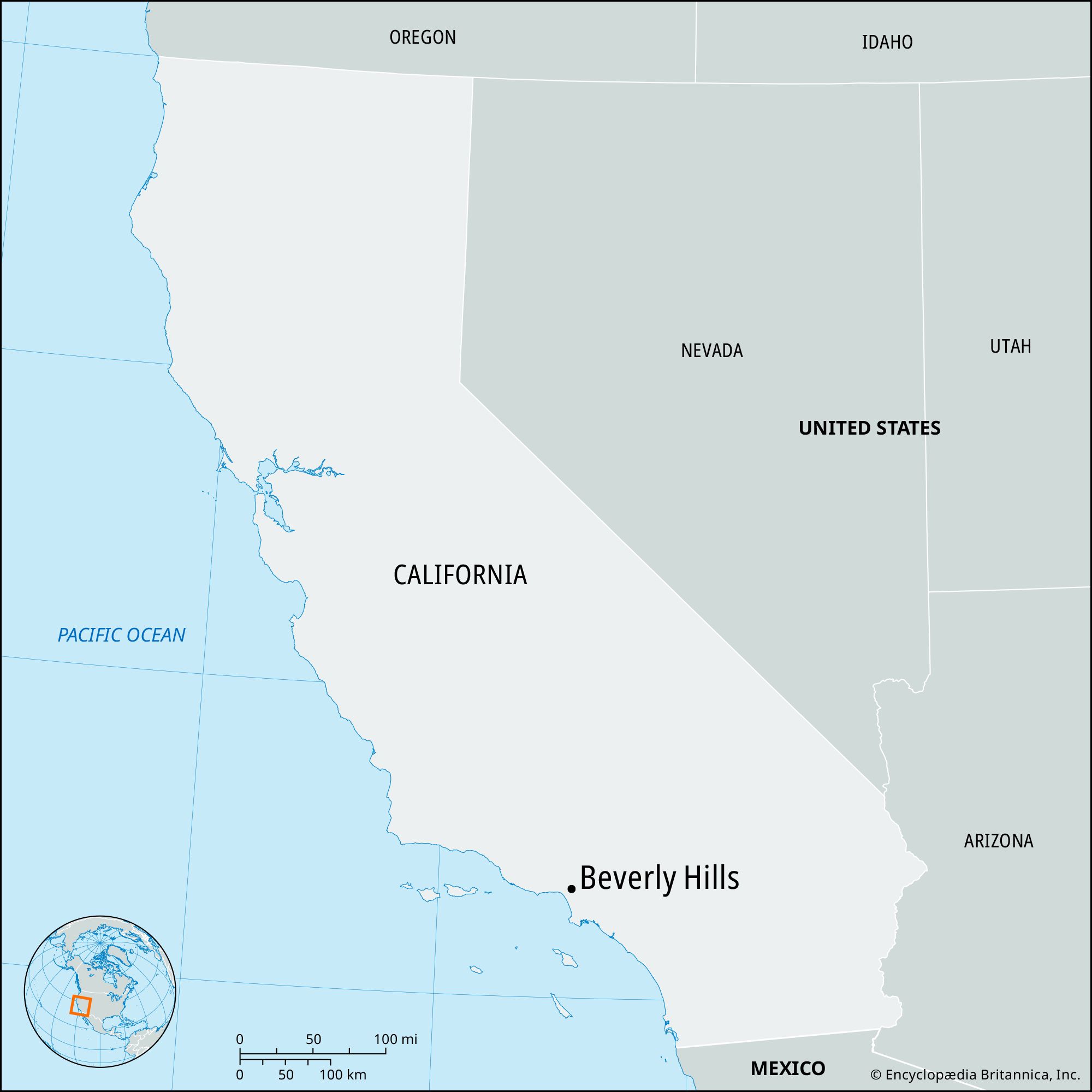
Geographically speaking, Beverly Hills is an enclave situated within the heart of the Los Angeles basin. To travel from the Downtown Los Angeles district to the iconic Rodeo Drive, one typically covers a distance of approximately 10 to 12 miles. However, in California, distance is measured in time rather than miles. Depending on the notorious local traffic, this short stretch can take anywhere from twenty minutes in the early morning to over an hour during the peak rush hours of the afternoon.

Navigating the Urban Landscape
The transition from the dense, historic architecture of Downtown Los Angeles to the manicured, palm-lined streets of Beverly Hills feels like stepping between two distinct worlds. Travelers usually utilize Wilshire Boulevard or Santa Monica Boulevard to bridge this gap. These major thoroughfares provide a linear path that captures the changing personality of the city, moving from the commercial high-rises to the residential opulence synonymous with the Golden Triangle.
Factors Influencing Your Travel Time
Several variables dictate the efficiency of your transit. Local events, major Hollywood premieres, and the unpredictable nature of I-10 can turn a pleasant drive into a lesson in patience. It is highly recommended that visitors account for “L.A. buffer time” when scheduling dinner reservations at establishments like Spago or tours near The Beverly Hills Hotel.
Choosing the Best Mode of Transit
Because the distance is relatively short, visitors have a variety of options. Choosing the right one can fundamentally change how you experience the landscape between these two legendary areas.
Driving and Ride-Sharing
For most tourists, renting a car or utilizing a ride-sharing app is the standard method of transport. Driving yourself allows for the flexibility to stop at various points of interest along the way, such as The Grove or the Los Angeles County Museum of Art. Having a vehicle provides the freedom to explore the hillsides surrounding Beverly Hills where architecture enthusiasts often flock to see the historic estates designed by famed architects like Paul Williams.
Public Transportation Limitations
While Los Angeles has invested heavily in public transit, including the Metro Rail system, reaching the heart of Beverly Hills via bus or rail can be cumbersome. The Purple Line extension is currently bridging this gap, but for the immediate future, a combination of a train and a final taxi or bus ride is often necessary. If you are staying at a major hub like The Peninsula Beverly Hills, relying on private car services is often the preferred mode of luxury travel.
Walking and Cycling
Though Los Angeles is not typically categorized as a “walking city,” the individual districts are highly walkable once you arrive. You can easily spend an entire afternoon walking from Wilshire Boulevard to the luxury boutiques of Rodeo Drive. Cycling is also becoming more popular, with many residents using bike-share programs to traverse the flatter portions of the city, though navigating the high-traffic corridors requires a high degree of confidence and caution.
Must-Visit Landmarks Along the Route
The corridor connecting these two destinations is rich with culture, art, and history. Instead of rushing to your destination, consider treating the journey as an extension of your sightseeing trip.
Cultural Stops and Museums
As you depart the Downtown Los Angeles area, you pass through mid-city regions that house some of the finest cultural institutions in the United States. The Academy Museum of Motion Pictures is a prime example of a world-class attraction located just minutes away from the path to Beverly Hills. Spending a few hours here provides context to the film history that makes the region so globally significant.
Shopping and Culinary Experiences
No journey through Beverly Hills is complete without engaging with the culinary scene. From the casual cafes of Beverly Drive to the high-end dining experiences, there is a variety of flavors to suit every palette. If you find yourself needing a break from the transit, consider stopping at the Original Farmers Market near Fairfax District. It serves as a perfect midpoint, offering a contrast to the high-gloss luxury of Beverly Hills.
Strategic Travel Tips for Tourists
To ensure your trip between Los Angeles and Beverly Hills remains a highlight rather than a headache, keep these strategic points in mind.
The Best Time to Move
Plan your transits to avoid the standard commute hours. Between 7:00 AM and 10:00 AM, and 3:00 PM and 7:00 PM, the 405 Freeway and the local boulevards are heavily congested. If you have the flexibility, traveling during the late morning or early afternoon allows you to enjoy the scenery without the stress of stop-and-go traffic.
Digital Navigation Tools
Always rely on real-time navigation apps when moving between these two areas. The traffic patterns in Southern California are fluid and change due to road construction, accidents, or local events. Using live data allows you to choose alternate surface streets, which often reveal charming, historic neighborhoods that you would otherwise miss on the main freeway.

Maximizing Your Visit
If you are staying in Downtown Los Angeles and planning a day of shopping in Beverly Hills, bundle your activities. Since the commute is roughly 30 to 45 minutes on average, dedicating a full day to the western side of the city allows you to experience landmarks like the Griffith Observatory or the Hollywood Sign without needing to return to the city center until the evening.
The distance between Los Angeles and Beverly Hills is more than just a number on a map; it is an invitation to explore the diverse textures of the West Coast. By acknowledging the geography and planning your transit accordingly, you transform a simple commute into a meaningful part of your travel story. Whether you are seeking the luxury of high-end hotels or the historical significance of mid-century architecture, the journey between these two iconic spots captures the very essence of the California lifestyle.
LifeOutOfTheBox is a participant in the Amazon Services LLC Associates Program, an affiliate advertising program designed to provide a means for sites to earn advertising fees by advertising and linking to Amazon.com. Amazon, the Amazon logo, AmazonSupply, and the AmazonSupply logo are trademarks of Amazon.com, Inc. or its affiliates. As an Amazon Associate we earn affiliate commissions from qualifying purchases.