
The journey from the sprawling urban landscape of Los Angeles to the volcanic shores of Hawaii is a quintessential American voyage. Representing the bridge between the mainland United States and the heart of Polynesia, this route is more than just a measurement of miles; it is a transition between two distinct worlds. For travelers starting in California, understanding the physical distance and the logistical nuances of the trip is the first step in planning an unforgettable island getaway.
Understanding the Geographic Distance and Flight Times
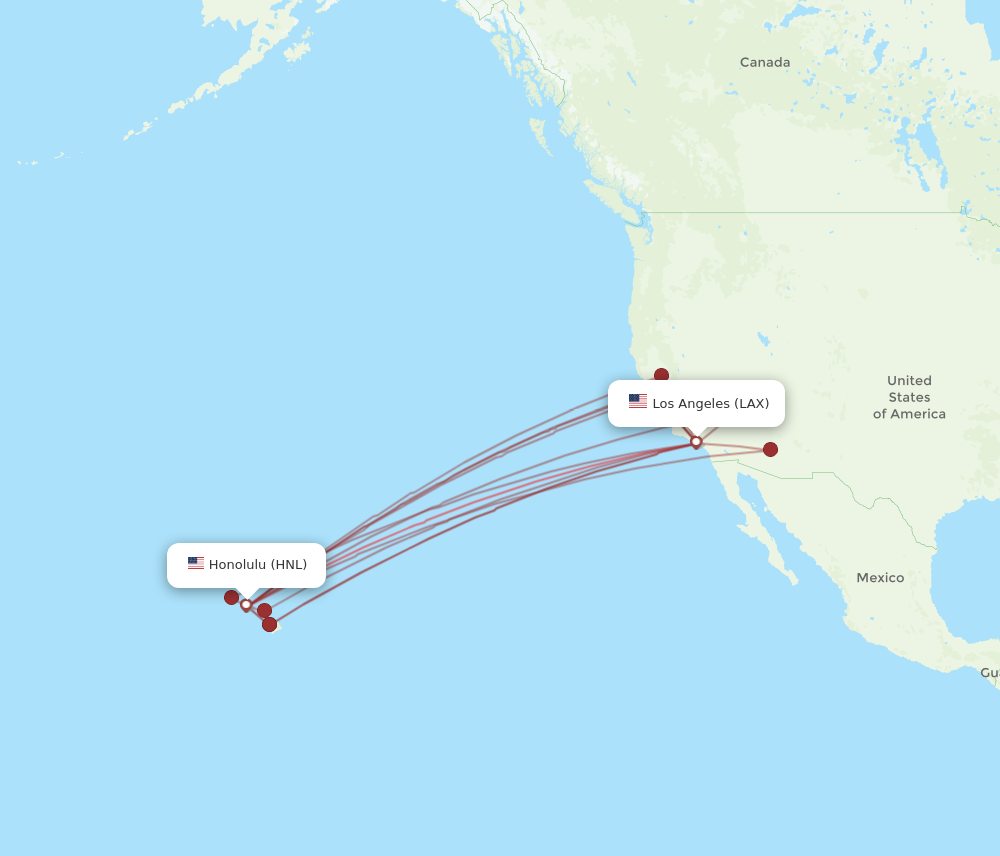
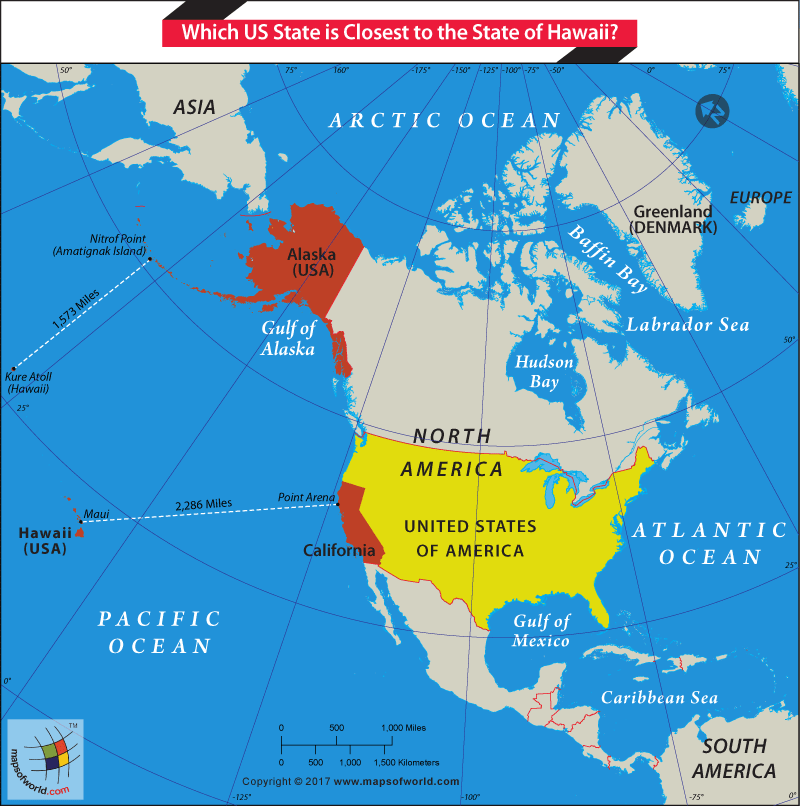
The physical distance between Los Angeles and Hawaii varies slightly depending on which island you are targeting. On average, the distance is approximately 2,470 miles (3,975 kilometers). To put this into perspective, the flight from Los Angeles International Airport to Honolulu is roughly the same distance as flying from Los Angeles to New York City.
Flight Durations and the Jet Stream
A direct flight from the West Coast to the Hawaiian Islands typically takes between five and a half to six hours. However, the duration is rarely the same in both directions. When flying westbound from California, aircraft often contend with headwinds, which can slightly increase the travel time. Conversely, the return journey to North America is often aided by the Jet Stream, pushing the plane eastward and potentially shaving thirty to forty minutes off the flight.
The Vastness of the Pacific Ocean
The flight path takes travelers over the Pacific Ocean, one of the most expansive bodies of water on Earth. Once an aircraft leaves the coastline of Southern California, passing over landmarks like Santa Catalina Island, there is virtually no land until the peaks of the Hawaiian Archipelago appear on the horizon. This vast stretch of blue highlights the isolation of Hawaii, which is the most isolated population center on the planet.
Major Gateways: Flying from Southern California to the Islands
While Los Angeles International Airport (LAX) is the primary hub for transpacific travel, the Greater Los Angeles Area offers several other departure points that provide convenience and specialized routes to the islands.
Los Angeles International Airport (LAX)
As one of the busiest airports in the world, Los Angeles International Airport offers the highest frequency of flights to Hawaii. Nearly every major domestic carrier, including United Airlines, American Airlines, Delta Air Lines, and Alaska Airlines, operates daily non-stop service to the major islands. Hawaiian Airlines, the state’s flagship carrier, also provides a significant number of flights, often starting the island experience the moment passengers step on board with island-inspired meals and hospitality.
Regional Alternatives: Orange County and Long Beach
For those looking to avoid the hustle of Los Angeles proper, John Wayne Airport in Orange County and Long Beach Airport offer excellent alternatives. Southwest Airlines has significantly expanded its footprint in these regional hubs, providing competitive pricing and direct access to Honolulu and Maui. Additionally, Ontario International Airport serves travelers in the Inland Empire, ensuring that the distance to Hawaii is easily bridged from any corner of the region.
Choosing Your Island Destination: Distance Variation and Direct Routes
Though the islands are clustered together, the distance from Los Angeles varies slightly depending on whether you are heading to the westernmost or easternmost parts of the chain.
Oahu: The Gathering Place
The flight to Daniel K. Inouye International Airport in Honolulu is the most common route. Covering approximately 2,556 miles, this flight lands you in the heart of Oahu. From here, travelers are just a short drive away from iconic destinations such as Waikiki Beach, Diamond Head, and the historic Pearl Harbor. Oahu serves as the primary transit hub for those looking to take inter-island “puddle jumper” flights to more remote locations.
Maui: The Valley Isle

Traveling to Kahului Airport on Maui involves a flight distance of roughly 2,485 miles. Maui is a favorite for those seeking a mix of luxury resorts and natural wonders. Visitors often head to the Road to Hana or the sunrise at Haleakala National Park. Direct flights from Los Angeles to Maui are frequent, making it an accessible alternative to Honolulu.
The Big Island and Kauai
The Island of Hawaii, often called the Big Island, is reached via Kona International Airport (approximately 2,504 miles) or Hilo International Airport. This island offers dramatic landscapes, from the snow-capped peaks of Mauna Kea to the active lava flows at Hawaii Volcanoes National Park.
Meanwhile, Kauai, the “Garden Isle,” is the furthest west of the main islands that accept direct flights from the mainland. A flight to Lihue Airport covers about 2,615 miles. Kauai is renowned for the Na Pali Coast and Waimea Canyon, offering a more rugged and lush experience for travelers.
Navigating the Logistics: Time Zones, Seasons, and Preparation
Crossing the distance between Los Angeles and Hawaii also means navigating a shift in time and climate.
Time Zone Transitions
Hawaii operates on Hawaii-Aleutian Standard Time (HST). One of the most important things for California travelers to remember is that Hawaii does not observe Daylight Saving Time. Consequently, during the summer months, Hawaii is three hours behind Pacific Daylight Time. During the winter, when the mainland switches to Pacific Standard Time, the difference narrows to just two hours. This relatively small gap makes Hawaii an ideal destination for those looking to avoid significant jet lag.
Seasonal Travel Trends
While the distance remains constant, the “distance” in terms of travel time and crowds fluctuates with the seasons. The peak travel periods typically coincide with winter breaks on the mainland, as residents of Los Angeles look to escape the “California winter” for even warmer tropical climates. Spring and fall are considered shoulder seasons, offering a more tranquil experience at attractions like Hanauma Bay or the North Shore of Oahu.
Packing and Preparation
Despite the 2,500-mile gap, traveling from Los Angeles to Hawaii is a domestic trip, meaning no passports are required for U.S. citizens. However, Hawaii has strict agricultural regulations to protect its unique ecosystem. Travelers must fill out declaration forms, and certain fruits, plants, or animals are prohibited from crossing the Pacific. When packing, it is essential to prepare for both the coastal heat of Waikiki and the cooler temperatures found at higher elevations like Mount Haleakala.
The Experience of the Transpacific Crossing
The journey from Los Angeles to Hawaii is often viewed as the beginning of the vacation itself. The five-hour flight provides a transition period to decompress from the fast-paced lifestyle of Hollywood or Santa Monica.
Viewing the Hawaiian Chain from Above
One of the highlights of the flight is the approach to the islands. If the skies are clear, passengers on the left side of the aircraft (when flying from LAX) are often treated to spectacular views of the smaller islands like Molokai and Lanai before descending into Honolulu. The sight of the turquoise reef waters meeting the deep navy of the Pacific Ocean is a definitive signal that the 2,500-mile journey is complete.
Modern Connectivity and Comfort
Advancements in aviation have made the distance feel shorter than ever. With the introduction of fuel-efficient aircraft like the Boeing 787 Dreamliner and the Airbus A321neo, the flight experience has become quieter and more comfortable. High-speed Wi-Fi and extensive in-flight entertainment systems allow travelers to stay connected or enjoy films as they cross the vast ocean.
The proximity of Los Angeles to Hawaii remains one of the greatest travel advantages for residents of the West Coast. Whether you are heading to Lahaina for the culture or Poipu Beach for the sun, the leap across the Pacific is a manageable and rewarding expedition that continues to captivate the imagination of every traveler who makes the trip.
LifeOutOfTheBox is a participant in the Amazon Services LLC Associates Program, an affiliate advertising program designed to provide a means for sites to earn advertising fees by advertising and linking to Amazon.com. Amazon, the Amazon logo, AmazonSupply, and the AmazonSupply logo are trademarks of Amazon.com, Inc. or its affiliates. As an Amazon Associate we earn affiliate commissions from qualifying purchases.