
Embarking on a journey through California offers travelers a glimpse into the diverse geography and vibrant culture of the United States. One of the most common routes for explorers and business travelers alike is the trek between Los Angeles and Oakland. Whether you are heading north to experience the artistic soul of the San Francisco Bay or venturing south to the sun-drenched streets of Hollywood, understanding the distance and the travel options is essential for a seamless trip.
The distance between these two urban hubs is approximately 370 miles when taking the most direct route. However, in the Golden State, the “how far” question is often answered in hours rather than miles, as traffic patterns and chosen routes significantly dictate the duration of the journey. This guide delves into the logistics, the landscapes, and the various ways to bridge the gap between Southern California and the East Bay.

Analyzing the Distance: Geography and Scale
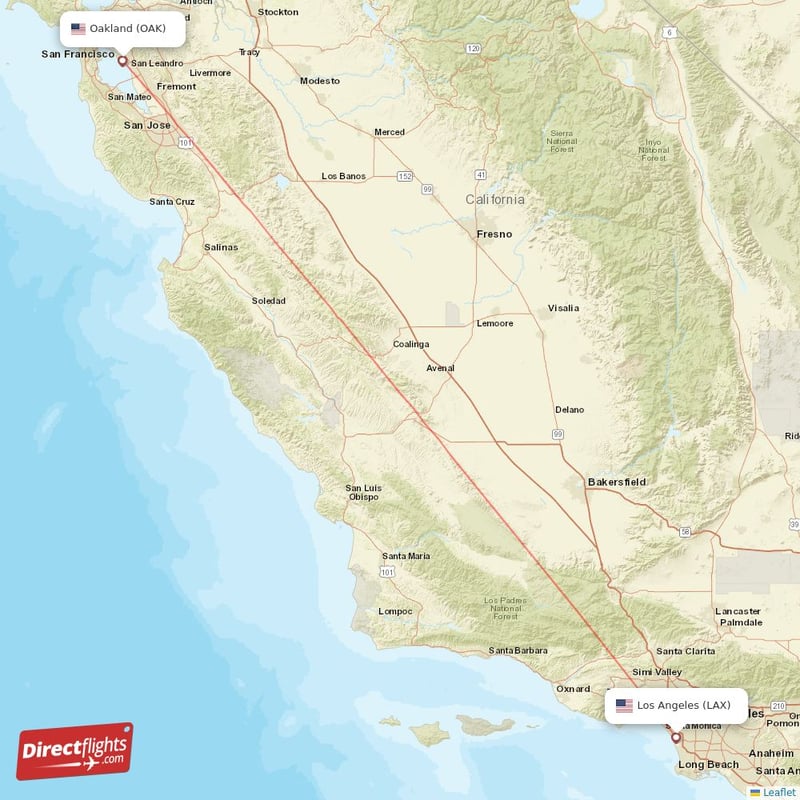
When we look at the map of the West Coast, the stretch from Los Angeles to Oakland represents a significant portion of the state’s length. Geographically, Oakland sits nearly directly north of its southern counterpart, nestled across the water from San Francisco.
The Direct Line vs. The Driving Distance
If you were to fly in a straight line—often referred to as “as the crow flies”—the distance is roughly 340 miles. However, land travel requires navigating the diverse topography of the Central Valley or the rugged Pacific Coast. For most drivers, the odometer will clock in somewhere between 370 and 410 miles, depending on the specific starting and ending points within these sprawling metropolitan areas.
Understanding Travel Times
In California, time is a fluid concept. A 370-mile drive on a clear Tuesday morning is vastly different from the same drive on a Friday afternoon. Generally, without significant stops or delays, the drive takes between five and a half to seven hours. However, travelers should always account for the heavy congestion found in Downtown Los Angeles and the often-unpredictable traffic near San Jose and the Bay Area.
Choosing Your Route: Efficiency vs. Scenery
The beauty of traveling between Los Angeles and Oakland lies in the choices available to the traveler. Depending on your priorities—speed, scenery, or local culture—there are three primary roadways to consider.
The Speed Demon: Interstate 5
For those whose primary goal is to reach Oakland as quickly as possible, Interstate 5 (commonly called “the 5”) is the undisputed champion. This highway cuts through the heart of the San Joaquin Valley, offering a flat, straight trajectory. While it is the most efficient path, it is also the least scenic, dominated by vast agricultural fields and commercial trucking.
Traveling along Interstate 5 takes you past landmarks such as the Tejon Pass and the famous Grapevine, where the elevation rises sharply before descending into the valley. Stops along this route are mostly functional, featuring roadside diners and fueling stations in towns like Bakersfield and Kettleman City.
The Middle Ground: US Route 101
If you have a bit more time and prefer a more varied landscape, US Route 101 is an excellent alternative. This route adds about an hour to the total travel time but rewards you with rolling hills, vineyards, and glimpses of the coast. It passes through charming communities such as Santa Barbara, San Luis Obispo, and Paso Robles. This is the preferred route for travelers who want to experience the “Old California” vibe, with plenty of opportunities to stop for a world-class meal or a visit to a local winery.
The Scenic Masterpiece: Highway 1
For the ultimate California road trip experience, State Route 1, also known as the Pacific Coast Highway, is legendary. Choosing this route means you aren’t just traveling from Los Angeles to Oakland; you are embarking on a world-class adventure. Be warned: this route can take 10 hours or more, especially if you stop to admire Big Sur, Monterey, and Carmel-by-the-Sea. It is a winding, two-lane road that hugs the cliffs of the Pacific Ocean, offering breathtaking views that are well worth the extra time.
Alternative Transportation: Skies, Rails, and Coaches
Not everyone wants to spend hours behind the wheel. Fortunately, the corridor between Southern California and the Bay Area is one of the most well-connected travel lanes in the country.
High-Speed Skies
Flying is the fastest way to bridge the distance. Oakland International Airport is a major hub for low-cost carriers, making it a convenient alternative to the busier San Francisco International Airport. Flights from Los Angeles International Airport, Burbank Airport, or Long Beach Airport typically take only about an hour and fifteen minutes in the air. When you factor in security and airport transit, the total travel time is roughly three to four hours.
Riding the Rails with Amtrak
For a relaxed pace that allows you to work or enjoy the scenery without the stress of driving, Amtrak offers several options. The Coast Starlight is one of the most beautiful train rides in the North America, running daily between Los Angeles and Oakland. The train features observation cars with floor-to-ceiling windows, allowing passengers to soak in the coastal vistas of Vandenberg Space Force Base and the rugged shores of the central coast.
Luxury Motorcoaches and Buses
The rise of luxury bus services has provided a middle ground for travelers seeking comfort without the price tag of a flight. Companies offer direct service between Los Angeles and Oakland, featuring reclining seats, Wi-Fi, and power outlets. For the budget-conscious, traditional bus lines like Greyhound or FlixBus remain reliable options with multiple departures throughout the day.
Exploring the Destination: Why Oakland?
Once you have navigated the distance, arriving in Oakland reveals a city with a distinct personality. Often overshadowed by San Francisco, Oakland has emerged as a major cultural and culinary destination in its own right.
The Cultural Heart of the East Bay
Oakland is celebrated for its diversity and resilience. Visitors can explore the Oakland Museum of California, which provides an immersive look at the state’s art, history, and natural sciences. The city is also a hub for jazz and blues history, with venues that have hosted legends for decades.
Nature and Waterfront Attractions
The centerpiece of the city is Lake Merritt, a large tidal lagoon that serves as a focal point for outdoor recreation. It is surrounded by parks, jogging paths, and the Gardens at Lake Merritt. Near the water, Jack London Square offers a mix of dining, shopping, and entertainment, all with stunning views of the Oakland Estuary and the Port of Oakland.
Culinary Exploration
The food scene in Oakland is one of the most exciting in the United States. From the bustling stalls of Chinatown to the trendy eateries in Temescal and Rockridge, the city offers a global array of flavors. It is particularly known for its farm-to-table innovations and authentic soul food, reflecting the rich heritage of its residents.
Practical Tips for the California Traveler
To make the most of your journey from Los Angeles to Oakland, a little preparation goes a long way.
- Time Your Departure: If driving, try to leave Los Angeles before 6:00 AM or after 10:00 AM to avoid the worst of the morning rush hour. Similarly, aim to arrive in the Bay Area before the afternoon commute begins.
- Check Weather Conditions: While California is known for sunshine, the Tejon Pass on Interstate 5 can occasionally experience snow or high winds during winter months, which may lead to road closures.
- Fuel and Charging: If you are driving an electric vehicle, the Interstate 5 and US Route 101 corridors are well-equipped with charging stations, including Tesla Superchargers at convenient intervals.
- Stay Hydrated and Rested: The stretch through the Central Valley can be monotonous. Plan for at least one significant stop to stretch your legs and stay alert.
Whether you choose the efficiency of the sky, the leisure of the train, or the classic California road trip, the journey from Los Angeles to Oakland is a quintessential American travel experience. It connects two of the most influential regions on the West Coast, offering a window into the soul of the Golden State. By understanding the distance and the options available, you can transform a simple commute into a memorable part of your travel story.
LifeOutOfTheBox is a participant in the Amazon Services LLC Associates Program, an affiliate advertising program designed to provide a means for sites to earn advertising fees by advertising and linking to Amazon.com. Amazon, the Amazon logo, AmazonSupply, and the AmazonSupply logo are trademarks of Amazon.com, Inc. or its affiliates. As an Amazon Associate we earn affiliate commissions from qualifying purchases.