
The question of distance between two of California‘s most iconic cities, Los Angeles and San Francisco, is more than just a geographical inquiry; it’s a gateway to understanding the diverse experiences that await travelers across the Golden State. While a straight line might suggest a certain mileage, the reality of traversing this popular route involves a spectrum of travel methods, each offering a unique perspective on the magnificent Californian landscape. Whether you’re planning a scenic road trip, a swift flight, or a more leisurely train journey, knowing the distances and the implications of each choice is paramount to crafting an unforgettable itinerary.
The Mileage and the Methods of Travel
The direct, or “as the crow flies,” distance between Los Angeles and San Francisco is approximately 340 miles (547 kilometers). However, the actual travel distance, depending on the chosen mode of transportation, can vary significantly. Understanding these variations is key to planning your trip effectively, from estimating travel time to anticipating costs and the overall travel experience.
Driving: The Classic California Road Trip
The most popular way to travel between Los Angeles and San Francisco for many is by car. This offers unparalleled flexibility, allowing travelers to dictate their own pace and explore the countless attractions that lie along the way.
Route Options and Their Distances
There are primarily two major driving routes:
-
The Inland Route (I-5): This is the most direct and fastest route, spanning approximately 380 miles (612 kilometers). The journey typically takes around 5.5 to 6 hours of pure driving time, without accounting for any stops. This route cuts through the agricultural heartland of California and is generally less scenic than the coastal option. It’s ideal for those prioritizing speed and efficiency.
-
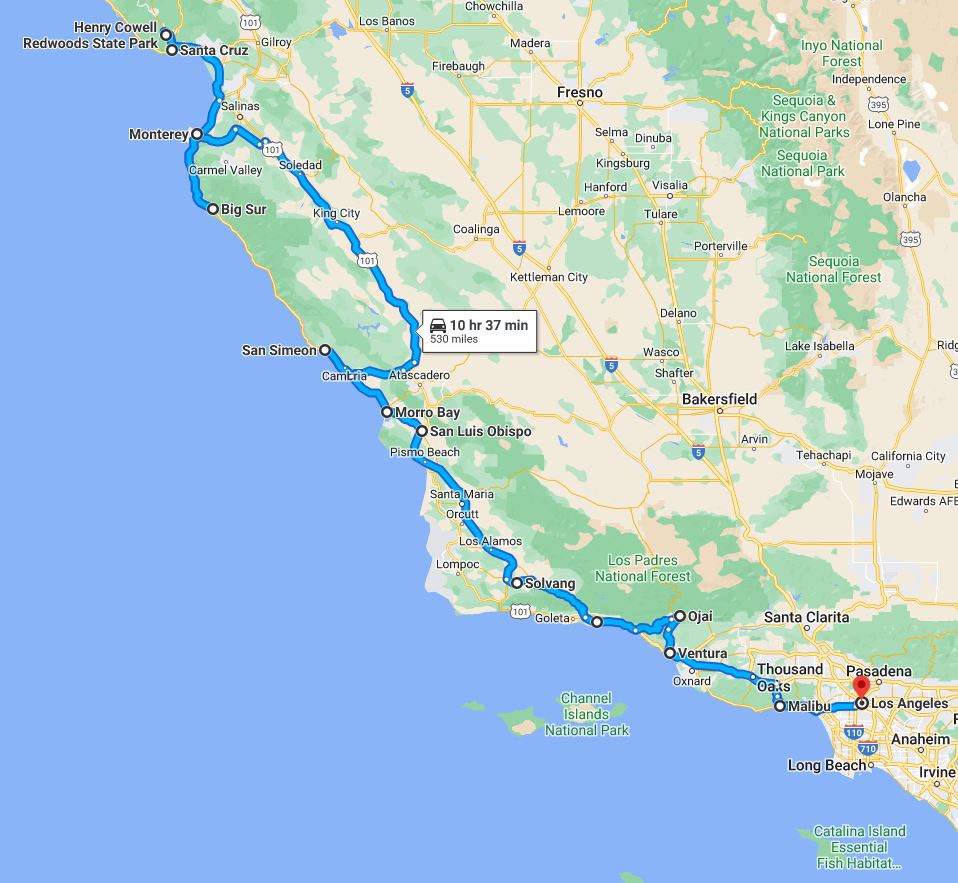
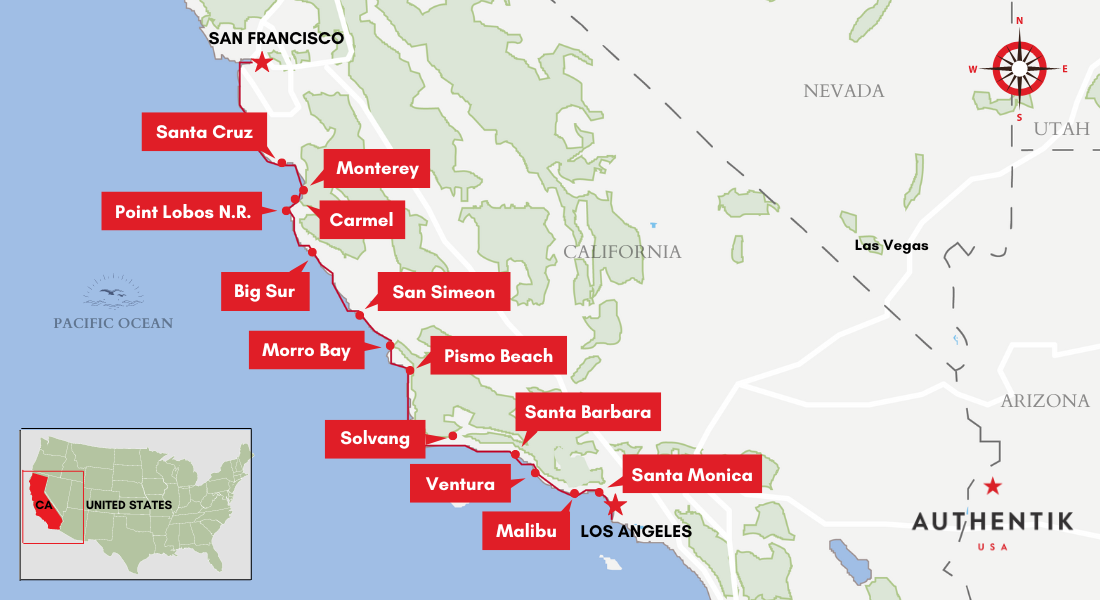
The Coastal Route (Highway 1/Pacific Coast Highway): This is the quintessential California road trip, renowned for its breathtaking vistas and dramatic ocean cliffs. The distance is significantly longer, typically around 450-500 miles (724-805 kilometers), depending on specific detours and the chosen segments of Highway 1. The driving time can range from 9 to 12 hours, but this is rarely a one-day drive. Travelers are encouraged to break this journey up over several days to truly appreciate the numerous viewpoints, charming coastal towns like Santa Barbara, Big Sur, and Carmel-by-the-Sea, and natural wonders such as Hearst Castle.
Considerations for the Road Trip
When planning a road trip, several factors come into play. Traffic congestion, particularly around Los Angeles and the San Francisco Bay Area, can add considerable time to your journey, especially during peak hours and holidays. Fuel costs, accommodation along the way (if opting for the coastal route), and potential car rental expenses should also be factored into the overall budget. The flexibility of a road trip allows for spontaneous stops at roadside attractions, local eateries, and state parks, transforming the journey into an integral part of the travel experience.
Flying: The Fastest Way to Cross the State
For those with limited time or a preference for speed, flying is the most efficient method of travel between Los Angeles and San Francisco.
Airports and Flight Durations
Los Angeles is served by several major airports, including Los Angeles International Airport (LAX), Hollywood Burbank Airport (BUR), and Long Beach Airport (LGB). San Francisco is primarily served by San Francisco International Airport (SFO) and Oakland International Airport (OAK), with San Jose International Airport (SJC) also being a viable option for reaching the southern parts of the Bay Area.
The actual flight time between these cities is remarkably short, typically around 1 hour and 15 minutes to 1 hour and 30 minutes. However, the total travel time must include the journey to and from the airports, check-in procedures, security screening, and boarding. Therefore, a realistic door-to-door travel time by air is usually between 3.5 to 5 hours. Numerous airlines operate frequent flights on this popular route, offering a range of pricing options and schedules to suit different needs.
Benefits of Air Travel
The primary advantage of flying is the significant time saving compared to driving. This allows travelers to maximize their time at their destination. It’s an excellent option for business trips or short weekend getaways where every minute counts. Booking flights in advance can often yield more economical fares, especially if traveling during off-peak seasons.
Train: A Scenic and Relaxing Alternative
For travelers seeking a more relaxed and scenic journey, the train offers a compelling alternative. While not as fast as flying or as direct as driving the I-5, Amtrak provides a comfortable and enjoyable way to experience the diverse landscapes of California.
Amtrak Routes and Travel Times
The primary Amtrak route serving this corridor is the San Joaquins line, which connects to buses for the final leg into San Francisco. The train journey itself typically takes around 9 to 11 hours, depending on the specific schedule and connection. The route travels through the Central Valley, offering views of rolling hills, agricultural fields, and small towns. While it doesn’t hug the coast like Highway 1, it provides a unique glimpse into the state’s interior.
The Amtrak Experience
Amtrak trains offer comfortable seating, dining car services, and the freedom to move around the train, which can be a welcome change from the confined space of a car or airplane. It’s an excellent choice for those who enjoy the journey as much as the destination, allowing for opportunities to read, work, or simply admire the passing scenery. Travelers can also opt for sleeping accommodations on longer routes, further enhancing the comfort of the trip, though this is less common for the Los Angeles to San Francisco corridor due to the daytime nature of most services.
Planning Your Journey
The choice of how far Los Angeles is to San Francisco is ultimately defined by the traveler’s priorities. Each mode of transport offers a distinct experience, catering to different needs and desires.

Choosing the Right Mode of Transport
- For Speed and Efficiency: Flying is undeniably the quickest way to bridge the gap between these two major cities.
- For Flexibility and Exploration: Driving, especially via the coastal Highway 1, offers the ultimate freedom to explore and discover at your own pace.
- For Relaxation and Scenery: Amtrak provides a comfortable and engaging way to travel, allowing you to appreciate the diverse terrains of California.
Understanding the distances, travel times, and unique advantages of each method empowers travelers to make informed decisions, ensuring their journey from Los Angeles to San Francisco is as enjoyable and seamless as possible. Whether you seek adventure on the open road, efficiency in the skies, or tranquility on the rails, the path between these two Californian gems is an adventure in itself, filled with opportunities for discovery.
LifeOutOfTheBox is a participant in the Amazon Services LLC Associates Program, an affiliate advertising program designed to provide a means for sites to earn advertising fees by advertising and linking to Amazon.com. Amazon, the Amazon logo, AmazonSupply, and the AmazonSupply logo are trademarks of Amazon.com, Inc. or its affiliates. As an Amazon Associate we earn affiliate commissions from qualifying purchases.