
Martha’s Vineyard, a picturesque island off the coast of Massachusetts, is a beloved destination renowned for its pristine beaches, charming towns, and relaxed pace of life. For many visitors, the journey begins in Boston, the vibrant capital city of the Commonwealth. While the island might feel like a world away, the actual distance and travel time are quite manageable, offering a fantastic opportunity for a weekend getaway or a longer escape. Understanding the various transportation options and the logistics involved is key to planning a seamless and enjoyable trip.
The direct distance between Boston and Martha’s Vineyard is approximately 70-80 miles (113-129 kilometers) as the crow flies, but since Martha’s Vineyard is an island, reaching it requires a combination of land and sea or air travel. The most common route involves driving or taking a bus to a ferry terminal on Cape Cod, followed by a ferry ride. This multi-modal journey typically spans 3 to 5 hours, depending on the chosen mode of transport, traffic conditions, and ferry schedules. This guide will delve into the precise distances, estimated travel times, and comprehensive options available to help you navigate your way from the urban bustle of Boston to the serene shores of Martha’s Vineyard.

Understanding the Distance and Geography
The concept of distance to an island like Martha’s Vineyard is inherently multi-faceted, involving both direct geographical measurement and practical travel distances. Knowing the distinction helps in planning the most efficient and enjoyable journey.
Straight-Line vs. Travel Distance
As mentioned, the straight-line distance, or “as the crow flies,” from downtown Boston to Martha’s Vineyard is roughly 70-80 miles. However, this measurement is primarily useful for air travel. For land and sea routes, the journey involves more complex calculations. The primary land route entails traveling south from Boston down Cape Cod to one of the ferry ports. The closest and most frequented port for year-round service is Woods Hole in Falmouth, which is approximately 75-80 miles (120-130 km) by road from Boston. Other seasonal ferry ports, such as those in Hyannis or even directly from Boston itself, will alter this land distance slightly.
Once at a ferry port, an additional distance is covered by sea. The ferry ride from Woods Hole to Vineyard Haven or Oak Bluffs on Martha’s Vineyard covers approximately 7 miles (11 km), taking about 45 minutes. Therefore, the total practical travel distance is a summation of these segments, resulting in a journey that feels much longer than the initial “as the crow flies” figure, but one that is rich with scenic views and anticipation.
Why Martha’s Vineyard is a Unique Island Destination
Martha’s Vineyard is more than just a geographical point; it’s an experience. Its unique island status means that careful planning is essential, particularly concerning transportation, as road access ends at the ferry terminals. The island boasts six distinct towns—Edgartown, Oak Bluffs, Vineyard Haven (Tisbury), Aquinnah, Chilmark, and West Tisbury—each with its own character and charm. The island’s geography, with its rolling hills, dramatic cliffs like those in Aquinnah, and diverse coastline, sets it apart from mainland destinations. This remoteness, while adding a layer of logistical planning, is precisely what preserves its unique allure, protecting it from over-development and maintaining its tranquil, New England charm. The journey itself becomes part of the adventure, transitioning from the mainland’s hustle to the island’s peaceful rhythms.
Navigating from Boston to Martha’s Vineyard: Transportation Options
Traveling from Boston to Martha’s Vineyard offers several distinct transportation methods, each with its own benefits regarding cost, speed, and convenience. The choice often depends on individual preferences, budget, and the amount of luggage or number of travelers.
Driving and Ferry Connections
This is perhaps the most popular method for those who wish to have their vehicle on the island or prefer the flexibility of driving. The journey begins with a drive from Boston to a ferry terminal on Cape Cod.
- To Woods Hole: This is the main year-round gateway. The drive from Boston typically takes 1.5 to 2 hours, covering about 75 miles. Traffic, especially during peak summer weekends, can significantly extend this time. Upon arrival at Woods Hole, travelers board a Steamship Authority ferry. The ferry ride to Vineyard Haven or Oak Bluffs takes approximately 45 minutes. Bringing a car on the ferry requires advance reservations, often months in advance for summer travel, and can be quite costly. Alternatively, passengers can park their cars in designated lots (some off-site with shuttle service) and walk onto the ferry.
- Other Cape Cod Ferries: Seasonal high-speed ferries operate from Hyannis, offering a faster crossing (around 1 hour) but typically at a higher price point. The drive to Hyannis from Boston is similar in duration to Woods Hole. These ferries are often passenger-only or have limited vehicle capacity for special circumstances.
Public Transportation: Bus and Ferry
For those preferring not to drive, or seeking a more economical option, public transportation provides a viable alternative.
- Bus to Ferry Terminal: Peter Pan Bus offers direct service from South Station in Boston directly to the Woods Hole ferry terminal. The bus journey typically takes around 2 hours, bypassing the stress of driving and parking. Once at Woods Hole, passengers simply walk onto the Steamship Authority ferry. This combined bus-ferry trip usually totals 3 to 3.5 hours, not including waiting times.
- Direct Boston Ferries: During the summer months, some private ferry companies offer direct high-speed catamaran service from downtown Boston to Martha’s Vineyard. These services bypass the land journey to Cape Cod entirely, with crossings typically lasting around 1.5 to 2 hours. While convenient, these are generally the most expensive ferry options and are seasonal.
Air Travel: The Fastest Route
For travelers prioritizing speed and convenience, flying is the quickest way to reach Martha’s Vineyard.
- Commercial Flights: Regional airlines offer direct flights from Boston Logan International Airport (BOS) to Martha’s Vineyard Airport (MVY). These flights are short, typically lasting only 30-40 minutes in the air. While the flight time is minimal, travelers must account for airport check-in, security, and travel to and from the airports. The total door-to-door time might be comparable to the fastest ferry options, but the experience is significantly different. Flights can be expensive, especially during peak season.
Private Charters and Specialized Services
For those seeking luxury, privacy, or very specific timing, private options are available.
- Private Air Charters: Companies offer private jet or turboprop charters directly from smaller regional airports near Boston or from Logan to MVY. This offers unparalleled flexibility and speed but comes at a premium cost.
- Private Water Taxi/Yacht Charters: For a unique and scenic approach, private boat charters can be arranged, offering a personalized journey across the water. This is a niche option, often chosen for special occasions or groups.
The Journey Experience: What to Expect
The trip from Boston to Martha’s Vineyard is more than just transportation; it’s an integral part of the overall island experience. Understanding what to expect along the way can help manage expectations and enhance enjoyment.
Scenic Routes and Coastal Views
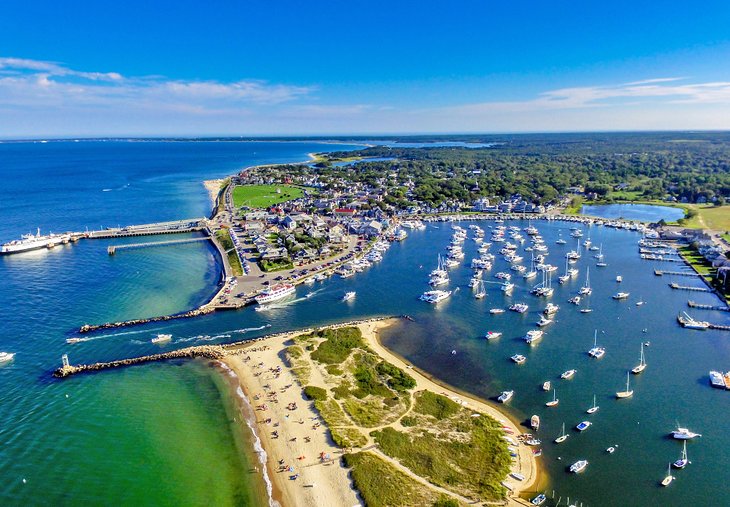
If traveling by car or bus down Cape Cod, the drive offers a transition from urban landscapes to charming suburban towns and eventually the picturesque coastal scenery of the Cape. Route 3 and Route 6 are the main arteries, occasionally offering glimpses of the ocean or passing through quaint New England villages. The real scenic beauty, however, unfolds once on the ferry. The short crossing provides refreshing sea breezes, views of the sparkling water, and the distant outline of Martha’s Vineyard gradually coming into focus. Approaching Vineyard Haven or Oak Bluffs by ferry offers iconic views of the harbors, gingerbread cottages, and bustling waterfronts, immediately immersing visitors in the island’s unique atmosphere. The air journey, while quicker, offers stunning aerial views of the Massachusetts coastline and the islands below.
Ferry Logistics and Reservations
Ferry travel is central to most trips to Martha’s Vineyard. For the Steamship Authority (the only ferry line that carries vehicles year-round), making car reservations well in advance is absolutely critical, especially for summer travel. Passenger tickets are generally easier to acquire but can still sell out during peak times. It’s advisable to arrive at the ferry terminal at least 30-45 minutes before departure, even longer if traveling with a vehicle. Parking at the ferry terminals can be limited and costly, so understanding the off-site parking options and shuttle services is important. Always check the ferry schedules and any service advisories, particularly during periods of inclement weather, as delays or cancellations can occur.
On-Island Transportation
Once on Martha’s Vineyard, navigating the island is relatively straightforward. If you brought your car, you have complete flexibility. However, for those traveling without a vehicle, the island offers several convenient options:
- Public Bus System: The Martha’s Vineyard Transit Authority (VTA) operates a comprehensive bus system connecting all major towns and attractions. It’s an affordable and efficient way to explore the island, especially during the busy summer months when traffic and parking can be challenging.
- Taxis and Ride-Shares: Taxis and limited ride-share services are available, particularly around the ferry terminals and popular towns.
- Bicycle Rentals: The island is very bike-friendly, with numerous scenic bike paths. Many visitors opt to rent bicycles for a leisurely way to get around the towns and explore certain areas.
- Scooter Rentals: Scooter rentals are another popular choice for those wanting a bit more speed than a bike without the hassle of a car.
Planning Your Martha’s Vineyard Getaway
Successfully planning your trip from Boston to Martha’s Vineyard involves more than just understanding the distance; it also means considering the best time to visit and where to stay.
Best Time to Visit
The appeal of Martha’s Vineyard shifts with the seasons.
- Summer (June-August): This is peak season, offering the warmest weather, bustling towns, and a full calendar of events and activities. However, it also means higher prices, larger crowds, and the most challenging transportation logistics for ferries and flights. Book everything far in advance.
- Spring (April-May) and Fall (September-October): These shoulder seasons are often considered the sweet spot. The weather is pleasant, crowds are thinner, and prices are more reasonable. Most businesses are open, but the pace is more relaxed. Fall, in particular, offers beautiful foliage and comfortable temperatures.
- Winter (November-March): The island becomes very quiet in winter. Many businesses close, and ferry service is reduced. This is ideal for those seeking solitude and a truly peaceful escape, but it’s not for everyone.

Accommodation Considerations
Choosing where to stay on Martha’s Vineyard significantly impacts your experience. The island offers a range of accommodations, from historic inns and charming bed & breakfasts to luxurious hotels and private vacation rentals.
- Edgartown: Known for its elegant whaling captains’ homes, upscale boutiques, and fine dining. It’s generally more formal and sophisticated.
- Oak Bluffs: Famous for its vibrant atmosphere, “gingerbread” cottages, lively harbor, and family-friendly attractions.
- Vineyard Haven: A year-round working port, offering a good mix of shops, restaurants, and a more local feel.
- Up-Island Towns (Aquinnah, Chilmark, West Tisbury, Menemsha): These areas are more rural, serene, and offer stunning natural beauty, including the famous Gay Head Cliffs in Aquinnah and the picturesque fishing village of Menemsha. Accommodation here tends to be more secluded, often in vacation rentals or boutique inns.
Booking accommodations well in advance, especially during peak season, is crucial to securing your preferred option and location.
In conclusion, while Martha’s Vineyard is not directly adjacent to Boston, the journey is a delightful part of the adventure. With a clear understanding of the distances, diverse transportation options, and careful planning, your trip from the historic streets of Boston to the enchanting shores of Martha’s Vineyard will be a smooth and memorable experience, setting the stage for an unforgettable island escape.
LifeOutOfTheBox is a participant in the Amazon Services LLC Associates Program, an affiliate advertising program designed to provide a means for sites to earn advertising fees by advertising and linking to Amazon.com. Amazon, the Amazon logo, AmazonSupply, and the AmazonSupply logo are trademarks of Amazon.com, Inc. or its affiliates. As an Amazon Associate we earn affiliate commissions from qualifying purchases.