
For avid hunters and those planning a unique outdoor tourism experience, understanding the nuances of deer season in Louisiana is paramount. Far from a single, uniform closing date, the end of deer season in the Pelican State is a carefully calibrated system, influenced by geography, hunting method, and the specific conservation goals of the Louisiana Department of Wildlife and Fisheries (LDWF). This intricate framework ensures both sustainable wildlife management and diverse opportunities for hunters, making Louisiana a distinctive destination for deer tourism.
The allure of Louisiana for hunters extends beyond its generous seasons; it’s deeply rooted in the state’s rich natural landscapes, from the sprawling pine forests of the north to the cypress-tupelo swamps of the south. This diversity in habitat translates directly into varied hunting experiences and, consequently, a segmented approach to season dates. For any prospective visitor or local seeking to engage in this deeply ingrained outdoor activity, a comprehensive grasp of these regulations is the first step towards a successful and responsible hunt.
Navigating Louisiana’s Deer Hunting Zones
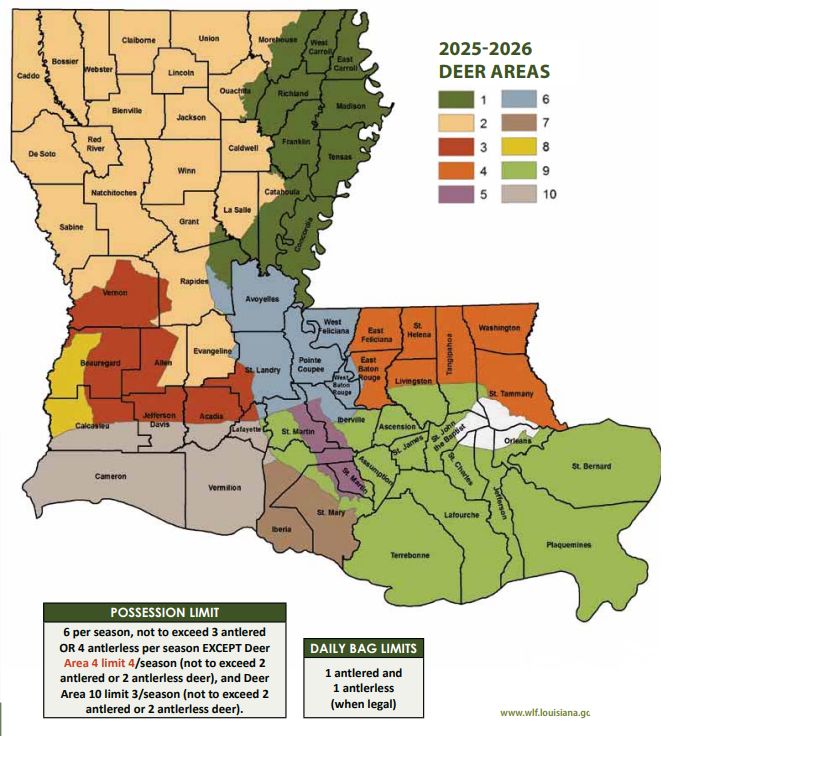
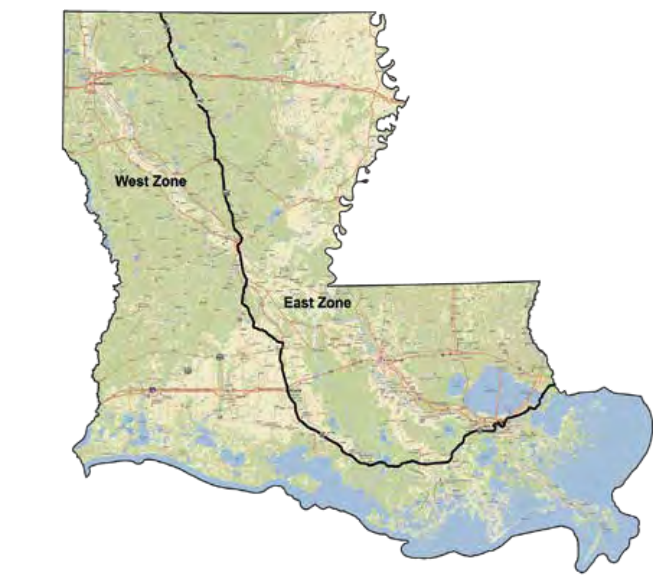
Louisiana’s deer hunting regulations are primarily structured around distinct zones, each with its own set of rules regarding season dates, bag limits, and permissible hunting methods. This zonal approach is a strategic move by the LDWF to manage deer populations effectively across varied ecological regions and ensure long-term sustainability. Hunters must identify which zone their intended hunting grounds fall within, as this will directly dictate when deer season ends for them.
Understanding the Zonal System
The state is broadly divided into several hunting areas, typically labeled numerically (e.g., Area 1, Area 2, Area 3, Area 4, Area 6). While the specific boundaries can be intricate and are best viewed on official LDWF maps, they generally segment the state based on environmental factors, deer population densities, and land use patterns. For instance, northern parishes, often characterized by pine forests and agricultural lands, may have different season structures compared to the marshy regions closer to the Gulf Coast or the dense bottomland hardwoods along the Mississippi River basin.
These zones are not arbitrary; they reflect the LDWF’s commitment to data-driven wildlife management. By tailoring regulations to specific areas, they can address localized challenges such as overpopulation in certain regions or the need for population growth in others. For the tourism sector, this means that even if one area’s season has concluded, another might still offer opportunities, extending the potential window for hunting-related visits.
Typical Season End Dates by Zone
While specific dates are subject to annual review and official publication by the LDWF, general patterns emerge each year regarding when deer season ends in Louisiana. Typically, seasons can extend from early October through mid-February, depending on the zone and method. For example, primitive firearms and modern firearms seasons often conclude in late January or early February in many northern and central zones, whereas archery seasons might stretch slightly longer, sometimes into mid-February. Areas closer to the coast or in the southern regions might have slightly different timelines due to unique environmental conditions.
It’s crucial to remember that these are general trends. The precise closing dates for each zone and hunting method are meticulously outlined in the annual Louisiana Hunting and Fishing Regulations pamphlet, available both online through the LDWF website and at license vendors across the state. Consulting the current year’s regulations is the only definitive way to ascertain the exact end date for a planned hunt.
Key Dates and Method-Specific Season Endings
Beyond geographical zones, the method of hunting significantly influences when deer season concludes in Louisiana. The state thoughtfully accommodates different hunting traditions, offering distinct seasons for archery, primitive firearms, and modern firearms. Each of these methods typically has its own opening and closing dates, designed to manage hunting pressure and provide varied experiences.
Archery Season: A Long Window for Bowhunters
Archery season generally offers the longest window for deer hunting in Louisiana, often beginning in early October and, in some zones, extending well into mid-February. This extended period provides bowhunters with ample opportunity to pursue deer before and concurrently with other hunting methods. The relatively quiet and stealthy nature of bowhunting is often seen as having less impact on deer populations, allowing for a more prolonged season. For tourism, this longer season means that hunting lodges and outfitters catering to bowhunters can potentially operate for an extended period, contributing to local economies for a greater portion of the fall and winter.
Primitive Firearms Season: Honoring Tradition
The primitive firearms season, which typically includes muzzleloaders and other single-shot weapons, usually follows the archery season and precedes or overlaps with the modern firearms season. These seasons are designed to honor traditional hunting methods and offer a unique challenge. While shorter than archery season, primitive firearms seasons provide a distinct opportunity, often spanning several weeks in November, December, and into January, depending on the zone. The exact end dates for primitive firearms will vary by zone, but they often conclude shortly before or in tandem with the modern firearms season.
Modern Firearms Season: The Peak of the Hunt

Modern firearms season is often the most anticipated and busiest period for deer hunting in Louisiana. These seasons are typically shorter and more intensely managed than archery seasons, reflecting the higher efficiency of modern weaponry. In most zones, modern firearms season will run from mid-November through late January or early February. The precise end date is critical and strictly enforced, as it marks the culmination of the main hunting effort for many. It’s during this peak season that many hunting camps are fully operational, drawing visitors from across the region and beyond, significantly boosting local tourism. Understanding these precise closing dates for modern firearms is essential for planning, especially given the increased competition for hunting spots during this time.
Planning Your Louisiana Hunting Trip: Beyond the Dates
While knowing when deer season ends is fundamental, a successful and responsible hunting trip in Louisiana involves considerably more than just dates. Effective planning incorporates understanding regulatory requirements, choosing appropriate locations, and considering the broader economic and cultural context of hunting in the state. For tourists, this involves immersing oneself in the unique outdoor culture Louisiana offers.
Licenses, Permits, and Hunter Education
Every hunter, resident or non-resident, must possess a valid hunting license. Additionally, specific deer tags are required for harvesting deer. Non-residents will find that license fees are higher, reflecting their status as visitors utilizing state resources. Critically, anyone born on or after September 1, 1969, must complete an approved hunter education course to hunt in Louisiana. These requirements are non-negotiable and are part of the state’s efforts to promote safety and responsible hunting practices. Many visitors combine their hunting trip with the opportunity to complete such courses, viewing it as an integral part of their outdoor tourism experience. The LDWF website provides comprehensive information on how to obtain licenses and find hunter education courses.
Public vs. Private Lands and Outfitters
Louisiana offers a mix of public and private land hunting opportunities. Public lands, such as Wildlife Management Areas (WMAs) and portions of Kisatchie National Forest, provide accessible hunting but often come with more restrictive regulations and higher hunter pressure. Each WMA will have its own specific deer season dates and rules, which can vary from the statewide zones. For example, a WMA might have a special youth hunt or a different end date for its primitive firearms season.
Private lands, which constitute a significant portion of Louisiana’s hunting territory, typically offer more control and potentially higher success rates but require permission from landowners or membership in a hunting club. For those traveling to Louisiana specifically for hunting, engaging a reputable outfitter or guide service is often the best approach. These professionals have intimate knowledge of local regulations, access to prime hunting lands, and can provide all necessary equipment and logistical support. This service-based hunting tourism contributes significantly to rural economies, particularly in regions like Acadiana or the piney woods of northern Louisiana, where outdoor recreation is a pillar of the local lifestyle.
Staying Updated with LDWF Announcements
The LDWF is the authoritative source for all hunting regulations and season dates. While general patterns remain consistent, minor adjustments can occur annually based on biological surveys, habitat conditions, and other factors. Hunters are strongly advised to consult the most current version of the Louisiana Hunting and Fishing Regulations, typically published in late summer or early fall before the seasons commence. Checking the LDWF website regularly for updates, particularly for specific WMAs or special hunts, is a critical step in responsible trip planning. This proactive approach ensures compliance and a smooth, enjoyable hunting experience, enhancing the overall tourism appeal of hunting in the state.
The Broader Impact of Deer Hunting on Louisiana Tourism
Deer hunting in Louisiana is more than just a recreational activity; it’s a significant component of the state’s tourism economy and cultural identity. The annual pilgrimage of hunters, both local and from afar, has a ripple effect that extends far beyond the woods and into numerous sectors of the state’s life.
Boosting Rural Economies
When deer season ends, it marks the conclusion of a period that brings substantial economic activity to Louisiana’s rural communities. Hunters spend money on licenses, equipment, fuel, food, lodging, and services from guides and outfitters. Small towns that might otherwise see less traffic during the colder months experience a surge in business, supporting local restaurants, general stores, and accommodations. This direct injection of capital is vital for these communities, sustaining jobs and contributing to the overall economic well-being of regions outside major metropolitan areas like New Orleans or Baton Rouge. The duration of the deer season, therefore, directly influences the length of time these communities can benefit from this seasonal influx.
Preserving a Louisiana Tradition
Hunting, particularly deer hunting, holds a cherished place in Louisiana’s cultural heritage. It’s a tradition passed down through generations, connecting individuals to the land, to nature, and to their families. For many, the end of deer season is not just a regulatory deadline but a moment for reflection on shared experiences and memories made in the field. Promoting and regulating deer hunting responsibly ensures that this vital part of Louisiana’s local culture continues for future generations. It attracts tourism that seeks to engage with authentic regional practices and lifestyles.
Conservation and Sustainable Management
The LDWF’s detailed zonal and method-specific season endings are not arbitrary restrictions but rather instruments of conservation. By carefully managing when and how deer can be harvested, the state ensures healthy deer populations and balanced ecosystems. Hunting license fees and excise taxes on hunting equipment directly fund wildlife conservation efforts, habitat restoration, and biological research. Therefore, every hunter participating in Louisiana’s deer season is contributing to the long-term sustainability of the state’s natural resources. Understanding when deer season ends is not merely about compliance; it’s about being an active participant in Louisiana’s commitment to wildlife stewardship and responsible outdoor tourism.
In conclusion, knowing precisely when deer season ends in Louisiana requires a thorough understanding of the state’s zonal system, hunting method-specific dates, and the annual regulations published by the LDWF. For those seeking an enriching outdoor experience, Louisiana offers a diverse and carefully managed deer hunting landscape, underscoring its appeal as a premier destination for hunting tourism.
LifeOutOfTheBox is a participant in the Amazon Services LLC Associates Program, an affiliate advertising program designed to provide a means for sites to earn advertising fees by advertising and linking to Amazon.com. Amazon, the Amazon logo, AmazonSupply, and the AmazonSupply logo are trademarks of Amazon.com, Inc. or its affiliates. As an Amazon Associate we earn affiliate commissions from qualifying purchases.