
Summer break in California is a much-anticipated period, symbolizing freedom, family time, and the pursuit of leisure under the golden sun. For families residing in or planning to visit the Golden State, understanding the typical duration of this annual hiatus is crucial for effective lifestyle planning, especially when it comes to orchestrating memorable family trips, managing budgets, and balancing parental responsibilities. While the image of endless summer days prevails, the reality is that the length of summer break in California can vary significantly, usually spanning between 8 to 12 weeks, depending on various factors from school district policies to educational models. This period profoundly influences the rhythm of life, offering a unique window for Californians to embrace diverse experiences, from cross-country adventures to local explorations.
Understanding California’s School Calendar: The Foundation of Summer Break
The foundation of summer break’s length in California is primarily determined by the state’s intricate and diverse educational system. Unlike a universally fixed national schedule, school calendars are largely set at the district level, leading to noticeable variations across the state. This decentralization allows for adaptability to local needs and traditions but also creates a patchwork of start and end dates that require careful consideration for families planning their summers.
Public vs. Private Schools: Key Differences
One of the most significant factors influencing the duration of summer break is whether a student attends a public or private institution.
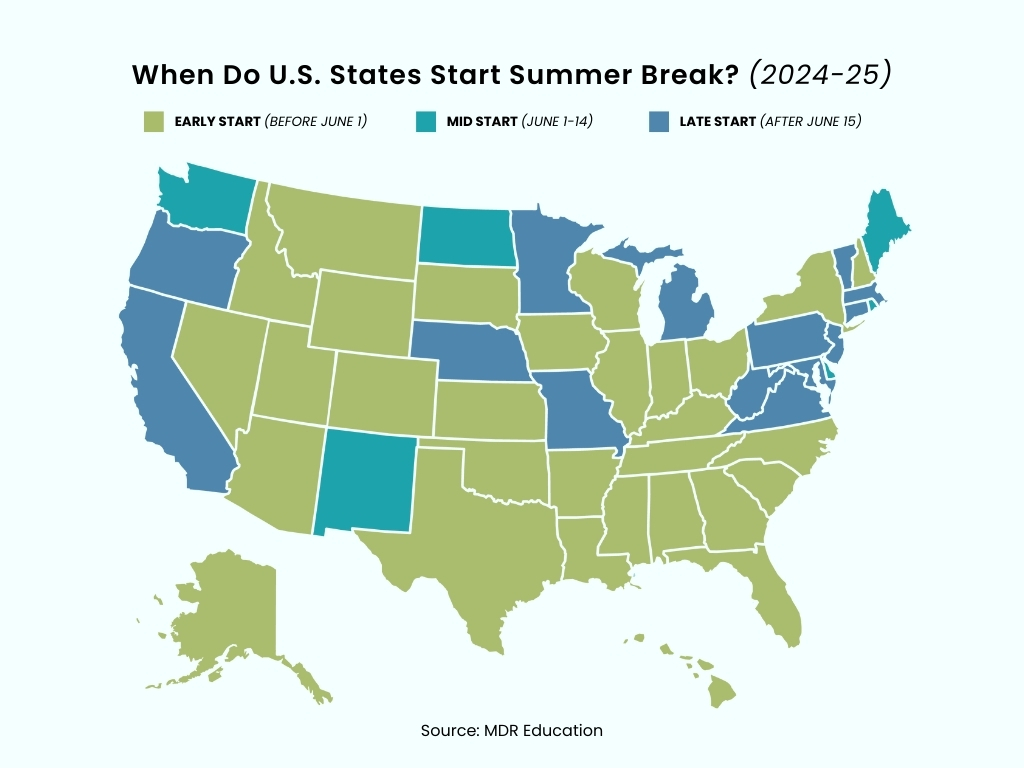
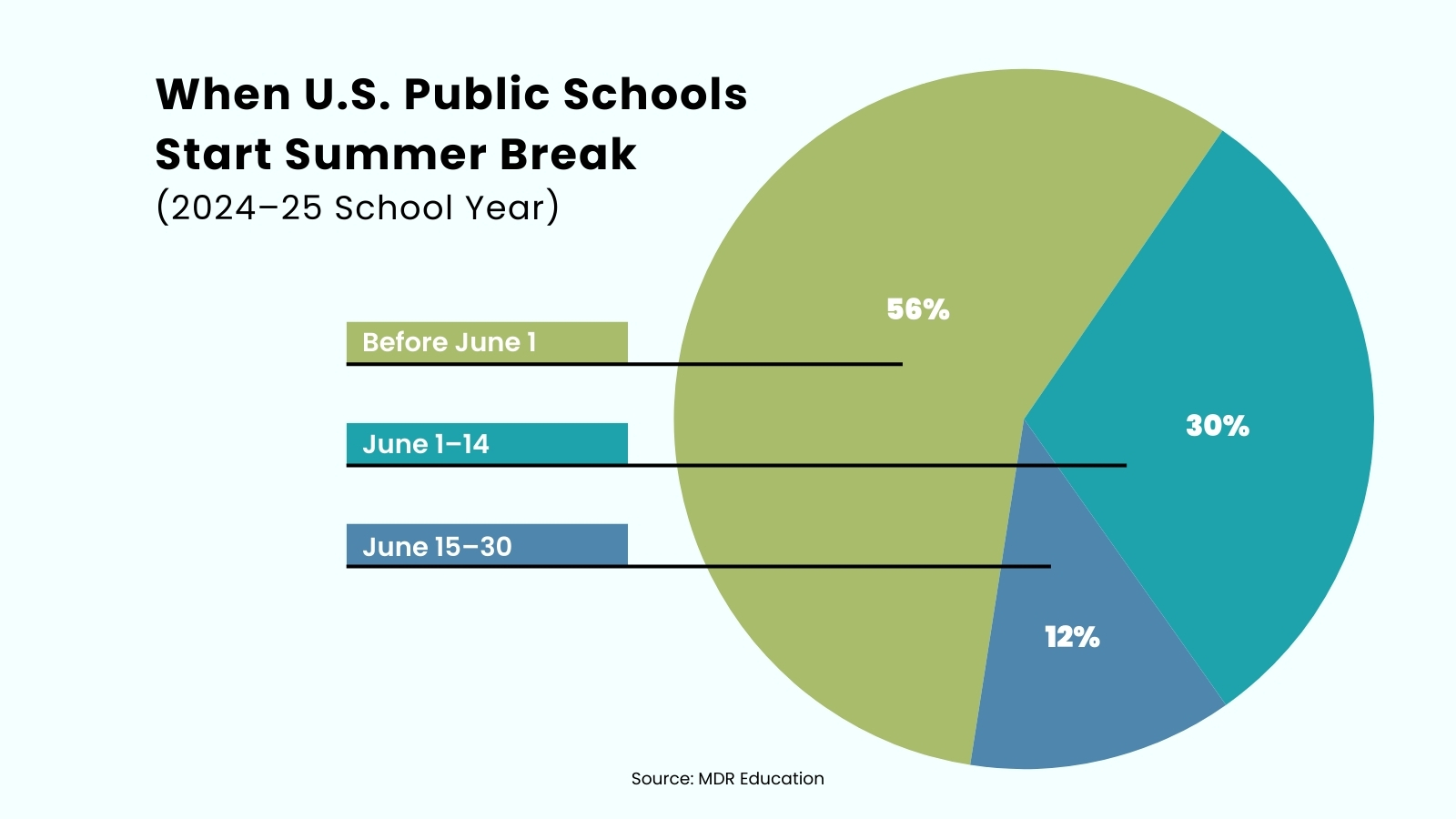
Public Schools: The vast majority of students in California attend public schools, which operate under the governance of local school districts. Districts like the Los Angeles Unified School District (LAUSD) or the San Diego Unified School District typically adhere to a calendar that sees schools break for summer in late May or early June and resume classes in mid to late August. This generally results in a summer break lasting around 10 to 11 weeks. These schedules are often influenced by state-mandated instructional days, testing schedules, and local community preferences. Some districts, particularly those in warmer inland regions, might adopt an earlier start and end to the school year to avoid peak summer heat, while others, especially along the coast, may have slightly later starts.
Private Schools: Private schools in California, free from some of the public-school regulations, often have greater flexibility in setting their academic calendars. While many align closely with public school schedules, some may offer slightly shorter or longer breaks. For instance, some private institutions might begin their summer break a week earlier or extend it by a week, potentially offering a 12-week summer. This flexibility can be a deciding factor for families whose lifestyle or travel plans require a different timeline, especially those pursuing specific academic enrichment programs or international travel experiences during the summer.
Regional Variations Across the Golden State
California’s immense geographical and cultural diversity also plays a role in summer break timing.
Northern California: In areas like San Francisco, Oakland, or Sacramento, school districts generally follow the late May/early June to mid-August pattern. However, specific districts might have minor variations based on local agricultural cycles, historical precedents, or even efforts to align with nearby University of California or California State University schedules.
Southern California: From Los Angeles down to San Diego, the general trend for public schools is a summer break starting around the first week of June and concluding in mid-August. Coastal cities might maintain this schedule consistently, while inland areas like the Palm Springs region might adjust slightly to account for extreme summer temperatures, sometimes opting for a longer summer break to mitigate the need for extensive air conditioning in schools.
Year-Round Schools: A less common but important variation is the year-round school calendar. These schools typically feature shorter, more frequent breaks throughout the year rather than one long summer vacation. While not the norm, some districts use this model to maximize facility use and potentially reduce learning loss. For families in these districts, “summer break” might be fragmented into several shorter periods, requiring a completely different approach to lifestyle planning and family travel.
The Lifestyle Impact of Summer Break Duration
The length of summer break in California profoundly shapes the lifestyle choices of families and individuals, influencing everything from vacation planning to daily routines. A 10-week break versus an 8-week break can make a substantial difference in what is achievable and how resources are allocated.
Planning Family Trips: Short Escapes vs. Extended Adventures
The duration of summer break is the primary determinant for the scope and style of family trips.
Short Escapes (8-9 weeks): For families with a shorter summer break, the emphasis often shifts towards more localized or condensed travel experiences. These might include weekend getaways to nearby attractions like Disneyland Resort in Anaheim, a few days exploring Yosemite National Park, or a week-long beach vacation in Santa Barbara. Budget travel becomes more appealing as shorter trips generally incur lower overall costs, allowing families to enjoy multiple smaller adventures rather than one large one. This also enables parents with limited vacation time to maximize their days off effectively.
Extended Adventures (10-12 weeks): A longer summer break opens up opportunities for more ambitious travel plans. Families can embark on cross-state road trips, exploring the diverse landscapes from the redwoods of Northern California to the deserts of the south. International travel becomes a viable option, allowing for longer stays and deeper cultural immersion. This extended period also accommodates more luxurious travel options, such as extended stays at resorts near Lake Tahoe or multi-city tours without the rush. The extra weeks provide a buffer for relaxation, unexpected detours, and the ability to truly decompress, which is a hallmark of a lifestyle focused on rich experiences.
Budgeting for Summer Fun: Navigating Financial Realities
Financial planning is intrinsically linked to the length of summer break. A longer break, while offering more freedom, also necessitates a more extensive budget for activities, childcare, and travel.
Budget Travel: Many families leverage the summer break for budget-friendly activities. This can involve camping trips, exploring free local attractions like the Hollywood Walk of Fame or Griffith Observatory, or utilizing public parks and beaches. Parents often seek out free or low-cost summer programs to keep children engaged without breaking the bank. Meal planning at home and packing lunches for outings become essential strategies.
Luxury Travel: For those with more flexible budgets, the longer summer break is an ideal time for luxury travel. This might involve staying at high-end resorts, indulging in exclusive experiences like private tours of Universal Studios Hollywood, or extended stays in vacation rentals in desirable locations like Malibu. The ability to spread costs over a longer period or consolidate expenses into one grand trip is a key aspect of this lifestyle. Regardless of the budget, careful financial planning months in advance is critical to ensure a stress-free and enjoyable summer.
Embracing California’s Summer Lifestyle
Beyond trips and vacations, the extended summer break shapes daily life and community engagement across California. It’s a time when cities and towns come alive with outdoor activities, and families adjust their routines to capitalize on the warmer weather and longer daylight hours.
Local Exploration and Community Engagement
A significant aspect of the California summer lifestyle revolves around local exploration and community involvement. Even without extensive travel, the break provides ample time for families to delve into their immediate surroundings. Children enroll in local summer camps, ranging from sports to arts and sciences, fostering community bonds and skill development. Public libraries often host reading challenges and events, while community centers offer workshops and recreational activities. Families frequent local parks, hiking trails, and the state’s numerous beaches, like those near the Santa Monica Pier or in Orange County, enjoying picnics, swimming, and outdoor sports. This focus on local engagement is particularly prevalent during shorter breaks or for families prioritizing budget travel, transforming everyday environments into vibrant playgrounds.
Balancing Work and Family: A Parental Perspective
For working parents, summer break often presents a unique challenge in balancing professional responsibilities with childcare and family time. The 8 to 12-week duration requires thoughtful planning and often creative solutions.
Flexible Work Arrangements: Many parents in California leverage flexible work options, such as remote work, compressed workweeks, or staggered schedules, to manage childcare during the summer. Some may take extended leave, while others coordinate with partners or other family members to cover childcare needs. The rise of “business stays” has also seen some parents combine work and family travel by finding accommodations that allow for productive remote work while children engage in vacation activities nearby.
Childcare Solutions: For families where both parents work outside the home, securing reliable and engaging childcare for the entire summer break is a major undertaking. This includes summer camps, daycare programs, or hiring nannies or babysitters. The cost and availability of these services can significantly impact a family’s summer budget and overall lifestyle planning. The longer the break, the more extensive and potentially costly these arrangements become, requiring foresight and early booking.
Maximizing Your California Summer Break
Understanding the length and implications of summer break in California is the first step toward crafting an unforgettable and enriching experience. Whether you have 8 weeks or 12, strategic planning can transform a simple break into a highlight of the year.
Tips for an Unforgettable Family Summer
To maximize the California summer break, consider these tips:
- Plan Ahead: Research school calendars early to know your exact break dates. Book popular attractions, accommodations, and summer camps well in advance, especially for destinations like San Francisco or Los Angeles.
- Mix It Up: Combine larger family trips with smaller, local excursions and plenty of downtime at home. This prevents burnout and caters to different interests and energy levels.
- Set a Budget: Determine your summer spending limits early and allocate funds for travel, activities, and unexpected treats. This can involve choosing between luxury travel and more budget-friendly options.
- Embrace Flexibility: While planning is good, leave room for spontaneity. Some of the best summer memories are made during unplanned adventures.
- Involve the Kids: Let children participate in planning activities. This fosters enthusiasm and helps them take ownership of their summer experiences.

The Evolving Landscape of Summer Education and Recreation
The concept of summer break is continually evolving, with an increasing emphasis on balancing relaxation with enrichment. Many families now look for educational opportunities that are fun and engaging, such as science museums, historical sites like the Golden Gate Bridge, or nature conservatories. The summer break in California, whether 8 weeks or 12, remains a cherished institution—a time for families to reconnect, explore, and create lasting memories against the backdrop of one of America’s most diverse and vibrant states. By understanding its nuances, families can tailor their summers to perfectly fit their lifestyle, budget, and travel aspirations.
LifeOutOfTheBox is a participant in the Amazon Services LLC Associates Program, an affiliate advertising program designed to provide a means for sites to earn advertising fees by advertising and linking to Amazon.com. Amazon, the Amazon logo, AmazonSupply, and the AmazonSupply logo are trademarks of Amazon.com, Inc. or its affiliates. As an Amazon Associate we earn affiliate commissions from qualifying purchases.