
The question “How far is Mexico from Texas?” is deceptively simple, yet its answer unfolds into a complex tapestry of geography, travel logistics, and the diverse experiences that await those bridging these two vibrant regions. For travelers, the proximity between these neighboring entities is a significant draw, making cross-border exploration accessible and appealing. Understanding the distances involved, however, requires looking beyond mere mileage and considering the various entry points, modes of transport, and the varying landscapes that separate and connect Texas and Mexico.
Navigating the Border: Proximity and Entry Points
The border between Texas and Mexico stretches for over 1,200 miles, a vast expanse punctuated by numerous official ports of entry. This extensive shared frontier means that the distance to Mexico from any given point in Texas is highly variable. For instance, a resident of El Paso, Texas, is practically on the doorstep of Ciudad Juárez, Mexico. The border crossing here is a daily reality for many, with the distance being a matter of mere blocks or a short drive across the Rio Grande.
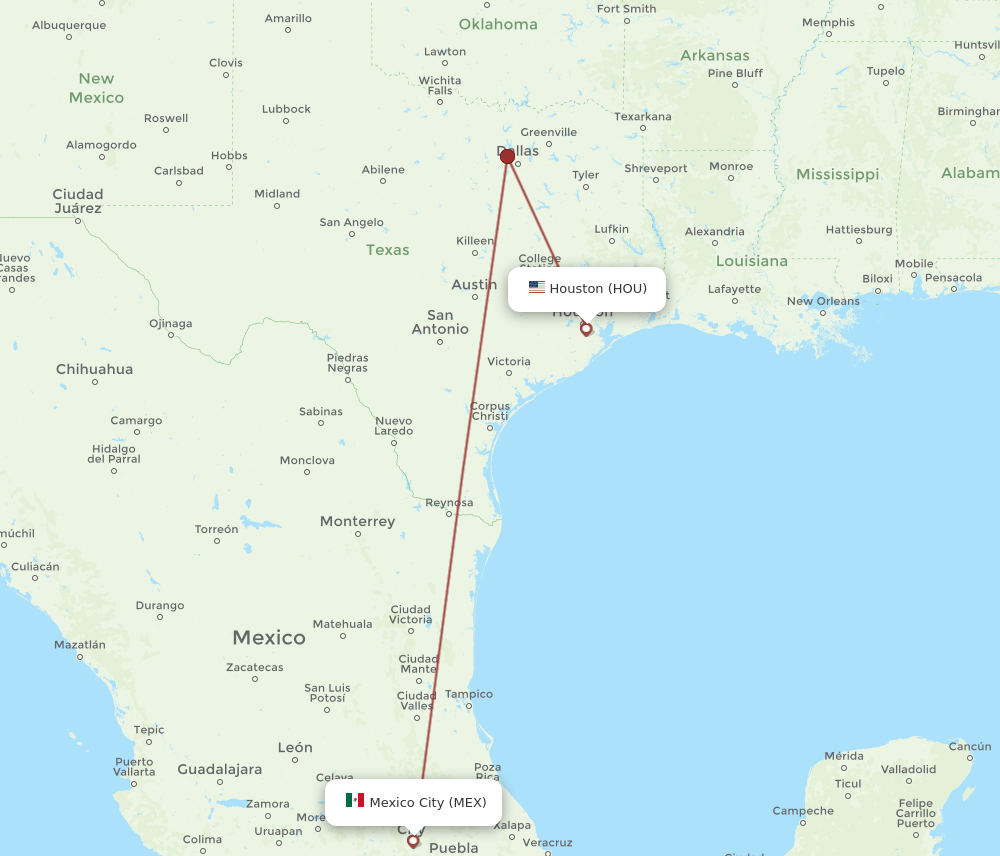
Conversely, a journey from Houston, Texas, to a popular Mexican destination like Cancún involves a much more significant distance. This journey typically necessitates air travel, with flight times around three hours, covering approximately 1,100 miles as the crow flies. The perceived distance also depends on the traveler’s ultimate destination within Mexico. Heading to Monterrey from, say, San Antonio is a considerably shorter undertaking than venturing to the Yucatán Peninsula.
Key Border Crossings and Their Significance
The numerous international bridges and border crossings serve as vital arteries for commerce, tourism, and cultural exchange. Some of the most prominent include:
- El Paso / Ciudad Juárez: This is one of the busiest land border crossings in the world, facilitating significant movement of people and goods daily. For travelers from western Texas, it’s the most direct gateway into northern Mexico.
- Laredo / Nuevo Laredo: Another critical hub, particularly for commercial trucking and travelers heading towards central and eastern Mexico. The distance from south Texas cities like Corpus Christi to this crossing is manageable, opening up routes to destinations like Monterrey.
- Brownsville / Matamoros: This crossing in the southernmost tip of Texas provides access to the Gulf Coast of Mexico, including areas popular for fishing and beach getaways.
The time taken to cross can vary dramatically based on traffic, time of day, and the specific port of entry. While some crossings can be cleared in minutes, others, especially during peak travel times, can involve hours of waiting. This makes pre-trip planning, including checking border wait times, an essential part of the travel process.
Travel Times and Modes of Transport
The “how far” question is inextricably linked to the “how to get there.” Texas and Mexico offer a range of transportation options, each with its own time implications.
Driving Across the Border
For those residing in regions of Texas close to the border, driving is a popular and feasible option. Cities like San Antonio are roughly a 3-4 hour drive from the Laredo crossing, opening up access to Mexico’s northern states. Similarly, from Houston, reaching the Brownsville crossing takes about 5-6 hours. Once across the border, driving further into Mexico is a common mode of exploration, though it requires familiarity with Mexican driving laws, road conditions, and often involves longer travel times due to varying speed limits and road infrastructure.
The journey from the Texas border towns to popular tourist destinations like Cancún would involve days of driving, making it a road trip adventure rather than a quick transit. For example, driving from Monterrey to Cancún is a journey of over 20 hours.
Air Travel to Mexico
For most travelers originating from major Texas cities like Dallas, Fort Worth, Houston, or Austin, flying is the most efficient way to reach popular Mexican destinations.
- Dallas/Fort Worth to Mexico City: Approximately 2.5-hour flight.
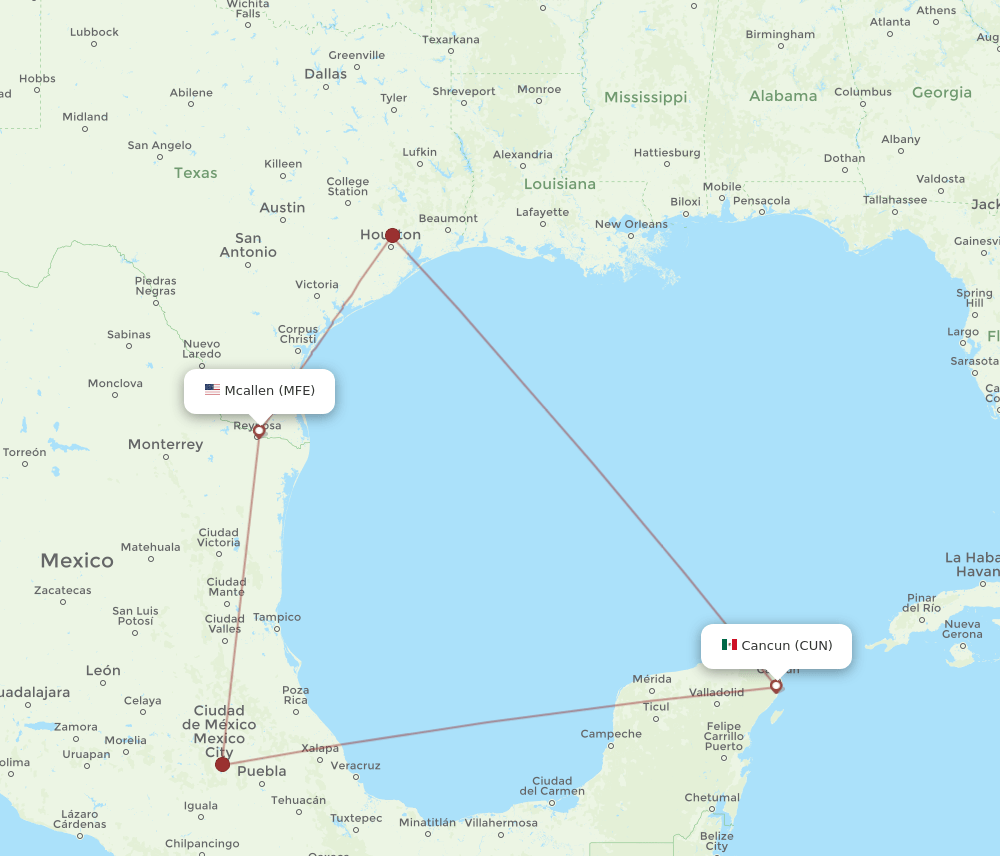
- Houston to Cancún: Approximately 3-hour flight.
- Austin to Puerto Vallarta: Approximately 3.5-hour flight.
These direct flights make distant Mexican cities feel much closer, significantly reducing travel time compared to driving. Many travelers opt to fly into a major Mexican hub and then use domestic flights or ground transportation to reach their final destination.
Bus and Rail Services
While less common for longer distances between major Texas cities and distant Mexican resorts, bus services are prevalent for border crossings and shorter regional travel within Mexico. Companies like Greyhound and various Mexican bus lines offer cross-border services. Rail travel is limited for direct passenger routes between Texas and most of Mexico, with freight rail being more dominant.
Understanding the “Distance” in Travel Experience
The true distance between Texas and Mexico is also measured in the cultural and experiential shifts that occur upon crossing the border. While geographically close, the transition can be profound, offering a rich array of new sights, sounds, tastes, and traditions.
The Cultural Proximity and Contrast
Texas itself boasts a significant Hispanic heritage, meaning that many aspects of Mexican culture are already present and appreciated within the state. However, traveling into Mexico offers a deeper immersion. From the bustling markets of Oaxaca to the ancient ruins of the Maya civilization, the experiences are distinctly Mexican.
The “distance” here is about the journey of discovery. A traveler starting in a Texan city might find themselves exploring colonial architecture in Guanajuato, savoring authentic regional cuisine, or experiencing vibrant local festivals that are a world away from their starting point, despite the relatively short geographical span.

Planning Your Journey: Practical Considerations
When contemplating the distance and planning a trip from Texas to Mexico, several practical aspects come into play:
- Documentation: Ensure you have valid passports or appropriate border crossing cards. For drivers, international driving permits, vehicle registration, and Mexican auto insurance are crucial.
- Currency: While US dollars are accepted in many tourist areas, having Mexican Pesos is essential for smaller towns and local transactions.
- Safety and Travel Advisories: It’s prudent to check current travel advisories from your respective government and research the safety conditions of your intended destinations within Mexico.
- Accommodation: Mexico offers a vast spectrum of accommodations, from luxury resorts in Cancún and Los Cabos to boutique hotels in historic cities and budget-friendly guesthouses. Booking in advance, especially during peak seasons, is highly recommended.
- Health: Consult your doctor about any recommended vaccinations or health precautions. Travel insurance is also advisable.
Ultimately, the distance from Texas to Mexico is a dynamic concept. It can be as short as a few miles for a spontaneous day trip or span thousands of miles and days of travel for an in-depth exploration. The accessibility and variety of experiences make this proximity a cherished asset for many, inviting adventure and discovery just beyond the border.
LifeOutOfTheBox is a participant in the Amazon Services LLC Associates Program, an affiliate advertising program designed to provide a means for sites to earn advertising fees by advertising and linking to Amazon.com. Amazon, the Amazon logo, AmazonSupply, and the AmazonSupply logo are trademarks of Amazon.com, Inc. or its affiliates. As an Amazon Associate we earn affiliate commissions from qualifying purchases.