
September in Alaska is a captivating paradox. It’s a month where the vibrant greens of summer begin to yield to the fiery hues of autumn, and the days, though shortening, still offer ample opportunity for exploration. This shoulder season brings a unique blend of lingering warmth and the first whispers of winter’s chill, making it a prime time for travelers seeking fewer crowds and stunning natural beauty. However, this transitional period also presents a sartorial challenge: what exactly does one pack for Alaska in September? The key lies in embracing a layered approach, prioritizing versatility, and understanding that comfort and preparedness are paramount for an unforgettable Alaskan adventure.

The Art of Layering: Your September Alaskan Wardrobe Foundation
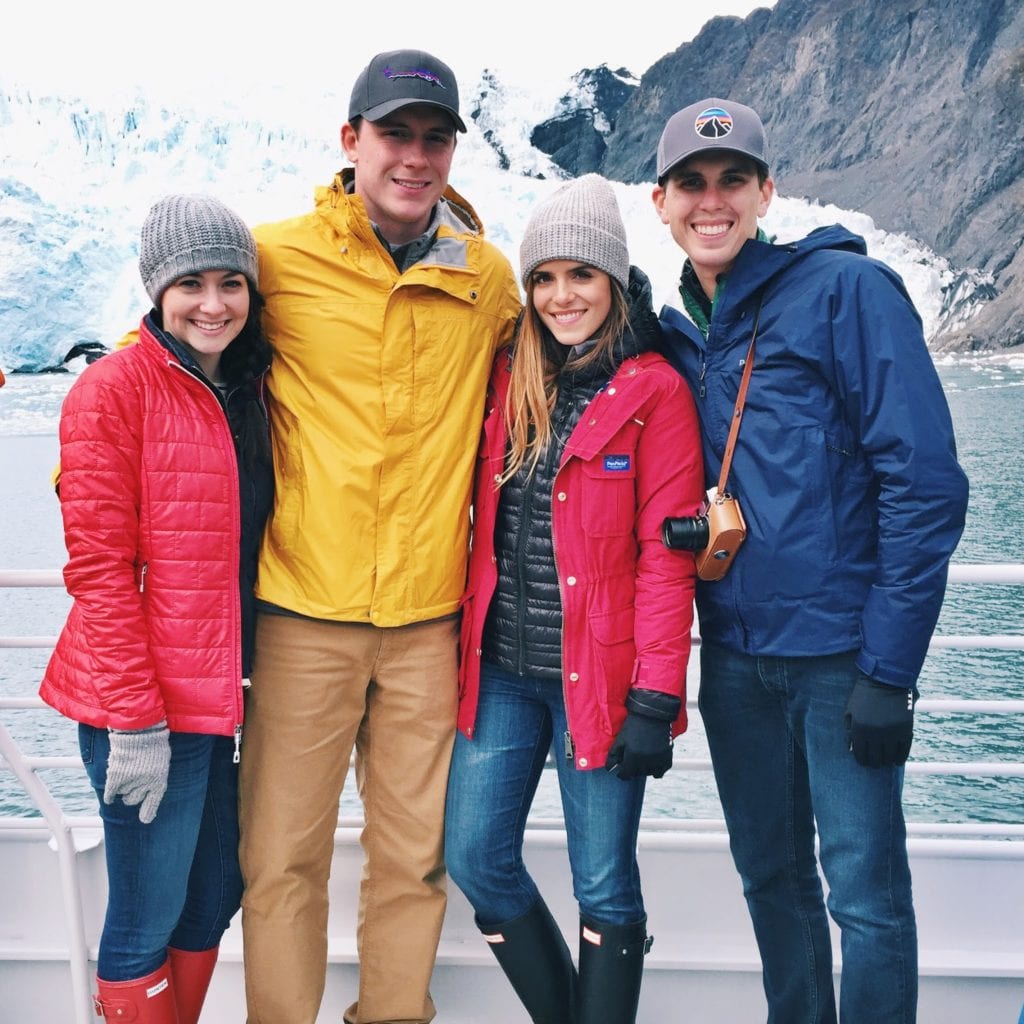
The cornerstone of any successful Alaskan packing list, especially for September, is the art of layering. The weather can fluctuate dramatically within a single day, from crisp, sunny mornings to cool, breezy afternoons and potentially chilly evenings. A well-executed layering system allows you to adapt to these changes seamlessly, ensuring you remain comfortable whether you’re hiking through Denali National Park and Preserve, cruising along the Inside Passage, or exploring the charming streets of Juneau.
Base Layers: The First Line of Defense
Your base layer should be moisture-wicking to draw sweat away from your skin, keeping you dry and warm. Merino wool and synthetic fabrics are excellent choices. Avoid cotton at all costs, as it retains moisture and can leave you feeling cold and clammy.
- Merino Wool Tops: Pack several long-sleeved merino wool tops. These are lightweight, naturally odor-resistant, and provide excellent insulation. Consider a mix of weights – a lighter weight for milder days and a mid-weight for cooler excursions.
- Moisture-Wicking Leggings: Similar to tops, opt for merino wool or synthetic leggings as your base layer for your legs. These are ideal for hiking, exploring, or simply adding an extra layer of warmth under your outer pants.
Mid Layers: Insulation for Warmth
The mid-layer is responsible for trapping body heat and providing insulation. This is where you can adjust your warmth based on the conditions.
- Fleece Jacket or Pullover: A mid-weight fleece jacket or pullover is a versatile and essential item. It’s breathable, warm, and dries relatively quickly. Look for options with a full zip for easy ventilation.
- Lightweight Down or Synthetic Insulated Jacket: A packable down or synthetic insulated jacket is invaluable for colder days or evenings. It provides significant warmth without adding much bulk, making it easy to compress and stow in your backpack when not in use. This is particularly useful for early morning wildlife viewing or boat tours.
- Wool Sweater: A classic wool sweater can also serve as an excellent mid-layer, offering superb warmth and a touch of timeless style.
Outer Layers: Protection from the Elements
Your outer layers are your shield against wind, rain, and snow. These should be both waterproof and windproof to keep you dry and protected from the elements.
- Waterproof and Windproof Jacket (Hardshell): This is perhaps the most critical piece of outerwear. Invest in a high-quality, breathable hardshell jacket with a hood. Look for features like sealed seams and adjustable cuffs to maximize protection. This will be your primary defense against Alaskan rain and wind.
- Waterproof and Windproof Pants: Don’t forget your legs! Waterproof and windproof pants are essential for hiking, fishing, or any activity where you might encounter wet conditions. Full-length side zippers can make them easy to put on and take off over hiking boots.
Footwear and Accessories: Crucial for Comfort and Safety
Your feet and extremities are often the first to feel the cold and discomfort. Proper footwear and carefully selected accessories can make all the difference in your enjoyment of Alaska in September.
Footwear: Keeping Your Feet Happy and Dry
- Waterproof Hiking Boots: A sturdy pair of waterproof hiking boots with good ankle support is non-negotiable. Ensure they are broken in before your trip to avoid blisters. They should be comfortable for long days of walking and capable of handling varied terrain.
- Comfortable Walking Shoes or Sneakers: For less strenuous activities or exploring towns like Anchorage or Seward, a comfortable pair of waterproof walking shoes or sneakers is a good option.
- Warm Socks: Pack plenty of wool or synthetic socks. Avoid cotton socks. Consider bringing a few pairs of thicker, insulated socks for colder days or evenings. Liner socks can also help wick away moisture and prevent blisters.
- Waterproof Gaiters: If you anticipate hiking in potentially snowy or muddy conditions, gaiters can be a lifesaver, keeping snow and water out of your boots.
Accessories: The Finishing Touches
- Warm Hat (Beanie): A wool or fleece beanie is essential for retaining body heat. Choose one that covers your ears.
- Gloves or Mittens: Waterproof and insulated gloves or mittens will keep your hands warm and dry. Consider bringing a thinner pair for dexterity and a warmer, waterproof pair for more exposed activities.
- Scarf or Neck Gaiter: A fleece or wool scarf or neck gaiter provides essential warmth and protection for your neck and face, especially in windy conditions. A neck gaiter can be particularly versatile, acting as a mask or headband as well.
- Sunglasses: Even in September, the sun can be bright, especially if there’s snow or if you’re near water.
- Sunscreen and Lip Balm with SPF: The Alaskan sun, though less intense than in summer, can still cause sunburn, particularly at higher altitudes or near reflective surfaces.
- Insect Repellent: While mosquito season is largely over by September, biting flies can still be present, especially in wooded areas or near water. It’s wise to pack some repellent just in case.
- Backpack: A comfortable daypack is essential for carrying your layers, water, snacks, camera, and other essentials during your daily excursions. Look for one with water-resistant properties.
Specific Considerations for September Alaskan Activities
The types of activities you plan to undertake in Alaska during September will influence your packing choices. This is a month where you might experience a wide range of conditions, so a versatile wardrobe is key.
Exploring National Parks and Wilderness Areas
If your itinerary includes extensive time in Denali National Park and Preserve, Kenai Fjords National Park, or other wilderness areas, focus on sturdy, comfortable, and weather-resistant gear.
- Hiking: Prioritize your waterproof hiking boots, moisture-wicking base layers, insulating mid-layers, and a reliable waterproof outer shell. Trekking poles can be beneficial for stability on uneven terrain and for reducing strain on your knees.
- Wildlife Viewing: Early mornings and late evenings are prime times for spotting wildlife like bears, moose, and caribou. These times can be the coldest, so ensure you have ample warm layers, including your insulated jacket and warm accessories. Binoculars are a must-have accessory.
Cruising the Inside Passage
For those embarking on a cruise along Alaska’s scenic Inside Passage, including destinations like Ketchikan and Skagway, the focus shifts slightly towards comfort and preparedness for deck time and shore excursions.
- On Deck: While the ship itself will be warm, time spent on deck can be chilly and windy. Your waterproof and windproof outer layers, along with warm accessories, will be invaluable for enjoying the breathtaking scenery, spotting whales, and observing glaciers.
- Shore Excursions: If you plan on taking guided tours, hiking, or exploring ports of call, pack a similar combination of layers suitable for moderate activity. Waterproof pants are highly recommended for any potentially wet excursions. A waterproof daypack is useful for carrying your essentials during these outings.
City Exploration and Cultural Immersion
Exploring Alaska’s charming towns and cities like Fairbanks, Homer, or Sitka still requires attention to weather, but you might have more opportunities for indoor activities.
- Casual Outings: Comfortable walking shoes, jeans or durable casual pants, and layered tops (t-shirts, long-sleeved shirts) are appropriate for most city exploration.
- Dining and Museums: A slightly nicer outfit, such as a clean pair of trousers or a skirt and a sweater or blouse, can be suitable for dining out or visiting museums. However, comfort remains key; the focus is still on practicality.
- Weather Preparedness: Even in cities, unexpected weather can occur. Always have your waterproof jacket and a warm hat readily accessible.
Packing Smart: The Final Checklist
To ensure you are well-prepared for your September Alaskan adventure, here is a consolidated checklist:
Clothing:
- Moisture-wicking base layers (long-sleeved tops and leggings)
- Mid-weight fleece jacket or pullover
- Lightweight, packable down or synthetic insulated jacket
- Waterproof and windproof hardshell jacket with hood
- Waterproof and windproof pants
- Comfortable casual pants or jeans
- Wool sweater (optional, for extra warmth)
- Plenty of wool or synthetic socks
- Underwear
Footwear:
- Waterproof hiking boots (broken in)
- Comfortable waterproof walking shoes or sneakers
- Waterproof gaiters (optional)

Accessories:
- Warm hat (beanie)
- Waterproof and insulated gloves or mittens
- Scarf or neck gaiter
- Sunglasses
- Sunscreen and lip balm with SPF
- Insect repellent (just in case)
- Daypack (water-resistant)
- Trekking poles (optional, for hiking)
- Binoculars (for wildlife viewing)
By thoughtfully selecting items that can be layered and adapted to changing conditions, you can ensure that your wardrobe in Alaska in September is as comfortable and enjoyable as the stunning landscapes you’ll be exploring. Embrace the season’s beauty with confidence, knowing you’re prepared for whatever the Alaskan elements may bring.
LifeOutOfTheBox is a participant in the Amazon Services LLC Associates Program, an affiliate advertising program designed to provide a means for sites to earn advertising fees by advertising and linking to Amazon.com. Amazon, the Amazon logo, AmazonSupply, and the AmazonSupply logo are trademarks of Amazon.com, Inc. or its affiliates. As an Amazon Associate we earn affiliate commissions from qualifying purchases.