
Embarking on a journey across the Sunshine State of Florida offers a diverse tapestry of experiences, from the vibrant urban pulse of its eastern coast to the tranquil, sun-kissed beaches of the west. For many travelers, connecting these two distinct worlds becomes a key part of their Florida adventure. A common query that arises in travel planning is precisely the distance and logistics involved in traversing from the dynamic metropolis of Miami to the serene coastal haven of Fort Myers. This guide aims to provide a comprehensive look at this journey, outlining the distances, travel options, and what to expect along the way, ensuring a seamless and enjoyable transition between these two captivating Florida destinations. Whether you’re planning a quick hop or a leisurely road trip, understanding the nuances of this route is the first step toward an unforgettable Florida experience.
The Straightforward Answer: Distance and Time
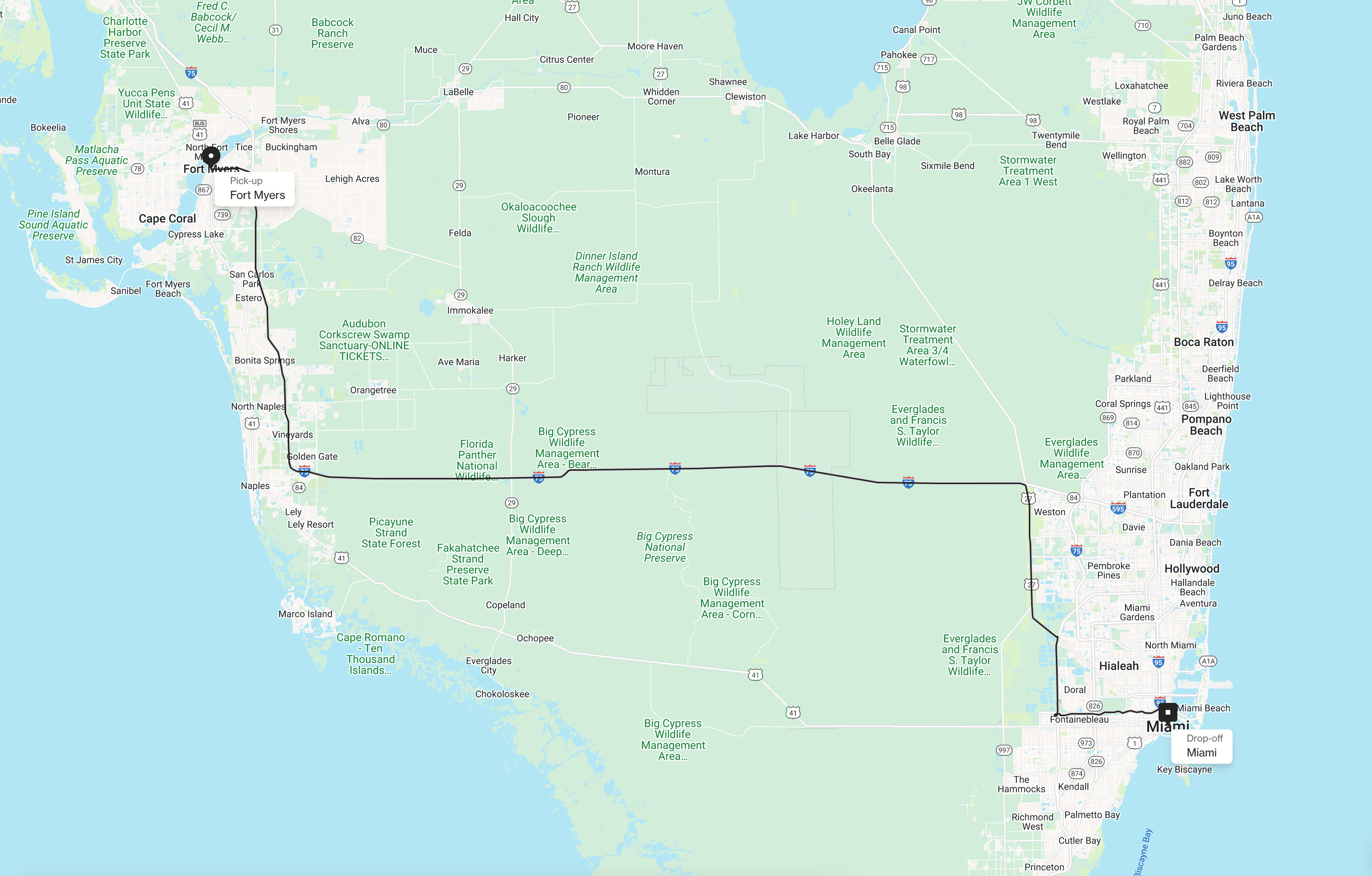
Understanding the literal distance between Miami and Fort Myers is crucial for any travel planner. While a straight line might seem short, real-world travel involves roads, airports, and the occasional Florida traffic. The journey essentially connects the southeastern tip of Florida to its southwestern coast, carving a path through diverse landscapes.
By Road: Driving Routes and Estimated Duration
The most common and practical way to travel between Miami and Fort Myers is by car. The driving distance typically ranges from 150 to 160 miles (approximately 240 to 257 kilometers), depending on the specific starting and ending points within each city.
The primary route is via Interstate 75 (I-75), famously known as the “Alligator Alley” as it cuts directly across the state, often running alongside the Everglades National Park. This stretch of highway, connecting Broward County to Collier County, is a toll road, so travelers should be prepared with cash or a SunPass transponder.
Under normal driving conditions, without significant traffic delays or extended stops, the drive usually takes about 2 hours and 30 minutes to 3 hours. However, several factors can influence this estimate:
- Traffic: Miami traffic, especially during peak commuter hours, can add substantial time to the beginning of your journey. Similarly, entering Fort Myers during busy periods can cause slowdowns.
- Weather: Florida is known for its afternoon thunderstorms, particularly during the summer months, which can reduce visibility and necessitate slower speeds.
- Construction: Roadwork can occasionally cause lane closures or detours, though I-75 is generally well-maintained.
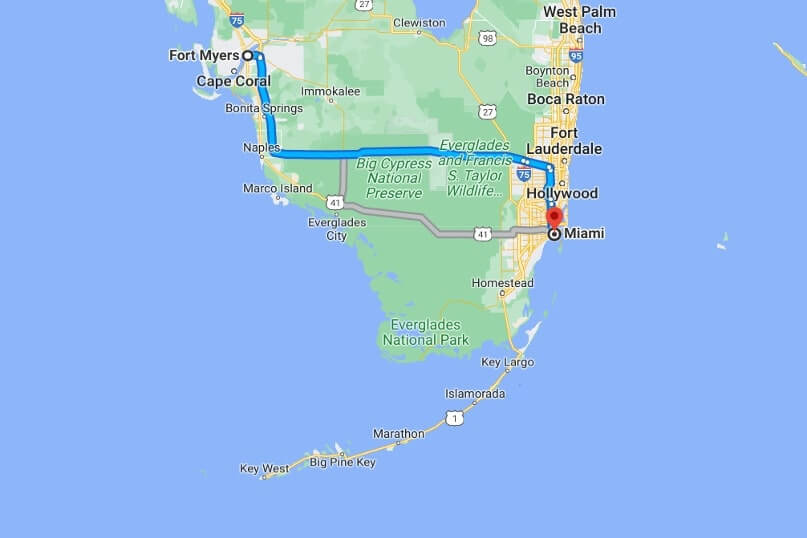
An alternative, though longer and slower, route is US-41, also known as the Tamiami Trail. This route runs parallel to I-75 further south, offering more opportunities for stops and a closer view of the Everglades. While more scenic for some, it can add an hour or more to the travel time due to lower speed limits and more intersections.
By Air: Flight Options and Travel Time
While driving is the predominant mode of transport, flying is an option for those prioritizing speed or connecting international flights. Miami International Airport (MIA) serves Miami, and Southwest Florida International Airport (RSW) serves Fort Myers and the surrounding areas.
Direct flights between these two cities are infrequent and often involve layovers, making them less efficient than driving for domestic travel. When available, the actual flight time is very short, typically around 45 minutes to 1 hour. However, this doesn’t account for the entire travel experience. When considering flying, travelers must factor in:
- Airport arrival time: Arriving 1-2 hours before departure for security and check-in.
- Taxiing and gate time: Time spent on the tarmac.
- Baggage claim: Waiting for luggage upon arrival.
- Ground transportation: Travel to and from both airports, which can add significant time and cost.
When all these elements are combined, the total door-to-door travel time by air often approaches or even exceeds the driving time, especially considering the relatively short driving distance. Therefore, flying is generally less recommended unless you have specific reasons, such as connecting to a pre-existing flight itinerary or avoiding driving altogether.
Other Considerations: Traffic, Stops, and Scenic Detours
Beyond the basic distance and time, travelers should consider the broader context of their journey.
- Peak Travel Times: Avoiding rush hour (typically 7-9 AM and 4-6 PM) in both Miami and Fort Myers can significantly reduce travel stress. Weekends can also see heavier traffic on I-75, especially during holiday periods.
- Fuel Stops: While the drive isn’t excessively long, there are limited services directly on the “Alligator Alley” stretch of I-75. It’s advisable to fill up your tank before departing Miami or once you hit the outskirts of Fort Myers. There are service plazas along the route, but they can be more expensive.
- Breaks: For longer drives, or simply to stretch your legs, consider stopping at one of the service plazas on I-75 or a town like Naples, which is about an hour’s drive south of Fort Myers and offers dining and restroom facilities.
Journeying Between Two Florida Gems: Miami vs. Fort Myers
The journey from Miami to Fort Myers isn’t just about covering distance; it’s about transitioning between two distinct facets of Florida’s charm. Understanding the unique character of each destination can enrich the travel experience and help in planning activities.
Miami: The Vibrant Metropolis Awaits
Miami is a global city, celebrated for its vibrant cultural tapestry, stunning Art Deco Historic District, and pulsating nightlife. It’s a melting pot of cultures, primarily influenced by Latin America and the Caribbean, creating a unique atmosphere evident in its food, music, and architecture.
Travelers to Miami are drawn to its world-famous beaches, particularly South Beach, with its iconic pastel-colored buildings and lively oceanfront. Beyond the beaches, the city offers high-end shopping, a thriving arts scene, and a diverse culinary landscape. From the Cuban rhythms of Little Havana to the street art of the Wynwood Walls and the historic grandeur of Vizcaya Museum & Gardens, Miami presents an endless array of experiences for every type of traveler. Its international appeal makes it a frequent gateway for visitors entering Florida, often seeking to explore more of the state’s natural beauty after experiencing urban glamour.
Fort Myers: The Coastal Retreat
In stark contrast to Miami’s energetic pace, Fort Myers offers a more relaxed, family-friendly coastal vibe. Located on the Caloosahatchee River, near where it flows into the Gulf of Mexico, Fort Myers is renowned for its beautiful white-sand beaches, calm waters, and abundant wildlife.
The area is a gateway to exquisite barrier islands like Sanibel Island and Captiva Island, famous worldwide for their shelling opportunities. Fort Myers itself boasts historical sites such as the Edison and Ford Winter Estates, offering a glimpse into the lives of two of America’s greatest inventors. Nature enthusiasts will appreciate opportunities for kayaking, birdwatching, and spotting manatees. The atmosphere here is one of laid-back charm, where sunsets over the Gulf are a daily spectacle, and outdoor activities take center stage. It serves as a perfect antidote to the bustling energy of Miami, offering a tranquil escape.
Driving the Sunshine State: Route Planning and Experience
For most travelers, driving is the preferred method for getting from Miami to Fort Myers. It offers flexibility, the convenience of personal transport, and the opportunity to experience the unique landscapes of inland Florida. A little planning can make the road trip even more enjoyable.
The Most Common Route: I-75 (Alligator Alley)
The dominant artery connecting Miami and Fort Myers is Interstate 75. From Miami, you’ll typically head west to pick up I-75 North (which in this part of Florida actually heads westward across the peninsula). This segment is famously known as the “Alligator Alley” or the Everglades Parkway.
- Tolls: Be prepared for tolls on the Alligator Alley. A SunPass transponder is highly recommended for convenience and often provides a slight discount. Cash payment is typically available, but electronic tolling is becoming more prevalent.
- Scenery: While not breathtakingly dramatic, the scenery offers a unique glimpse into the Everglades ecosystem. Keep an eye out for wildlife, particularly alligators, sunning themselves in the canals alongside the highway. There are occasional viewing platforms and rest stops.
- Road Conditions: The road is generally well-maintained, multi-lane, and designed for higher speeds. However, rain and dense fog (especially in early mornings) can occur, requiring reduced speeds and caution.
Upon reaching the west coast, I-75 turns north, and you’ll continue until you reach the various exits for Fort Myers (typically Exit 131 to Exit 143, depending on your specific destination within the city or surrounding areas like Cape Coral or Estero).
Scenic Alternatives and Stops Along the Way
While I-75 is the quickest, adventurers might consider a more scenic, albeit longer, route:
- Tamiami Trail (US-41): Running south of and roughly parallel to I-75, US-41 offers a more intimate encounter with the Everglades and the local culture. You’ll pass through small towns like Everglades City and have opportunities for airboat rides, wildlife viewing at roadside stops, and stops at Native American cultural centers. This route is slower, with more intersections and lower speed limits, but ideal for those who want to immerse themselves in the unique ecosystem.
- Short Detours: If you take I-75, you can still make short detours. A brief stop in Naples, a luxurious coastal city just south of Fort Myers, can offer a change of pace with high-end boutiques and beautiful beaches before reaching your final destination.
Practical Tips for a Smooth Road Trip
- Vehicle Check: Ensure your vehicle is in good condition, with proper tire pressure and fluid levels, especially if you’re driving a rental car.
- GPS/Navigation: While the route is straightforward, a reliable GPS or map app is essential for navigating city streets at either end of the journey and for checking real-time traffic updates.
- Snacks and Drinks: Keep some snacks and beverages in the car, as service options on “Alligator Alley” are limited to specific service plazas.
- SunPass: If you plan on driving frequently in Florida, consider purchasing a SunPass Mini or a portable SunPass transponder. Many rental car companies also offer toll programs, but check their fees as they can vary widely.
- Comfortable Clothing: Wear comfortable clothes for driving, especially during Florida’s warm and humid months.
- Entertainment: Have a good playlist, podcast, or audiobook ready for the drive.
Exploring the Destinations: What to See and Do
Once you’ve successfully navigated the journey, both Miami and Fort Myers offer a wealth of attractions and activities. Focusing on what each city excels at ensures a fulfilling travel experience tailored to your interests.
Must-See Attractions in Miami
Before or after your drive, take time to soak in Miami’s distinct flavor:
- South Beach and Art Deco Historic District: Stroll along Ocean Drive, admire the pastel architecture, and enjoy the lively beach scene.
- Little Havana: Immerse yourself in Cuban culture on Calle Ocho, with its cigar shops, vibrant murals, and authentic cuisine.
- Wynwood Walls: Explore this outdoor street art museum featuring colorful murals by renowned artists.
- Vizcaya Museum & Gardens: A breathtaking estate featuring European gardens and a historic mansion overlooking Biscayne Bay.
- Everglades National Park: While technically a separate trip, the eastern entrances are accessible from Miami for airboat tours and wildlife viewing.
Top Experiences in Fort Myers
Once in Fort Myers, shift gears to a more relaxed pace with these highlights:
- Sanibel Island and Captiva Island: Famous for shelling, pristine beaches, and wildlife refuges. Cross the scenic causeway to explore these barrier islands.
- Edison and Ford Winter Estates: Tour the winter homes, laboratories, and gardens of Thomas Edison and Henry Ford.
- Fort Myers Beach: Enjoy the Gulf waters, engage in watersports, or simply relax on the soft sand.
- Lover’s Key State Park: A beautiful park offering kayaking, paddleboarding, and a serene beach, often praised as one of Florida’s most romantic spots.
- Manatee Park: A non-captive warm-water refuge where visitors can observe manatees during cooler months (typically November through March).
Making the Most of Your Trip: Logistics and Advice
Careful consideration of practicalities can greatly enhance your travel experience between Miami and Fort Myers.
Best Time to Travel
Florida’s climate is a significant factor:
- Peak Season (Winter – November to April): This is the most popular time due to pleasant, dry weather with comfortable temperatures. However, this also means higher crowds, increased traffic, and potentially higher prices for flights and accommodations. Booking well in advance is advisable.
- Shoulder Seasons (Spring & Fall): May and October offer a good balance of weather and fewer crowds. Early May can still be very pleasant before the summer heat and humidity set in.
- Off-Season (Summer – June to September): Characterized by high heat, humidity, and daily afternoon thunderstorms. This is also hurricane season. While less crowded and often cheaper, outdoor activities can be limited by weather, and the driving conditions might be more challenging due to rain.
Accommodation Choices
While not the primary focus of distance, selecting appropriate lodging is an integral part of travel planning. Both Miami and Fort Myers offer a wide spectrum of options:
- Miami: Expect luxury resorts and boutique hotels in South Beach, upscale chain hotels in downtown and Brickell, and more budget-friendly options further inland.
- Fort Myers: Options range from beachfront resorts on Fort Myers Beach and Sanibel Island to comfortable family hotels and vacation rentals throughout the area.
Consider your budget, travel style, and desired proximity to attractions when making your choice.

Rental Cars and Transportation within Cities
- Rental Car: A rental car is almost essential for getting the most out of a trip between Miami and Fort Myers, particularly for exploring the various islands and natural areas around Fort Myers. Major car rental agencies are available at both airports and throughout the cities.
- Miami Public Transport: Miami has a public transport system (Metromover, Metrorail, Metrobus) that can be useful for navigating certain areas, especially downtown. However, a car provides far more flexibility for exploring the broader city and its diverse neighborhoods.
- Fort Myers Transportation: Public transportation in Fort Myers is limited, making a car almost a necessity for sightseeing and reaching the beaches and islands. Ride-sharing services are available in both cities.
The journey from Miami to Fort Myers is a manageable and rewarding experience, bridging two distinct yet equally captivating sides of Florida. While the driving distance is a straightforward 2.5 to 3 hours, the adventure extends beyond mere miles, offering a chance to witness the state’s diverse landscapes and transition from an energetic urban hub to a tranquil coastal paradise. With careful planning and an open mind for exploration, this Sunshine State passage promises to be a highlight of your Florida travel itinerary.
LifeOutOfTheBox is a participant in the Amazon Services LLC Associates Program, an affiliate advertising program designed to provide a means for sites to earn advertising fees by advertising and linking to Amazon.com. Amazon, the Amazon logo, AmazonSupply, and the AmazonSupply logo are trademarks of Amazon.com, Inc. or its affiliates. As an Amazon Associate we earn affiliate commissions from qualifying purchases.