
For many outdoor enthusiasts, the call of the wild in Alabama is synonymous with deer hunting. The Yellowhammer State, renowned for its diverse ecosystems and abundant white-tailed deer population, offers an exceptional experience for both seasoned hunters and newcomers alike. Planning a successful deer hunt in Alabama hinges critically on understanding the state’s meticulously organized hunting seasons, which vary by zone, weapon type, and land ownership. This comprehensive guide serves as an invaluable resource for anyone looking to navigate the regulations, maximize their hunting opportunities, and immerse themselves in one of the state’s most cherished outdoor activities.
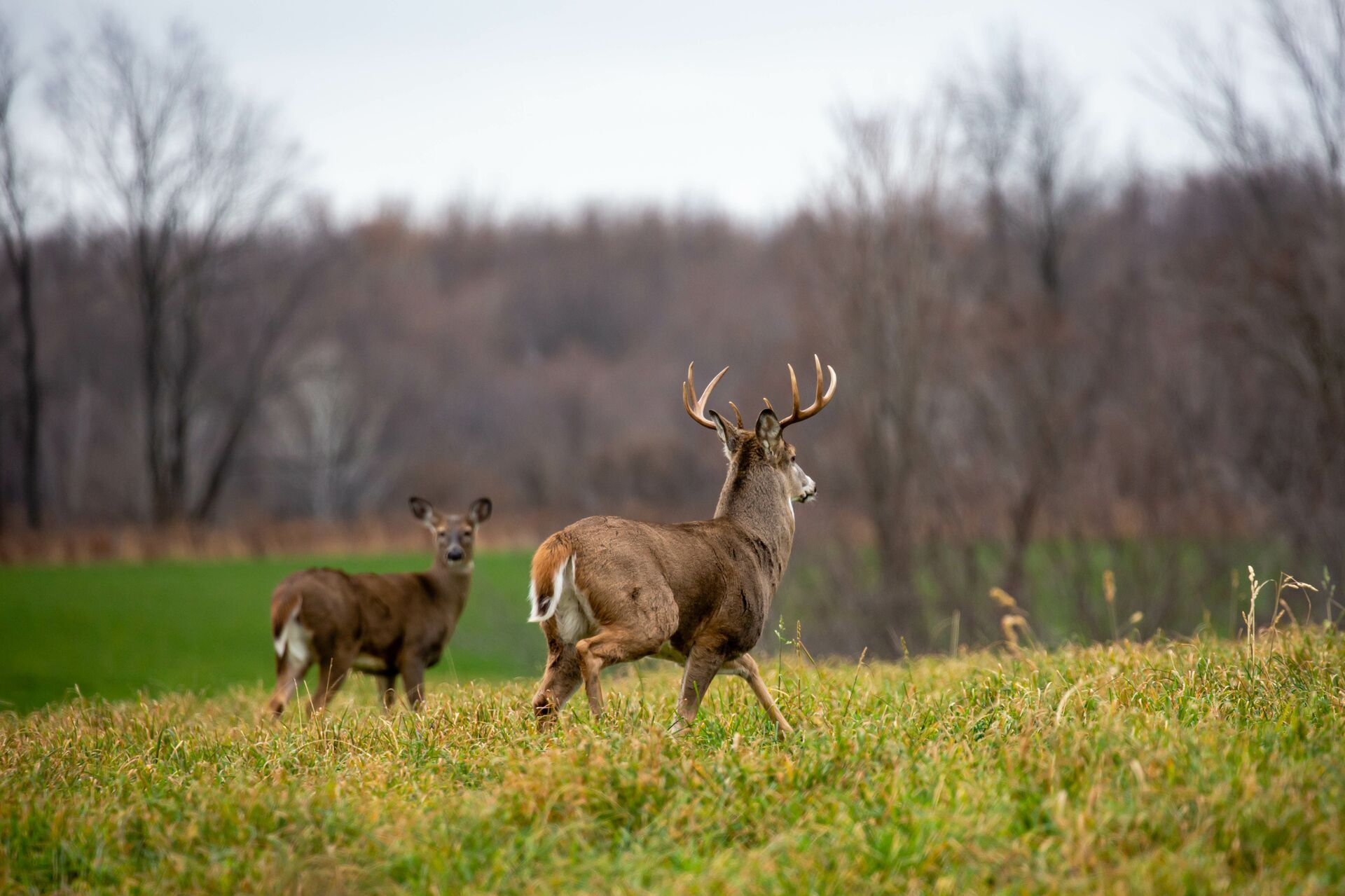
Deer hunting in Alabama isn’t just a pastime; it’s a deep-rooted tradition that contributes significantly to the state’s tourism and local economies. From the anticipation of the archery draw to the excitement of a successful gun hunt, the experience is shaped by adherence to the rules set forth by the Alabama Department of Conservation and Natural Resources (ADCNR). Understanding these seasons and regulations is not merely about compliance; it’s about ensuring a safe, ethical, and sustainable hunting environment for generations to come. Whether you’re a resident or planning a hunting trip from afar, knowing “when” to hunt is the first and most crucial step in preparing for an unforgettable adventure in Alabama’s pristine wilderness.
Understanding Alabama’s Deer Hunting Zones
Alabama employs a robust zone system to manage its deer population effectively, accounting for regional variations in habitat, deer density, and local hunting pressure. This system is paramount for hunters to grasp, as opening and closing dates for various weapon seasons can differ significantly between zones. Failing to understand which zone you’re hunting in can lead to unintentional violations and a less-than-optimal experience.
Zone System Explained
The state is primarily divided into three distinct zones: North, Central, and South. These zones are delineated by specific county lines, creating clear boundaries for hunters to follow. The purpose of this zoning is to tailor hunting pressure and harvest goals to the specific ecological conditions and deer populations in each region. For instance, areas with higher deer densities or different reproductive cycles might have slightly longer seasons or different bag limits compared to regions where conservation efforts are more focused on population growth.
Hunters are strongly advised to consult the official ADCNR Hunting and Fishing Digest annually, as zone boundaries and specific regulations are subject to review and potential minor adjustments. This digest provides the definitive word on current season dates and zone maps, ensuring hunters have the most up-to-date information at their fingertips. Planning your trip requires identifying the county where you intend to hunt and then cross-referencing it with the correct zone.
Key Differences Between Zones
While the overarching principles of deer management remain consistent across Alabama, the nuances of each zone are crucial for hunters.
- North Zone: Generally encompassing the northernmost counties, this zone often sees earlier archery season openings and might have slightly different gun season start and end dates compared to the other zones. The topography in the North Zone often features rolling hills, dense forests, and mountainous terrain, offering challenging yet rewarding hunting experiences. Hunters in this region might encounter deer that are more accustomed to colder weather patterns earlier in the season.
- Central Zone: This mid-state zone acts as a transition area, often featuring season dates that fall between those of the North and South zones. It encompasses a diverse landscape, from agricultural fields to pine plantations and hardwood bottoms, providing varied hunting environments. Many hunters find the Central Zone to be a sweet spot for activity as deer begin their rutting phases.
- South Zone: Extending to the Gulf Coast, the South Zone typically experiences the latest season openings, particularly for gun hunting. This is largely due to the later timing of the deer rut in warmer climates. Hunters here can expect a more prolonged period of warm weather during the early parts of the season. The terrain is often flatter, characterized by swamps, coastal plains, and extensive timberland, demanding different hunting strategies.
Beyond these primary zones, Alabama also designates specific Special Management Areas or Wildlife Management Areas (WMAs), which may have their own unique season dates, lottery hunts, or restrictions. These areas are often managed intensively for specific wildlife goals and provide controlled hunting opportunities. Always verify the specific rules for any WMA you plan to visit, as they often supersede general zone regulations.
Key Deer Hunting Season Dates
Alabama’s deer hunting calendar is carefully structured to provide ample opportunity while maintaining healthy deer populations. The seasons are typically divided by weapon type, allowing for different hunting experiences throughout the fall and winter months.
Archery Season
The archery season is often the first to open, offering hunters an extended period to pursue deer with traditional or compound bows. This season usually begins in mid-October across most zones and can run through late January or early February. Archery hunting demands a high level of skill, patience, and stealth, providing a truly immersive experience in the woods. Many bowhunters appreciate the challenge and the quiet solitude of the early season before the advent of firearms. It also allows for targeting deer before they become heavily pressured by gun hunters.
Muzzleloader Season
Following or overlapping with portions of the archery season, muzzleloader season provides an alternative for hunters seeking a primitive weapons experience before the general gun season. This season typically lasts for a couple of weeks, often bridging the gap between archery and gun seasons. Muzzleloaders, with their single-shot, front-loading design, offer a unique blend of traditional hunting methods and modern firearm technology. Check ADCNR regulations for specific dates, which can vary by zone.
Gun Season (Private vs. Public Lands)
The general gun season is the most popular and typically runs from mid-November through late January or early February, depending on the zone. This is when the majority of hunters take to the field with modern firearms. It’s crucial to distinguish between hunting on private versus public lands.
- Private Lands: The dates published by the ADCNR are generally applicable to private lands. These offer the most flexibility in terms of access, provided you have permission from the landowner. Many hunting leases and clubs operate on private land.
- Public Lands: Hunting on public lands, such as Wildlife Management Areas (WMAs), National Forests, or other state-owned properties, often has more restrictive dates, weapon limitations, and special permits required. These areas are managed to balance recreational use with conservation goals. Hunters must meticulously consult the specific regulations for each WMA or public land unit they plan to hunt, as these rules can deviate significantly from general statewide seasons.
Youth Season
Alabama is committed to fostering the next generation of hunters, offering special youth hunting days that often precede the general gun season. These exclusive opportunities allow young hunters (typically 15 years old and younger, with adult supervision) to experience deer hunting in a less crowded environment. It’s an excellent initiative for introducing youth to ethical hunting practices and wildlife conservation. Specific dates for youth season are published annually by the ADCNR and are highly anticipated by families.
Special Primitive Weapons Seasons
Beyond muzzleloader season, Alabama occasionally designates additional primitive weapons seasons or days within the general hunting framework. These might include specific opportunities for crossbows during portions of the archery season or other specialized weaponry. Always refer to the current ADCNR digest for the most accurate and up-to-date information on these specialized hunts.
Essential Regulations and Licenses
Participating in Alabama’s deer hunting season requires more than just knowing the dates; it demands a thorough understanding and adherence to the state’s comprehensive set of regulations. These rules are in place to ensure fair chase, promote hunter safety, and maintain a healthy, sustainable deer population for future generations.
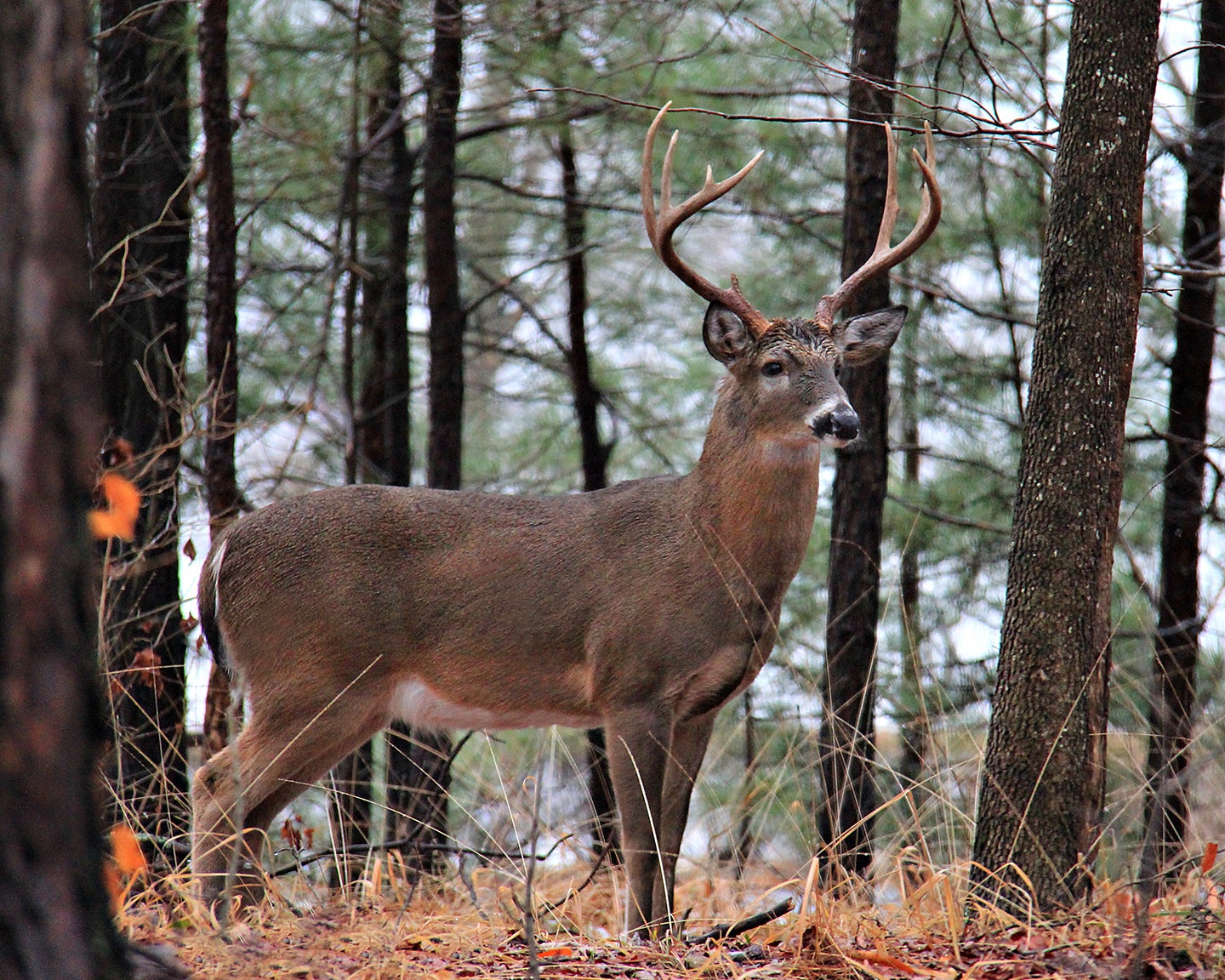
Licensing Requirements for Residents and Non-Residents
Every hunter, regardless of residency, must possess a valid Alabama hunting license. There are distinct licensing categories and fees for residents versus non-residents, with non-resident licenses typically being more expensive to reflect out-of-state use of state resources.
- Residents: Alabama residents can purchase various license packages, including annual hunting licenses, all-game licenses, and lifetime licenses. Specific endorsements or additional licenses might be required for certain activities, such as hunting on Wildlife Management Areas or utilizing bait.
- Non-Residents: Non-resident hunters typically have options for annual, 3-day, or 10-day hunting licenses. These licenses often include all necessary endorsements for deer hunting but always verify the specifics when purchasing. All non-residents must also purchase a Wildlife Management Area (WMA) license if planning to hunt on public WMA lands.
Licenses can be purchased online through the ADCNR website, at probate offices, or from licensed vendors throughout the state. It is imperative to carry your license with you while hunting.
Bag Limits and Antler Restrictions
Alabama implements specific bag limits to manage deer harvests. Generally, hunters are allowed one antlered buck per day, with a season limit of three antlered bucks. For unantlered deer (does), the limit is often one per day in most zones, with no season limit. However, these limits can vary significantly by zone, type of land (private vs. WMA), and even specific properties participating in quality deer management programs.
Antler restrictions are also in place in certain areas or for specific hunts to promote the harvesting of older, more mature bucks and to allow younger bucks to grow. These restrictions might specify a minimum number of points on an antler or a minimum main beam length. Always consult the current regulations for the specific area you plan to hunt to avoid potential violations.
Mandatory Harvest Reporting
Alabama requires hunters to report their deer harvests. This crucial data helps the ADCNR monitor deer populations, assess the effectiveness of management strategies, and make informed decisions about future seasons and regulations. Harvest reporting is typically done through the state’s online game check system or a designated mobile application. Hunters must report their harvest promptly after taking a deer, usually within 48 hours. Failure to report a harvest is a violation and can result in penalties.
Hunter Safety Education
For individuals born on or after August 1, 1977, completing an approved hunter education course is mandatory before purchasing an Alabama hunting license. This requirement ensures that all hunters have a foundational understanding of firearm safety, wildlife identification, hunting ethics, and conservation principles. Hunter education courses are available both online and in-person throughout the state. Even if exempt, taking a refresher course is always a good practice to ensure safe and responsible hunting.
Planning Your Alabama Deer Hunt
A successful deer hunt in Alabama extends beyond knowing the season dates and regulations; it involves careful planning, preparation, and an appreciation for the local environment and community.
Choosing Your Hunting Ground (WMA, Private Land, National Forests)
Deciding where to hunt is a pivotal step. Each type of land offers a distinct experience:
- Wildlife Management Areas (WMAs): These public lands are managed by the ADCNR to provide diverse hunting opportunities. They are generally well-maintained, but often have specific, sometimes more restrictive, regulations, and can experience higher hunting pressure. Some WMA hunts require special permits obtained through a lottery system.
- Private Land: This offers the most flexibility and often boasts higher quality deer management. Access is gained through land ownership, permission from a landowner, or by joining a hunting club that leases private property. Building good relationships with landowners is key here.
- National Forests: Alabama is home to several National Forests, such as Talladega National Forest and William B. Bankhead National Forest, which offer extensive public hunting opportunities. While generally open to hunting, specific areas or restrictions may apply, particularly near developed recreation sites. Hunters should consult National Forest maps and regulations carefully.
Researching the deer population, habitat, and accessibility of your chosen hunting ground well in advance is crucial. Online mapping tools, local guides, and forums can provide valuable insights.
Essential Gear and Preparation
Proper gear is non-negotiable for a safe and comfortable hunt. Beyond your weapon of choice and ammunition, consider:
- Clothing: Layered, scent-free camouflage suitable for Alabama’s variable weather, which can range from warm early season days to cold late-season mornings. A blaze orange vest and hat are mandatory for gun hunters on public lands during certain seasons.
- Optics: Binoculars and rangefinders are indispensable for spotting game and making ethical shots.
- Navigation: GPS devices or reliable mapping apps (with downloaded offline maps) are essential, especially in unfamiliar terrain. A compass and physical map serve as vital backups.
- Safety Gear: First-aid kit, flashlight, knife, game bags, and sufficient water. If hunting from an elevated stand, a safety harness is paramount.
- Processing Supplies: Field dressing kit, gloves, and cooler with ice for transport if successful.
Physical preparation is equally important. Hunting can involve long walks, climbing, and hauling game. Being in good physical condition enhances safety and enjoyment. Practicing with your weapon to ensure accuracy and familiarity under various conditions is also critical.
Local Lodging and Services for Hunters
Alabama’s hunting popularity means many rural communities and towns offer services tailored to hunters. From rustic cabins in Scottsboro near Lake Guntersville to comfortable motels in Monroeville, options abound. Many localities near popular hunting areas feature:
- Hunter-Friendly Accommodations: Some hotels and lodges offer special rates or amenities for hunters, such as game cleaning stations or freezer space. Booking well in advance, especially for peak gun season, is advisable.
- Outfitters and Guides: For those less familiar with the area or seeking a guided experience, numerous local outfitters offer packages that include lodging, meals, and expert guidance.
- Butchers and Processors: Many small towns near hunting hotspots have local butchers who can process your game, saving you the effort and ensuring quality cuts.
- Sporting Goods Stores: These stores provide last-minute gear, ammunition, and valuable local advice on hunting conditions.
Engaging with local businesses not only supports the community but can also provide invaluable insights into current deer activity and local nuances.
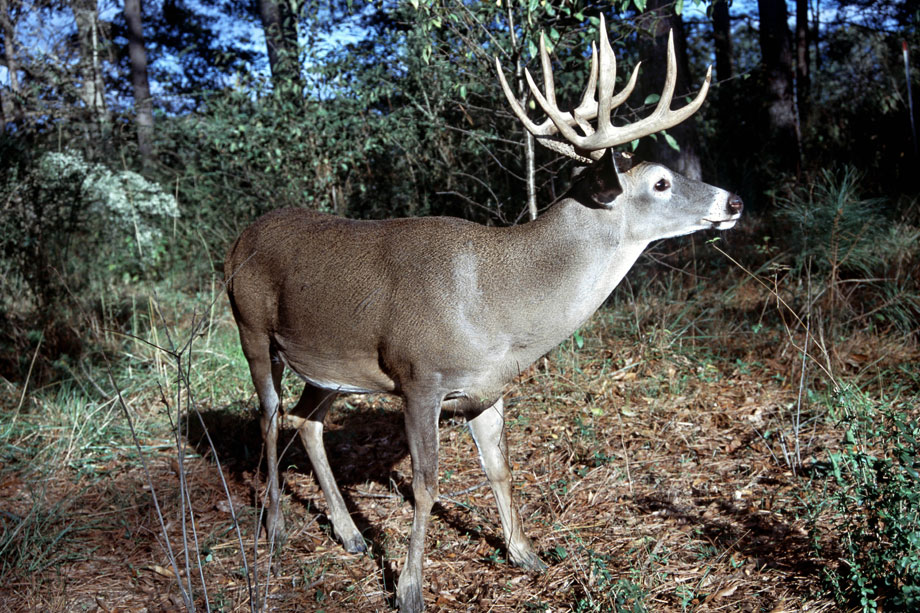
Respecting Local Culture and Wildlife
Hunting in Alabama is a privilege, not a right. Hunters are ambassadors for the sport and conservation. Always adhere to ethical hunting practices, including fair chase, responsible shot placement, and proper game recovery. Respect private property, even if you’re hunting public land nearby. Leave no trace, pack out everything you pack in, and dispose of offal responsibly. Understanding and respecting the local culture, which often highly values its hunting heritage, enhances the overall experience for everyone. This includes being courteous to other hunters, landowners, and community members.
In conclusion, Alabama offers an exceptional deer hunting experience, rich in tradition and abundant in wildlife. By diligently understanding the state’s zoning system, season dates, and regulatory framework, and by meticulously planning your trip, hunters can look forward to a rewarding and memorable adventure in the heart of the Deep South. Always prioritize safety, ethics, and conservation, ensuring that the thrill of the hunt can be enjoyed responsibly for years to come.
LifeOutOfTheBox is a participant in the Amazon Services LLC Associates Program, an affiliate advertising program designed to provide a means for sites to earn advertising fees by advertising and linking to Amazon.com. Amazon, the Amazon logo, AmazonSupply, and the AmazonSupply logo are trademarks of Amazon.com, Inc. or its affiliates. As an Amazon Associate we earn affiliate commissions from qualifying purchases.