
The vibrant sunshine of Miami and the historic charm of Jacksonville are two of Florida’s most appealing destinations, each offering a distinct flavor of the Sunshine State. For travelers planning a Florida road trip, understanding the distance between these two key cities is crucial for effective itinerary planning. This guide will delve into the exact mileage, travel times, and the myriad of ways you can make the journey from the bustling beaches of Miami to the historic port city of Jacksonville. Whether you’re dreaming of a quick jaunt or a leisurely exploration, we’ll equip you with all the essential information for your adventure.

Understanding the Distance and Travel Time
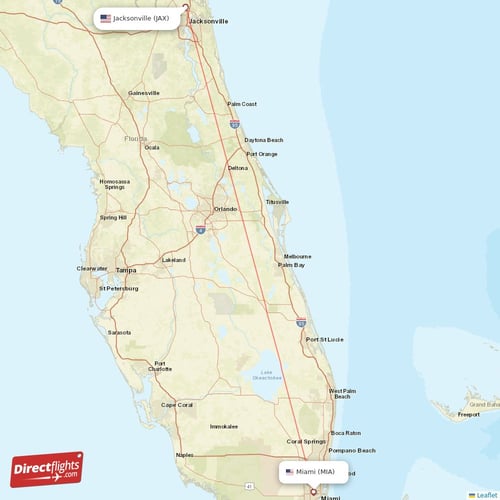
The driving distance between Miami and Jacksonville is approximately 345 miles (around 555 kilometers). This figure can vary slightly depending on the specific starting and ending points within each city and the exact route taken.
When it comes to travel time, the direct drive typically ranges from 4.5 to 5.5 hours, not including any stops for fuel, food, or rest. This estimation is based on driving at the posted speed limits and assumes moderate traffic conditions. However, it’s important to acknowledge that Florida’s major interstates, particularly during peak travel seasons or on weekends, can experience congestion. Therefore, factoring in potential delays is always a wise approach when planning your journey.
Factors Influencing Travel Time
Several elements can impact the actual time it takes to travel from Miami to Jacksonville:
- Traffic Conditions: Miami and its surrounding areas are known for heavy traffic, especially during weekday rush hours. Similarly, approaching Jacksonville, particularly around its downtown core, can also see increased volume. Checking real-time traffic apps before you depart and en route is highly recommended.
- Time of Day: Traveling during off-peak hours, such as early morning or late at night, will generally result in a faster journey. Avoiding Fridays and Sundays, which are often heavy travel days, can also make a significant difference.
- Construction and Roadwork: As with any major highway system, ongoing construction projects can cause lane closures and slowdowns. Keeping an eye on local traffic advisories can help you navigate around these potential bottlenecks.
- Stops: The estimated travel time does not account for necessary stops. A comfortable road trip often includes breaks for meals, stretching your legs, or visiting points of interest along the way. Planning for at least one significant stop will add to your overall travel duration.
Navigating Your Route: The I-95 Corridor
The most direct and commonly used route for traveling between Miami and Jacksonville is via Interstate 95 (I-95). This major north-south artery runs along the eastern seaboard of the United States and offers a straightforward path for this journey.
From Miami, you will merge onto I-95 North. The highway will take you through numerous Florida cities and towns, including West Palm Beach, Fort Pierce, Melbourne, and Daytona Beach, before reaching your destination in Jacksonville.
Key Exits and Potential Stops Along I-95
While the primary goal is to reach Jacksonville, the drive along I-95 presents opportunities to explore other fascinating locations. Here are a few notable cities and attractions that fall within or are easily accessible from the I-95 corridor:
Atlantic Coast Beaches and Coastal Towns
The eastern coastline of Florida is dotted with beautiful beaches and charming coastal towns that make excellent rest stops or even overnight detours.
- Fort Lauderdale: Located just north of Miami, Fort Lauderdale is known for its canals, beaches, and vibrant nightlife. It’s a popular stop for those seeking a more laid-back vibe before heading further north.
- Palm Beach: For a glimpse of luxury and exquisite architecture, a detour to Palm Beach is worthwhile. This upscale island town boasts stunning mansions, high-end boutiques, and beautiful oceanfronts.
- Daytona Beach: Famous for its hard-packed sand that allows cars to drive on the beach, Daytona Beach is a classic Florida destination. It’s also home to the Daytona International Speedway, a must-visit for motorsport enthusiasts.
- St. Augustine: As the oldest continuously inhabited European-established settlement in the United States, St. Augustine is a treasure trove of history. Explore its ancient forts, cobblestone streets, and Spanish colonial architecture. It’s a significant cultural and historical landmark that offers a stark contrast to modern Miami.
Inland Attractions and City Exploration
While I-95 hugs the coast, there are also inland attractions and cities worth considering for a brief exploration.
- Orlando: If theme parks are on your agenda, a detour inland to Orlando is a possibility, though it will add significant time to your journey. Home to Walt Disney World Resort and Universal Orlando Resort, it’s the entertainment capital of the world.
- Ocala National Forest: For nature lovers, a detour west from I-95 can lead to the expansive Ocala National Forest, offering opportunities for hiking, swimming in natural springs, and exploring diverse ecosystems.
When planning your stops, consider the type of experience you’re seeking. Are you looking for a quick refueling break, a scenic beach walk, a historical immersion, or a taste of luxury?

Travel Options: Driving, Flying, and More
While driving is the most popular method for traversing the distance between Miami and Jacksonville, other travel options exist, each catering to different preferences and time constraints.
Road Trip: The Classic Florida Drive
The road trip is an integral part of the Florida travel experience. It offers unparalleled flexibility and the chance to discover hidden gems along the way.
- Car Rental: If you’re flying into Miami and need a vehicle for your exploration, renting a car is a common and convenient choice. Numerous rental agencies operate at Miami International Airport and throughout the city. Ensure your rental agreement allows for travel across state lines if your plans extend beyond Florida.
- Personal Vehicle: If you are driving your own car, ensure it is in good mechanical condition for the nearly 350-mile journey. Regular maintenance checks, tire pressure, and fluid levels are essential for a safe and smooth trip.
- Fueling Up: I-95 is well-equipped with gas stations, but it’s always wise to refuel before your tank gets too low, especially if you’re traveling during late hours or in more remote stretches.
- Accommodation Along the Way: If you prefer to break up the drive, numerous hotels and motels are available in cities like Fort Lauderdale, West Palm Beach, Orlando, or Daytona Beach. Booking accommodations in advance, especially during peak season, is recommended. Consider options ranging from budget-friendly chains to more upscale resorts depending on your lifestyle preferences.
Flying: The Fastest Route
For those prioritizing speed and efficiency, flying is the quickest way to get from Miami to Jacksonville.
- Airports: You can depart from Miami International Airport (MIA) or Fort Lauderdale-Hollywood International Airport (FLL) and arrive at Jacksonville International Airport (JAX).
- Flight Duration: Direct flights between Miami and Jacksonville are relatively short, typically lasting around 1 hour to 1 hour and 15 minutes.
- Airlines: Several airlines operate routes between these cities, offering various schedules and price points. Booking in advance can often secure better fares.
- Considerations: While faster, flying involves additional logistical steps such as getting to the airport, security checks, and travel from Jacksonville airport to your final destination. This can sometimes make the overall door-to-door travel time comparable to driving for shorter distances, but for the Miami to Jacksonville stretch, flying is undeniably more time-efficient for covering the mileage.
Public Transportation: Bus and Train Options
While less common for this specific route compared to driving or flying, public transportation options do exist.
- Bus Services: Companies like Greyhound and FlixBus offer bus services between Miami and Jacksonville. These are generally the most budget-friendly options. The journey can be significantly longer than driving or flying, often taking 6 to 8 hours or more, depending on the route and stops.
- Train Services: Amtrak also operates a train service that connects Miami and Jacksonville. While a more comfortable and scenic option than the bus for some, train travel is also time-consuming, with journeys typically lasting around 7 to 9 hours. This option can be appealing for those who enjoy a relaxed travel experience and wish to avoid the stress of driving.
Each mode of transport offers a unique way to experience the journey, from the freedom of a road trip to the speed of air travel or the leisurely pace of a train. Your choice will depend on your budget, time availability, and personal travel preferences.
Experiencing Miami and Jacksonville: A Tale of Two Cities
The decision to travel between Miami and Jacksonville is often driven by a desire to experience the distinct charms of each city. Understanding their unique offerings can help you tailor your trip and make the most of your time in Florida.
Miami: The Electric Southern Metropolis
Miami is synonymous with its pulsating energy, diverse culture, and world-renowned beaches.
- Attractions: The iconic South Beach with its Art Deco architecture, the trendy Wynwood Walls art district, the upscale shopping on Ocean Drive, and the cultural hub of Little Havana are just a few of the many attractions. For nature lovers, the nearby Everglades National Park offers a unique subtropical wilderness experience.
- Lifestyle: Miami caters to a wide range of lifestyles, from luxury travel in its high-end hotels and restaurants to more budget-friendly options in its vibrant neighborhoods. It’s a city that appeals to families, couples, and solo travelers alike, offering endless opportunities for exploration and entertainment.
- Accommodation: From sprawling beachfront resorts like the Fontainebleau Miami Beach to chic boutique hotels and apartment rentals in areas like Brickell, Miami offers a diverse array of accommodation options to suit every taste and budget.
Jacksonville: History, Nature, and Southern Hospitality
Jacksonville, located in Northeast Florida, offers a different, yet equally captivating, Florida experience characterized by its rich history, abundant green spaces, and friendly Southern charm.
- Landmarks and Attractions: The city boasts a beautiful riverfront, the historic Riverside Arts Market, the impressive Cummer Museum of Art & Gardens, and the extensive Jacksonville Zoo and Gardens. For those interested in military history, the Naval Air Station Jacksonville is a significant presence. Nature enthusiasts can explore Timucuan Ecological and Historic Preserve, which preserves significant natural and cultural resources, including ancient Timucua shell middens.
- Tourism and Activities: Jacksonville offers a blend of urban amenities and natural beauty. The city is known for its vibrant culinary scene, with a focus on fresh seafood and Southern comfort food. Activities include exploring the historic St. Johns River, visiting the Jacksonville Beach Pier, and enjoying the numerous parks and outdoor recreational areas.
- Accommodation: Jacksonville offers a range of accommodation options, including luxury hotels along the St. Johns River, charming inns in historic districts, and family-friendly resorts near the beaches. Whether you’re looking for a suite with a view or a cozy apartment for a longer stay, you’ll find suitable options.
By understanding the nuances of both Miami and Jacksonville, travelers can better plan their journey and create a memorable Florida adventure that encompasses the best of what these two dynamic cities have to offer.
LifeOutOfTheBox is a participant in the Amazon Services LLC Associates Program, an affiliate advertising program designed to provide a means for sites to earn advertising fees by advertising and linking to Amazon.com. Amazon, the Amazon logo, AmazonSupply, and the AmazonSupply logo are trademarks of Amazon.com, Inc. or its affiliates. As an Amazon Associate we earn affiliate commissions from qualifying purchases.