
California, often celebrated as the Golden State for its diverse landscapes, vibrant cities, and unparalleled natural beauty, has unfortunately become synonymous with wildfires in recent years. For prospective tourists, the question “Where are the California wildfires?” is no longer a rhetorical one but a critical planning consideration. Understanding the geography, seasonality, and impact of these natural events is paramount for ensuring a safe, enjoyable, and responsible travel experience in the state. This guide aims to provide a comprehensive overview for visitors, helping them navigate travel plans with insight and preparedness, focusing entirely on how these events intersect with the tourism landscape.

Understanding the Landscape of California’s Wildfire Season
To effectively plan a visit to California, tourists must first grasp the fundamental characteristics of its wildfire season. It’s not a single, continuous event but rather a cyclical phenomenon influenced by climate, vegetation, and human activity.
The Seasonal Nature of Fire Risk
California’s Mediterranean climate, characterized by hot, dry summers and mild, wet winters, creates ideal conditions for wildfires. The official wildfire season typically runs from late spring through late fall, peaking in late summer and early autumn. During these months, years of drought, coupled with heatwaves and strong, dry winds (such as the Santa Ana winds in Southern California and the Diablo winds in Northern California), transform vast expanses of chaparral, forests, and grasslands into highly combustible fuel. While this period marks the highest risk, recent climate shifts have seen fires occur outside these traditional windows, making year-round vigilance necessary. Tourists should be aware that even a seemingly idyllic spring day could carry some level of fire risk, particularly in areas experiencing drought conditions. Staying informed about current weather patterns and long-term forecasts is a vital step in proactive travel planning.
Key Regions Prone to Wildfires
Wildfires in California are not confined to a single area; they can erupt across various ecological zones, each with its unique impact on tourism.
- Mountain Ranges: The Sierra Nevada and other mountain ranges, home to iconic destinations like Yosemite National Park, Sequoia National Park, and Lake Tahoe, are frequently affected. These areas, rich in forests, are susceptible to large, long-burning fires. Tourists planning hiking, camping, or scenic drives in these regions need to be particularly vigilant about closures and air quality.
- Coastal Foothills and Wine Country: Regions like Napa Valley and Sonoma County, famous for their vineyards and culinary scene, have experienced devastating fires. While the immediate threat often passes, the long-term impact on local businesses and natural landscapes can persist. Visitors to these areas should monitor conditions, as smoke can travel far from the fire source, affecting air quality even if the immediate area is not threatened.
- Southern California Wildlands: Areas surrounding major metropolitan centers such as Los Angeles and San Diego, including national forests and chaparral-covered hillsides, are prone to fast-moving brush fires, especially during Santa Ana wind events. These fires can quickly threaten communities and infrastructure, leading to road closures and evacuations that can disrupt travel plans significantly.
- Deserts: Even desert landscapes, like those in and around Joshua Tree National Park, can experience wildfires, especially after unusually wet winters that promote vegetation growth.
Knowing these prone areas helps tourists assess risk based on their intended itinerary and prepare accordingly.
Impact on Tourism: Safety, Air Quality, and Closures
The presence of wildfires, even if not directly threatening a specific tourist destination, can have widespread repercussions on the overall travel experience. These impacts range from immediate safety concerns to broader logistical challenges.
Prioritizing Tourist Safety and Evacuation Routes
The most critical concern during wildfires is the safety of residents and visitors. Official agencies like CAL FIRE provide real-time updates on active fires, containment levels, and evacuation orders. Tourists should never ignore official advisories. If a wildfire is active near your planned destination, it’s essential to:
- Stay Informed: Regularly check official emergency websites, local news, and social media for updates.
- Understand Evacuation Orders: Familiarize yourself with the difference between an evacuation warning (be ready to go) and an evacuation order (leave immediately).
- Know Your Routes: Have multiple escape routes planned, especially if you’re staying in a remote area or a single-road access location. Road closures due to fire activity can be sudden and extensive, forcing detours that add significant travel time.
- Emergency Kit: If traveling by car, consider having an emergency kit with essentials like water, snacks, a first-aid kit, a battery-powered radio, and chargers for electronic devices.
Prioritizing personal safety means sometimes altering or canceling plans, even if it’s disappointing. The temporary inconvenience pales in comparison to potential danger.
Navigating Air Quality Concerns for Outdoor Activities
Even if a wildfire is geographically distant from your location, smoke can travel hundreds of miles, significantly degrading air quality. This is a major concern for tourists, especially those planning outdoor activities like hiking, cycling, or exploring natural parks.
- Health Risks: Poor air quality, indicated by high levels of particulate matter (PM2.5), can cause respiratory issues, especially for individuals with asthma, allergies, or other pre-existing conditions. Even healthy individuals can experience discomfort, eye irritation, and shortness of breath.
- Monitoring Air Quality: Utilize resources like AirNow.gov or local air quality management district websites to check the Air Quality Index (AQI) in your destination. An AQI above 100 is generally considered unhealthy for sensitive groups, and above 150, unhealthy for everyone.
- Adjusting Plans: If air quality is poor, consider swapping outdoor activities for indoor alternatives. Explore museums in San Francisco, Los Angeles, or San Diego, visit art galleries in Carmel-by-the-Sea, or enjoy shopping and dining experiences in areas with better air. Flexibility is key to still enjoying your trip without compromising health.
National Parks and Recreational Area Closures
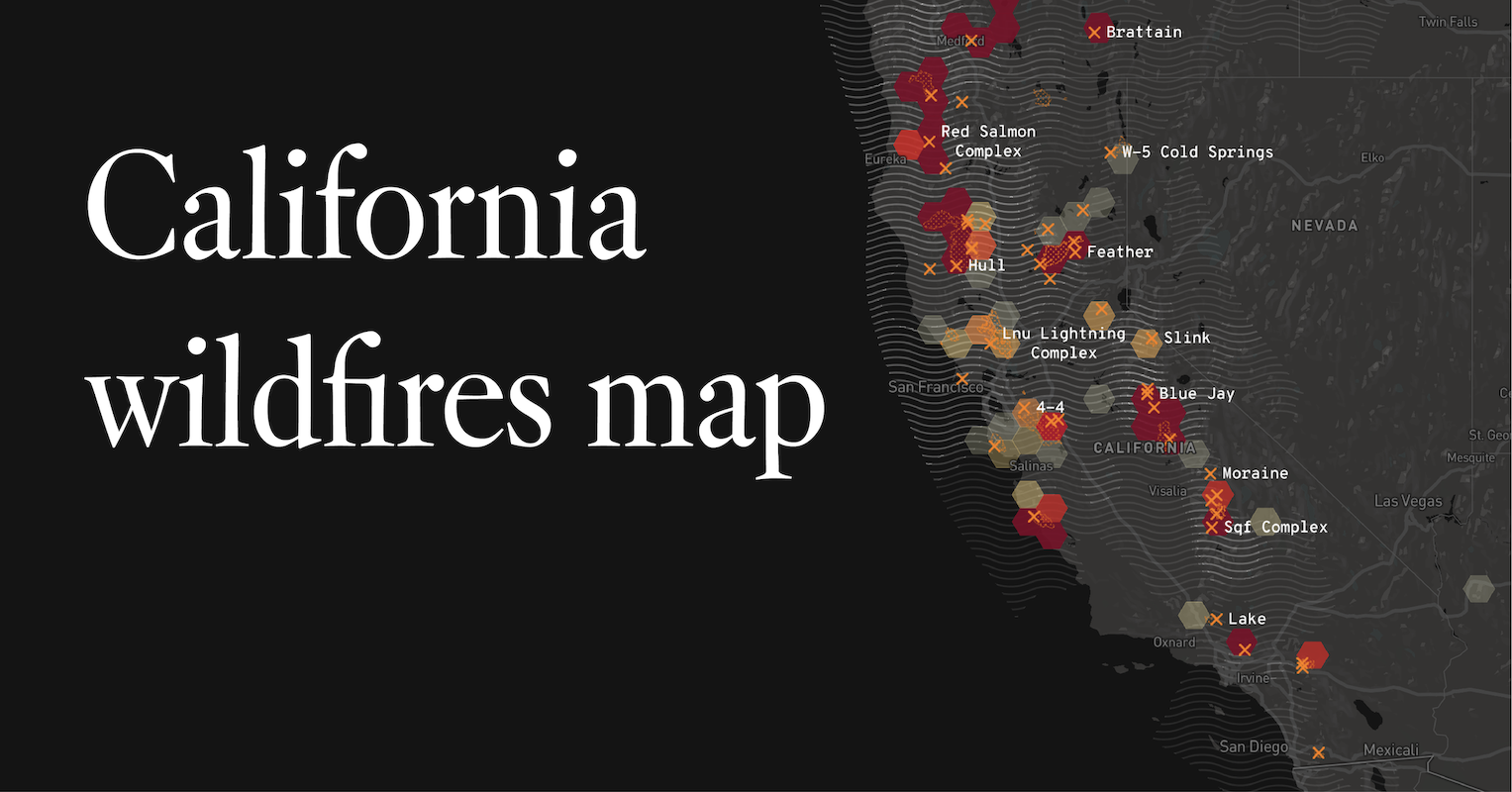
California is home to numerous national parks, state parks, and national forests, which are major draws for tourists. Wildfires frequently lead to temporary closures of these beloved destinations, either due to active fire within their boundaries or for safety reasons (e.g., preventing new ignitions, managing smoke, or allowing firefighting access).
- Check Before You Go: Always check the official websites of the National Park Service or the U.S. Forest Service for specific park or forest unit closures before embarking on your journey. Park roads, trails, and campgrounds can be closed without much advance notice.
- Long-term Impacts: Even after a fire is contained, areas may remain closed for extended periods for rehabilitation efforts, to address hazardous trees, or to prevent erosion. Respecting these closures is crucial for visitor safety and environmental recovery.
- Alternatives: If your intended park is closed, research nearby alternatives. While a specific trail might be inaccessible, there might be other equally stunning natural areas or cultural sites that remain open and unaffected.
Planning Your California Trip Amidst Wildfire Concerns
Thoughtful planning is the best defense against wildfire-related disruptions. By incorporating specific strategies into your itinerary, you can minimize risks and enhance your ability to adapt.
Essential Resources for Real-time Fire Information
Reliable, up-to-date information is your most valuable tool.
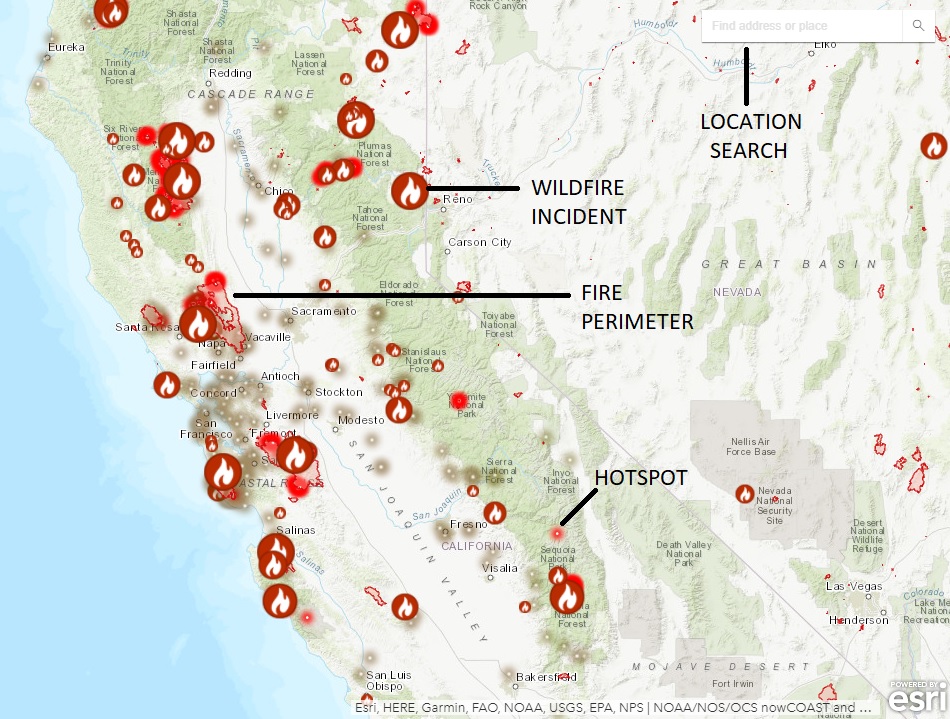
- Official Fire Agencies: Bookmark websites for CAL FIRE (California Department of Forestry and Fire Protection) and the National Interagency Fire Center. These provide maps of active incidents, updates, and news releases.
- Local Emergency Services: For specific areas, check county sheriff’s departments and local fire departments. Many have dedicated emergency alert systems or social media accounts.
- Air Quality Monitors: AirNow.gov is a federal interagency website that provides real-time air quality data for the entire country. Apps like IQAir also offer detailed local information.
- Transportation Agencies: For road closures, check Caltrans QuickMap for state highways and local public works departments for county roads.
- National Park and Forest Websites: Directly check the websites of specific parks or national forests for localized closures and advisories.
Staying connected and regularly checking these resources can help you make informed decisions quickly.
Flexible Travel Planning and Insurance Considerations
When planning a trip to California during wildfire season, flexibility is paramount.
- Adjustable Bookings: Whenever possible, choose accommodations and transportation options that offer flexible cancellation or rebooking policies. This could mean paying a slightly higher rate for a refundable booking, but it offers invaluable peace of mind.
- Travel Insurance: Consider purchasing comprehensive travel insurance. Read the policy carefully to understand what is covered in the event of natural disasters. Some policies may cover trip interruption or cancellation due to mandatory evacuations, but not due to voluntary changes or general concerns about smoke. Ensure your policy explicitly covers natural disasters and related travel disruptions.
- Alternative Itineraries: Have backup plans. If your mountain hiking trip is impacted, could you pivot to a coastal getaway or explore urban attractions in cities like Sacramento or Oakland? Researching indoor activities, museums, or less fire-prone regions can save your vacation if primary plans fall through.
Supporting Affected Communities Responsibly
In the aftermath of wildfires, many communities face significant challenges, including economic hardship due to reduced tourism. Tourists have an opportunity to support these communities responsibly.
- Visit When Safe: Once an area is declared safe and open for visitors, consider planning a trip there. Tourism dollars are vital for rebuilding local economies.
- Support Local Businesses: When you visit, prioritize local businesses – restaurants, shops, and tour operators. Your patronage directly contributes to their recovery.
- Volunteer (if appropriate): For those seeking a deeper engagement, research reputable local charities or organizations involved in long-term recovery efforts. However, ensure you’re not adding to the burden on emergency services or local resources.
Responsible Tourism and Community Resilience
Engaging in responsible tourism practices extends beyond simply staying safe; it involves contributing positively to the destinations you visit, particularly in regions susceptible to natural challenges like wildfires.
Eco-tourism and Fire Prevention Awareness
Eco-tourism principles naturally align with wildfire prevention. Tourists can play an active role in minimizing fire risk.
- Fire Safety Rules: Adhere strictly to all fire restrictions, especially concerning campfires, barbecues, and smoking. Many parks and wilderness areas implement fire bans during high-risk periods.
- Leave No Trace: Practice Leave No Trace principles. This includes proper disposal of waste and ensuring no sparks or hot embers are left behind.
- Vehicle Awareness: Be mindful of where you park. Hot catalytic converters can ignite dry grass. Avoid parking in tall, dry vegetation.
- Education: Take the opportunity to learn about California’s ecosystems and the role of fire in them. Understanding the landscape fosters greater respect and encourages preventative behavior. Many visitor centers provide educational materials on local ecology and fire safety.
By being fire-aware and responsible, tourists become part of the solution rather than inadvertently contributing to the problem.
The Role of Visitors in Post-Fire Recovery Efforts
The recovery from a major wildfire can take years, even decades. Tourists’ long-term engagement can significantly aid these efforts.
- Return Visits: Demonstrating loyalty by planning future visits to areas that have recovered encourages sustained economic vitality.
- Advocacy: Share your positive experiences in California and advocate for sustainable tourism practices and wildfire preparedness.
- Understanding Ecosystems: Recognize that some areas will look different post-fire. This is part of natural ecological processes, and new growth often emerges, providing unique viewing opportunities. Embrace the resilience of nature and the communities that call these places home.
While wildfires pose a genuine challenge, they do not diminish California’s immense appeal as a tourist destination. By being informed, flexible, and responsible, visitors can continue to explore and enjoy the Golden State safely, contributing positively to its communities and natural environments, even as they learn to live with and adapt to the realities of its wildfire season. The key is to shift from asking “Where is the fire?” to “How can I safely and responsibly experience California despite the potential for fire?”
LifeOutOfTheBox is a participant in the Amazon Services LLC Associates Program, an affiliate advertising program designed to provide a means for sites to earn advertising fees by advertising and linking to Amazon.com. Amazon, the Amazon logo, AmazonSupply, and the AmazonSupply logo are trademarks of Amazon.com, Inc. or its affiliates. As an Amazon Associate we earn affiliate commissions from qualifying purchases.