
Planning a trip between two of Florida’s most dynamic cities, Miami and Tallahassee, involves understanding not just the physical distance but also the various travel options, the experiences each route offers, and what to expect along the way. Whether you’re a seasoned traveler or embarking on a new adventure, this comprehensive guide will equip you with the knowledge to navigate this popular Florida corridor. The distance between these two distinct locales is a significant factor in determining the best mode of transport, the time commitment, and the potential for exploration.
The Road Less Traveled: Driving From Miami To Tallahassee
The most common and often the most flexible way to travel between Miami and Tallahassee is by car. The journey spans approximately 470 miles, and under ideal conditions, the drive can take around 7 to 8 hours. However, “ideal conditions” in South Florida can be as elusive as a calm day during hurricane season. Traffic, especially around the Miami metropolitan area and the sprawling suburbs of Central Florida, can significantly add to your travel time. Likewise, construction projects are a perpetual feature of Florida’s highways, and unexpected delays are not uncommon.

Route Options and Considerations
The primary route connecting Miami to Tallahassee utilizes a combination of major interstates. The most direct path generally involves taking the Florida’s Turnpike North from the Miami area, transitioning onto Interstate 75 (I-75) North, and then heading west on Interstate 10 (I-10) towards Tallahassee. This route is well-maintained and offers numerous service areas for refueling, dining, and rest stops.
An alternative, though typically longer, route might involve utilizing U.S. Highway 27 for a significant portion of the journey. This can offer a more scenic, albeit slower, experience, taking you through smaller towns and offering a glimpse into a different side of Florida. However, for efficiency and speed, the interstate system remains the preferred choice for most travelers.
Key Considerations for the Drive:
- Tolls: Florida’s Turnpike is a toll road, and several other sections of the route may also incur tolls. It’s advisable to have a SunPass or other electronic toll transponder to avoid delays and potential higher cash rates.
- Fuel Stops: While the interstates are well-equipped with gas stations, it’s always prudent to keep an eye on your fuel gauge, especially if you’re traveling during off-peak hours or through less populated stretches.
- Rest Stops: Plan for regular breaks to combat driver fatigue. The Florida Department of Transportation maintains rest areas along the interstates, offering clean facilities and a chance to stretch your legs.
- Vehicle Maintenance: Ensure your vehicle is in good condition before embarking on a long drive. Check tire pressure, oil levels, and brakes. The Florida heat can be particularly taxing on vehicles.
- Weather: Florida weather can be unpredictable. Be prepared for sudden downpours, especially during the summer months. Thunderstorms can cause reduced visibility and hazardous driving conditions.
Potential for Scenic Detours and Stops
While the primary goal might be reaching Tallahassee efficiently, the 7- to 8-hour drive presents opportunities for exploration. Consider breaking up the journey with an overnight stay or a few hours of sightseeing.
- Central Florida Highlights: As you pass through Central Florida, you’ll be in proximity to various attractions. While Orlando is a significant detour, smaller towns and natural areas offer more accessible stops.
- Lake Okeechobee: Depending on your chosen route, you might skirt the western edge of Lake Okeechobee, the largest freshwater lake in Florida. It offers opportunities for fishing, boating, and enjoying scenic views.
- Nature Preserves: Florida boasts numerous state parks and nature preserves. Researching options along your route can lead to refreshing stops to experience the state’s diverse ecosystems, from pine forests to wetlands.
Flying High: Air Travel Between Miami and Tallahassee
For those prioritizing speed and convenience, air travel is a viable option. The flight duration between Miami and Tallahassee is relatively short, typically around 1 hour and 15 minutes. However, this does not include the time spent traveling to and from airports, check-in procedures, security screening, and potential flight delays.
Major Airports and Airlines
You’ll typically depart from one of Miami’s major airports, such as Miami International Airport (MIA) or Fort Lauderdale–Hollywood International Airport (FLL), and arrive at Tallahassee International Airport (TLH). Several airlines operate flights on this route, including American Airlines and Delta Air Lines, often with direct or one-stop options.
The Total Travel Time Calculation
When considering air travel, it’s crucial to factor in the total time investment.
- Travel to the Airport: Allow ample time to reach your departure airport, especially during peak travel periods in Miami.
- Airport Procedures: Aim to arrive at least two hours before a domestic flight for check-in, baggage drop, and security.
- Flight Time: The actual airborne time is the shortest part of the journey.
- Arrival and Baggage Claim: Upon arrival in Tallahassee, you’ll need to deplane, collect any checked luggage, and potentially navigate ground transportation.
- Travel from TLH: Factor in the time and cost of getting from Tallahassee International Airport to your final destination in the city.
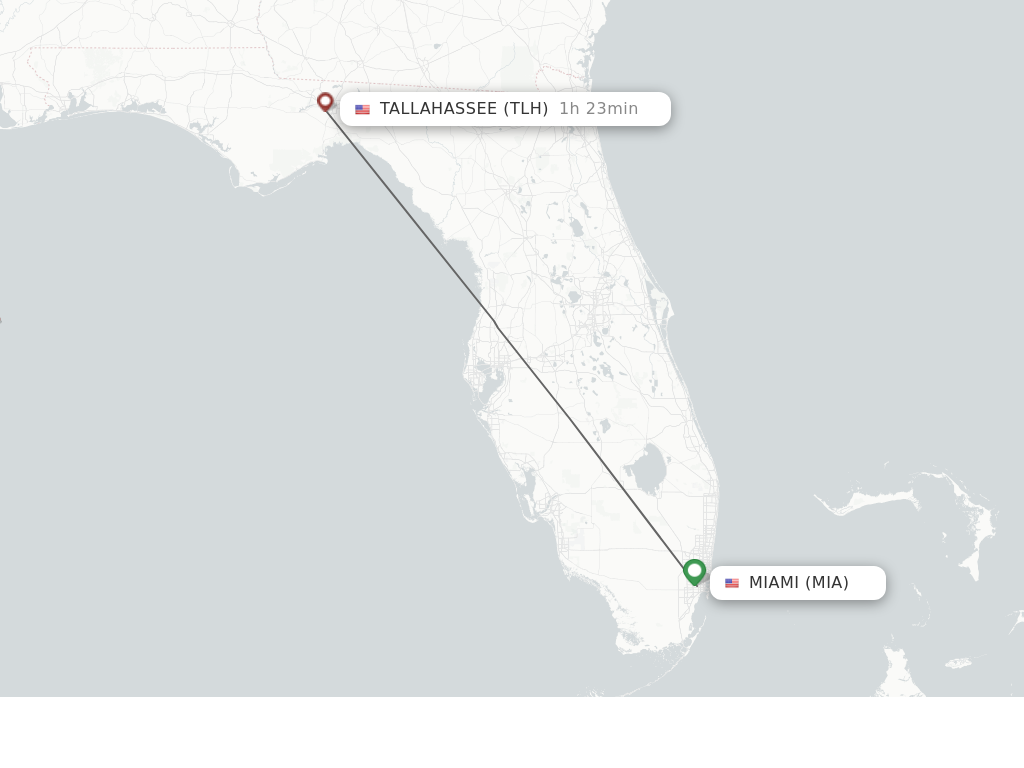
While the flight itself is quick, the overall door-to-door time can often rival or even exceed the driving time, especially if you factor in the potential for flight delays and the hassle of airport procedures.
A Different Pace: Bus and Train Travel Options
For budget-conscious travelers or those who prefer not to drive or fly, bus and train services offer alternative ways to traverse the distance between Miami and Tallahassee. These options typically involve longer travel times but can be more relaxing and environmentally friendly.
Bus Services
Companies like Greyhound operate routes connecting Miami and Tallahassee. Bus journeys can take anywhere from 10 to 14 hours, depending on the number of stops and the specific route. While less direct than driving or flying, buses offer a cost-effective solution and allow passengers to relax, read, or work during the journey.
Pros of Bus Travel:
- Affordability: Generally the most economical option.
- No Driving Stress: Passengers can relax and enjoy the scenery.
- Environmental Friendliness: Buses are a more fuel-efficient mode of transport per passenger mile.
Cons of Bus Travel:
- Long Travel Time: The journey is significantly longer than driving or flying.
- Limited Comfort: Seating and amenities can vary, and prolonged travel may be uncomfortable for some.
- Multiple Stops: The journey often includes numerous stops, which can extend travel time.
Train Services
Amtrak offers train services that can connect passengers between Miami and Tallahassee, though often with transfers. The directness and duration of train journeys can vary, and it’s essential to check the latest schedules and routes on the Amtrak website. Train travel, while scenic and comfortable for many, can also be a lengthy affair, often comparable to or longer than bus travel, with journey times potentially exceeding 12 hours.
Pros of Train Travel:
- Comfort and Space: Trains typically offer more legroom and space to move around than buses.
- Scenic Views: Enjoy the changing landscapes of Florida.
- Relaxing Experience: A good option for those who want to unwind during their travels.
Cons of Train Travel:
- Cost: Can be more expensive than bus travel, sometimes rivaling airfare.
- Travel Time: Often the longest travel option.
- Potential for Transfers: Direct routes may not always be available.

Navigating the Distance: Choosing Your Travel Style
The decision of how far Miami is from Tallahassee for you ultimately depends on your priorities: time, budget, comfort, and desired experience.
- For the Time-Conscious: Flying is the fastest option in terms of pure transit time, but factor in the entire airport process.
- For the Flexible Explorer: Driving offers the most freedom to set your own schedule, make spontaneous stops, and control your journey.
- For the Budget Traveler: Bus travel is typically the most affordable, offering a way to reach your destination without breaking the bank.
- For the Leisurely Traveler: Train travel can provide a comfortable and scenic, albeit long, journey.
Regardless of your choice, understanding the distance and the available transportation methods will help you plan a smoother and more enjoyable trip between these two vibrant Florida cities. Whether you’re heading to Tallahassee for its rich history and state government, or originating from the sun-drenched beaches of Miami, your journey is a significant part of your Florida experience.
LifeOutOfTheBox is a participant in the Amazon Services LLC Associates Program, an affiliate advertising program designed to provide a means for sites to earn advertising fees by advertising and linking to Amazon.com. Amazon, the Amazon logo, AmazonSupply, and the AmazonSupply logo are trademarks of Amazon.com, Inc. or its affiliates. As an Amazon Associate we earn affiliate commissions from qualifying purchases.