
The heart of the Midwest beats with a rhythm of urban sophistication and natural beauty, and at its core lie two iconic cities: Chicago, Illinois, and Milwaukee, Wisconsin. Often considered sister cities due to their proximity and shared connection to the majestic Lake Michigan, they offer distinct yet complementary experiences for travelers. For anyone planning a trip through this vibrant region of the United States, a common and essential question arises: how far is Milwaukee from Chicago?
The answer, in practical terms, is “not very far at all,” making the journey between these two urban centers an effortless and enjoyable part of any travel itinerary. Whether you’re a first-time visitor to North America or a seasoned Midwest explorer, understanding the travel options, distances, and attractions that await in each city is key to crafting an unforgettable experience. This article will delve into the various ways to traverse the distance, highlight the unique allure of both Milwaukee and Chicago, and offer insights into making the most of your journey and stay. From scenic drives to comfortable train rides, luxurious hotels to budget-friendly accommodations, and world-class museums to local culinary delights, your adventure between these two dynamic destinations promises to be rich and rewarding.
Bridging the Distance: Your Journey Between Chicago and Milwaukee
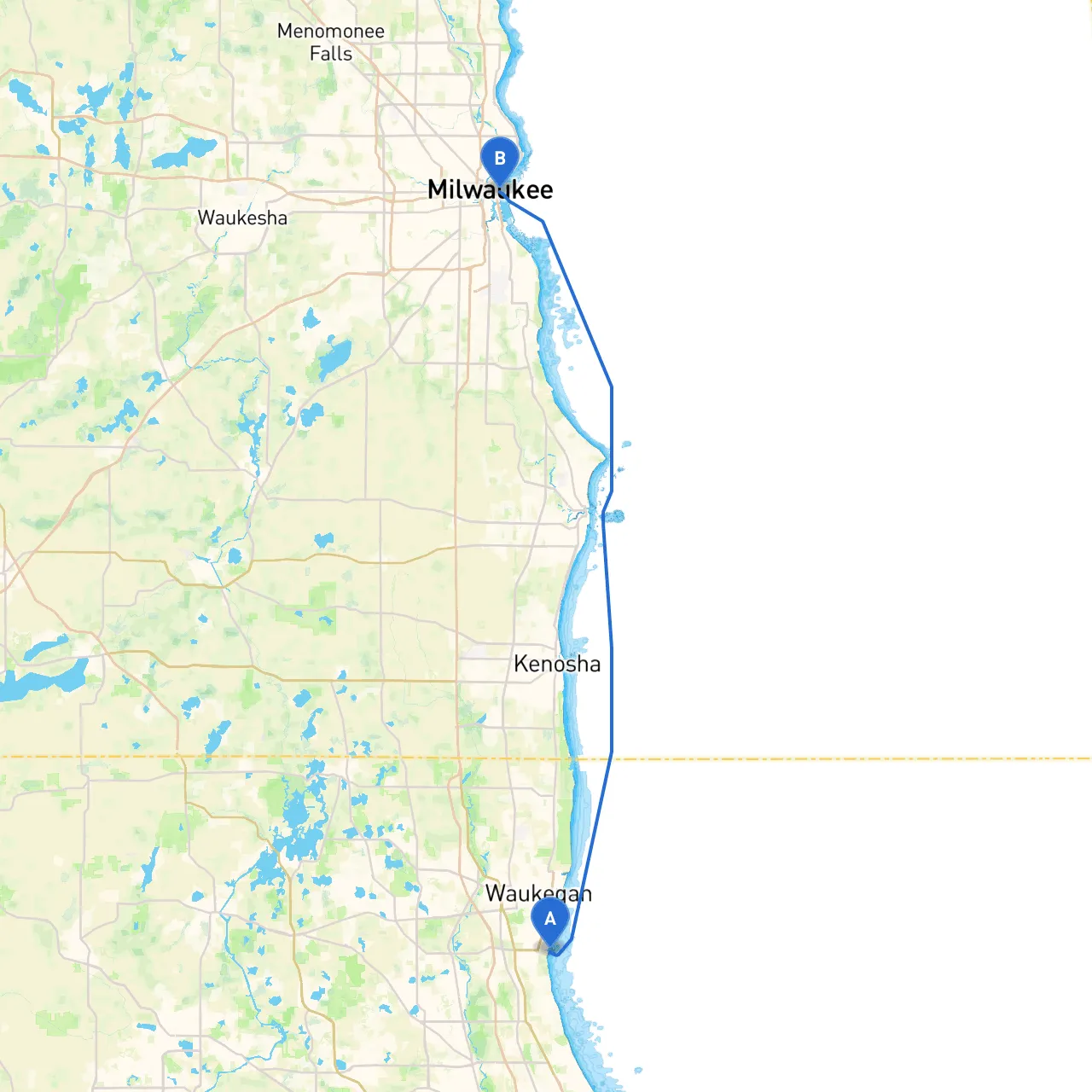
The geographical proximity of Milwaukee and Chicago makes travel between them remarkably convenient, typically taking just a couple of hours. This ease of access positions the two cities as ideal candidates for combined trips, allowing travelers to experience diverse urban cultures within a single getaway. The primary distance between downtown Chicago and downtown Milwaukee is approximately 90 to 100 miles (145 to 160 kilometers), depending on the exact starting and ending points. This relatively short distance opens up several practical and enjoyable travel options, each offering its own set of advantages in terms of cost, comfort, and scenic appeal.
Driving: The Most Popular Route
For many, hitting the open road is the preferred method of travel between Chicago and Milwaukee. The journey is straightforward, primarily following Interstate 94 (often referred to simply as I-94), which runs directly north from Chicago into Wisconsin. The average driving time, without significant traffic, is typically between 1 hour and 30 minutes to 2 hours. However, it is crucial to factor in potential delays, especially during peak travel times such as rush hour (morning and late afternoon on weekdays) or holiday weekends. Traffic can significantly extend the journey, particularly when navigating the sprawling urban areas around both cities.
The route itself is mostly flat and well-maintained, offering an uneventful drive. While there aren’t many dramatic scenic vistas along the immediate interstate, the convenience of having your own vehicle allows for flexibility. You can depart on your own schedule, make spontaneous stops, and have easy access to attractions once you arrive at your destination. This is particularly appealing for those planning to explore areas outside the central downtown districts of Milwaukee or Chicago, or for travelers carrying a lot of luggage. Be aware that parts of I-94 in Illinois are toll roads, so having an I-PASS or being prepared to pay tolls (some cashless) is advisable. Parking availability and costs should also be considered when choosing to drive, especially in the downtown areas of both cities.
Public Transportation: Trains and Buses
For those who prefer to sit back and enjoy the ride without the responsibilities of driving, public transportation offers excellent alternatives. Both train and bus services provide efficient and comfortable ways to travel between Chicago and Milwaukee.
The Amtrak Hiawatha Service is arguably the most popular and pleasant public transport option. This dedicated train route runs multiple times a day, seven days a week, making it a highly convenient choice. The Amtrak Hiawatha Service boasts a swift journey, typically taking around 1 hour and 30 minutes, often rivaling or even beating driving times when traffic is heavy. Trains depart from Chicago Union Station and arrive at the Milwaukee Intermodal Station, both centrally located and well-connected to local public transport networks, taxis, and rideshares. Travelers can enjoy comfortable seating, Wi-Fi, and a cafe car, making for a relaxing journey. Booking tickets in advance is recommended, especially during peak season or holidays, as fares can be more competitive. For many, the train offers a chance to unwind, catch up on work, or simply gaze out the window at the passing Midwest landscape.
Bus services like Greyhound and Megabus also provide frequent and often more budget-friendly options. The travel time by bus is generally a bit longer than by train or car, usually ranging from 1 hour and 45 minutes to 2 hours and 30 minutes, depending on the specific service and any stops made along the way. While bus travel might offer fewer amenities than Amtrak, the lower cost can be a significant advantage for budget-conscious travelers. Bus stations in both cities are typically well-located, offering relatively easy access to downtown attractions. This mode of transport is particularly appealing for students, backpackers, or anyone looking to minimize travel expenses without sacrificing convenience.
Flying: A Niche Option
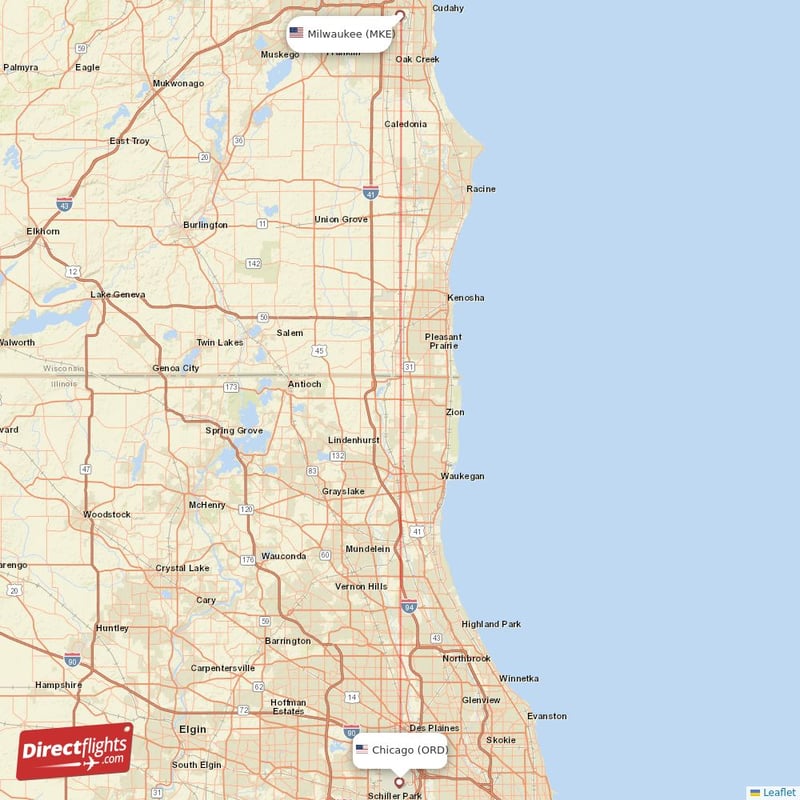
Given the relatively short distance between Milwaukee and Chicago, flying is rarely the most practical or time-efficient option. There are no direct commercial flights specifically connecting the two cities’ main airports in a way that would make sense for this particular journey. Most flight routes would involve connecting flights, significantly increasing travel time and cost.
However, if you are arriving in the Midwest from a distant location and Milwaukee is your ultimate destination, you might choose to fly into Chicago’s O’Hare International Airport (ORD) or Midway International Airport (MDW) and then take ground transportation to Milwaukee. O’Hare, in particular, offers direct bus services (such as Coach USA) that can take you directly to General Mitchell International Airport (MKE) in Milwaukee or the downtown Milwaukee Intermodal Station. This combined air-to-ground approach can be efficient for travelers flying long distances into the region. For domestic travelers within the United States specifically targeting the Chicago-Milwaukee corridor, direct driving, train, or bus travel will almost always be more sensible and cost-effective.
Discovering Milwaukee: A Midwest Gem Worth the Trip
Once you’ve made the easy journey from Chicago, Milwaukee welcomes visitors with its distinct charm, rich history, and vibrant contemporary scene. Often overshadowed by its larger southern neighbor, Milwaukee stands proud as a destination brimming with cultural attractions, culinary delights, and a laid-back, friendly atmosphere. It’s a city that effortlessly blends its industrial heritage with modern sophistication, making it an appealing stop for any traveler.
Top Attractions and Landmarks
Milwaukee’s landscape is dotted with fascinating landmarks and attractions that cater to diverse interests. A must-visit is the iconic Milwaukee Art Museum, famed for its stunning Quadracci Pavilion, designed by Santiago Calatrava, with its soaring “wings” that open and close. Beyond its architectural brilliance, the museum houses an impressive collection spanning from antiquity to contemporary art. For motorcycle enthusiasts, the Harley-Davidson Museum offers an immersive journey through the history of this legendary brand, complete with vintage bikes, interactive exhibits, and a glimpse into American manufacturing.
Strolling through the Historic Third Ward is like stepping into a vibrant urban canvas. This former warehouse district is now a hub for art galleries, boutiques, restaurants, and theaters, all housed within beautifully preserved Victorian-era buildings. It’s an ideal spot for an afternoon of shopping, dining, or simply soaking in the artistic atmosphere. The adjacent Milwaukee RiverWalk provides picturesque pathways along the Milwaukee River, connecting various neighborhoods and offering charming views of the city skyline. During warmer months, Bradford Beach on Lake Michigan’s shore offers a slice of coastal relaxation, complete with sand volleyball, sunbathing, and refreshing lake breezes.
Milwaukee is also synonymous with beer, a heritage deeply rooted in its German immigrant history. Visitors can explore numerous historic breweries like MillerCoors (now Molson Coors Beverage Company) or delve into the burgeoning craft beer scene with tours and tastings at smaller, independent breweries. Beyond beer, the city hosts Summerfest, billed as “The World’s Largest Music Festival,” drawing hundreds of thousands of visitors each year to its extensive lineup of musical acts across multiple stages. Other notable venues include the Marcus Center for the Performing Arts for theatre and concerts, and the Fiserv Forum, home to the NBA’s Milwaukee Bucks and host to major concerts and events.
Where to Stay: Accommodation Options in Milwaukee
Milwaukee offers a range of accommodation options to suit every budget and travel style, from luxurious boutique hotels to comfortable, budget-friendly stays. For those seeking an upscale experience, hotels like The Iron Horse Hotel, a repurposed warehouse catering to motorcycle enthusiasts and luxury travelers, offer stylish rooms, exceptional service, and a unique ambiance. Saint Kate – The Arts Hotel provides an immersive artistic experience, with rotating art installations, performance spaces, and thoughtfully designed rooms. Another excellent choice in the Historic Third Ward is the Kimpton Journeyman Hotel, known for its chic design and rooftop bar offering panoramic city views.
For travelers looking for mid-range options, numerous well-known hotel chains offer comfortable stays with standard amenities across the city, particularly around the downtown core and near major attractions. These provide reliable quality and value, making them a popular choice for business travelers and families alike. Budget-conscious visitors can find value in motels located slightly outside the city center or explore hostel options for a more communal and cost-effective experience.

For longer stays or those desiring more space and a home-away-from-home feel, serviced apartments and vacation rentals booked through platforms like Airbnb are increasingly popular. These options often come equipped with kitchens and living areas, providing flexibility and potentially significant savings on dining out. Whether you’re in town for a quick weekend getaway or an extended visit, Milwaukee’s accommodation landscape is well-equipped to provide a comfortable and convenient base for your adventures. The recently redeveloped Deer District area, surrounding the Fiserv Forum, also offers new hotel developments and a lively atmosphere. For a unique stay, the Potawatomi Casino Hotel provides entertainment and dining right on site.
Milwaukee’s Culinary Scene and Local Culture
Milwaukee’s culinary scene is a delightful reflection of its diverse cultural heritage, particularly its German roots, but also a growing hub for contemporary American cuisine. No visit is complete without trying authentic Wisconsin cheese curds, ideally deep-fried and served with a dipping sauce – a true local delicacy. The city’s beer culture, as mentioned, is paramount, and pairing local brews with traditional German fare like bratwurst, schnitzel, and hearty pretzels is a quintessential Milwaukee experience.
Beyond tradition, Milwaukee boasts an impressive array of farm-to-table restaurants, pushing the boundaries of Midwest cuisine with fresh, locally sourced ingredients. Neighborhoods like the Historic Third Ward, Brady Street, and Walker’s Point are culinary hotspots, home to everything from upscale dining establishments to casual cafes and vibrant food trucks. You can find diverse international flavors, innovative cocktails, and charming coffee shops catering to every palate. The city’s food markets, such as the Milwaukee Public Market, offer an exciting gastronomic journey, with various vendors selling gourmet foods, fresh produce, and prepared meals. Attending a local farmers’ market also provides a great way to engage with the community and sample regional specialties.
The local culture in Milwaukee is often characterized by its friendliness and a genuine sense of community. It’s a city that embraces its past while looking forward, evident in its thriving arts scene, numerous festivals celebrating everything from music to ethnic heritage, and a strong sense of civic pride. Whether you’re enjoying a craft beer at a local taproom, exploring a historic neighborhood, or cheering on the Milwaukee Bucks at the Fiserv Forum, you’ll find Milwaukee offers a warm and engaging cultural experience that differentiates it from its larger, more bustling neighbor.
Why Make the Trip? Chicago’s Allure and Beyond
While Milwaukee offers a charming and distinct experience, Chicago remains one of the United States’ most captivating cities, serving as a dynamic counterpoint to its northern counterpart. Its global reputation as a hub for architecture, art, music, and culinary innovation makes it an essential destination for any traveler, and its proximity to Milwaukee means you can easily combine visits to both.
Iconic Chicago Landmarks and Experiences
Chicago’s skyline is instantly recognizable, a testament to its architectural prowess. A visit to the city would be incomplete without exploring its world-famous landmarks. Millennium Park is home to the iconic Cloud Gate, affectionately known as “The Bean,” a public sculpture that reflects the city’s impressive architecture and bustling activity. Nearby, the Art Institute of Chicago is a treasure trove of art, boasting an encyclopedic collection that rivals the best museums globally. For panoramic views of the city and Lake Michigan, the Willis Tower Skydeck (formerly the Sears Tower) offers an unforgettable experience, including “The Ledge,” glass boxes extending out from the building.
The vibrant Navy Pier stretches into Lake Michigan, offering entertainment for all ages, from carnival rides and boat tours to dining and live performances. For shoppers, the Magnificent Mile on Michigan Avenue is a paradise of luxury boutiques, department stores, and flagship brands. Beyond the landmarks, Chicago is renowned for its culinary contributions, most notably its deep-dish pizza, a cheesy, saucy masterpiece best enjoyed at local institutions like Lou Malnati’s or Giordano’s. The city’s jazz and blues clubs, particularly in neighborhoods like the South Side and Uptown, offer authentic musical experiences that are deeply embedded in Chicago’s cultural fabric. Whether you’re catching a Chicago Cubs game at Wrigleyville or exploring the world-class restaurants, Chicago promises endless excitement.
Accommodation Choices in Chicago
As a major global city, Chicago offers an extensive and sophisticated range of accommodation options, suitable for any budget, from opulent luxury to practical economy. For the pinnacle of luxury travel, hotels like The Langham, Chicago and Four Seasons Hotel Chicago provide unparalleled service, exquisite dining, and breathtaking city views, often located along the prestigious Magnificent Mile or in the River North district. These establishments offer lavish suites, world-class amenities, and an experience designed for discerning travelers.
Mid-range hotels are abundant throughout downtown, the Loop, and North Shore areas, including popular brands like the Hotel Chicago Downtown, Autograph Collection. These options strike a balance between comfort, convenience, and cost, often featuring modern facilities, fitness centers, and business services. Boutique hotels, such as Thompson Chicago in the Gold Coast, offer unique design aesthetics and personalized service, appealing to travelers seeking a more distinctive stay.
Budget travelers will find a variety of choices, including hostels in lively neighborhoods like Wicker Park or Lincoln Park, as well as more affordable chain hotels further from the immediate city center but still accessible via Chicago’s efficient public transportation system. Vacation rentals through platforms like Airbnb are also popular, especially for groups or families, offering the flexibility of self-catering and a more local experience in neighborhoods such as Logan Square or Fulton Market. When choosing accommodation in Chicago, consider the neighborhood’s proximity to your desired attractions and public transit options to maximize your travel efficiency.
Planning Your Ideal Midwest Getaway
The relatively short distance between Milwaukee and Chicago makes them an ideal pair for a multi-city Midwest itinerary. You can easily spend a few days exploring the grandeur of Chicago before heading north for a relaxed and culturally rich experience in Milwaukee. This combination allows travelers to enjoy both the bustling energy of a world-class metropolis and the friendly charm of a historic lakeside city.
When planning your trip, consider the time of year. Summer brings vibrant festivals like Summerfest in Milwaukee and numerous outdoor events in Chicago, but also higher hotel prices and larger crowds. Spring and fall offer pleasant weather, fewer tourists, and beautiful seasonal changes, making them excellent times to visit. Winter can be cold, but both cities transform into festive holiday destinations, offering unique experiences like ice skating and indoor attractions.
Budget-conscious travelers can save by opting for bus travel, staying in hostels or budget hotels, and taking advantage of free attractions like Millennium Park or the Milwaukee RiverWalk. Luxury travelers, on the other hand, can indulge in premium train services, stay in five-star hotels, and enjoy fine dining and exclusive experiences in both cities. Whether you’re planning a romantic getaway, a family vacation, or a business trip with leisure time built in, the Chicago-Milwaukee corridor offers a flexible and rewarding journey.
Conclusion
The question of “How far is Milwaukee from Chicago?” ultimately has a very encouraging answer: close enough to make visiting both cities not just possible, but highly recommended. The journey, whether by car, train, or bus, is short and convenient, bridging two distinct urban landscapes that together paint a comprehensive picture of the vibrant American Midwest. From the architectural marvels and deep-dish delights of Chicago to the brewing heritage and artistic charm of Milwaukee, travelers are invited to explore a rich tapestry of culture, history, and modern attractions. Planning a combined trip allows for a truly diverse travel experience, showcasing the best of Illinois and Wisconsin with ease and enjoyment. So pack your bags, choose your mode of transport, and embark on an unforgettable journey between these two fantastic lakeside cities.
LifeOutOfTheBox is a participant in the Amazon Services LLC Associates Program, an affiliate advertising program designed to provide a means for sites to earn advertising fees by advertising and linking to Amazon.com. Amazon, the Amazon logo, AmazonSupply, and the AmazonSupply logo are trademarks of Amazon.com, Inc. or its affiliates. As an Amazon Associate we earn affiliate commissions from qualifying purchases.