
Navigating the intricacies of time zones is an often-overlooked yet critical aspect of travel planning, especially when visiting a diverse and expansive state like Nevada. While widely recognized for its vibrant cities and vast desert landscapes, understanding the local time is more than just a trivial detail; it’s fundamental to ensuring a seamless and enjoyable experience, from booking your flights to scheduling your dinner reservations. Nevada predominantly operates on one major time zone, but a crucial exception in its eastern reaches means that travelers must be aware of potential shifts. This guide will delve into the nuances of Nevada’s time zones, the role of Daylight Saving Time, and provide essential tips for visitors to make the most of their stay, ensuring every moment of their Nevada adventure is perfectly synchronized.
Navigating the Clock: Understanding Nevada’s Time Zones
When planning a trip to the Silver State, one of the first questions many travelers might ponder is, “What time is it there?” While the answer seems straightforward for most states, Nevada presents a subtle yet significant distinction. The vast majority of the state adheres to one time standard, but a specific sliver along its eastern border observes a different clock. Understanding this geographical time split is crucial for effective itinerary planning, particularly for those exploring the less-traveled paths or transitioning between neighboring states.
The Dominance of Pacific Standard Time (PST)
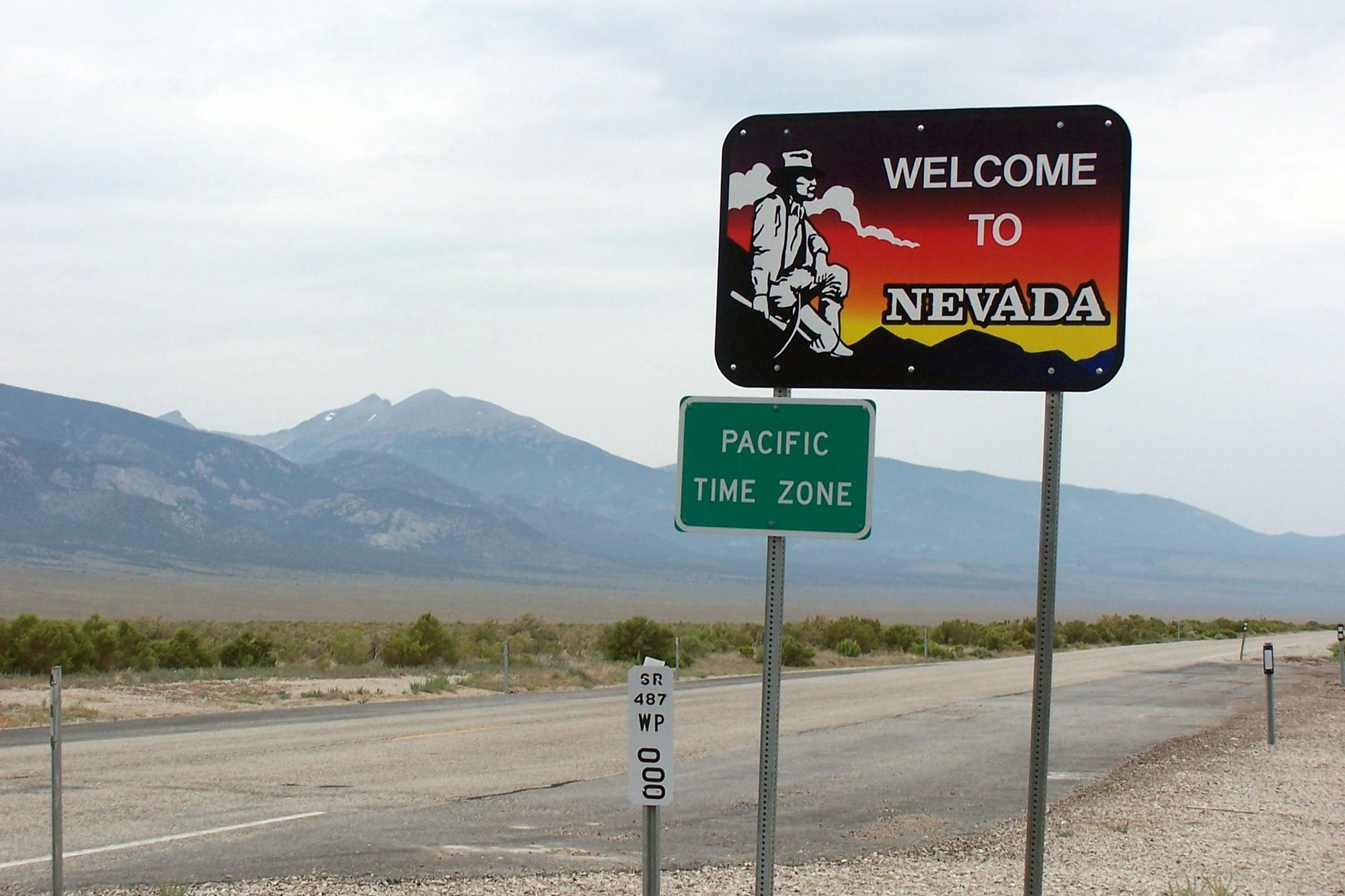
For the overwhelming majority of its geographical area, Nevada observes Pacific Standard Time (PST) during the winter months. This includes all the major metropolitan areas and iconic destinations that draw millions of visitors annually. Cities like Las Vegas, the entertainment capital of the world, and Reno, the “Biggest Little City in the World,” both fall firmly within the PST zone. The state capital, Carson City, and the picturesque Lake Tahoe region also align with PST.
For travelers arriving from other parts of the United States or international destinations, being aware of this primary time zone is your first step in avoiding any chronological missteps. When flying into McCarran International Airport in Las Vegas or Reno-Tahoe International Airport, your watch should be set to PST upon landing. This consistency across popular travel hubs simplifies logistics for most visitors, from coordinating hotel check-ins at world-class resorts to making reservations for top-tier shows and dining experiences. The relative uniformity across western and central Nevada means that once you’re on PST, you can generally relax, knowing that most of your immediate travel plans will adhere to a single time standard.
The Eastern Exception: Mountain Standard Time (MST)
While PST governs the majority of Nevada, there’s a distinct exception that travelers, especially those venturing off the main tourist trails, need to note. A small portion of Nevada along its eastern border, primarily within Elko County, observes Mountain Standard Time (MST). This means these communities are one hour ahead of the rest of the state. During standard time, if it’s 3:00 PM in Las Vegas, it will be 4:00 PM in these eastern areas.
This unique time zone alignment is mainly due to the proximity of these towns to the neighboring state of Utah, which operates entirely on MST. For economic and logistical reasons, communities such as West Wendover, Jackpot, Mountain City, and Wells have adopted MST to synchronize with their immediate commercial and social connections across the state line. For example, West Wendover, a popular casino town right on the Utah border, effectively operates on MST to match its sister city, Wendover, Utah.
For travelers on cross-country road trips or those exploring the rural beauty and unique cultural experiences of eastern Nevada, this time zone change is crucial. Failing to account for this one-hour jump could lead to missed appointments, late check-ins at local motels or boutique accommodations, or arriving an hour early for a tour of historical landmarks or a local dining experience. It’s a key detail for ensuring smooth travel and fully immersing oneself in the local lifestyle and attractions of these distinctive eastern communities.

The Dance with Daylight Saving Time
The annual ritual of adjusting clocks for Daylight Saving Time (DST) adds another layer of complexity to Nevada’s time landscape. While the state’s time zone boundaries remain fixed, the shift forward and backward by an hour affects how these time zones are observed and how travelers should plan their itineraries. Unlike some states, like much of Arizona, which do not observe DST, Nevada fully participates in this biannual clock change.
How Nevada Observes the Shift
During Daylight Saving Time, which typically runs from early March to early November, the clocks in Nevada “spring forward” by one hour. This means that Pacific Standard Time (PST) becomes Pacific Daylight Time (PDT), and Mountain Standard Time (MST) becomes Mountain Daylight Time (MDT). The result is that most of Nevada operates on PDT, while the eastern border communities switch to MDT.
This shift effectively means that during the warmer months, the time difference between the main part of Nevada and the eastern MST zone remains consistent: the eastern part is still one hour ahead. However, the reference point changes. For instance, if you’re traveling from a state that doesn’t observe DST, such as parts of Arizona, you’ll need to adjust your perception of time relative to Nevada. This is particularly relevant for those planning extended stays or business trips during the spring and summer months, as it impacts everything from flight schedules to hotel amenities operating hours. The extra hour of daylight can also influence tourism activities, allowing for longer outdoor adventures and later evening strolls through bustling city attractions.
Practicalities for the Border Towns
The observation of Daylight Saving Time holds specific implications for Nevada’s border towns, particularly those in Elko County that follow Mountain Standard Time. These towns, including West Wendover, Jackpot, Mountain City, and Wells, advance their clocks to Mountain Daylight Time in sync with their Utah and Idaho neighbors. This consistency simplifies cross-border commerce and community life, but it underscores the need for travelers to be acutely aware of the time change when crossing into or out of these areas.
Imagine planning a leisurely drive from Las Vegas to West Wendover in the spring. As you approach the eastern border, your GPS might automatically adjust, but relying solely on technology without a fundamental understanding could lead to confusion. For a seamless journey, whether you’re checking into a hotel or meeting friends for dinner, manually verifying the local time upon arrival in these MST/MDT zones is a wise practice. This awareness is key for anyone embracing the local culture, visiting historical sites, or participating in specific activities where timing is crucial.

Planning Your Nevada Adventure: Time Zone Considerations for Travelers
Understanding Nevada’s time zones is more than just academic knowledge; it’s a practical tool for designing a truly memorable and stress-free travel experience. From coordinating flights and hotel bookings to ensuring you don’t miss that highly anticipated show, mastering the clock nuances can significantly enhance your trip.
Major Destinations and Their Clocks
The diverse landscape of Nevada offers an array of experiences, each anchored to its specific time. Knowing which clock each major destination follows is the cornerstone of effective travel planning.
Las Vegas: The 24/7 City on PST
Las Vegas, the crown jewel of Nevada tourism, operates entirely on Pacific Standard Time (PST) or Pacific Daylight Time (PDT) during Daylight Saving Time. This 24/7 city thrives on a continuous cycle of entertainment, dining, and luxury, making precise timing less critical for spontaneous activities but absolutely vital for reservations. Whether you’re flying into Harry Reid International Airport, checking into a lavish suite at the Bellagio or The Venetian Resort Las Vegas, or catching a Cirque du Soleil show on the Strip, everything will be scheduled according to PST/PDT.
For the business traveler, coordinating meetings and conferences requires adherence to Las Vegas’ time zone. For families, ensuring children’s bedtimes align with local clocks can minimize jet lag and maintain routine. The city’s bustling tourism industry is finely tuned to this rhythm, ensuring that whether you’re enjoying world-class cuisine, exploring iconic landmarks, or trying your luck at a casino, your schedule will flow seamlessly.
Reno and Lake Tahoe: High Desert and Alpine Time
To the north, Reno and the surrounding Lake Tahoe area also observe Pacific Standard Time (PST) or Pacific Daylight Time. These destinations offer a stark contrast to Las Vegas, with their focus on outdoor adventures, natural beauty, and a more laid-back atmosphere. When planning a ski trip to Lake Tahoe resorts like Heavenly Mountain Resort or a fishing excursion on the lake, aligning with PST is crucial for maximizing your time.
Accommodation in Reno, ranging from large hotel casinos to charming boutique hotels, will also operate on PST. This consistency simplifies booking outdoor guides, coordinating rental car pickups, or planning dining experiences at local eateries in Reno or the scenic towns around Lake Tahoe. Whether you’re exploring the cultural sites in Carson City or enjoying the vibrant nightlife of Reno, the PST clock will be your constant companion.
Eastern Nevada: A Step Ahead in Adventure
Venturing into eastern Nevada presents a unique time challenge, as communities in Elko County like West Wendover, Jackpot, Mountain City, and Wells operate on Mountain Standard Time (MST) or Mountain Daylight Time. This one-hour difference from the rest of the state is particularly important for those embarking on road trips that span the state or include visits to Utah or Idaho.
For example, if you plan to visit the Great Basin National Park (which is on PST in Nevada, but close to the MST border), and then head to West Wendover for a night, you’ll gain an hour as you drive east but will need to advance your clock by one hour to match local time. This can affect everything from your expected arrival at a hotel to securing a table at a local restaurant or catching a live music performance in a border town casino. Being conscious of this time shift ensures a smooth transition and prevents any missed opportunities in these charming, frontier-style communities.
From Booking to Bedtime: Time Zone Impacts on Your Stay
The implications of Nevada’s time zones extend far beyond simply knowing what time it is. They touch upon nearly every aspect of your travel experience, from the initial planning stages to your daily activities and interactions.
- Accommodation Bookings: When reserving hotels, resorts, or even long-term stay apartments, ensure your arrival and departure times align with the specific property’s local time zone. A missed check-in due to a time zone miscalculation can result in forfeited reservations or unexpected delays, especially in popular tourist spots like Las Vegas where demand for suites and villas is high.
- Dining and Entertainment: Showtimes, restaurant reservations, and tour departure times are all rigidly set by local clocks. Missing a Michelin-star dinner reservation or the start of a world-famous magic show due to a one-hour error can be a significant disappointment, impacting both luxury and budget travel experiences.
- Travel Logistics: Flight schedules, bus departures, and even car rental pick-up/drop-off times are sensitive to time zones. If you’re coordinating multiple legs of a journey, perhaps flying into Las Vegas and then driving to Elko County, meticulous planning based on accurate time zones is essential.
- Communication: For business travelers or families keeping in touch with loved ones, understanding the time difference is vital for scheduling calls or virtual meetings. It also impacts how you interact with local services, from calling ahead to check attraction hours to making last-minute changes to your itinerary.
- Lifestyle Considerations: For family trips, adjusting children to a new time zone can be challenging. For those seeking a luxury travel experience, disruptions to schedule can detract from the seamlessness expected. Even budget travelers need to manage their time efficiently to maximize their exploration of local culture and activities.
Seamless Travel: Tips for a Chronologically Cohesive Trip
To ensure your Nevada trip is as smooth as possible, consider these practical tips:
- Set Your Devices Automatically: Most smartphones and modern devices automatically adjust to local time zones. Ensure this feature is enabled before you travel. However, always double-check against a reliable source, especially when approaching the MST border.
- Verify All Reservations: Before arriving, reconfirm all hotel bookings, dinner reservations, show tickets, and tour times, paying close attention to the specified time zone. Don’t assume.
- Know Your Route: If your itinerary includes traveling through Elko County or along the Utah/Idaho borders, be mentally prepared for the one-hour time shift. Adjust your watch or clock as you cross the invisible line.
- Buffer Your Schedule: Always build in extra time, particularly when transitioning between time zones or heading to time-sensitive appointments. This flexibility can alleviate stress if unforeseen delays or time zone confusions arise.
- Utilize World Clock Apps: Dedicated world clock applications can be helpful for visualizing time differences, especially if you’re coordinating with people in different parts of the country or world.
- Consider Jet Lag: If you’re traveling from significantly different time zones, factor in jet lag for the first day or two. While Nevada’s internal time zones are only an hour apart at most, the adjustment from a distant origin can impact your energy levels and enjoyment.
By giving due attention to “What Time Is In Nevada?” and its nuances, you’re not just setting your watch correctly; you’re setting the stage for a perfectly timed and truly unforgettable Nevada adventure. From the bright lights of Las Vegas to the rugged charm of the eastern frontier, every moment awaits your synchronized arrival.
LifeOutOfTheBox is a participant in the Amazon Services LLC Associates Program, an affiliate advertising program designed to provide a means for sites to earn advertising fees by advertising and linking to Amazon.com. Amazon, the Amazon logo, AmazonSupply, and the AmazonSupply logo are trademarks of Amazon.com, Inc. or its affiliates. As an Amazon Associate we earn affiliate commissions from qualifying purchases.