
The journey from the vibrant urban landscape of San Francisco to the serene vineyards of Napa Valley is a quintessential Northern California experience, beckoning travelers with promises of scenic drives, world-class culinary delights, and unparalleled wine tasting. Understanding the distance and various travel logistics is the first step in planning an unforgettable escape to the heart of California’s wine country.
The Scenic Journey: Distance and Drive Time
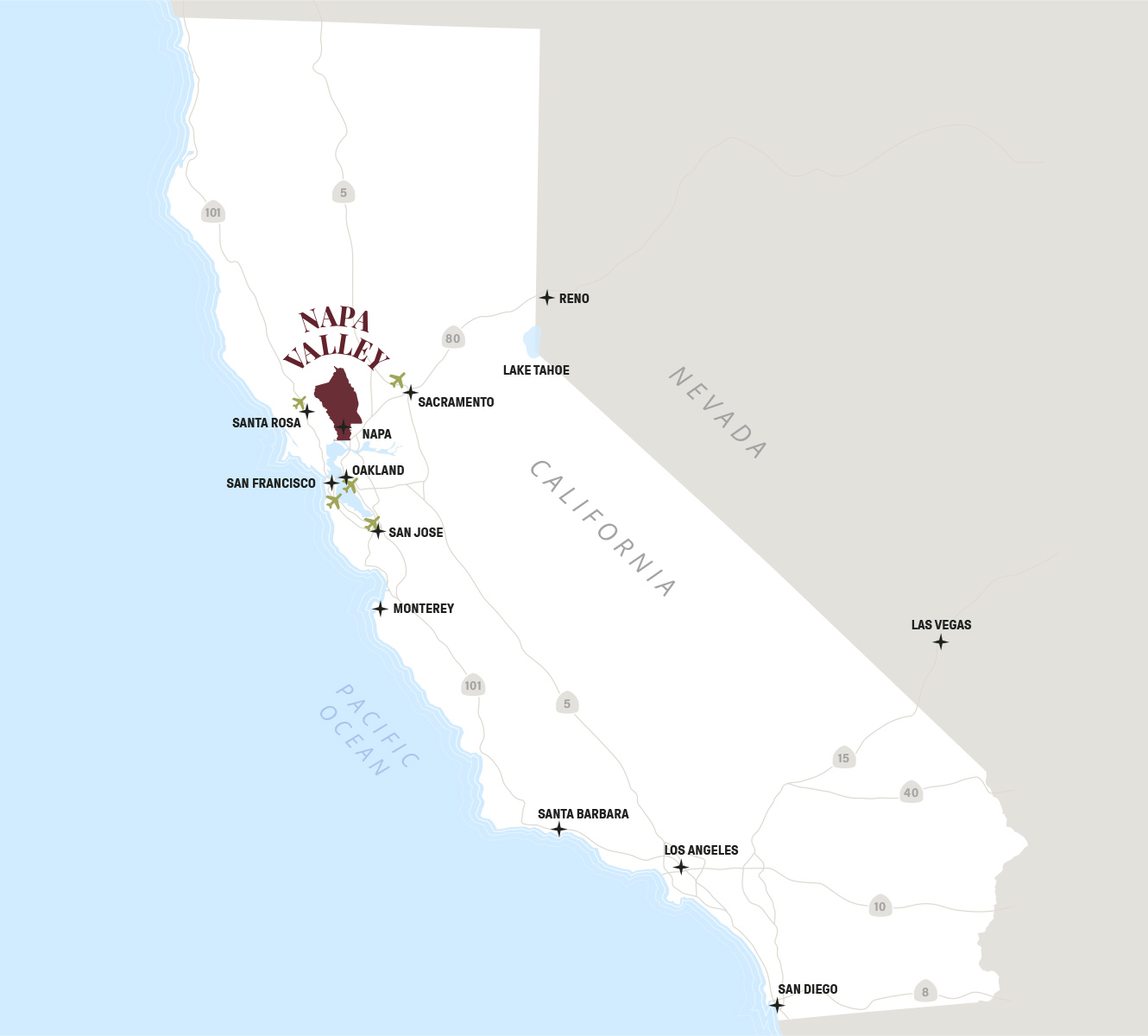
The distance between San Francisco and Napa Valley typically ranges from 50 to 65 miles (approximately 80 to 105 kilometers), depending on your specific starting point in San Francisco and your intended destination within the expansive Napa Valley region. The drive is a relatively straightforward one, connecting two of California’s most beloved destinations.

Under ideal traffic conditions, the drive usually takes between 1 hour and 15 minutes to 1 hour and 45 minutes. However, as with any major metropolitan area, traffic can significantly impact travel times, particularly during peak commuting hours on weekdays or during popular weekend events. Planning your departure to avoid these busy periods is crucial for a smooth and enjoyable journey.
Different Routes to Consider
Several routes connect San Francisco to Napa Valley, each offering slightly different travel times and scenic views.
- The Most Direct Route (via I-80 E and CA-37 W): This is generally considered the fastest route. From San Francisco, you’ll typically cross the Bay Bridge to Oakland, then take I-80 East towards Sacramento. After passing Vallejo, you’ll merge onto CA-37 West, which eventually connects to CA-29 North, the main artery through Napa Valley. This route offers views of the San Pablo Bay and the rolling hills of the North Bay.
- The More Scenic Route (via US-101 N and CA-37 E): For those prioritizing scenic beauty over minimal time savings, heading north out of San Francisco across the iconic Golden Gate Bridge is an appealing option. This route takes you through Marin County on US-101 North before connecting to CA-37 East (the “Sears Point Raceway” exit) and then onto CA-12 / CA-121 towards Napa. While potentially adding 15-30 minutes to your travel time, the vistas of the Golden Gate Bridge and the picturesque landscapes of Marin and Sonoma Counties make it a worthwhile detour for many travelers.
Peak Travel Times and Traffic
Traffic is a significant factor when traveling within the Bay Area. Avoiding peak hours is highly recommended. Weekday mornings (6:30 AM to 9:30 AM) and afternoons (3:30 PM to 6:30 PM) are typically the busiest. Friday afternoons can be particularly congested as many people head out of the city for weekend getaways. Similarly, Sunday afternoons can see heavy traffic returning to San Francisco.
For the most relaxed journey, consider departing San Francisco mid-morning (after 9:30 AM) or mid-day on a weekday. If traveling on a weekend, an early morning departure (before 9:00 AM) or a late afternoon departure can help you bypass the worst of the congestion. Real-time navigation apps are indispensable tools for monitoring traffic conditions and finding the fastest route at any given moment.
Transportation Options: Navigating Between Two Worlds
While driving offers the most flexibility, several other transportation options cater to different preferences and budgets, ensuring everyone can experience the delights of Napa Valley.
Driving Yourself: Freedom and Flexibility
Renting a car or driving your own vehicle remains the most popular choice for travelers heading to Napa Valley. The freedom to explore numerous wineries, stop at roadside attractions, and dine at secluded restaurants on your own schedule is unparalleled. Once in Napa Valley, a car is almost essential for getting around, as wineries and attractions are spread out along Highway 29 and the more scenic Silverado Trail.
Tips for Drivers:
- Designated Driver: If wine tasting is on your agenda, always ensure you have a designated driver or utilize ride-sharing services between wineries. Many services like Uber and Lyft operate throughout Napa Valley, though availability can vary in more remote areas.
- Parking: Most wineries offer ample parking. Downtown Napa and other towns like Yountville and St. Helena have public parking lots and street parking options.
- Tolls: Be aware that crossing the Bay Bridge from San Francisco into Oakland involves a toll. Golden Gate Bridge also has a toll for southbound traffic (entering San Francisco). Most tolls are collected electronically via FasTrak or by license plate recognition.
Public Transportation: A Greener Alternative
While not as direct or convenient as driving, public transportation offers a budget-friendly and environmentally conscious way to reach the fringes of Napa Valley.
- BART and Bus Combination: From San Francisco, you can take BART (Bay Area Rapid Transit) to the El Cerrito del Norte Station. From there, connect with the Vine Transit Bus Route 29, which travels up Highway 29 through Napa Valley to Calistoga. This option requires careful planning of schedules and transfers and is best suited for those staying primarily in downtown Napa or willing to use local ride-sharing once they arrive.
- Ferry and Bus: Another scenic option involves taking a ferry from San Francisco’s Ferry Building to Vallejo. From the Vallejo Ferry Terminal, you can catch a Vine Transit bus (e.g., Route 10) directly into the city of Napa. This approach combines a lovely Bay cruise with ground transportation, though total travel time can be longer.
Private Shuttles and Tours: Convenience and Luxury
For those who prefer a hassle-free experience without the responsibilities of driving, numerous private shuttle services and guided tours operate daily between San Francisco and Napa Valley.
- Shared Ride Shuttles: These services typically pick up from major hotels in San Francisco or San Francisco International Airport (SFO) and Oakland International Airport (OAK) and drop off at pre-determined locations or specific accommodations in Napa Valley. They are a convenient option for one-way transfers or round trips for individuals or small groups.
- Private Car Services: For a luxurious and personalized journey, private car services offer door-to-door transportation in comfortable vehicles. This is an excellent choice for special occasions or travelers seeking privacy and flexibility without the need to drive.
- Guided Wine Tours: Many companies offer all-inclusive day trips from San Francisco that include transportation to and from Napa Valley, visits to several wineries, and often lunch or other activities. These tours eliminate the need for a designated driver and provide expert commentary, making them ideal for first-time visitors or those looking for a curated experience.
Making the Most of Your Napa Valley Trip
Regardless of how you choose to travel, arriving in Napa Valley opens up a world of experiences. Careful planning can help maximize your enjoyment of this renowned destination.
Ideal Itinerary Planning
To fully appreciate Napa Valley, consider a multi-day visit. A single day trip from San Francisco can feel rushed, especially with travel time.
- For a Day Trip: Focus on a specific area, perhaps Yountville or the city of Napa, to limit travel between destinations. Book 2-3 winery appointments in advance, allowing ample time for each tasting and travel in between.
- For an Overnight or Weekend Stay: This allows for a more leisurely pace. You can explore different towns like St. Helena, Rutherford, and Calistoga, indulge in fine dining, and enjoy spa treatments or hot air balloon rides. Booking accommodations well in advance, especially during peak season, is essential.
Beyond the Vineyards: Exploring Napa’s Charms
While wine is the undisputed star, Napa Valley offers a rich tapestry of experiences beyond wine tasting.
- Culinary Excellence: The region is a mecca for foodies, boasting numerous Michelin-starred restaurants and farm-to-table eateries. Dining reservations, particularly for dinner, are highly recommended.
- Outdoor Activities: Enjoy cycling along scenic country roads, hiking in state parks like Bothe-Napa Valley State Park, or kayaking on the Napa River.
- Arts and Culture: Explore art galleries, visit the Napa Valley Museum, or catch a live performance.
- Spa and Wellness: Calistoga is particularly famous for its natural hot springs and mud baths, offering rejuvenating spa experiences.
San Francisco as Your Gateway to Wine Country
For many, San Francisco serves as the perfect launchpad for a Napa Valley adventure. Its accessibility from major airports and status as a world-class destination make it an ideal starting point for exploring the wider Northern California region.
Essential San Francisco Experiences Before Your Departure
Consider spending a few days in San Francisco before heading to Napa Valley. This allows you to acclimatize and enjoy some of the city’s iconic attractions:
- Ride a historic cable car.
- Visit Alcatraz Island for a glimpse into its storied past.
- Stroll through Golden Gate Park or relax on the beaches overlooking the Pacific Ocean.
- Explore diverse neighborhoods like Chinatown, the Mission District, or Fisherman’s Wharf.
These experiences will enrich your overall California travel itinerary, providing a perfect contrast between urban energy and pastoral tranquility.

Choosing Your Departure Point
When planning your journey to Napa Valley, consider your specific departure point within San Francisco.
- Downtown/Union Square: Central hotels offer easy access to major freeways and public transport hubs.
- Fisherman’s Wharf/North Beach: These areas are closer to the Golden Gate Bridge route and also offer easy access to the Ferry Building for the scenic ferry option to Vallejo.
- Near Airports (SFO/OAK): If flying in, you might opt to pick up a rental car directly from the airport and head straight to Napa Valley to save time, bypassing San Francisco temporarily if your primary goal is wine country.
Ultimately, the journey from San Francisco to Napa Valley is more than just covering distance; it’s an integral part of the adventure. With proper planning and consideration of your preferred travel style, you can ensure a seamless and memorable transition from city bustle to wine country bliss.
LifeOutOfTheBox is a participant in the Amazon Services LLC Associates Program, an affiliate advertising program designed to provide a means for sites to earn advertising fees by advertising and linking to Amazon.com. Amazon, the Amazon logo, AmazonSupply, and the AmazonSupply logo are trademarks of Amazon.com, Inc. or its affiliates. As an Amazon Associate we earn affiliate commissions from qualifying purchases.