
California, a land of diverse natural landscapes ranging from pristine coastlines to towering mountain ranges and sprawling deserts, is renowned for its sunny skies and often, its profound aridity. This characteristic dryness, particularly during its long, hot summers, is not merely a seasonal anomaly but a fundamental aspect of its natural environment, shaped by a unique confluence of global atmospheric patterns, formidable topography, and oceanic influences. Understanding why California is so dry provides crucial insights into the formation of its iconic natural landmarks and the intricate ecosystems that thrive—or struggle—within its borders.
The Dominance of California’s Mediterranean Climate
At the heart of California’s dryness lies its distinctive Mediterranean climate. This rare climatic classification, found in only a handful of regions worldwide, is defined by hot, dry summers and mild, wet winters. Unlike tropical or temperate zones that receive consistent rainfall throughout the year, California’s precipitation is concentrated within a few months, leaving the majority of the year parched.
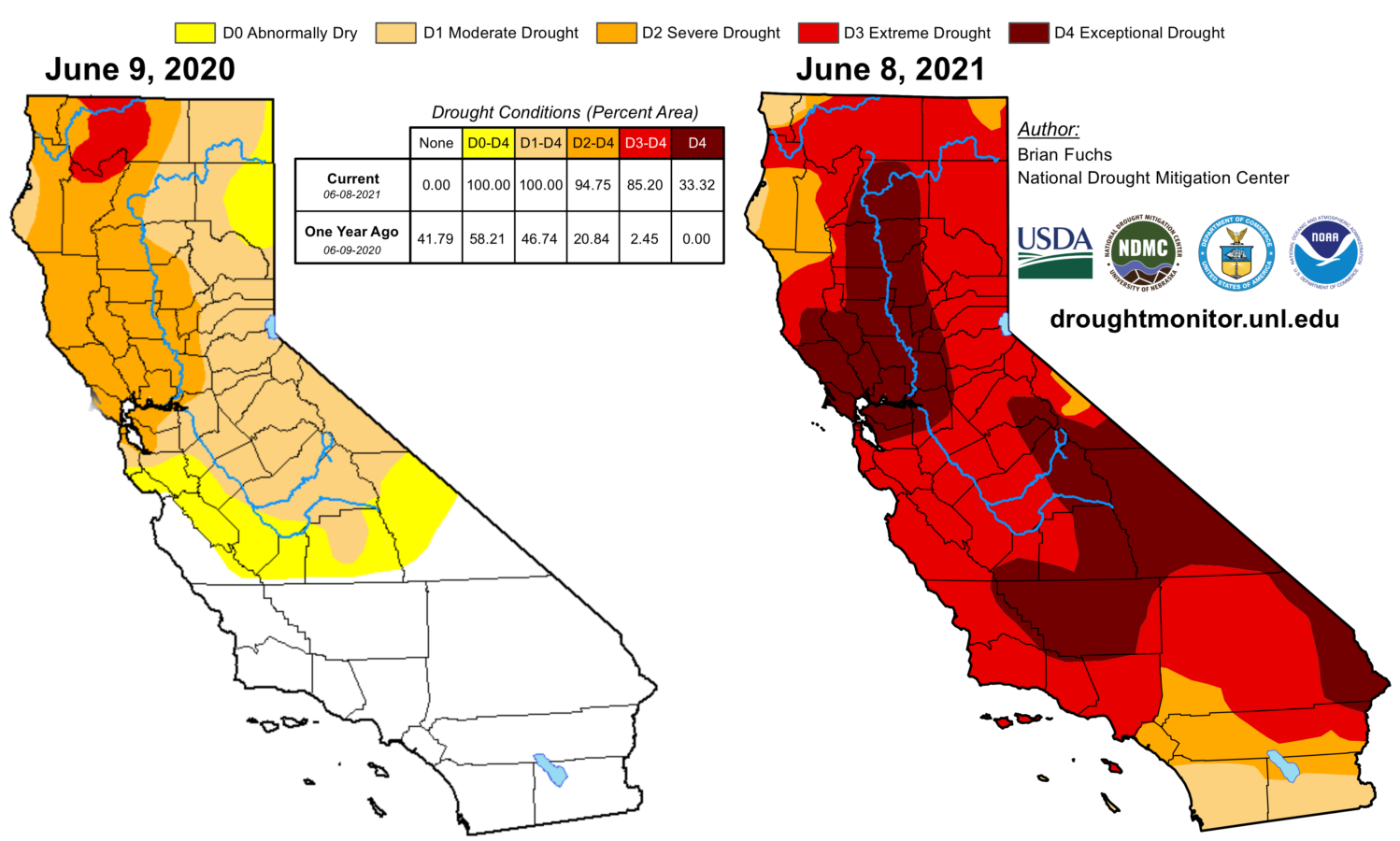
Winter Rains, Summer Droughts
The rhythm of wet winters and dry summers is primarily driven by the seasonal migration of the Pacific High-Pressure System. During the summer months, this vast area of high atmospheric pressure shifts northward, settling off the coast of California. High-pressure systems are associated with sinking air, which warms as it descends, suppressing cloud formation and precipitation. This creates a powerful atmospheric lid, preventing moisture-laden storms from reaching the state, resulting in its famously sunny and rainless summers.
Conversely, in winter, the Pacific High-Pressure System weakens and shifts southward. This allows the storm track, carrying moisture from the Pacific Ocean, to move over California, bringing the bulk of the state’s annual rainfall and snowfall. However, even these winter storms are often irregular, contributing to the state’s natural variability in precipitation.
Majestic Mountains and the Rain Shadow Effect
Beyond the broad climatic patterns, California’s remarkable mountain ranges play a critical role in exacerbating its dryness, particularly in the eastern and southern parts of the state. This phenomenon is known as the rain shadow effect, a dramatic testament to the power of topography in shaping regional climates.
The Sierra Nevada Barrier
The most prominent example of this effect is created by the Sierra Nevada mountain range, an imposing granite wall stretching over 400 miles along California’s eastern flank. When moist air masses from the Pacific Ocean move eastward, they are forced to rise as they encounter the towering peaks of the Sierra Nevada. As the air ascends, it cools, leading to condensation, cloud formation, and significant precipitation on the western slopes. These windward slopes are home to lush forests and receive abundant rainfall and some of the heaviest snowfall in North America, feeding the rivers that flow into the Central Valley.
Once the air crosses the peaks, it descends the leeward (eastern) side. As it descends, it warms and dries out, having shed much of its moisture on the western slopes. This warm, dry air creates a dramatic rain shadow, transforming the landscape immediately east of the Sierra Nevada into some of the most arid regions in the United States.
Deserts in the Lee
This rain shadow effect is responsible for the existence of California’s vast and iconic desert landscapes, including the Mojave Desert and Death Valley. These areas receive minimal annual rainfall, often less than 5-10 inches, and are characterized by extreme temperatures, sparse vegetation, and unique geological formations. The Mojave Desert, with its Joshua trees and vast expanses, is a prime example of a landscape shaped by this severe aridity. Similarly, the Transverse Ranges and Peninsular Ranges in Southern California contribute to the dry conditions found in interior valleys and deserts south of cities like Los Angeles.
Oceanic Currents and Atmospheric Stability
The vastness of the Pacific Ocean bordering California might suggest a source of abundant moisture, yet specific oceanic dynamics further contribute to the state’s dryness, especially along its coast.

The California Current’s Cooling Influence
The California Current is a cold ocean current that flows southward along the western coast of North America. This cold water significantly chills the air directly above it. When this cold, stable air mass moves inland, it acts as a strong inversion layer, trapping warmer air above and cooler air below. This atmospheric stability prevents the vertical movement of air necessary for convection and cloud development that leads to rainfall. The cool, stable marine layer often results in coastal fog, particularly in areas like San Francisco, but rarely translates into substantial precipitation. While fog provides some moisture to coastal ecosystems, it does not alleviate the broader dryness of the interior.
Fog as a Natural Anomaly
While the California Current contributes to overall dryness, the phenomenon of coastal fog is a peculiar natural adaptation for many coastal plant species. The towering Redwood forests, for instance, in northern California, depend heavily on summer fog drip to sustain themselves during the dry season. This moisture, while vital for these specific ecosystems, does not alter the fact that the actual precipitation is low, highlighting the unique ways nature adapts to arid conditions.
Natural Variability and the Echo of Drought
California’s climate is not static but rather characterized by significant natural variability, with periods of abundant rainfall punctuated by prolonged and severe droughts. This inherent fluctuation further emphasizes the state’s susceptibility to dryness.
Cycles of El Niño and La Niña
Large-scale climate phenomena like El Niño and La Niña, components of the El Niño-Southern Oscillation (ENSO), exert considerable influence over California’s weather patterns. El Niño conditions, characterized by warmer-than-average ocean temperatures in the equatorial Pacific Ocean, often lead to a southerly shift in the jet stream, directing more storms toward Southern California and potentially bringing above-average rainfall. Conversely, La Niña, with cooler-than-average equatorial Pacific Ocean temperatures, typically pushes the storm track northward, leading to drier conditions for much of the state. These natural cycles contribute to the boom-and-bust precipitation patterns that define California’s water availability.
Historical Drought Patterns
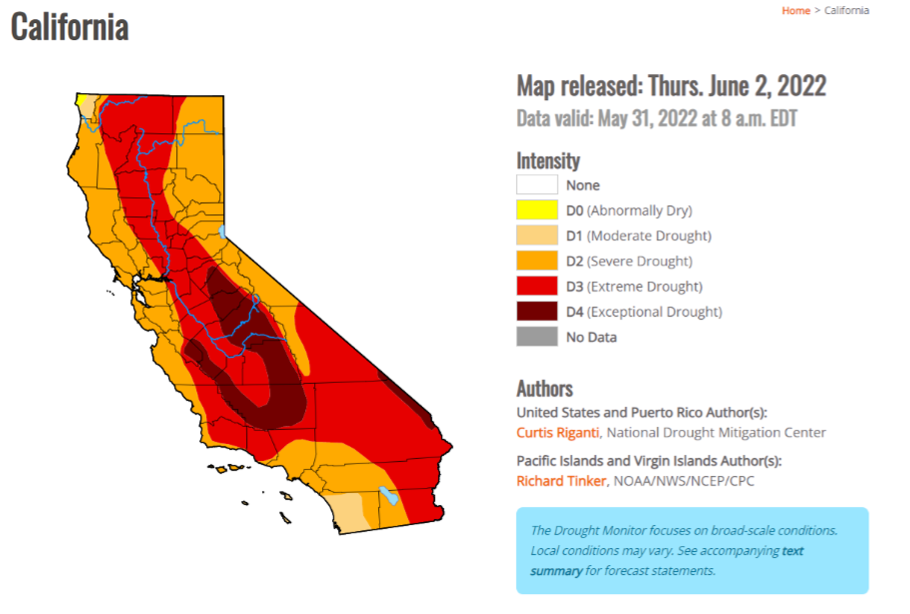
Paleoclimatic studies, examining tree rings and lake sediments, reveal that multi-year and even multi-decade droughts have been a recurring feature of California’s climate for millennia. This history suggests that long periods of dryness are not anomalies but rather integral parts of the state’s natural climatic regime. The recent severe droughts, while potentially exacerbated by climate change, fit within this long-term pattern of natural variability, underscoring the deep-seated aridity of the region.
Shaping California’s Iconic Natural Landmarks
The pervasive dryness has profoundly shaped the very fabric of California’s natural landmarks and ecosystems, giving rise to unique and resilient forms of life and dramatic geological features.
From Mojave Desert to Yosemite‘s Dry Falls
The sheer aridity and the rain shadow effect are responsible for the breathtaking, stark beauty of natural landmarks like Death Valley National Park, a land of salt flats, sand dunes, and colorful badlands that holds the record for the lowest point in North America. The Mojave Desert showcases unique flora like the Joshua tree, adapted to extreme drought and heat, forming forests unlike any other. Even in seemingly wetter regions like Yosemite National Park, the powerful waterfalls that roar in spring can dwindle to mere trickles or disappear entirely by late summer, a direct consequence of the long dry season and the reliance on winter snowmelt. The iconic granite domes and valleys of Yosemite themselves are carved by glaciers whose existence relied on colder, wetter epochs, now primarily defined by the seasonal ebb and flow of water.
Adaptations in Flora and Fauna
The plants and animals that call dry California home exhibit remarkable adaptations to conserve water and survive prolonged periods without rain. Chaparral and sagebrush, characteristic vegetation of much of the state, are drought-deciduous or possess small, waxy leaves to minimize water loss. Many native animal species are nocturnal, avoiding the searing daytime heat, or can survive on minimal water intake. This natural adaptation to dryness is a testament to the long-standing arid conditions that have sculpted California’s natural heritage, making it a land of compelling contrasts and enduring resilience. The diverse natural landmarks across the state—from the rugged, sun-baked hillsides of the San Joaquin Valley to the mist-shrouded coastal redwood groves—each tell a story of how life has adapted to, and been shaped by, California’s inherent aridity.
LifeOutOfTheBox is a participant in the Amazon Services LLC Associates Program, an affiliate advertising program designed to provide a means for sites to earn advertising fees by advertising and linking to Amazon.com. Amazon, the Amazon logo, AmazonSupply, and the AmazonSupply logo are trademarks of Amazon.com, Inc. or its affiliates. As an Amazon Associate we earn affiliate commissions from qualifying purchases.