
Embarking on a journey from the Garden State to the Cradle of Liberty involves traversing a significant stretch of the bustling Northeastern Corridor. For anyone planning a trip, understanding the distance, available transportation methods, and estimated travel times is crucial to crafting a seamless and enjoyable experience. Whether you’re commuting for business, visiting family, or simply exploring the diverse landscapes and cultures of the East Coast, the path from New Jersey to Boston offers a variety of options tailored to different preferences and budgets.
Mapping Your Journey: Distance and Drive Time
The geographical distance between New Jersey and Boston can vary slightly depending on your specific starting point in New Jersey and your ultimate destination in the Boston metropolitan area. However, for most practical purposes, the core distance remains consistent, typically ranging from 200 to 250 miles (approximately 320 to 400 kilometers).

The Direct Route
The most common and direct driving route largely follows Interstate 95 North. This highway, a major artery of the East Coast, connects many of the region’s largest cities. Starting from central New Jersey, the drive will take you through the urban sprawl around New York City, across Connecticut, and into Massachusetts before reaching Boston.
Under ideal driving conditions, meaning minimal traffic, this journey by car typically takes anywhere from 3.5 to 5 hours. It’s important to note that “ideal” conditions are often aspirational, especially when navigating such a heavily populated corridor.
Factors Influencing Travel Time
Several elements can significantly impact how long your trip will actually take:
- Traffic Congestion: This is perhaps the most significant factor. The stretch of I-95 through New York City and southern Connecticut is notorious for heavy traffic, particularly during peak commuting hours (early mornings, late afternoons) and on weekends or holidays. A drive that might take 4 hours without traffic could easily stretch to 6 or 7 hours with significant delays. Utilizing real-time navigation apps is highly recommended to predict and potentially circumvent bottlenecks.
- Time of Day/Week: Traveling early in the morning (before 6 AM) or late at night (after 9 PM) on weekdays often provides the clearest roads. Mid-day travel on weekdays can also be less congested than peak hours. Weekends, especially Friday afternoons and Sunday evenings, tend to be busier as people travel for leisure.
- Weather Conditions: Snow, ice, heavy rain, or fog can slow down travel considerably, reducing visibility and road speeds. Always check the weather forecast for your entire route before departing.
- Construction: Roadwork is a constant feature on major highways. While beneficial in the long term, construction zones can narrow lanes, reduce speed limits, and cause localized delays.
- Rest Stops and Breaks: Depending on personal preference, you might need to factor in stops for fuel, food, or stretching. Adding 30-60 minutes for every few hours of driving is a good practice for longer trips.
Navigating the Northeastern Corridor: Transportation Options
Beyond driving, travelers have a robust array of choices for getting from New Jersey to Boston, each with its own advantages.
Driving: Flexibility and Scenic Stops
For many, driving remains the preferred option due to its unparalleled flexibility. You control your schedule, your route, and your stops. This allows for spontaneous detours or planned visits to charming towns and attractions along the way. While I-95 is the most direct, alternative routes, such as the Merritt Parkway (US-15) through Connecticut combined with I-84, can offer a slightly more scenic, albeit sometimes longer, drive, avoiding some of the heavier truck traffic on I-95. However, the Merritt Parkway has restrictions on commercial vehicles and height limits, so it’s not suitable for all vehicles.
Rail Travel: Amtrak’s Acela Express and Northeast Regional
Train travel offers a comfortable and often stress-free alternative to driving. Amtrak operates frequent services connecting major stations in New Jersey (such as Newark Penn Station or Trenton Transit Center) directly to Boston’s South Station.
- Acela Express: This high-speed service is Amtrak’s premium offering, known for its faster journey times and more spacious, comfortable seating, often with Wi-Fi and power outlets. A trip on the Acela Express from Newark to Boston can take approximately 4 to 4.5 hours, making it competitive with driving, especially when factoring in potential traffic.
- Northeast Regional: The standard Northeast Regional service is a more budget-friendly option, making more stops along the way. Travel times on the Northeast Regional from Newark to Boston typically range from 5 to 6 hours.
Train travel allows you to relax, work, or enjoy the passing scenery without the strain of driving or the unpredictability of traffic. It’s also an excellent option for avoiding parking hassles in Boston, as South Station is centrally located with easy access to public transport.
Bus Services: Affordable and Convenient
Bus travel is often the most economical choice for travel between New Jersey and Boston. Companies like Greyhound and Peter Pan Bus Lines operate multiple daily routes from various New Jersey cities to Boston.
Journey times by bus are generally longer than by car or Acela Express, typically ranging from 5 to 7 hours, depending on the number of stops and traffic conditions. While less luxurious, buses offer comfortable seating, Wi-Fi on many routes, and the convenience of being dropped off at central locations like Boston’s South Station or Logan International Airport. This option is particularly popular among students and budget-conscious travelers.
Flying: The Fastest, But Not Always the Easiest
While flying might seem like the quickest way to cover the distance, it’s often not the most efficient for this particular corridor once you factor in the entire travel process. There are no direct flights between Newark Liberty International Airport (EWR) or Philadelphia International Airport (PHL) and Boston Logan International Airport (BOS) for such a short distance. Instead, flying would typically involve connecting flights, making it considerably longer and more expensive.
However, if you’re originating from southern New Jersey and flying out of Philadelphia International Airport, or connecting from a longer journey, flying could be part of a larger itinerary. The actual flight time between Newark and Boston is around 1 hour, but when you add transit to and from airports, security checks, and potential delays, the total door-to-door travel time can easily exceed that of an Acela Express train or a direct car drive, often reaching 4-6 hours.
Break Up the Drive: Popular Mid-Way Stops
For those opting to drive, breaking up the journey can transform a long trip into a more enjoyable travel experience. The route from New Jersey to Boston passes through several vibrant regions, offering ample opportunities for a break.
New York City Metropolitan Area
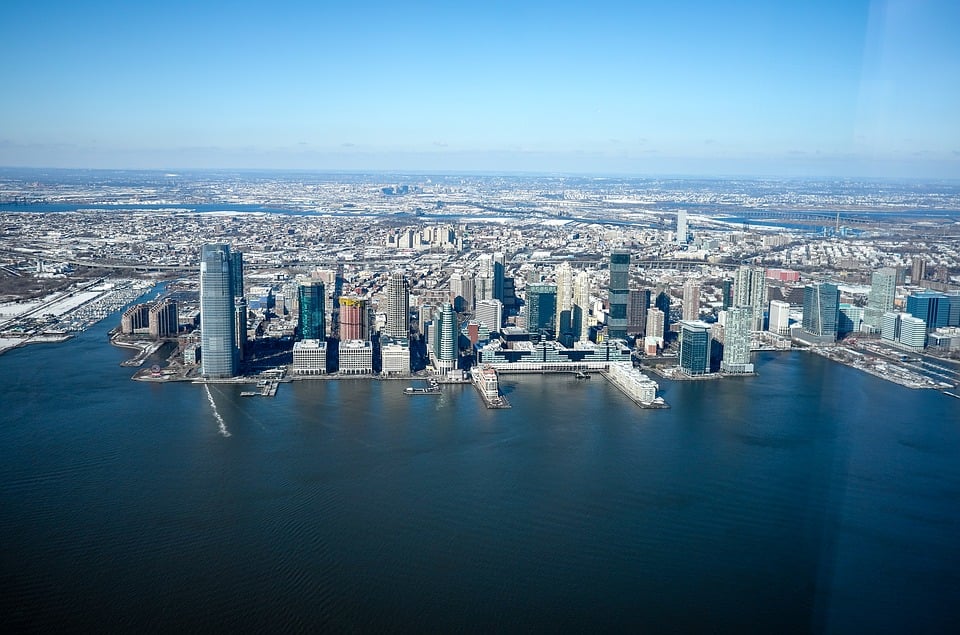
Depending on your starting point in New Jersey, you’ll likely pass through or skirt the edges of New York City. While stopping in the city itself can add significant time due to traffic and parking, nearby areas in North Jersey like Jersey City or towns along the Hudson River offer excellent dining options and views of the Manhattan skyline without fully immersing yourself in the urban density. Consider a quick meal or coffee break before continuing north.
Coastal Connecticut Charms
Connecticut offers several picturesque towns directly along the I-95 corridor, perfect for a rejuvenating stop.
- New Haven: Home to Yale University, New Haven boasts an impressive architectural landscape, a burgeoning food scene (famous for its pizza!), and cultural attractions. It’s a great place to stretch your legs and grab a meal.
- Mystic: Further east, Mystic is a historic seaport town known for its Mystic Seaport Museum and Mystic Aquarium. It’s a slightly longer detour off the highway but offers a charming coastal experience, especially good for families.
Rhode Island‘s Historical Gems
As you enter Rhode Island, the state capital, Providence, is a convenient and rewarding stop. Providence features a beautiful waterfront, historic architecture, and a thriving culinary scene, particularly along Federal Hill. A walk through WaterPlace Park or a visit to the Rhode Island School of Design Museum can provide a welcome break.
Arriving in Boston: What to Expect
Upon arrival in Boston, you’ll find a city rich in history, culture, and modern amenities. Understanding the local transport and key attractions can help you maximize your visit.
Boston Transit and Getting Around
Boston has an excellent public transportation system, the MBTA, affectionately known as “the T.” Comprising subway lines, buses, and commuter rail, it’s an efficient way to navigate the city without a car. If you’ve driven, consider parking your car at a garage upon arrival and relying on the T, especially in the historic downtown areas where driving can be challenging due to narrow, winding streets and heavy traffic. Boston is also a very walkable city, particularly its core neighborhoods.
Key Attractions and First Impressions
From the moment you arrive, Boston captivates with its unique blend of colonial charm and contemporary vibrancy. You might consider starting with the Freedom Trail, a 2.5-mile red-lined path that leads to 16 historically significant sites, including the Massachusetts State House, Paul Revere House, and Bunker Hill Monument. Other popular destinations include Faneuil Hall Marketplace, the Boston Common, and the charming cobblestone streets of Beacon Hill. For those interested in academia, a short subway ride takes you to Cambridge, home to prestigious institutions like Harvard University and the Massachusetts Institute of Technology.
Exploring New Jersey’s Charms: A Departure Point Perspective
The starting point in New Jersey significantly impacts the initial leg of your journey. New Jersey is a diverse state, and understanding its geography can help in planning your departure.
Starting Your Journey from North Jersey
Travelers departing from North Jersey, particularly areas close to New York City like Jersey City, Newark, or Hoboken, will find themselves immediately facing the challenges and opportunities of the NYC metropolitan traffic. However, proximity to major Amtrak and bus hubs, as well as Newark Liberty International Airport, provides convenient non-driving alternatives. The initial driving segment will involve navigating through tunnels or bridges into New York before joining I-95 North.

Setting Off from South Jersey
If your journey begins in South Jersey cities such as Atlantic City or areas closer to Philadelphia, your overall travel time to Boston will naturally be longer. You’ll need to account for the time it takes to travel north through New Jersey to reach the main I-95 corridor or major transit hubs. Options from South Jersey might include taking NJ Transit to Trenton or Newark to catch an Amtrak train, or driving to a central bus station. The total driving distance from a city like Atlantic City could approach 300 miles, pushing the drive time closer to 5-6 hours without significant stops or traffic.
Regardless of your chosen mode of transport or departure point, a trip from New Jersey to Boston is a journey across a region steeped in American history and vibrant culture. Careful planning ensures that your travel experience is as rewarding as your destination.
LifeOutOfTheBox is a participant in the Amazon Services LLC Associates Program, an affiliate advertising program designed to provide a means for sites to earn advertising fees by advertising and linking to Amazon.com. Amazon, the Amazon logo, AmazonSupply, and the AmazonSupply logo are trademarks of Amazon.com, Inc. or its affiliates. As an Amazon Associate we earn affiliate commissions from qualifying purchases.