
For many outdoor enthusiasts and those looking to connect with the natural heritage of New York, understanding the intricacies of hunting seasons is paramount. New York boasts a diverse landscape, from the rolling hills of the Adirondacks to the dense forests of Allegany County, offering a rich environment for various hunting pursuits. Navigating the official hunting regulations, however, can often feel like deciphering a complex code. This guide aims to demystify the opening dates of key hunting seasons in New York, ensuring that aspiring and experienced hunters alike can plan their expeditions effectively and responsibly.

The New York State Department of Environmental Conservation (DEC) is the primary authority responsible for setting and enforcing hunting regulations within the state. These regulations are designed to ensure the sustainability of wildlife populations, promote fair chase principles, and guarantee the safety of all participants. The opening dates are meticulously determined based on biological data, ecological factors, and the reproductive cycles of the game species. It’s crucial to consult the official DEC hunting and trapping regulations guide for the most up-to-date and precise information, as seasons can sometimes vary by specific wildlife management units (WMUs) or county.
Understanding the Big Game Seasons
The pursuit of big game, primarily deer and bear, is one of the most popular hunting activities in New York. The state offers several distinct hunting opportunities for these animals, each with its own set of opening dates and specific regulations.
Archery Season for Deer
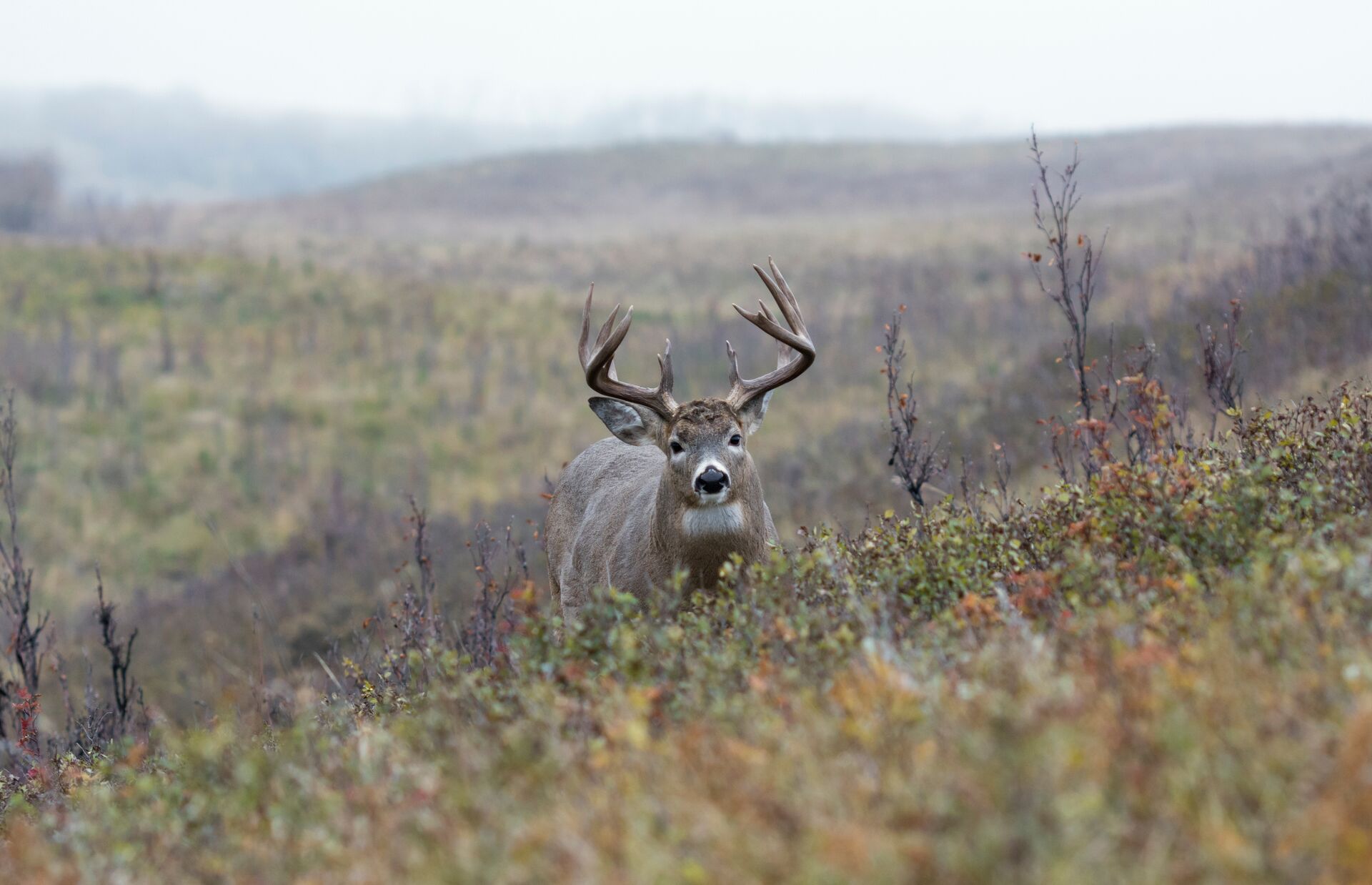
Archery hunting often kicks off the hunting calendar for big game. This season typically begins in early autumn, allowing hunters to utilize their archery skills in the changing foliage. For many years, the statewide archery season for deer has opened on the first Saturday in October. This early start provides a significant window for bowhunters before the firearm seasons commence. It’s important to note that specific regulations regarding the type of bows, arrows, and the use of blinds or tree stands may apply. Hunters should be aware of any special conditions in different WMUs, particularly those within the suburban or urban fringes where deer populations can be high and regulations might be more stringent. The archery season generally runs through the last day of the traditional firearm season.
Early Bear Season
While deer often take center stage, bear hunting also offers an exciting challenge. In certain areas of New York, particularly in the Adirondack and Catskill regions, an early bear season exists. This season is designed to target bears before their winter dormancy and is often associated with the start of bowhunting. The early bear season in the Northern Zone of New York typically opens on the last Saturday in September. This allows for a distinct hunting period for black bears prior to the general firearms seasons for deer. Similar to archery deer hunting, this season often concludes with the opening of the firearm seasons. The Southern Zone typically does not have a separate early bear season, with bear hunting being integrated into the firearm seasons.
Firearm Seasons for Deer
The most anticipated hunting period for many in New York is the regular firearm season for deer. This season is split into two main components, reflecting the different hunting opportunities in the Northern and Southern Zones of the state.
Northern Zone Firearm Season
The Northern Zone, encompassing the vast wilderness areas like the Adirondack Park, typically opens its regular firearm deer season on the third Monday in November. This season is characterized by the rugged terrain and the potential for encountering both white-tailed deer and black bears. Hunters in this zone should be prepared for colder weather conditions and potentially snowy landscapes. The season generally runs for two weeks, concluding on the second Sunday in December.
Southern Zone Firearm Season
The Southern Zone, which covers the majority of the state’s populated areas and agricultural lands, has a slightly different schedule for its firearm deer season. The opening day for the Southern Zone firearm deer season is consistently the last Monday in November. This season also typically lasts for two weeks, ending on the second Sunday in December. The Southern Zone offers a wide variety of habitats, from open fields to wooded areas, and the deer population is often denser than in the Northern Zone.
Muzzleloading Season
Following the regular firearm seasons, New York offers a specific muzzleloading season for both deer and bear. This season is designed for hunters who prefer to use traditional muzzleloading firearms, adding another layer of challenge and historical appreciation to the hunting experience. The muzzleloading season in the Northern Zone generally opens on the fourth Monday in November, overlapping slightly with the end of the archery season and preceding the regular firearm season. In the Southern Zone, the muzzleloading season typically begins on the first Monday in December, following the close of the regular firearm season. This season allows hunters to further extend their hunting opportunities with specialized equipment.
Small Game Pursuits: A Diverse Offering
Beyond the allure of big game, New York provides abundant opportunities for small game hunting. These seasons are generally longer and more varied, catering to a wide array of game birds and mammals.
Upland Game Birds
The pursuit of game birds like pheasants, ruffed grouse, and quail is a beloved tradition for many hunters. The seasons for these species are staggered and often influenced by weather patterns and breeding success.
Pheasant Season

The opening of the pheasant season is a highlight for many upland hunters. In general, the pheasant season in the Southern Zone opens on the first Saturday in November, with specific regulations often detailing the stocked pheasant release areas. The Northern Zone typically has a later opening, often around October 1st, with season lengths and bag limits varying. It’s important to note that pheasant hunting is heavily influenced by stocking programs, and the availability of birds can vary year to year.
Ruffed Grouse and Quail Season
Ruffed grouse and quail seasons often open concurrently with or shortly after the pheasant season. For ruffed grouse, the season in the Northern Zone typically opens on September 20th, while in the Southern Zone, it often commences on October 1st. Quail seasons are more limited and can vary significantly by region, with many areas having more restricted hunting periods to protect declining populations. Hunters are strongly advised to consult the DEC regulations for precise opening dates and specific regulations pertaining to grouse and quail in their intended hunting areas.
Small Mammals
The pursuit of small mammals, such as rabbits, squirrels, and foxes, offers year-round or extended hunting opportunities for many outdoorsmen.
Rabbit Season
Rabbit hunting is a popular activity, especially for those with bird dogs or the desire for brisk autumn and winter excursions. The general rabbit season across most of New York typically opens on October 1st and runs through March 31st of the following year. Different species of rabbits may have slightly varied regulations, so a thorough review of the official guide is always recommended.
Squirrel Season
Squirrel hunting is another staple of the small game hunting calendar. The season for gray squirrels and fox squirrels generally opens on September 1st in both the Northern and Southern Zones, allowing hunters to take advantage of the early autumn weather. The season typically extends through February 15th, providing a lengthy period for pursuit. Red squirrels may have different regulations depending on the specific location and time of year.
Waterfowl Hunting: A Seasonal Spectacle
New York’s extensive coastline, numerous lakes, and river systems make it a prime destination for waterfowl hunting. The seasons for ducks, geese, and brant are complex, dictated by federal frameworks and migratory patterns.
Duck Season
Duck hunting seasons are divided into early, middle, and late segments, reflecting the arrival and departure of different migratory species. The specific opening dates vary by zone (e.g., Eastern, Western, Long Island) and are set annually by the DEC in accordance with federal guidelines from the U.S. Fish and Wildlife Service. Generally, the early duck season begins in early October, followed by subsequent splits. It is absolutely imperative to check the current year’s waterfowl regulations for the exact opening dates for each zone.
Goose Season
Similar to ducks, goose hunting seasons are also divided into segments and vary by region. Canada geese, snow geese, and brant are the primary species pursued. The early goose season often opens as early as September 1st, particularly for resident Canada goose populations. Subsequent seasons for migratory geese typically begin in October or November. Again, the DEC waterfowl regulations are the definitive source for the most current opening dates and zone-specific details.
Planning Your Hunt Responsibly
Successful and ethical hunting in New York extends beyond simply knowing the opening dates. It involves a commitment to safety, conservation, and understanding the regulations thoroughly.
Licensing and Permits
Before venturing into the field, hunters must possess the appropriate licenses and permits. This typically includes a hunting license, and potentially a muzzleloader privilege or bowhunting privilege, depending on the chosen method. Specific big game tags are required for deer and bear. Licenses can be purchased online through the DEC website, at authorized license vendors, or at DEC regional offices.
Safety First
Hunting is an activity that demands strict adherence to safety protocols. This includes the proper use of firearms, knowing your target and what lies beyond, wearing hunter orange clothing during firearm seasons to enhance visibility, and understanding the principles of safe tree stand use. Hunters should always inform someone of their hunting plans, including their intended location and expected return time.
Ethical Hunting and Conservation
New York’s hunting heritage is built on a foundation of ethical practices and a deep respect for wildlife. This means understanding the legal shooting hours, respecting bag limits, making clean kills, and properly field dressing harvested game. Hunters play a vital role in wildlife management, and by adhering to regulations and practicing conservation, they contribute to the long-term health of New York’s natural resources for generations to come. Consulting the DEC resources, including their hunter education courses, is highly recommended for all hunters, especially newcomers to the state or the sport.
LifeOutOfTheBox is a participant in the Amazon Services LLC Associates Program, an affiliate advertising program designed to provide a means for sites to earn advertising fees by advertising and linking to Amazon.com. Amazon, the Amazon logo, AmazonSupply, and the AmazonSupply logo are trademarks of Amazon.com, Inc. or its affiliates. As an Amazon Associate we earn affiliate commissions from qualifying purchases.