
The question “Is Texas or Alaska bigger?” might seem like a simple trivia query, but for the discerning traveler, it unlocks a profound understanding of what to expect when planning a trip to either of these colossal American destinations. The sheer scale of a state dictates everything from travel logistics and the diversity of landscapes to the types of experiences available, fundamentally shaping a journey. The answer to this question isn’t just a number; it’s a blueprint for exploration.
The Geographic Reality: Size Beyond the Map
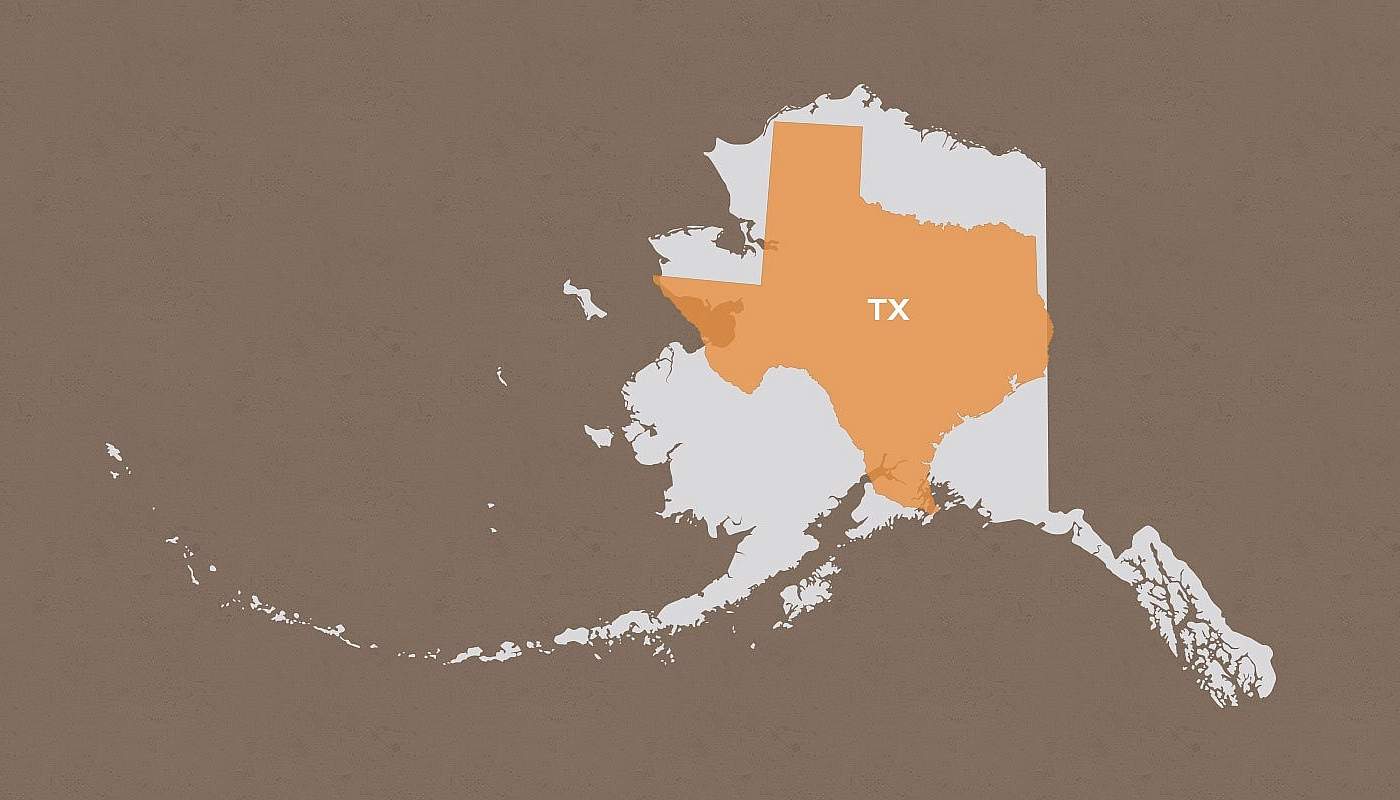
While both Texas and Alaska are synonymous with vastness in the American imagination, one stands head and shoulders above the other. Alaska, often dubbed “The Last Frontier,” is by far the largest state in the United States. To put its size into perspective, Alaska covers an astonishing 665,384 square miles, making it more than twice the size of Texas, which measures approximately 268,596 square miles.
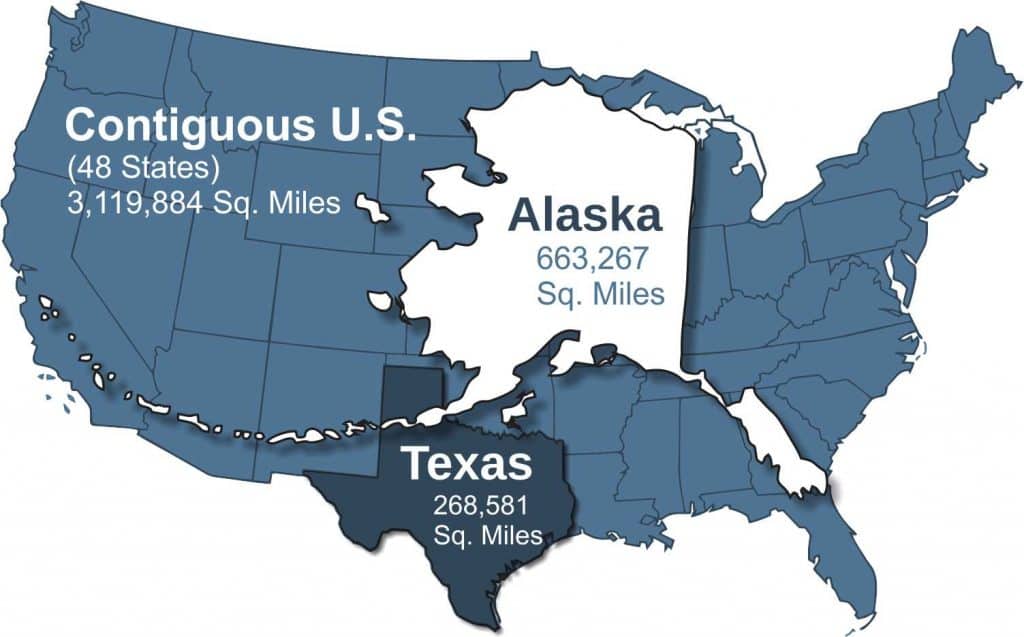
This disparity in size isn’t just significant; it’s monumental. Imagine fitting Texas into Alaska more than two and a half times, with room to spare. For international context, Alaska is larger than all but 18 sovereign countries globally. It dwarfs countries like France, Spain, and Germany combined. Texas, while still immense, is comparable to the size of France or slightly larger than the United Kingdom. This foundational understanding of their respective scales is crucial for any traveler contemplating a visit, as it directly impacts everything from itineraries to expectations.
Navigating Alaska’s Vastness: An Expeditionary Traveler’s Dream
The immense size of Alaska dictates a fundamentally different approach to travel compared to most other destinations. Its geography is characterized by towering mountain ranges, expansive glaciers, dense forests, and an unparalleled coastline, much of which remains untouched wilderness.
Remote Access and Unique Transportation
Due to its scale and rugged terrain, road networks in Alaska are limited, particularly outside of the main population centers like Anchorage and Fairbanks. This means that reaching many of the state’s most breathtaking natural attractions often requires alternative modes of transport. Small bush planes are a quintessential Alaskan experience, offering access to remote lodges, fishing camps, and national parks like Denali National Park or Gates of the Arctic National Park, which are largely inaccessible by road. These aerial journeys are not merely transport; they are integral parts of the adventure, providing stunning panoramic views of glaciers, fjords, and wildlife.
Another popular way to experience Alaska’s vastness, especially its coastal wonders, is via cruise ship. The Inside Passage cruise is world-renowned, allowing travelers to witness tidewater glaciers, marine wildlife, and charming coastal towns without the logistical challenges of land travel. This mode of travel offers a comfortable way to cover significant distances and explore areas like Juneau, Skagway, and Ketchikan, which are not connected by road to the rest of North America.
Wilderness Immersion and Multi-Day Excursions
Travel in Alaska is often about deep immersion in nature. The sheer size of its wilderness areas means that multi-day excursions are common. Whether it’s a week-long backpacking trip in the Brooks Range, a multi-day kayaking adventure in Kenai Fjords National Park, or a stay at a remote fishing lodge on the Alaskan Peninsula, the scale of the landscape necessitates and accommodates extended stays focused on specific activities. Visitors should prepare for longer travel times between destinations, unpredictable weather, and the need for specialized gear, especially if venturing into truly remote areas. Planning well in advance and working with experienced local guides or tour operators is often essential for a safe and rewarding Alaskan adventure.
Exploring the Lone Star State: A Diverse Road Trip Canvas
While significantly smaller than Alaska, Texas is still an enormous state, offering a remarkable diversity of landscapes and experiences that are best explored by road. Its size translates into vast distances between its major cities and natural attractions, making road trips the quintessential Texan travel experience.
Extensive Road Networks and Regional Diversity
Texas boasts an extensive and well-maintained road network, making self-driving tours highly feasible and popular. Travelers can comfortably drive from the piney woods of East Texas to the deserts of West Texas, or from the coastal plains along the Gulf of Mexico to the rolling hills of the Texas Hill Country. This regional diversity is a direct consequence of its substantial landmass. Within the state, one can find arid deserts, lush forests, white sandy beaches, bustling metropolitan areas, and tranquil ranchlands.
Major cities like Houston, Dallas, Austin, and San Antonio are significant hubs, each offering distinct cultural experiences, from world-class museums and culinary scenes to historic missions and vibrant music venues. Traveling between these cities can still take several hours, emphasizing the state’s grandeur. For example, a drive from Dallas to Houston is roughly a four-hour journey, while reaching Big Bend National Park in far West Texas from any of the major metropolitan areas can easily take 7-9 hours.
A Tapestry of Experiences Accessible by Car
The scale of Texas means that a single trip can encompass a wide array of activities without the need for specialized transport. Travelers can enjoy urban explorations in one part of the state, then embark on outdoor adventures in another. Options range from hiking and river rafting in Big Bend National Park, exploring the unique geology of Palo Duro Canyon State Park, or relaxing on the beaches of Galveston and South Padre Island. The road trip format allows for flexibility, spontaneous stops at small towns, and the chance to truly appreciate the changing landscapes that define the Lone Star State. Planning revolves around efficient routes, fuel stops, and factoring in ample driving time to fully enjoy the journey.
Planning Your Journey: Scale and Scope for the Traveler
The stark difference in size between Alaska and Texas translates into vastly different travel planning approaches and expectations.
Trip Duration and Logistics
For Alaska, a truly immersive trip often requires a minimum of 10-14 days, particularly if one intends to visit multiple regions or engage in activities like fishing, bear viewing, or extensive hiking. Logistics can be complex and expensive due to specialized transport (flights, cruises) and the remoteness of many destinations. Travelers should anticipate higher overall costs and less flexibility once a trip is booked, as many remote services operate on strict schedules. It’s an expeditionary destination where the journey itself is often as challenging and rewarding as the destination.
In contrast, Texas can be explored effectively over shorter periods. A week-long road trip can cover a specific region in depth, such as the Hill Country and San Antonio, or provide a taste of two major cities. Longer trips of two weeks or more allow for a comprehensive exploration of diverse regions. Travel is generally more flexible, relying on car rentals and a robust infrastructure of highways, hotels, and services. While driving distances are significant, the ease of access and well-developed tourist infrastructure make self-planned adventures straightforward.
Type of Experience
An Alaskan adventure is typically characterized by raw wilderness, epic wildlife encounters, and a sense of being at the edge of civilization. It’s a destination for travelers seeking solitude, challenging outdoor pursuits, and awe-inspiring natural beauty on an unparalleled scale. The focus is often on the vast, untamed landscape and the unique ecosystem it supports.
A journey through Texas offers a blend of vibrant urban culture, rich history, diverse natural attractions, and the legendary hospitality of the American Southwest. It’s a destination that caters to a broader range of interests, from foodies and history buffs to outdoor enthusiasts. The experience is often about connecting with distinct regional identities, enjoying varied landscapes, and experiencing the unique blend of cultures that define the state.
The Ultimate Travel Decision: Which Vastness Calls You?
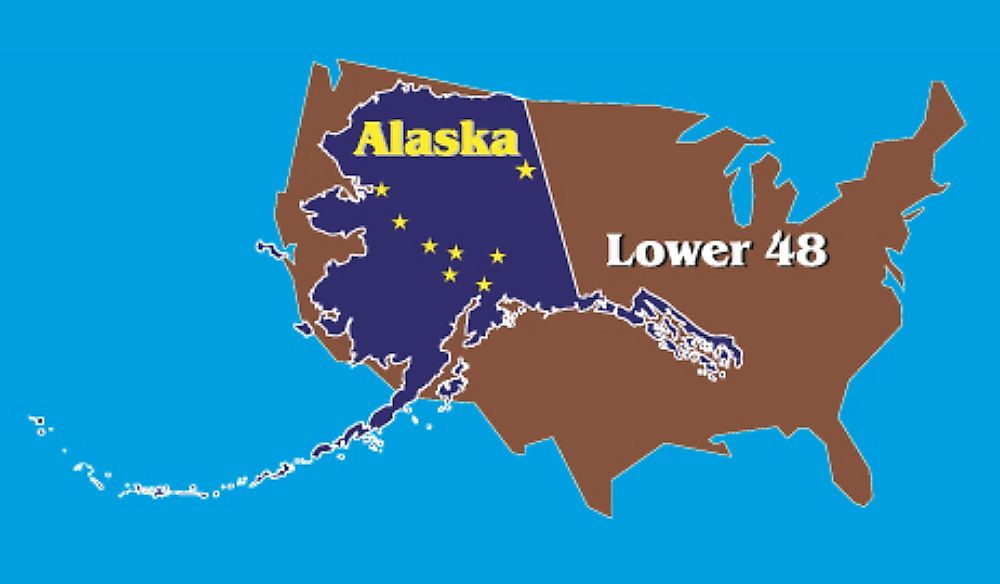
Understanding that Alaska is undeniably bigger than Texas is more than a geographical fact; it’s a guidepost for travel planning.
If your ideal trip involves pushing the boundaries of exploration, embracing true wilderness, relying on unique modes of transport, and immersing yourself in landscapes that feel prehistoric and boundless, then Alaska is your calling. Prepare for an epic, often rugged, and truly unforgettable expedition into nature’s grandest spectacle.
If, however, your vision of vastness includes sprawling landscapes traversed by open roads, a rich tapestry of urban centers, historical sites, and diverse natural parks all within relatively easy reach by car, then Texas offers an equally compelling, yet distinctly different, grand adventure. It’s a state where you can effortlessly transition from cowboy culture to cosmopolitan chic, from desert vistas to coastal breezes, all within one extensive, dynamic journey.
Both states promise grand adventures defined by their sheer size, but the nature of that grandness—and how you experience it—differs dramatically. The question of which is “bigger” ultimately helps travelers decide which kind of immense American experience best aligns with their travel dreams.
LifeOutOfTheBox is a participant in the Amazon Services LLC Associates Program, an affiliate advertising program designed to provide a means for sites to earn advertising fees by advertising and linking to Amazon.com. Amazon, the Amazon logo, AmazonSupply, and the AmazonSupply logo are trademarks of Amazon.com, Inc. or its affiliates. As an Amazon Associate we earn affiliate commissions from qualifying purchases.