
The question of distance between two major metropolises within the same state often sparks curiosity for travelers, locals, and those planning logistics. Specifically, the journey from the bustling streets of New York City to the revitalized waterfront of Buffalo, NY is a significant one, traversing the diverse landscapes of New York State. Understanding this distance is crucial for itinerary planning, whether you’re considering a scenic road trip, a quick flight, or a comfortable train ride. This article delves into the various aspects of this considerable separation, offering insights into travel times, modes of transport, and what lies between these two iconic urban centers.
The Geographic Divide: Understanding the Mileage
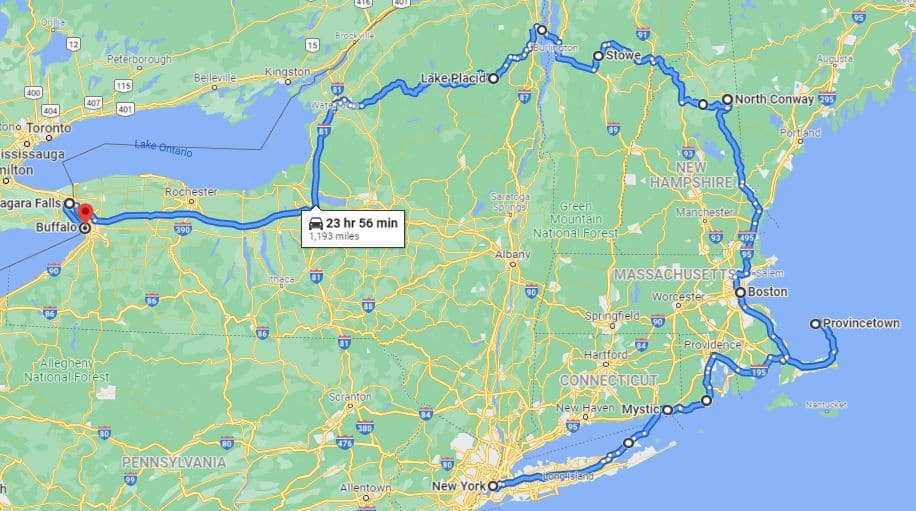
The most straightforward answer to “how far” involves direct mileage. The distance between New York City and Buffalo, NY is substantial, making it a journey that requires deliberate planning. This isn’t a short hop; it’s a significant trek across the Empire State.
Direct Road Distance
The most common method for measuring this distance is via automobile. Driving the most direct routes, such as along the New York State Thruway (I-90), the distance typically ranges from approximately 365 to 380 miles. This variation depends on the specific starting point within New York City (e.g., Manhattan versus Staten Island) and the exact destination in Buffalo, NY. This mileage highlights that it’s a full-day’s drive for most, necessitating an early start or an overnight stop for a more relaxed experience.
Air Travel Distance
While ground travel offers a sense of the state’s expanse, air travel provides a different perspective on distance. As the crow flies, the direct geographical distance between New York City and Buffalo, NY is roughly 300 miles. However, this figure is largely academic for travelers, as flights do not follow a straight line. Instead, they adhere to established air corridors, and the actual flight path, combined with time spent on the ground for take-off, landing, and taxiing, makes the total travel time significantly longer than the flight duration itself.
Navigating the Distance: Modes of Transportation
The considerable mileage between New York City and Buffalo, NY presents a range of transportation options, each with its own advantages and travel times. The choice of how to bridge this gap often depends on a traveler’s priorities, whether it’s speed, cost, comfort, or the desire to experience the journey itself.
Driving: The Road Trip Experience
Embarking on a road trip from New York City to Buffalo, NY is a classic American travel experience. The primary artery for this journey is the New York State Thruway, a well-maintained toll road that offers a relatively efficient way to cover the distance.
Estimated Driving Time
Without significant traffic or extended stops, the drive can take anywhere from 5.5 to 7 hours. This estimate assumes steady driving speeds and minimal delays. However, factors such as rush hour traffic in New York City at the start of the journey, construction zones, weather conditions, and the need for breaks for fuel or meals can easily extend this time. Many travelers opt to break up the drive with an overnight stay in a town along the Thruway, perhaps in the Finger Lakes region or near Syracuse, allowing for a more leisurely pace and the chance to explore.
Scenic Detours and Stops
The advantage of driving is the flexibility to deviate from the direct route and explore the diverse landscapes of New York State. Potential stops include charming small towns, historical sites, and natural attractions. For instance, one could detour to explore the beauty of the Adirondack Mountains (though this requires a significant deviation north) or focus on the central part of the state, perhaps visiting the Erie Canal Museum in Syracuse or enjoying the wineries and natural beauty of the Finger Lakes. Reaching Buffalo, NY also positions travelers to explore nearby attractions like Niagara Falls State Park and the impressive architecture of downtown Buffalo.
Air Travel: The Fastest Route
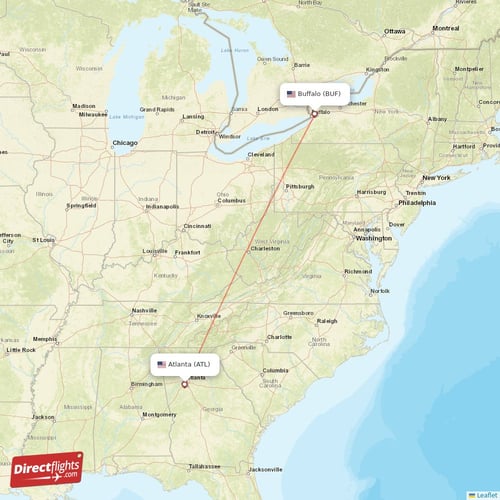
For those prioritizing speed, flying is the most expedient option to cover the considerable distance between New York City and Buffalo, NY. Major airports in the New York City metropolitan area, including John F. Kennedy International Airport (JFK), LaGuardia Airport (LGA), and Newark Liberty International Airport (EWR), offer frequent direct flights to Buffalo Niagara International Airport (BUF).
Flight Duration and Total Travel Time
Direct flights between New York City and Buffalo, NY are typically very short, often lasting around 1 hour and 15 minutes to 1 hour and 30 minutes. However, it’s crucial to factor in the total travel time. This includes getting to the airport from your location in New York City, navigating security and check-in procedures, boarding the aircraft, the flight itself, deplaning, and then traveling from Buffalo Niagara International Airport to your final destination in Buffalo. When all these elements are considered, the total door-to-door travel time can easily reach 4 to 5 hours, which can be comparable to, or even exceed, the driving time without stops.
Airport Logistics and Convenience
The convenience of flying hinges on efficient airport operations and proximity. While Buffalo Niagara International Airport is relatively easy to navigate, the sheer volume of passengers and potential for delays at large New York City area airports can be a significant factor. For business travelers or those on tight schedules, flying often remains the preferred method due to its predictability in terms of core travel time, despite the associated airport procedures. Rental cars are readily available at Buffalo Niagara International Airport for onward travel.
Train Travel: A Relaxed Journey
Amtrak offers a rail service connecting New York City (typically from Penn Station) to Buffalo, NY (Buffalo-Depew station). This mode of transport provides a comfortable and often scenic alternative to driving or flying, allowing passengers to relax, work, or simply enjoy the passing landscape.
Train Journey Duration
The train journey from New York City to Buffalo, NY is generally longer than driving. Depending on the specific route and number of stops, the trip can take approximately 8 to 10 hours. While this is the longest travel time among the common options, it offers a stress-free experience, as passengers do not have to contend with traffic, parking, or the intricacies of air travel security.
Onboard Experience and Amenities
Amtrak trains offer a unique travel experience. Passengers can choose from various seating options, including coach and private rooms (in some configurations), and enjoy amenities such as Wi-Fi (though connectivity can be spotty in rural areas), dining cars, and the ability to move around the train. The journey provides ample opportunity to observe the diverse geography of New York State, from the urban sprawl of the metropolitan area to the rolling hills and agricultural landscapes of its central and western regions. Arriving in Buffalo by train places you at the Buffalo-Depew station, requiring onward transportation to your final destination.
Factors Influencing Travel Time
Beyond the chosen mode of transport, several external factors can significantly influence the time it takes to travel between New York City and Buffalo, NY. Understanding these variables is key to accurately estimating arrival times and planning effectively.
Traffic Conditions and Time of Day
Traffic is arguably the most unpredictable variable, especially when departing from or arriving in the densely populated New York City area. Traveling during peak rush hours (typically morning and late afternoon/early evening on weekdays) can add considerable time to any road journey. Even mid-day travel can encounter congestion, particularly on major arteries like the New York State Thruway. Similarly, airport commutes can be heavily impacted by traffic, affecting flight departure schedules and overall travel time.
Weather Patterns and Seasonal Considerations
New York State experiences distinct seasons, and weather can play a significant role in travel. Winter months, in particular, can bring snowstorms, ice, and reduced visibility, leading to driving delays, flight cancellations, and potential disruptions to train services. Summer can bring thunderstorms, while spring and fall can present their own unique weather challenges. Travelers should always check weather forecasts before embarking on their journey, especially for longer road trips. Seasonal events, such as major holidays or local festivals, can also increase travel volume and potentially impact traffic and flight availability.

Route Selection and Potential Stops
As previously mentioned, the specific route chosen for driving can influence the distance and time. Sticking to major interstates like the New York State Thruway is generally the fastest. However, opting for more scenic or local roads will inevitably increase travel time. Furthermore, any planned stops along the way, whether for sightseeing, meals, or overnight stays, directly add to the total duration of the trip. For air and train travel, the number of connections or layovers, if not opting for a direct service, would also significantly extend the overall journey. Therefore, the “how far” is not just a measure of miles but of time actively spent traveling and engaging with the journey itself.
LifeOutOfTheBox is a participant in the Amazon Services LLC Associates Program, an affiliate advertising program designed to provide a means for sites to earn advertising fees by advertising and linking to Amazon.com. Amazon, the Amazon logo, AmazonSupply, and the AmazonSupply logo are trademarks of Amazon.com, Inc. or its affiliates. As an Amazon Associate we earn affiliate commissions from qualifying purchases.