
Embracing the vibrant Florida lifestyle often means immersing oneself in its stunning natural beauty, a significant part of which is the lush, tropical flora that defines the Sunshine State. Among the most iconic and beloved plants gracing gardens, patios, and public spaces is the hibiscus, with its magnificent, colorful blooms. For those who choose to make Florida their home, whether seasonal or permanent, understanding the rhythms of its unique gardening environment is key to cultivating a thriving outdoor space. Proper care of hibiscus, particularly timely and effective trimming, is not just a gardening chore; it’s an essential aspect of maintaining the aesthetic appeal and vitality that contributes to the quintessential Floridian lifestyle. This guide delves into the optimal practices for trimming hibiscus in Florida, ensuring your plants flourish and enhance your enjoyment of life under the tropical sun.

Understanding Hibiscus in the Florida Climate: A Lifestyle Choice
Cultivating hibiscus in Florida is more than just planting; it’s an active engagement with the state’s unique ecological personality. The success of these radiant flowers is intimately tied to the local climate, making their care a thoughtful part of the Floridian lifestyle. For residents in cities like Miami, Orlando, or Naples, a healthy hibiscus plant is often a point of pride, reflecting a commitment to enhancing one’s living environment.
The Sunshine State’s Unique Growing Conditions
Florida’s subtropical to tropical climate, characterized by abundant sunshine, high humidity, and mild winters, is generally ideal for hibiscus. However, this environment also presents specific considerations for plant care. The extended growing season means hibiscus can produce blooms almost year-round in many parts of South Florida. Yet, the potential for frost in North Florida and even parts of Central Florida necessitates strategic timing for major trimming. The consistent warmth encourages vigorous growth, which, without proper management, can lead to leggy plants with fewer flowers. Understanding these climatic nuances is the first step in successful hibiscus cultivation and integration into your home’s landscape.
Different Hibiscus Varieties in Florida Gardens
While all hibiscus species share a common beauty, their specific needs can vary slightly. In Florida, two main types are prevalent: tropical hibiscus (Hibiscus rosa-sinensis) and hardy hibiscus (Hibiscus moscheutos). Tropical hibiscus, the classic large-flowered variety, thrives in the warmth and is what most Floridians envision. It’s evergreen in frost-free areas and requires regular pruning to maintain its shape and promote continuous blooming. Hardy hibiscus, on the other hand, is deciduous, dying back to the ground in colder winters but regrowing vigorously in spring. Its trimming regimen is typically less frequent but equally important for robust growth. Knowing which variety you have informs your trimming strategy, making your gardening efforts more efficient and effective.
The Art and Science of Hibiscus Trimming for a Vibrant Florida Lifestyle
Trimming hibiscus is an essential horticultural practice, but it’s also an art form that shapes the plant’s contribution to your home’s aesthetic. For those embracing the Florida lifestyle, a well-maintained hibiscus can be a focal point, drawing the eye and adding a burst of color to outdoor living spaces, whether it’s a sprawling garden in Sarasota or a cozy balcony in Fort Lauderdale.
Why Trimming is Essential for Florida Hibiscus
Trimming serves multiple vital purposes for hibiscus in Florida. Firstly, it promotes a fuller, bushier plant habit. Unpruned hibiscus can become leggy and sparse, with blooms concentrated only at the branch tips. By strategically cutting back stems, you encourage the plant to produce new growth from latent buds along the stem, leading to a denser structure and more prolific flowering. Secondly, trimming removes dead, diseased, or damaged branches, which can harbor pests and diseases, compromising the plant’s overall health. Thirdly, it improves air circulation within the plant canopy, reducing the risk of fungal issues in Florida’s humid environment. Finally, trimming allows you to shape the plant to fit your landscape design, whether you prefer a compact shrub, a small tree, or a vibrant hedge.
The Best Time for Major Trimming in Florida
For tropical hibiscus in Florida, the ideal time for a major pruning is typically late winter to early spring, specifically from late February through March. This timing is critical because it occurs after the coldest part of winter has passed, minimizing the risk of new, tender growth being damaged by an unexpected cold snap. Simultaneously, it’s just before the plant enters its most vigorous growth phase, allowing it to rapidly recover and channel energy into producing new stems and abundant blooms throughout the spring and summer. For residents in frost-prone areas of North Florida, waiting until all danger of frost has passed is paramount. This deep prune sets the stage for a spectacular display, aligning with the rejuvenation that spring brings to the Sunshine State.
Routine Maintenance Trimming Throughout the Florida Seasons
Beyond the annual major prune, routine maintenance trimming is a continuous process that ensures your hibiscus remains healthy and continues to bloom prolifically. Throughout the spring, summer, and fall, deadheading spent blooms is a simple but effective practice. Removing faded flowers prevents the plant from expending energy on seed production and redirects it towards producing more flowers. Light shaping and removal of errant or crossing branches can also be done as needed. This ongoing care, a consistent part of the gardening lifestyle, keeps the plant tidy, encourages continuous flowering, and allows you to address any minor issues before they become significant problems. In Florida’s extended growing season, this continuous attention can truly make a difference in your hibiscus’s performance.
Step-by-Step Hibiscus Trimming Guide for Florida Residents
Successful hibiscus trimming requires a methodical approach, ensuring the health and beauty of the plant. For Florida residents, mastering these techniques contributes not only to a beautiful garden but also to a deeper connection with the unique horticulture of the region.
Essential Tools and Safety Tips
Before you begin, gather the right tools. Sharp, clean bypass pruners are ideal for smaller stems, while loppers may be necessary for thicker branches. For very woody, mature stems, a pruning saw might be required. Always ensure your tools are sterilized with rubbing alcohol or a bleach solution before and after use to prevent the spread of diseases. Wearing gloves is recommended to protect your hands from sap and thorns, and safety glasses are advisable to shield your eyes from debris. Proper tool maintenance not only makes the job easier but also ensures clean cuts that heal quickly, preventing disease entry points.
Techniques for Healthy Growth and Abundant Blooms
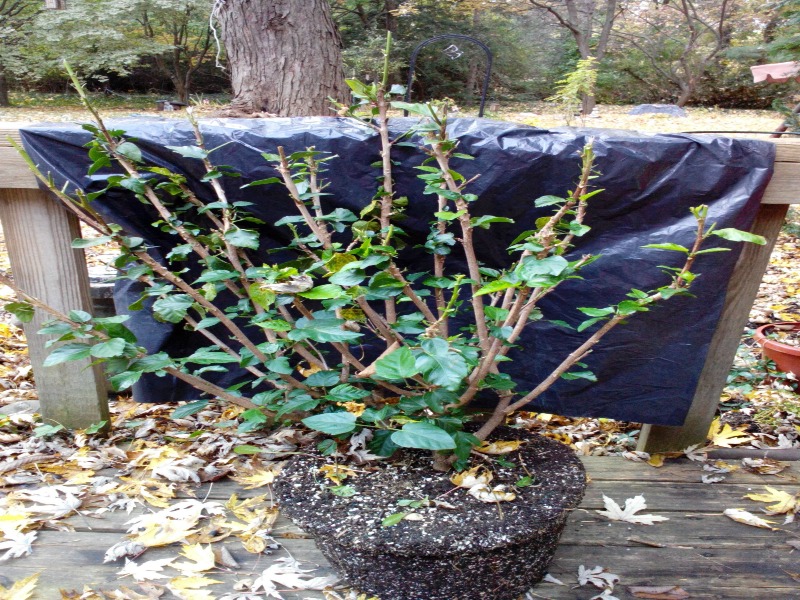
When performing a major prune, aim to reduce the plant’s size by about one-third to one-half, depending on its vigor and desired shape.
- Remove Dead or Damaged Wood: Start by cutting back any dead, diseased, or broken branches. Make these cuts back to healthy wood or the main stem.
- Thin Out Crossing Branches: Identify branches that are growing inward or crossing over other branches. Remove the weaker of the two to improve air circulation and prevent rubbing, which can create wounds.
- Shape the Plant: Step back frequently to assess the plant’s overall shape. Trim branches to achieve a desired form, keeping in mind that new growth will emerge from the nodes (small bumps) just below your cut. Cut at a 45-degree angle, about a quarter-inch above a node that faces outward, encouraging growth away from the center of the plant.
- Open the Center: Remove some of the interior branches to allow more light and air into the plant’s core. This is crucial in Florida’s humid climate to deter fungal issues.
For routine maintenance, focus on deadheading spent blooms by snapping or cutting them off just above the first set of healthy leaves. Lightly prune any leggy stems to encourage bushier growth.
Post-Trimming Care in Florida’s Environment
After a significant trim, your hibiscus will benefit from a period of attentive care. Water the plant thoroughly to help it recover from the stress of pruning. Apply a balanced, slow-release fertilizer designed for flowering plants, which will provide the necessary nutrients for new growth and abundant blooms. Monitor the plant closely for any signs of pest or disease, as new growth can sometimes be more susceptible. Protecting new shoots from strong sun or cold snaps, though less common in Florida after late winter, is also advisable. This diligent aftercare is crucial for a robust rebound, ensuring your hibiscus quickly returns to being a vibrant centerpiece of your Florida garden.
Common Hibiscus Trimming Mistakes to Avoid in Florida
Even with the best intentions, gardeners can sometimes make errors that hinder their hibiscus’s health and blooming potential. Being aware of these common pitfalls is an important part of adopting a successful gardening lifestyle in Florida.
Over-Trimming and Under-Trimming
One of the most frequent mistakes is either being too aggressive or too timid with the pruners. Over-trimming, especially cutting back too severely, can shock the plant and significantly reduce its flowering capacity for the upcoming season as it dedicates energy to vegetative recovery rather than bloom production. Conversely, under-trimming results in a leggy, unruly plant with fewer flowers, poor air circulation, and a tendency to become top-heavy. Finding the right balance—removing about one-third to one-half of the plant’s growth during the main annual prune—is key to promoting robust, floriferous growth without causing undue stress. In Jacksonville gardens as much as those in Tampa, consistent, balanced trimming is a sign of an experienced hand.
Trimming at the Wrong Time
Trimming at the incorrect time of year can also be detrimental. Pruning tropical hibiscus too late in the fall or during winter in frost-prone areas of Florida can stimulate tender new growth that is highly vulnerable to cold damage. If a hard freeze hits, these new shoots will die back, potentially harming the entire plant. Conversely, waiting too long into the spring or summer for a major prune means you’ll be cutting off developing flower buds, resulting in a diminished bloom display. Adhering to the late winter to early spring window is paramount for tropical hibiscus. For hardy hibiscus, which dies back naturally, major pruning is best done in late winter or early spring after the last frost, as new growth emerges from the ground. Understanding these seasonal cues is fundamental to a thriving hibiscus garden and a harmonious Florida lifestyle.
Embracing the Florida Hibiscus Lifestyle
Trimming hibiscus in Florida is far more than a simple gardening task; it’s a mindful practice that deepens one’s connection to the natural beauty and rhythm of the Sunshine State. By understanding when and how to prune your hibiscus, you’re not just cultivating a plant; you’re nurturing a vibrant element of your outdoor living space, contributing to the serene and colorful ambiance that defines life here. From the bustling urban gardens of Miami to the tranquil backyards of Naples, a well-maintained hibiscus stands as a testament to the joys of gardening in a tropical paradise. Embrace these practices, and your hibiscus will reward you with a continuous spectacle of breathtaking blooms, enriching your Florida lifestyle for years to come.
LifeOutOfTheBox is a participant in the Amazon Services LLC Associates Program, an affiliate advertising program designed to provide a means for sites to earn advertising fees by advertising and linking to Amazon.com. Amazon, the Amazon logo, AmazonSupply, and the AmazonSupply logo are trademarks of Amazon.com, Inc. or its affiliates. As an Amazon Associate we earn affiliate commissions from qualifying purchases.