
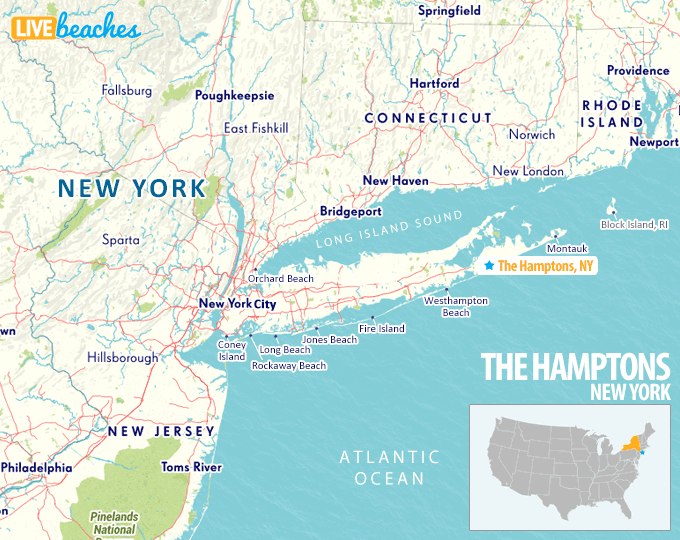
Escaping the frantic pace of New York City for the serene, sun-drenched shores of The Hamptons is a quintessential seasonal ritual for many. Located on the eastern end of Long Island, this collection of villages and hamlets offers a stark, sophisticated contrast to the urban grit of the five boroughs. However, for the uninitiated, the distance—and, more importantly, the travel time—can be a source of significant confusion. While the geographical distance is relatively modest, the journey is frequently dictated by the infamous traffic of New York State, making the “how far” question a matter of logistics rather than mere mileage.
Understanding the Geographical Distance and Logistics
In terms of raw distance, The Hamptons are situated approximately 80 to 100 miles from Midtown Manhattan, depending on which specific village you are traveling to. Southampton, the westernmost major hub, is naturally closer than the more eastern outposts like East Hampton or Montauk.
The Mileage Factor
If you were to drive under perfectly empty road conditions—a scenario that exists almost exclusively in the middle of a Tuesday night in February—the trip would take approximately two hours. You would primarily navigate via Interstate 495, commonly known as the Long Island Expressway, transitioning into Route 27, or the Sunrise Highway. However, real-world travel between New York City and The Hamptons rarely follows this idyllic timeline. During the peak summer season, or on a Friday afternoon, this journey can easily stretch to four or five hours.
The Impact of Seasonal Traffic
The primary variable in determining “how far” it is to The Hamptons is the volume of cars on the road. The bottleneck at the Queens-Midtown Tunnel and the merging traffic onto the Long Island Expressway creates a ripple effect that slows progress significantly. Travelers must view the distance not as a static number, but as a dynamic equation that changes based on the day of the week and the time of year.
Modes of Transportation: Choosing Your Path
Because the distance is short enough to be manageable but long enough to be exhausting, the mode of travel is often more important than the mileage itself. Whether you prioritize speed, comfort, or scenic beauty, there are several distinct ways to bridge the gap between the concrete jungle and the dunes of Long Island.

Rail Travel: The Long Island Rail Road
The Long Island Rail Road remains one of the most reliable ways to travel, provided you are willing to navigate the crowds. Departing from Penn Station or the newly expanded Grand Central Madison, the train avoids the unpredictable gridlock of the roads. While you may have to change trains at Jamaica Station, the duration is remarkably consistent. Expect a trip lasting anywhere from two and a half to three hours. It is an ideal option for those who wish to work or read during the commute without the stress of managing a vehicle.
Luxury Motorcoach and Private Car Services
For travelers seeking a higher level of service, private car services or specialized luxury buses offer a more comfortable experience. These services often provide amenities such as Wi-Fi, refreshments, and ample legroom. While they are still subject to the same traffic patterns as private passenger vehicles, the lack of driving fatigue makes the journey significantly more palatable.
The Aerial Alternative: Seaplanes and Helicopters
For those with a higher budget looking to turn a half-day trek into a 45-minute jaunt, air travel is the ultimate solution. Departing from East 34th Street Heliport or other designated Manhattan launch points, seaplanes and helicopters soar above the congestion, landing directly in East Hampton or near Montauk. This method effectively shrinks the distance, turning a long-haul commute into a quick, scenic flight over the Atlantic Ocean and the Great South Bay.
Strategic Planning for the Commute
To successfully navigate the distance, planning is essential. Understanding the rhythm of New York City life versus The Hamptons vacation cycle allows travelers to minimize their time in transit.
Optimal Departure Times
If driving is your only option, timing is everything. Avoiding the Friday evening exodus and the Sunday afternoon “crawl” back to Manhattan is the golden rule of local travel. Departing before 1:00 PM on a Friday, or opting to travel on a Thursday or Monday, can save you hours of sitting in traffic. Similarly, if you must return on a Sunday, leaving early in the morning or waiting until after dinner can drastically improve your experience.
Leveraging Technology
Modern navigation tools are indispensable when calculating how far you are from your destination. Real-time traffic apps often suggest alternate routes, such as taking Northern State Parkway or Sunrise Highway to avoid specific accidents or major congestion on the Long Island Expressway. Staying informed about road construction and local events—such as festivals in Westhampton Beach or polo matches in Bridgehampton—can prevent unpleasant surprises.

The Value of the Journey
While the distance might seem like a hurdle, many regular visitors have learned to reframe the commute as a decompression period. Whether you are catching up on podcasts, enjoying the changing scenery as the skyscrapers give way to farmland and coastal vistas, or simply relaxing on the train, the transition from the frantic energy of New York City to the relaxed atmosphere of the East End is part of the experience. By choosing the right method of travel and respecting the rhythms of the road, you can ensure that the distance between these two iconic locations feels like a gateway rather than a chore.
Ultimately, whether you find yourself driving through the charming streets of Sag Harbor or arriving at a train station in Amagansett, the journey to The Hamptons is a passage into one of the most storied regions of Long Island. By understanding the reality of the mileage and the factors that influence travel time, you can better manage your expectations and focus on what truly matters: your arrival in one of the most beautiful coastal destinations in the United States.
LifeOutOfTheBox is a participant in the Amazon Services LLC Associates Program, an affiliate advertising program designed to provide a means for sites to earn advertising fees by advertising and linking to Amazon.com. Amazon, the Amazon logo, AmazonSupply, and the AmazonSupply logo are trademarks of Amazon.com, Inc. or its affiliates. As an Amazon Associate we earn affiliate commissions from qualifying purchases.