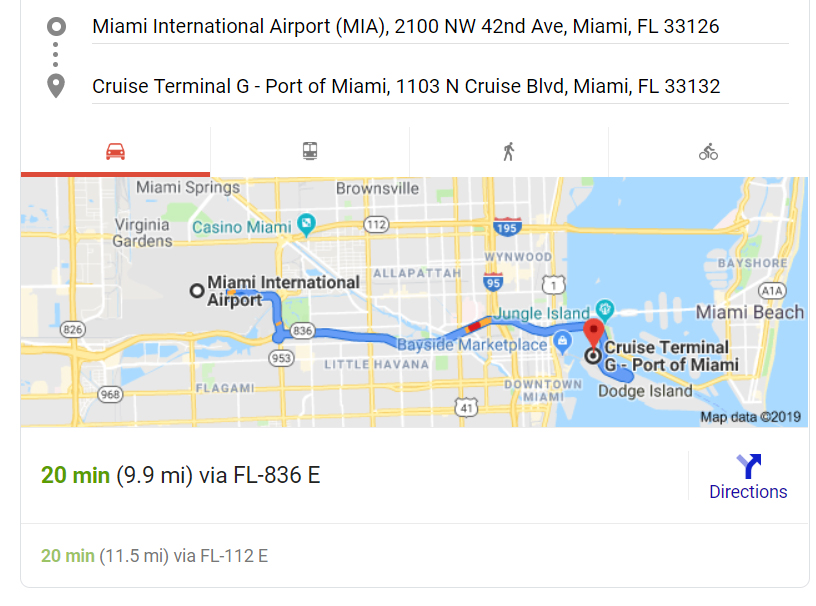
Navigating the transit landscape between major transit hubs is a critical component of any successful cruise vacation. If you are flying into Miami for an adventure on the high seas, understanding the distance and logistical requirements between Miami International Airport and the Port of Miami is essential for a stress-free experience. Situated roughly 8 to 10 miles apart, the journey is relatively short, yet the complexities of local traffic and logistics require careful planning to ensure you arrive at your cruise terminal with plenty of time to spare.
Distance, Geography, and Travel Time
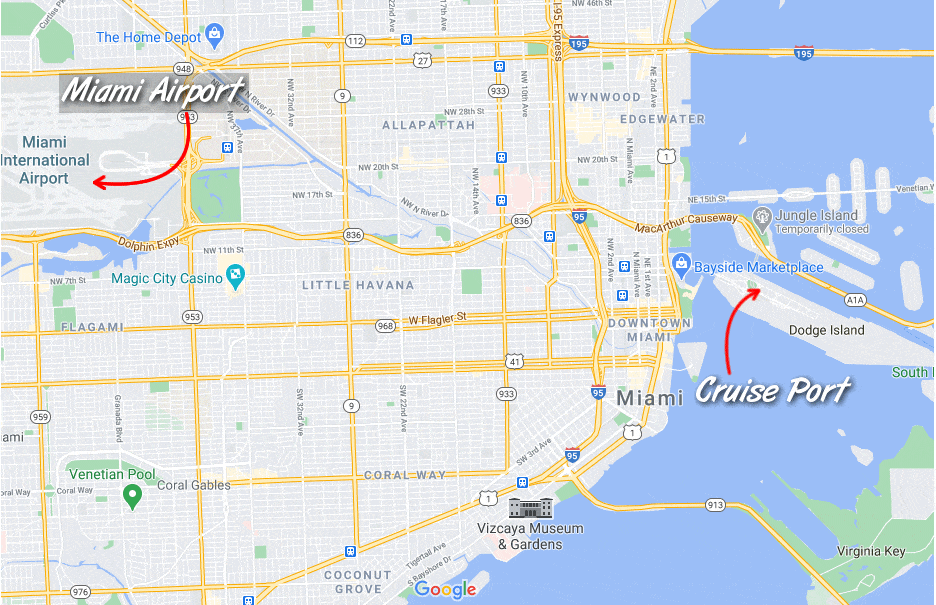
The Port of Miami is famously known as the “Cruise Capital of the World,” located on Dodge Island in the Biscayne Bay. Miami International Airport sits to the west, separated by the bustling urban landscape of Downtown Miami.
Factors Influencing Your Commute
While the physical distance is less than ten miles, the actual time it takes to travel between these two points can vary significantly. On a clear day, the drive typically takes between 20 to 30 minutes. However, South Florida is notorious for heavy traffic congestion, particularly during morning and evening rush hours. If you are arriving during these peak windows, it is wise to budget at least 45 to 60 minutes for your commute.
Seasonal Considerations
Travelers should also be mindful of the time of year. During the height of the winter cruise season, thousands of passengers are moving through the Miami International Airport area simultaneously. Major events or inclement weather can further complicate travel times, making it imperative to monitor local traffic reports before setting out for the port.
Transportation Options: Choosing the Right Transit Mode
When determining how to make the trek from the terminal to the cruise ship, several options are available, each catering to different budgets, group sizes, and levels of comfort.
Rideshare Services and Taxis
For most travelers, utilizing rideshare applications like Uber or Lyft is the most convenient method. These services provide door-to-door transit from the arrivals level of Miami International Airport directly to the drop-off zone of your designated terminal at the Port of Miami. Standard taxis are also readily available at the airport’s official taxi stands, operating on a fixed-rate or metered basis depending on current local regulations. These options are ideal for couples or small families seeking flexibility without the need to coordinate complex schedules.
Pre-Arranged Cruise Line Shuttles
Many cruise lines offer their own shuttle bus services as an add-on to your cruise booking. While these may not always be the most cost-effective solution, they provide a sense of security for passengers who prefer to stay within the cruise line’s ecosystem. The primary benefit here is that the cruise line is aware of your travel status and can provide assistance should flight delays occur.
Private Car Services and Limousines
For those traveling in larger groups or seeking a premium, stress-free start to their vacation, private car services are an excellent choice. Booking a dedicated vehicle allows you to bypass the queues at the rideshare pickup zones and offers luggage assistance that is particularly beneficial for families traveling with significant amounts of gear.
Strategizing Your Arrival Schedule
Planning your arrival is just as important as choosing your mode of transportation. The excitement of reaching Miami can sometimes lead to underestimating the time required for deplaning, collecting baggage, and navigating through ground transportation zones.
Recommended Arrival Windows
General advice for cruisers is to arrive in the city at least one day before departure. This buffers your schedule against flight cancellations, lost luggage, or unexpected transit delays. If you choose to fly in on the same day as your cruise, ensure your flight lands no later than 11:00 AM. This provides a safe margin to reach the Port of Miami before the standard boarding cutoff times.
Navigating the Port Infrastructure
The Port of Miami consists of several cruise terminals, each serving specific cruise lines. It is vital to confirm exactly which terminal your vessel is departing from before you leave the airport. Your boarding documents will specify the terminal number, allowing your driver to drop you off at the correct location, which saves precious time and avoids the frustration of navigating the port’s sprawling layout on foot.
Enhancing Your Pre-Cruise Experience in Miami
Since you are likely spending time in the region, taking advantage of your proximity to iconic local attractions can enrich your trip. Many travelers opt to stay in hotels near Downtown Miami or Brickell to remain close to both the airport and the port.
Exploring the City
If you have extra time before your cruise, consider visiting Bayside Marketplace for waterfront dining or exploring the vibrant art scene in Wynwood. These areas are easily accessible from the port and offer a taste of Florida culture that you might otherwise miss if you rush directly from the tarmac to the ship.
Logistics for Post-Cruise Travel
When your cruise concludes, the return trip to Miami International Airport can be just as busy as the arrival. Port officials often recommend disembarking early if you have an afternoon flight. Traffic patterns exiting the Port of Miami can become highly congested as thousands of passengers depart simultaneously. By coordinating your transportation in advance—whether through a pre-booked car service or by having your rideshare app ready—you can expedite your departure and make your journey home as smooth as the beginning of your vacation.
Whether you are a first-time cruiser or a seasoned mariner, understanding the transit dynamics between these two major hubs ensures that your transition from air to sea is seamless, allowing you to focus on the luxury and relaxation that awaits you on the open ocean.