
Traveling across the vast expanse of the United States is a journey that often reveals the stark contrasts between the energetic, vertical landscapes of the East Coast and the sweeping, open horizons of the Great Plains. When planning a trip from the bustling streets of New York to the heartland of Oklahoma, travelers are often surprised by the sheer scale of the distance involved. Whether you are driven by a sense of wanderlust, a need for a cross-country adventure, or professional requirements, understanding the logistics of this journey is the first step in crafting a memorable experience.
Measuring the Distance: Air, Road, and Perspective
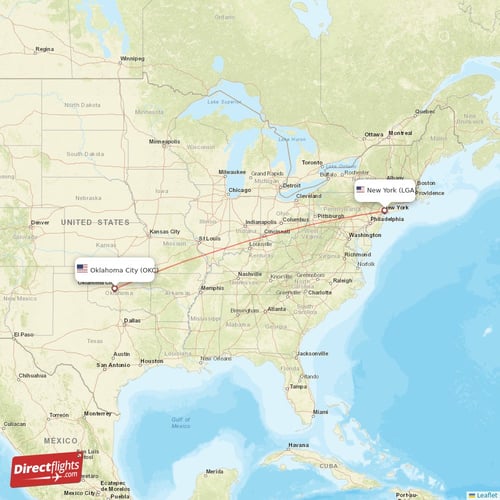
The distance between these two states is not a single, static number; it depends entirely on your method of transit and your specific destination points. If you are flying, the journey is a straightforward affair, but if you are hitting the open road, the map unfolds into a multi-day expedition through the American interior.
Aerial Perspectives
As the crow flies, the distance from New York City to Oklahoma City is approximately 1,300 to 1,400 miles. A direct flight typically takes between three and four hours, depending on prevailing wind patterns and air traffic. This journey serves as a transition from the dense, historic architecture of the Northeast to the sprawling, plains-dominated geography of the Southwest. Travelers departing from John F. Kennedy International Airport often find themselves landing at Will Rogers World Airport in a matter of hours, trading skyscrapers for the expansive, big-sky vistas that define the Sooner State.
The Road Trip Reality
Driving across the country is an entirely different endeavor. Taking the most direct route—often via Interstate 80 or Interstate 70—places the distance at roughly 1,500 miles. This is a journey that requires significant planning, spanning approximately 22 to 24 hours of pure driving time. For the average traveler, this equates to a three-day excursion, assuming one maintains a steady pace and stops only for necessities.
The Overland Route: A Cultural Tapestry
Embarking on a road trip from New York to Oklahoma is a quintessential American experience. It is an opportunity to witness the gradual shifting of landscapes, economies, and cultures that form the backbone of the nation.
Navigating the Mid-Atlantic and Midwest
Your departure from the Empire State likely begins with the heavy traffic of the New York City metropolitan area before heading west. You will traverse Pennsylvania, witnessing the rugged beauty of the Appalachian Mountains. As you enter the Midwest, the terrain flattens, giving way to the vast agricultural fields of Ohio, Indiana, and Illinois. Each state offers unique cultural touchpoints, from the industrial heritage of the Rust Belt to the quiet, rolling farmlands that feed the nation.

Entering the Plains
Crossing the Mississippi River serves as a symbolic gateway to the West. As you traverse Missouri, the air begins to change, and the density of the East Coast yields to the expansive, open vistas of the Great Plains. By the time you reach the Oklahoma border, the shift is palpable. The topography shifts into rolling hills, red clay earth, and the distinct, vibrant energy of the Southern Plains.
Strategic Travel Planning
When the distance is this significant, the quality of your travel experience is heavily influenced by how you structure your journey. Whether you prefer the efficiency of air travel or the immersive nature of a road trip, preparation is key.
Air Travel Logistics
For those prioritizing time, air travel is the clear winner. However, it requires careful coordination. When booking, consider the seasonality of travel between New York and Oklahoma. During peak winter months, weather-related delays in New York can ripple through flight schedules, potentially impacting your arrival in Oklahoma City or Tulsa. It is recommended to utilize major hubs and allow for layovers if direct flights are unavailable. Always check the status of your departure from LaGuardia Airport or Newark Liberty International Airport well in advance.
Tips for the Long-Distance Driver
If you choose to drive, treat the journey as part of the destination. Break the trip into manageable segments of six to eight hours per day.
- Safety First: Ensure your vehicle has undergone a full inspection before departing. The transit through varied climates—from the humid East Coast to the potentially arid heat of the Plains—demands a reliable engine and proper cooling systems.
- Route Planning: Utilize modern navigation tools, but keep physical maps as a backup. Interstate 44 becomes a vital artery as you approach the Southwest, offering a scenic and efficient route through Missouri into the heart of Oklahoma.
- Local Exploration: Allow time for short detours. Visiting landmarks like the Gateway Arch in St. Louis provides a necessary break from the highway and offers a deeper appreciation for the distance you have conquered.

The Cultural and Geographic Contrast
Beyond the miles on the odometer or the flight path, the distance represents a transition in lifestyle. New York is defined by its verticality, its fast-paced, 24-hour lifestyle, and its status as a global epicenter of finance, fashion, and media. It is a place where space is at a premium and every interaction is infused with the city’s unique, electric intensity.
In contrast, Oklahoma offers a different rhythm. It is a state defined by its heritage, from its rich Native American history to its pivotal role in the oil and gas industry and the storied Route 66. The pace is slower, the people are famously hospitable, and the connection to the land is a defining aspect of daily life. The transition from the concrete canyons of Manhattan to the vast, windswept prairies of Tulsa County is not just a change in geography; it is a shift in perspective.
Understanding the distance between New York and Oklahoma involves acknowledging both the literal miles and the psychological space between these two vibrant, distinct poles of American life. Whether you reach your destination via the sky or the pavement, the journey between these points is a testament to the vast, diverse, and enduring nature of the country. By planning thoughtfully and embracing the transit experience, you can ensure that the distance is not merely a hurdle to be cleared, but a meaningful chapter in your broader journey of discovery.
LifeOutOfTheBox is a participant in the Amazon Services LLC Associates Program, an affiliate advertising program designed to provide a means for sites to earn advertising fees by advertising and linking to Amazon.com. Amazon, the Amazon logo, AmazonSupply, and the AmazonSupply logo are trademarks of Amazon.com, Inc. or its affiliates. As an Amazon Associate we earn affiliate commissions from qualifying purchases.