
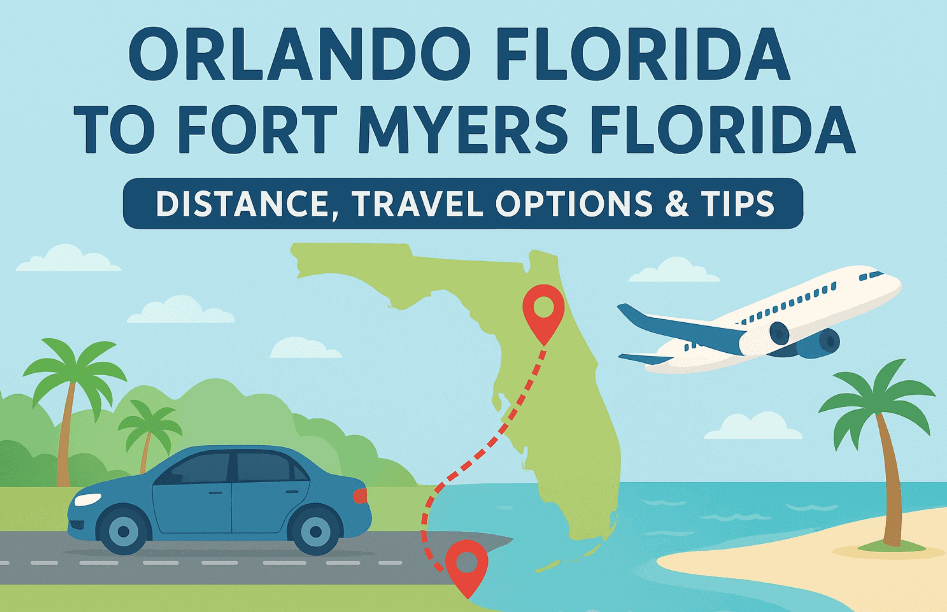
Traveling between Orlando, Florida, the theme park capital of the world, and Fort Myers, Florida, a vibrant Gulf Coast city renowned for its beaches and natural beauty, is a common journey for both tourists and residents alike in the Sunshine State. Understanding the distance, typical travel times, and various transportation options is crucial for planning an efficient and enjoyable trip. This guide delves into the specifics of navigating this popular Florida route, ensuring travelers are well-prepared for their journey.
Understanding the Distance and Drive Time
The geographical expanse separating Orlando and Fort Myers is significant but easily traversable by road. On average, the distance between the two cities ranges from approximately 140 to 160 miles, depending on the specific starting and ending points within each metropolitan area and the chosen route. This translates into a drive time that typically falls between 2.5 and 3.5 hours under ideal conditions, without significant traffic delays or extended stops.
Several factors can influence the actual duration of the journey:
- Traffic Conditions: As major tourist hubs and population centers, both Orlando and Fort Myers can experience heavy traffic, particularly during peak travel seasons, holidays, and rush hours. Departures early in the morning or late in the evening often provide the clearest roads.
- Route Selection: While the primary routes are direct, minor variations can add or subtract a few miles and minutes.
- Stops: Any stops for fuel, food, rest, or sightseeing will naturally extend the overall travel time. Factoring in at least one short break is advisable for safety and comfort.
- Weather: Florida is known for its sudden, heavy thunderstorms, especially during the summer months. These can significantly reduce visibility and necessitate slower driving speeds.
For those flying into Orlando International Airport (MCO) and heading directly to Fort Myers, or vice-versa from Southwest Florida International Airport (RSW), the travel logistics are quite similar, as both airports are strategically located to access major interstate highways.
Driving Routes and Considerations
Driving is overwhelmingly the most common and convenient way to travel between Orlando and Fort Myers, offering flexibility and the ability to transport luggage easily. There are primarily two main routes, each with its own characteristics.
The Direct Interstate Route: I-4 and I-75
This is the most straightforward and fastest option for most travelers.
- Start in Orlando: From Orlando, you’ll typically begin by taking Interstate 4 (I-4) West.
- Connect to I-75 South: I-4 West will lead you directly to Interstate 75 (I-75) South, which is the major north-south artery on Florida’s west coast.
- Continue on I-75 to Fort Myers: Remain on I-75 South. This highway will take you directly into the Fort Myers area, with multiple exits serving the city and surrounding communities.
- Distance: Approximately 150-160 miles.
- Estimated Drive Time: 2.5 to 3 hours.
- Tolls: This route generally avoids significant tolls, though some local roads connecting to I-4 or exiting I-75 might have them. It’s always wise to have a few dollars in change or an E-Pass/SunPass transponder for convenience.
- Advantages: This route is typically the quickest, with higher speed limits and fewer stops due to its interstate nature. It’s well-maintained and clearly signposted.
- Disadvantages: Can be prone to heavy traffic, especially near Orlando and Tampa, and offers less scenic variety compared to smaller roads.
The Scenic Inland Route: U.S. Route 17
For those who prefer a less hurried journey and wish to experience a slice of inland Florida away from the interstate bustle, U.S. Route 17 presents an alternative.
- From Orlando: Head south towards Kissimmee and then pick up U.S. Route 17 South.
- Through Central Florida: U.S. Route 17 will take you through several smaller towns, citrus groves, and rural landscapes in Central Florida, including places like Lake Wales.
- Connection to Fort Myers: Eventually, you would connect back to I-75 or other state roads to reach Fort Myers.
- Distance: Slightly longer, approximately 160-170 miles.
- Estimated Drive Time: 3 to 4 hours, without extensive stops.
- Tolls: Generally fewer tolls on this route.
- Advantages: Offers a more relaxed pace, opportunities to see small-town Florida life, and potentially unique roadside attractions. Bok Tower Gardens in Lake Wales is a notable stop.
- Disadvantages: Slower speeds due to more local traffic, traffic lights, and lower speed limits. Fewer amenities directly on the route compared to the interstate.
Driving Tips for the Journey
- Check Traffic Before You Go: Use navigation apps (e.g., Google Maps, Waze) to check real-time traffic conditions before departing and periodically during your drive. This can help you anticipate delays and potentially reroute if necessary.
- Fuel Up: Ensure your vehicle has sufficient fuel, especially if taking a less traveled route where gas stations might be less frequent.
- Pack Essentials: Have water, snacks, and a first-aid kit on hand.
- SunPass/E-Pass: Consider acquiring a SunPass or E-Pass transponder if you plan on driving frequently on Florida’s toll roads, as it offers discounts and avoids stopping at toll booths. Florida’s Turnpike is a significant toll road, but the main I-75 route from Orlando to Fort Myers largely avoids it.
- Roadside Assistance: Ensure your vehicle is in good condition, and have a plan for roadside assistance in case of a breakdown.
Alternative Transportation Options
While driving offers the most flexibility, other transportation methods are available for those who prefer not to drive or are seeking different travel experiences.

Bus Services
Several bus companies operate routes between Orlando and Fort Myers.
- Greyhound: Greyhound is the most prominent intercity bus service in the U.S. and offers daily departures connecting Orlando to Fort Myers.
- Travel Time: Bus journeys are typically longer than driving, ranging from 4 to 6 hours, due to multiple stops and differing routes.
- Cost: Generally the most budget-friendly option, with fares varying based on booking in advance and demand.
- Advantages: Affordable, allows travelers to relax and avoid driving stress, convenient for solo travelers or those without access to a car.
- Disadvantages: Longer travel times, fixed schedules, and less personal space.
Air Travel
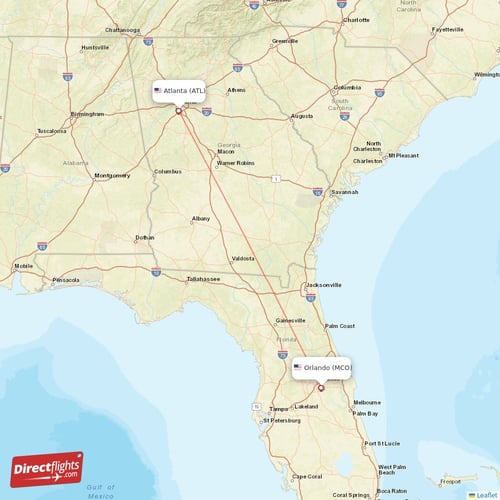
Direct flights between Orlando International Airport (MCO) and Southwest Florida International Airport (RSW) are not common due to the relatively short distance. Most flights would involve a connection through another major hub like Atlanta or Charlotte, making the journey significantly longer and more expensive than driving or taking a bus.
- Consideration: Air travel is generally not a practical option for this specific route unless it’s part of a much longer itinerary with other destinations involved. The time spent checking in, going through security, flying, and then getting from the airport to your final destination in each city will almost certainly exceed the direct driving time.
Train Services
Amtrak provides passenger rail service in Florida, but direct service between Orlando and Fort Myers is not available. Travelers would typically need to take an Amtrak train to a major hub like Tampa or even Miami, and then arrange for bus or car transportation for the final leg to Fort Myers. The SunRail commuter rail system serves the greater Orlando area but does not extend to Fort Myers.
- Consideration: Similar to air travel, train travel is not a direct or efficient option for this specific intercity route and is best avoided for time-sensitive journeys.
Making the Journey Part of Your Adventure
While the primary goal might be to get from Orlando to Fort Myers, the journey itself can be an opportunity for discovery, especially if you opt for the driving route.
Potential Stops Along the Way
- Bok Tower Gardens (Lake Wales): If taking U.S. Route 17, this national historic landmark offers stunning gardens, a singing tower, and serene walking trails. It’s a perfect spot to stretch your legs and enjoy nature.
- Lakeland: Just off I-4 between Orlando and Tampa, Lakeland is known for its beautiful lakes, historic downtown, and the largest collection of Frank Lloyd Wright architecture in one location at Florida Southern College.
- Sarasota: A slight detour west from I-75 will take you to Sarasota, offering beautiful beaches, cultural attractions like the Ringling Museum, and diverse dining options.
- Everglades Outposts: While the main I-75 route doesn’t directly cut through the heart of the Everglades, you’ll pass close to its western edges. For the adventurous, a slight detour to a smaller road might lead to an airboat tour or an opportunity to spot native wildlife.
Travel Experience Enhancement
- Road Trip Playlist: Curate a playlist of your favorite tunes or discover Florida-themed music to set the mood for your journey.
- Audiobooks or Podcasts: Long drives are perfect for diving into a captivating audiobook or an interesting podcast series.
- Snacks and Beverages: Pack a cooler with refreshing drinks and healthy snacks to avoid excessive stops and unhealthy fast food options.
- Passenger Engagement: If traveling with companions, engage in road trip games, conversations, or take turns driving to make the journey more interactive and less tiring.
Planning Your Trip: Tips for a Smooth Journey
A well-planned trip minimizes stress and maximizes enjoyment. Here are some final tips for traveling from Orlando to Fort Myers.
- Book Accommodations in Advance: Especially during peak seasons, securing your lodging in Fort Myers or Orlando well ahead of time is crucial.
- Consider the Time of Year: Florida’s weather varies. Winters offer cooler, drier conditions ideal for driving, while summers are hot, humid, and prone to afternoon thunderstorms. Hurricane season (June to November) can also impact travel plans, so staying informed about weather forecasts is essential.
- Rent a Car if Needed: If you’re flying into Orlando and need to reach Fort Myers, renting a car from Orlando International Airport (MCO) is often the most practical choice for onward travel.
- Share Driving Duties: If traveling with another licensed driver, taking turns at the wheel can significantly reduce fatigue and enhance safety.
- Stay Hydrated: Florida’s climate makes hydration particularly important, even when driving.
The journey from Orlando to Fort Myers is a manageable and often pleasant drive. By understanding the distance, choosing the best route for your preferences, and planning carefully, you can ensure a smooth and enjoyable transition between these two captivating Florida destinations.
LifeOutOfTheBox is a participant in the Amazon Services LLC Associates Program, an affiliate advertising program designed to provide a means for sites to earn advertising fees by advertising and linking to Amazon.com. Amazon, the Amazon logo, AmazonSupply, and the AmazonSupply logo are trademarks of Amazon.com, Inc. or its affiliates. As an Amazon Associate we earn affiliate commissions from qualifying purchases.