
The prospect of a cold winter in Texas often sparks a unique blend of anticipation and concern. Unlike regions accustomed to prolonged periods of snow and ice, Texans experience winter with a distinct flavor. The state’s diverse geography, stretching from the panhandle’s plains to the Gulf Coast’s subtropical humidity, means “cold” can manifest in various ways. Understanding the nuances of a Texas winter is crucial for anyone planning travel to the Lone Star State, whether for exploring its vibrant cities, enjoying its natural landscapes, or immersing themselves in its rich culture. This forecast aims to provide an insightful look into what the 2024-2025 winter season might hold for Texas, offering valuable context for travelers and outdoor enthusiasts.

Forecasting the Texas Winter: El Niño, La Niña, and the Climate Nexus
Predicting winter weather for a state as vast and climatically varied as Texas is a complex endeavor, heavily influenced by global climate patterns. The most significant factors influencing North American winters are typically the El Niño-Southern Oscillation (ENSO) cycles, specifically El Niño and La Niña. Understanding these phenomena is key to deciphering potential weather trends for the upcoming season.
El Niño’s Lingering Influence and La Niña’s Potential Emergence
For the winter of 2023-2024, an El Niño pattern was largely in effect. El Niño conditions, characterized by warmer-than-average sea surface temperatures in the central and eastern equatorial Pacific Ocean, generally bring wetter and cooler conditions to the southern United States, including Texas. This often translates to a higher likelihood of precipitation, with a greater chance of cold air outbreaks interacting with moisture to produce winter weather events.
However, climate science indicates a potential transition from El Niño to a neutral ENSO state, and possibly even the development of La Niña conditions by the 2024-2025 winter. La Niña, the opposite of El Niño, features cooler-than-average sea surface temperatures in the same Pacific region. La Niña winters in Texas are historically associated with warmer and drier conditions, particularly in the southern and eastern parts of the state. The panhandle and western regions might experience more variability, but the overall trend often leans towards milder temperatures and less precipitation.
The transition period between ENSO phases can be unpredictable, and the strength and timing of any developing La Niña are critical. If La Niña does materialize and gain strength, it could significantly shape the winter narrative for Texas, potentially leading to fewer prolonged cold snaps and reduced opportunities for significant winter storm systems that can impact travel and outdoor activities.
Beyond ENSO: Other Climate Drivers
While ENSO is a primary driver, other atmospheric patterns also play a role. The Arctic Oscillation (AO) and the North Atlantic Oscillation (NAO) can influence the jet stream’s position and strength, impacting the flow of cold air into North America. A negative AO or NAO, for instance, can sometimes lead to a more southerly jet stream, bringing colder air into the southern United States. However, these oscillations are notoriously difficult to predict long-term and their influence is often secondary to the overarching ENSO cycle for seasonal forecasts.
Furthermore, long-term climate change trends continue to influence weather patterns. While specific winter forecasts are subject to short-term climate oscillations, the general trend of increasing average temperatures globally could contribute to less severe cold spells, even in regions prone to them.
Expected Winter Conditions: Temperature, Precipitation, and Potential Weather Events
Based on the potential shift from El Niño towards a neutral or La Niña phase, the 2024-2025 winter in Texas is likely to be characterized by a departure from the pattern seen in the previous year.
Temperature Outlook
If La Niña conditions develop, Texans can generally expect warmer-than-average temperatures across much of the state. This doesn’t preclude occasional cold fronts; Texas is large enough to experience localized dips in temperature. However, the frequency and intensity of prolonged, deep freezes might be reduced compared to El Niño winters or years with strong polar vortex disruptions. For travelers, this could mean milder days for exploring cities like Austin or enjoying outdoor attractions in regions like the Texas Hill Country.
Cities in North Texas, such as Dallas and Fort Worth, might still see some frosty mornings and occasional icy conditions, particularly in December and January. However, the prolonged, biting cold that can grip these areas in severe winters might be less prevalent. Southern Texas, including the Rio Grande Valley, is likely to experience mild to warm temperatures throughout the winter, offering a pleasant escape for those seeking to avoid harsher climates.
Precipitation Patterns
A La Niña influence typically points towards drier conditions for Texas. This could mean less rainfall and snowfall, particularly in the eastern and southern parts of the state. While this might be a concern for drought conditions if the pattern persists, it generally translates to fewer disruptive winter storms.
However, the west and panhandle regions of Texas can sometimes experience a different precipitation regime under La Niña, with a slightly higher chance of winter storms if moisture is available and cold air incursions occur. These areas, including places like Amarillo, could still see snow events, though widespread, paralyzing blizzards are less probable under a typical La Niña.
For travelers, drier conditions can mean easier travel across the state, with reduced risks of road closures due to ice or heavy snow. It also bodes well for enjoying outdoor activities like hiking in state parks or visiting historical sites without significant weather disruptions.
Potential for Winter Weather Events
While a milder, drier winter is the statistical likelihood, it’s important to remember that Texas is susceptible to sudden shifts in weather.
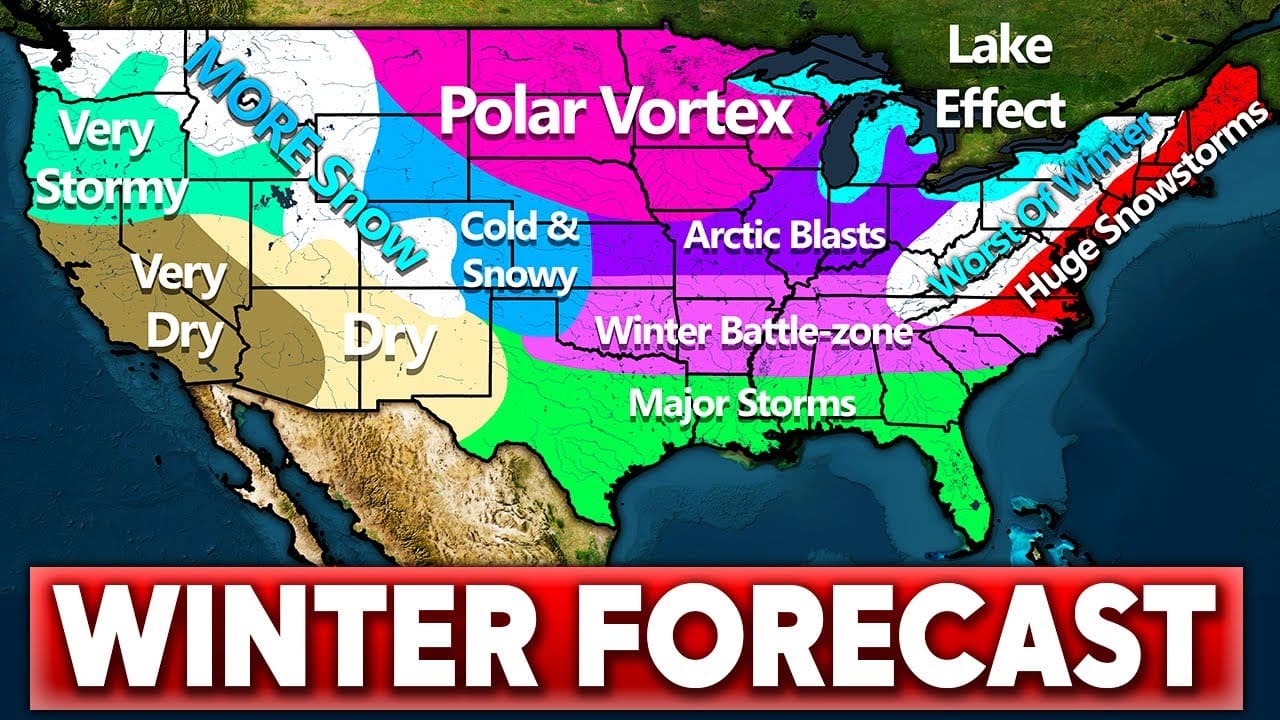
- Cold Fronts: Even in warmer winters, cold fronts can sweep through Texas, bringing sharp drops in temperature. These are often short-lived but can cause rapid changes in conditions, impacting outdoor plans.
- Ice Storms: The combination of moisture and freezing temperatures can lead to ice storms, which can be particularly dangerous for travel. While less likely to be widespread or severe under a typical La Niña, isolated events can still occur, especially in North Texas and the panhandle.
- Severe Thunderstorms and Tornadoes: While more commonly associated with spring, severe thunderstorms, and even isolated tornadoes, can occur during winter months in Texas, particularly when strong cold fronts interact with warmer, moist air.
Travelers should always monitor local weather forecasts closely, especially when venturing into less familiar parts of the state. The dynamic nature of Texas weather means that preparedness is key, regardless of the overarching seasonal forecast.
Impact on Travel and Activities in Texas
The projected winter weather for 2024-2025 has several implications for those planning to visit or explore Texas.
Ease of Travel
A generally milder and drier winter, as suggested by a potential La Niña, would likely translate to smoother travel across the state. Major highways like Interstate 35, Interstate 45, and Interstate 10 might experience fewer weather-related delays. This makes it easier to drive between cities like Houston and San Antonio, or to explore the scenic routes of West Texas.
Air travel should also be less prone to significant disruptions. While occasional weather delays are always possible, the likelihood of widespread flight cancellations due to severe winter storms might be lower. This can provide more confidence for booking flights to major hubs like Dallas/Fort Worth International Airport or George Bush Intercontinental Airport.
Outdoor Adventures and Sightseeing
For outdoor enthusiasts, a milder winter presents opportunities for extended enjoyment of Texas’s diverse landscapes.
- State Parks: Parks such as Big Bend National Park, Palo Duro Canyon State Park, and the numerous parks in the Texas Hill Country could be ideal for hiking and exploring. Milder temperatures mean more comfortable trekking conditions, and reduced chances of being hampered by snow or ice.
- Coastal Exploration: The Texas coast, from Galveston to South Padre Island, might experience a more pleasant winter. While not beach weather for swimming, it’s perfect for leisurely strolls along the shore, birdwatching, and enjoying fresh seafood without the chill that can sometimes affect coastal areas in colder winters.
- Historical Sites and City Exploration: Cities across Texas offer a wealth of historical sites, museums, and vibrant urban experiences. A less severe winter means that exploring landmarks like the Alamo in San Antonio, the Sixth Floor Museum at Dealey Plaza in Dallas, or the cultural districts of Fort Worth can be done comfortably outdoors or with fewer weather-related interruptions.
Potential for Cold-Weather Activities
While the forecast leans towards milder conditions, it’s prudent to acknowledge that cold snaps can still occur. If a significant cold front does move through, particularly in North Texas, opportunities for activities like ice skating at outdoor rinks or enjoying festive holiday markets might be enhanced by a crisp chill. However, travelers should not bank on prolonged cold for planning such specific activities.
Planning Considerations
- Layering is Key: Even in milder winters, Texas weather can be unpredictable. Packing layers of clothing is always advisable, allowing for adjustment to fluctuating temperatures throughout the day.
- Monitor Forecasts: Stay updated with local weather reports as your travel dates approach. Websites like the National Weather Service provide real-time information and forecasts for specific regions.
- Flexibility: While a milder winter might reduce travel disruptions, maintaining some flexibility in your itinerary can help you adapt to any unexpected weather events.
Preparing for the Winter of 2024-2025 in Texas
Whether you’re a long-time resident or a first-time visitor to Texas, understanding the potential for winter weather is essential for a safe and enjoyable experience. The 2024-2025 winter season, influenced by shifts in ENSO cycles, presents a picture of potentially milder and drier conditions compared to previous years.
Understanding Localized Variations
It’s crucial to remember that “Texas winter” is not a monolithic concept. The panhandle’s arid climate differs significantly from the humid subtropical conditions of East Texas or the coastal plains. Therefore, local forecasts are paramount. A cold snap that affects Lubbock might not reach the coast, and a rainy spell in Houston could be dry in El Paso.
Packing and Gear Advice
For travelers, packing smart is vital. While heavy parkas might be less necessary for much of the state, a good quality, water-resistant jacket, comfortable walking shoes, and lighter layers for daytime warmth are recommended. For those venturing into the panhandle or western parts of the state, especially in late December or January, including a hat, gloves, and a warmer coat would be prudent.

Embracing the Texas Winter Experience
Even if the winter of 2024-2025 proves to be milder than some, it still offers a unique set of experiences. The crisp air can be invigorating for exploring the state’s many outdoor attractions. The holiday season in Texas is vibrant, with festive lights and events that are enjoyable in a range of temperatures.
From the cultural richness of cities like San Antonio with its historic missions to the natural beauty of the Texas Hill Country wineries, Texas offers a compelling winter destination. By staying informed about weather patterns and preparing accordingly, visitors can make the most of whatever the 2024-2025 winter has in store for the Lone Star State.
LifeOutOfTheBox is a participant in the Amazon Services LLC Associates Program, an affiliate advertising program designed to provide a means for sites to earn advertising fees by advertising and linking to Amazon.com. Amazon, the Amazon logo, AmazonSupply, and the AmazonSupply logo are trademarks of Amazon.com, Inc. or its affiliates. As an Amazon Associate we earn affiliate commissions from qualifying purchases.