
The question “How far is Orlando, Florida from Miami?” is a common one for anyone planning a trip to the Sunshine State. Whether you’re a first-time visitor eager to explore Florida’s diverse attractions or a seasoned traveler looking to maximize your itinerary, understanding the distance, travel time, and available transportation options between these two iconic Florida cities is crucial. Orlando, renowned globally as the theme park capital, beckons with its magical resorts and endless entertainment, while Miami offers a vibrant blend of South American flair, pristine beaches, and a pulsating nightlife. Connecting these two distinct destinations often forms the backbone of an unforgettable Florida adventure, offering a dynamic contrast between thrilling fantasy and sophisticated urbanity. This comprehensive guide delves into every aspect of this popular journey, from geographical distances and travel logistics to accommodation choices and lifestyle considerations, ensuring you’re well-prepared for a seamless transition between these two captivating locales.
The Distance Between Orlando and Miami: A Detailed Look
Understanding the literal distance between Orlando and Miami is the first step in planning your travel. While the number might seem straightforward, several factors can influence the actual time and effort required for the journey.
Geographical Overview
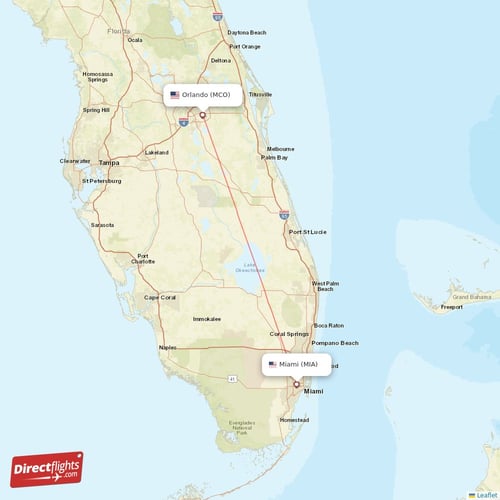
Geographically, Orlando is situated in the central part of Florida, approximately 230 to 240 miles (about 370 to 386 kilometers) north of Miami, which lies at the southeastern tip of the peninsula. This places Orlando firmly in Central Florida, known for its sprawling freshwater lakes and citrus groves, while Miami is the heart of South Florida, characterized by its tropical climate, coastal mangroves, and proximity to the Everglades National Park. The drive predominantly runs through flat terrain, with consistent signage, making navigation relatively easy. The route generally follows major highways, offering a direct path through various Florida landscapes.
The Typical Driving Route
The most common and efficient driving route between Orlando and Miami involves taking Florida’s Turnpike (State Road 91) directly south. This toll road is designed for long-distance travel, offering fewer exits and higher speed limits, which contributes to a more consistent journey time. Alternatively, travelers can use Interstate 95 (I-95), which runs parallel to the Atlantic Ocean coastline. While I-95 is a viable option, it tends to pass through more urban areas, particularly around Fort Lauderdale and Palm Beach, often leading to more traffic congestion and potentially longer travel times. For both routes, the estimated driving time without significant stops or heavy traffic is typically between 3.5 to 4.5 hours. However, factoring in rest stops, fuel stops, and potential traffic delays, especially during peak seasons or rush hour, it’s wise to budget at least 5 to 6 hours for the drive. Travelers should also account for tolls on Florida’s Turnpike, which can be paid via SunPass or cash/toll-by-plate methods.

Navigating the Journey: Your Travel Options
When traveling between Orlando and Miami, you have several modes of transportation, each with its own advantages in terms of cost, convenience, and travel experience. The choice often depends on your budget, time constraints, and preference for comfort or scenery.
Driving: The Most Popular Choice
Driving remains the most popular option for many travelers, primarily due to its flexibility and the ability to explore at one’s own pace. Renting a car in Florida is generally straightforward, with numerous agencies available at both Orlando International Airport (MCO) and Miami International Airport (MIA), as well as downtown locations. A major advantage of driving is the freedom to make impromptu stops at points of interest along the way, whether it’s for a quick meal, a scenic overlook, or to explore charming towns just off the main highway. This flexibility is particularly appealing for families or groups who might appreciate having their own schedule and luggage capacity. However, drivers must consider fuel costs, potential tolls, and parking expenses, which can add up, especially in downtown Miami or at popular attractions in Orlando.
Bus Travel: An Economical Alternative
For budget-conscious travelers or those who prefer to avoid driving, bus services offer a viable and economical solution. Companies like Greyhound and FlixBus operate multiple daily routes between Orlando and Miami, with journey times typically ranging from 4 to 6 hours, depending on the number of stops. Bus travel allows passengers to relax, enjoy the scenery, and even catch up on work or entertainment without the stress of navigating traffic. While it’s generally the cheapest option, it may involve longer travel times due to multiple stops and potential delays. Bus stations are usually centrally located or accessible via public transport, making it a convenient option for those without a car.
Train Travel: A Scenic and Relaxing Ride
Train travel has become an increasingly attractive option, particularly with the introduction of high-speed rail services. Brightline offers a modern, comfortable, and efficient connection between Miami and Orlando, with stops in Fort Lauderdale and Palm Beach. The journey on Brightline typically takes around 3 to 3.5 hours, making it comparable to or even faster than driving in many instances, especially when accounting for traffic. Trains offer spacious seating, Wi-Fi, food and beverage services, and a more relaxed atmosphere than other modes of transport. This premium service is ideal for those who value comfort and efficiency. Additionally, Amtrak also provides train services, albeit with longer travel times and fewer direct routes, often involving transfers. Train travel offers a unique way to experience the Florida landscape without the hassle of driving, making it a great choice for leisure travelers looking for a stress-free journey.
Flying: The Quickest Option
For those prioritizing speed above all else, flying is undoubtedly the quickest way to travel between Orlando and Miami. Multiple airlines offer direct flights, with flight durations typically around one hour. When considering the entire process, including checking in, going through security, boarding, and then disembarking and retrieving luggage, the total travel time from airport to airport can be approximately 3 to 4 hours. Orlando International Airport (MCO) and Miami International Airport (MIA) are both major hubs, offering numerous daily flights. This option is particularly beneficial for business travelers on tight schedules or those connecting from international flights. However, flying is generally the most expensive option, and travelers should also factor in the cost and time of transportation to and from the airports at both ends. Fort Lauderdale-Hollywood International Airport (FLL) also serves as a strong alternative for flights to or from the Miami area, sometimes offering more competitive prices.
Making the Most of Your Trip: What to See and Do
Once you’ve arrived at your destination, whether Orlando or Miami, a world of unique experiences awaits. These two cities, while geographically close, offer vastly different tourism landscapes, catering to a wide array of interests.
Orlando: The Theme Park Capital of the World
Orlando truly lives up to its reputation as the “Theme Park Capital of the World.” The city is home to some of the most famous entertainment complexes on the globe, attracting millions of visitors annually. The most iconic is the Walt Disney World Resort, an expansive wonderland featuring four major theme parks: Magic Kingdom Park, Epcot, Disney’s Hollywood Studios, and Disney’s Animal Kingdom Theme Park. Each park offers distinct themes, thrilling rides, captivating shows, and immersive experiences that appeal to all ages.
Close by, the Universal Orlando Resort presents another universe of excitement, with Universal Studios Florida and Universal’s Islands of Adventure, famously home to The Wizarding World of Harry Potter. Beyond these giants, SeaWorld Orlando offers marine life encounters and roller coasters, while the Kennedy Space Center Visitor Complex, located about an hour’s drive east of Orlando near Cape Canaveral, provides an awe-inspiring look into space exploration and NASA’s achievements.
But Orlando isn’t just about theme parks. Disney Springs and Universal CityWalk offer vibrant dining, shopping, and entertainment districts without park admission. For a taste of local culture and tranquility, a visit to Lake Eola Park in downtown Orlando provides beautiful skyline views and swan boat rides. The charming town of Winter Park, just north of Orlando, boasts boutique shops, art museums, and scenic boat tours. International Drive (I-Drive) is another hub of activity, featuring dinner shows, miniature golf, and attractions like the Orlando Eye. Orlando also offers a plethora of world-class dining experiences, from casual family restaurants to upscale gourmet establishments, catering to every palate.
Miami: Beaches, Culture, and Nightlife
In stark contrast to Orlando’s fantasy-driven appeal, Miami captivates with its blend of urban sophistication, tropical beauty, and rich Latin American influences. The city is famous for its stunning beaches, particularly South Beach in Miami Beach, renowned for its white sands, turquoise waters, and vibrant scene. Strolling along Ocean Drive reveals the iconic pastel-colored buildings of the Art Deco Historic District, a testament to Miami’s unique architectural heritage.
The cultural heart of Miami beats strongly in neighborhoods like Little Havana, where you can immerse yourself in Cuban culture, savor authentic Cuban coffee and cuisine, and watch expert cigar rollers. The Wynwood Walls in the Wynwood Arts District showcase incredible street art and murals, creating an open-air museum that’s constantly evolving. For a touch of historic grandeur, the Vizcaya Museum & Gardens offers a glimpse into European splendor with its opulent mansion and intricate gardens overlooking Biscayne Bay.
Nature enthusiasts will appreciate the proximity to the Everglades National Park, where airboat tours offer thrilling encounters with alligators and diverse wildlife. Miami’s nightlife is legendary, with world-class clubs, rooftop bars, and beach parties that continue until the early hours. The culinary scene is equally diverse, ranging from upscale dining experiences to casual food trucks, with a strong emphasis on fresh seafood and international flavors. Miami also serves as a major cruise port, making it a popular starting point for Caribbean adventures.
Planning Your Stay: Accommodation and Lifestyle
Choosing the right accommodation and tailoring your travel style are key to enhancing your Orlando and Miami experience. Both cities offer an extensive range of options, catering to every preference and budget.
Accommodation Choices in Orlando
Orlando’s accommodation landscape is dominated by options designed to complement its theme park offerings. Resorts are king here, with integrated themes, numerous pools, dining options, and transportation to the parks. Examples include the various themed resorts within Walt Disney World (e.g., Disney’s Contemporary Resort, Disney’s Polynesian Village Resort) and Universal Orlando Resort (e.g., Loews Portofino Bay Hotel, Hard Rock Hotel). These often include perks like early park admission or express passes, making them ideal for a full immersion experience.
Beyond the major resorts, Orlando offers a wide selection of hotels, from luxury brands like Ritz-Carlton and Four Seasons to mid-range options from Marriott, Hilton, and Hyatt chains along International Drive and in the Lake Buena Vista area. For longer stays or larger families, condos and villas are popular, offering multiple bedrooms, full kitchens, and private pools, often found in areas like Kissimmee. Budget-friendly hotels and motels are also abundant, providing clean and comfortable stays for those looking to save on accommodation and spend more on attractions. Booking well in advance, especially during peak seasons like summer, spring break, or holidays, is highly recommended for the best selection and rates. Many accommodations also offer shuttle services to the major theme parks, reducing the need for personal transportation.
Accommodation Choices in Miami
Miami’s accommodation scene reflects its diverse appeal, from glamorous beachfront properties to chic urban boutiques. Luxury hotels and resorts are plentiful in Miami Beach, particularly along South Beach and up to Mid-Beach. Iconic establishments like the Fontainebleau Miami Beach, SLS South Beach, and The Breakers (a bit further north in Palm Beach) offer opulent amenities, direct beach access, and world-class dining. For a more understated luxury, boutique hotels in the Art Deco Historic District provide a stylish and intimate experience.
In mainland Miami, areas like downtown, Brickell, and Coral Gables offer a range of business-oriented hotels, suites, and upscale apartments and condo-hotels. Brands like JW Marriott Marquis Miami and The Biltmore Hotel in Coral Gables cater to travelers seeking urban amenities and sophisticated environments. For budget-conscious travelers, options are available throughout the city, though perhaps less directly on the beach. Vacation rentals through platforms like Airbnb are also very popular in Miami, offering a chance to live like a local in various neighborhoods. Regardless of your choice, proximity to public transportation or easy access to ride-sharing services is always a good consideration in Miami.
Travel Styles: Luxury, Budget, and Family Considerations
The journey between Orlando and Miami, and the stay in each city, can be tailored to various lifestyle and travel preferences:
- Luxury Travel: For a high-end experience, consider flying between cities and staying in premium resorts like The Ritz-Carlton Orlando, Grande Lakes or Four Seasons Resort Orlando at Walt Disney World Resort. In Miami, indulge in a beachfront stay at the Fontainebleau or a stylish boutique hotel in South Beach. Dining at acclaimed restaurants and hiring private transportation will complete the luxurious journey.
- Budget Travel: To minimize costs, opt for bus travel, which offers significant savings. In Orlando, look for accommodations slightly off the main tourist corridors or consider motels and extended-stay properties. In Miami, explore hostels or less-central hotels with good public transport links. Utilizing self-catering options and seeking out local eateries can also help manage expenses.
- Family Trips: Driving provides the most flexibility for families, allowing for luggage, car seats, and spontaneous stops. Resorts in Orlando are often designed with families in mind, featuring kids’ clubs, multiple pools, and family suites. In Miami, look for family-friendly hotels or vacation rentals that offer more space and amenities, and plan activities like beach days, park visits, and exploring interactive museums.
- Business Stays: Flying or taking the Brightline train are the most efficient options. Hotels in downtown Orlando or near convention centers, and in Miami’s Brickell or downtown areas, are ideal for business travelers, offering connectivity, meeting facilities, and easy access to corporate hubs.
Ultimately, the journey from Orlando to Miami is more than just a matter of distance; it’s an opportunity to experience the diverse tapestry of Florida. By carefully planning your transportation and accommodation, you can ensure a seamless and enjoyable transition between these two captivating cities, making the most of every moment of your Sunshine State adventure.
LifeOutOfTheBox is a participant in the Amazon Services LLC Associates Program, an affiliate advertising program designed to provide a means for sites to earn advertising fees by advertising and linking to Amazon.com. Amazon, the Amazon logo, AmazonSupply, and the AmazonSupply logo are trademarks of Amazon.com, Inc. or its affiliates. As an Amazon Associate we earn affiliate commissions from qualifying purchases.