
Planning a trip to the Golden State? Whether you’re envisioning the sun-drenched beaches of Southern California, the bustling city life of San Francisco, or the serene majesty of its national parks, understanding the local time zone is a fundamental aspect of seamless travel. For all its diverse landscapes and vibrant culture, California observes a single, unified time zone across the entire state: Pacific Time (PT). This means that from the border with Oregon in the north to Mexico in the south, and from the Pacific Ocean coastline to the Nevada border in the east, every clock ticks in unison.
However, the concept of Pacific Time isn’t entirely static throughout the year. Like many regions across the United States and the world, California participates in Daylight Saving Time (DST). This annual adjustment introduces a shift from Pacific Standard Time (PST) to Pacific Daylight Time (PDT) for a significant portion of the year. Knowing when these changes occur and what they mean for your itinerary, from flight schedules to hotel check-ins and attraction opening hours, is crucial for any discerning traveler. This guide will delve into the intricacies of California’s time zone, offering essential insights for planning your perfect Golden State adventure.

Understanding California’s Time Zone: Pacific Time Explained
The uniform observance of Pacific Time across California simplifies travel considerably, as you won’t need to adjust your watch when moving between its various regions. However, the seasonal shift due to Daylight Saving Time is a key detail that merits attention.
The Basics: PST and PDT
For roughly five months of the year, typically from early November to early March, California observes Pacific Standard Time (PST). During this period, the time is precisely eight hours behind Coordinated Universal Time (UTC), which is often expressed as UTC-8. This is the “standard” time that governs the winter months.
With the arrival of spring, usually on the second Sunday in March, California transitions to Pacific Daylight Time (PDT). This change, often referred to as “springing forward,” involves moving clocks forward by one hour. Consequently, PDT is seven hours behind Coordinated Universal Time, or UTC-7. This adjustment is designed to maximize daylight hours in the evening, providing more light for outdoor activities and potentially reducing energy consumption. The state remains on PDT until the first Sunday in November, when clocks “fall back” by an hour, returning to PST.
This annual ritual has significant implications, especially for those involved in travel or international business. Missing a meeting or a flight simply because one forgot about the DST change is a common pitfall. For tourists, it means ensuring that any pre-booked tours, dining reservations in cities like Los Angeles or San Diego, or specific entry times for attractions like Disneyland are confirmed with the correct time in mind.
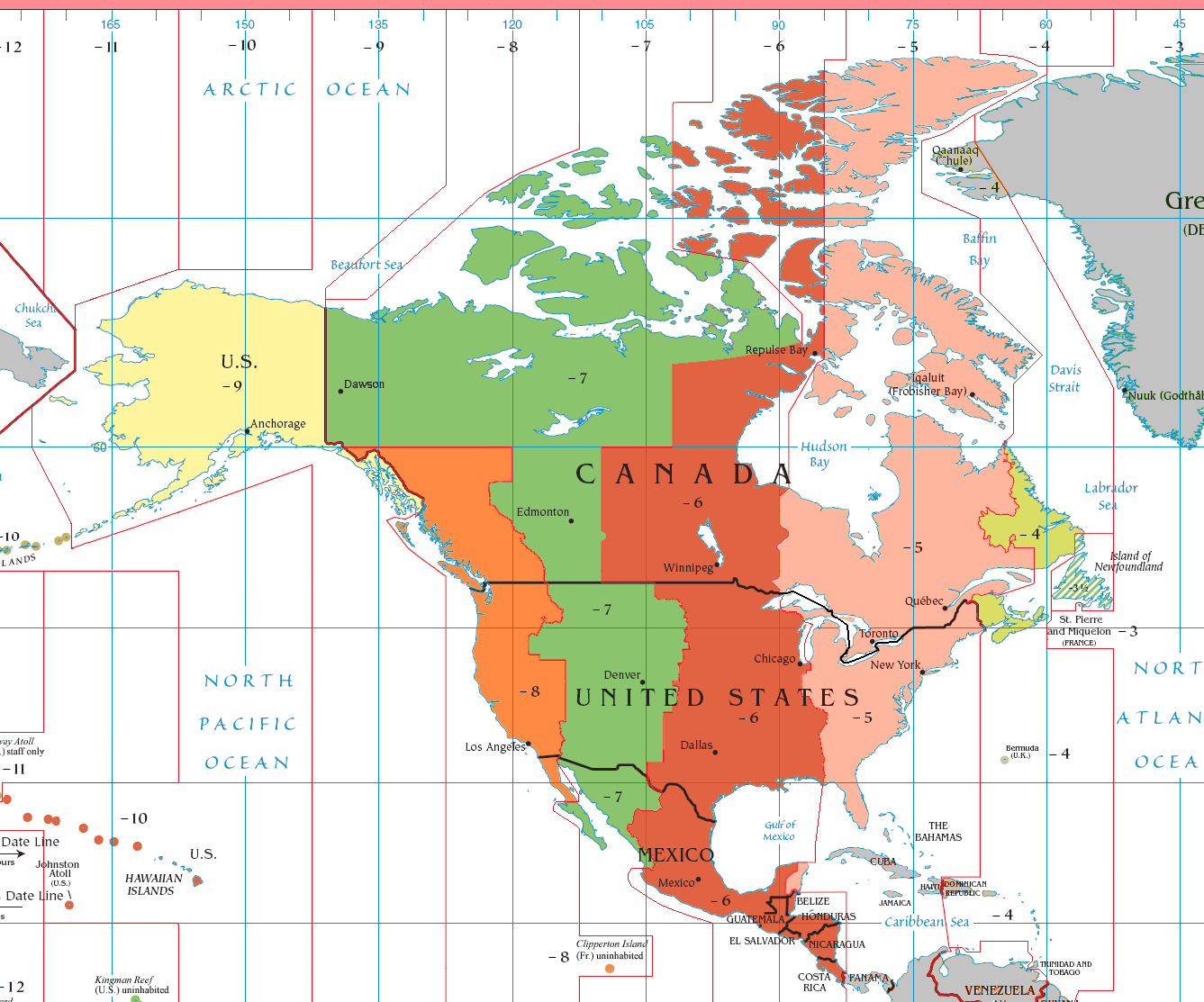
Geographic Scope of Pacific Time
While our focus is primarily on California, it’s worth noting that Pacific Time extends beyond its borders, encompassing a significant portion of the western United States and Canada. In the US, states that fully or partially observe Pacific Time include Washington, Oregon (with a small portion in the Mountain Time Zone), Nevada, and the northern panhandle of Idaho. Understanding this broader geographical context can be particularly useful for travelers planning multi-state road trips or those commuting across state lines.
The global system of time zones is rooted in geographical longitude, dividing the Earth into 24 segments, each roughly 15 degrees wide. Pacific Time falls within one of these segments, defining its offset from the prime meridian. This structured approach to time-keeping ensures consistency and facilitates global communication and coordination, a concept that becomes especially relevant when you consider the international reach of California’s tourism and business sectors.
Why Time Zone Awareness is Critical for California Travelers
For anyone embarking on a journey to California, whether for leisure or business, a clear understanding of its time zone is more than just a trivial detail; it’s a critical component of successful trip planning. From ensuring smooth transitions in travel logistics to managing personal well-being, time zone awareness impacts nearly every aspect of your Golden State experience.
Seamless Travel Planning and Booking
The most immediate impact of time zone discrepancies is often felt in the realm of travel and accommodation.
- Flights and Transportation: Imagine missing a connecting flight in Los Angeles International Airport because you failed to account for a time zone change from your departure city. Flights are universally scheduled according to the local time of the airport, so a flight departing from New York at 9:00 AM Eastern Time will arrive in California at a very different Pacific Time later that day. Similarly, arranging airport transfers, renting a car, or coordinating with a shuttle service requires precise timing based on your actual arrival in California time. Always double-check arrival and departure times in the local time zone to avoid costly mistakes and unnecessary stress.
- Hotel and Accommodation Check-ins: Most hotels, resorts, and vacation rentals have specific check-in and check-out times. Arriving significantly too early or too late due to time zone confusion can lead to waiting for your room, incurring extra charges, or even having your reservation canceled in extreme cases. Confirming your expected arrival time in Pacific Time with your chosen accommodation is always a wise move, especially if you’re traveling across multiple time zones.
- Attraction Timings and Tour Bookings: California boasts an incredible array of attractions and landmarks, from theme parks like Universal Studios Hollywood to iconic sites like the Golden Gate Bridge. Many of these operate on strict schedules, especially if you’ve pre-booked timed entry tickets or guided tours. Imagine missing your reserved slot for a tour of Alcatraz Island or the morning show at a San Francisco theater because you miscalculated the local time. Carefully reviewing and confirming the operating hours and tour start times in Pacific Time is essential for maximizing your sightseeing and ensuring a smooth tourism experience.
- Dining Reservations: California’s culinary scene is world-renowned, and securing a table at popular restaurants in cities like San Francisco or Los Angeles often requires advance reservations. Showing up an hour late could mean forfeiting your table, particularly in high-demand eateries. Aligning your schedule with Pacific Time ensures you enjoy every gastronomic delight without a hitch.
Communication and Lifestyle Adjustments
Beyond practical logistics, understanding California’s time zone impacts your personal comfort and ability to stay connected.
- Connecting with Home: For travelers maintaining contact with family and friends in different time zones, knowing the exact time difference is paramount. Scheduling video calls or simply checking in becomes a considerate act, ensuring you don’t inadvertently wake someone up in the middle of the night. This is especially true for families on vacation or solo travelers wishing to share their experiences.
- Business Travel: California, particularly Silicon Valley, is a global hub for business. For professionals on business stays, managing virtual meetings, conference calls, and deadlines across time zones is a daily challenge. A clear grasp of PST/PDT is indispensable for seamless professional interactions, ensuring you’re punctual for critical engagements.
- Jet Lag Management: While not directly a time zone awareness issue, the impact of crossing multiple time zones on your body clock is very real. Understanding the difference between your home time and Pacific Time allows you to mentally and physically prepare for jet lag. Gradual adjustments to your sleep schedule before departure, staying hydrated, and exposing yourself to natural light upon arrival in California can significantly mitigate its effects, ensuring you make the most of your trip from day one.
Navigating California’s Diverse Regions with Time in Mind
From its iconic coastlines to its majestic mountains and arid deserts, California’s landscape is incredibly varied. While the attractions and experiences differ vastly across these regions, the consistent application of Pacific Time (PST/PDT) simplifies scheduling across the state. However, understanding how this time zone affects planning for specific regional adventures is key to an optimized itinerary.
Coastal Gems and Cityscapes
California’s urban centers and coastal cities are vibrant hubs of tourism, offering everything from cultural landmarks to world-class dining and entertainment.
- Los Angeles: The sprawling metropolis of Los Angeles is home to the Hollywood Walk of Fame, Griffith Observatory, and the Santa Monica Pier. Whether you’re booking tickets for a show at the Dolby Theatre, planning a studio tour at Universal Studios Hollywood, or making dinner reservations in Beverly Hills, all operations adhere strictly to Pacific Time. Traffic in LA can be notoriously heavy, so factor in extra travel time on top of your time zone calculations to avoid missing appointments.
- San Francisco: This iconic city, famous for the Golden Gate Bridge, Alcatraz Island, and Fisherman’s Wharf, requires careful planning, especially for attractions like the Alcatraz ferry, which operates on a precise schedule. Knowing the local Pacific Time is essential for catching your ferry, embarking on a cable car adventure, or enjoying a leisurely meal in the Mission District.
- San Diego: Known for its beautiful beaches, the San Diego Zoo, and Balboa Park, San Diego offers a more relaxed pace. However, museum opening hours, whale watching tour departures from San Diego Bay, and sunset cruises are all governed by Pacific Time. Even for seemingly informal activities, aligning with the local clock ensures a smooth day.
Across these urban and coastal locales, the fundamental rule remains: always cross-reference your schedule with the current PST or PDT. This is particularly important for group tours, pre-paid experiences, and any activity with a fixed start time.
Mountain Adventures and Desert Retreats
California’s interior offers a dramatic contrast, with towering mountains and vast deserts providing unique travel destinations.
- Lake Tahoe: Straddling the California-Nevada border, Lake Tahoe is a haven for outdoor enthusiasts, offering skiing in winter and hiking, boating, and swimming in summer. While Lake Tahoe itself is in Pacific Time, travelers coming from the Nevada side should be aware that portions of Nevada further east, such as Las Vegas, are also on Pacific Time, ensuring consistency when traveling within the immediate region. Resort check-in times, lift operating hours at Palisades Tahoe, or guided fishing trips all adhere to the prevailing PST/PDT.
- Yosemite National Park: One of the most breathtaking national parks in the United States, Yosemite requires attention to time, especially for entry permits, shuttle schedules, and guided tours. Entrance gate hours, visitor center operations, and the timing of ranger programs are all set according to Pacific Time. Planning your day around these times is crucial for navigating the park’s vastness efficiently and safely.
- Palm Springs and Death Valley National Park: In the arid regions, Palm Springs offers luxury resorts and golf courses, while Death Valley National Park presents extreme landscapes. For those seeking relaxation in Palm Springs, spa appointments, golf tee times, and accommodation check-ins are all dictated by Pacific Time. In Death Valley, where extreme temperatures demand careful planning, understanding visitor center hours and optimal times for sightseeing (e.g., avoiding midday heat) is imperative, all within the framework of PST/PDT.
Preparing for Your Golden State Adventure
Regardless of where your California travels take you, a few best practices will ensure you’re always in sync with the local time:
- Confirm Specific Timings: Always verify the specific opening and closing times for attractions, restaurants, and transportation services in advance. Online resources are typically up-to-date with PST/PDT.
- Use Reliable World Clock Apps: Many smartphone apps can display multiple time zones, making it easy to track your home time alongside Pacific Time.
- Set Device Clocks to Automatic: Ensure your smartphone, laptop, and other electronic devices are set to automatically update their time zone. This is particularly important for the Daylight Saving Time transitions.
- Factor in Buffer Time: Even with accurate time zone knowledge, delays can happen. Always build in a buffer for travel between locations, especially in busy cities or remote national parks where distances can be deceiving.
By diligently observing the consistent use of Pacific Time across its diverse regions, you’re better equipped to plan an unforgettable lifestyle and travel experience in California.
Conclusion
In summary, the beautiful state of California operates entirely on Pacific Time (PT). This means it observes Pacific Standard Time (PST), which is UTC-8, during the fall and winter months, and transitions to Pacific Daylight Time (PDT), or UTC-7, from spring through early fall due to Daylight Saving Time. This unified approach simplifies time management across the state’s vast and varied regions, from the bustling urban centers of Los Angeles and San Francisco to the serene landscapes of Yosemite National Park and the resorts of Palm Springs.
For any traveler, whether planning a family trip, a luxury getaway, or a budget-conscious adventure, understanding California’s time zone is an indispensable part of comprehensive trip planning. It influences everything from booking flights and accommodation to scheduling attraction visits and managing communications with home. By factoring in Pacific Time into all your arrangements, you can avoid common pitfalls, ensure timely arrivals, and make the most of every precious moment in this captivating destination. So, set your watches, plan meticulously, and prepare to immerse yourself fully in the unforgettable experiences that California has to offer.
LifeOutOfTheBox is a participant in the Amazon Services LLC Associates Program, an affiliate advertising program designed to provide a means for sites to earn advertising fees by advertising and linking to Amazon.com. Amazon, the Amazon logo, AmazonSupply, and the AmazonSupply logo are trademarks of Amazon.com, Inc. or its affiliates. As an Amazon Associate we earn affiliate commissions from qualifying purchases.