
The allure of Florida’s central and west coasts often sparks a curious question for travelers and residents alike: “How far is Orlando from Tampa Bay?” While seemingly close on a map, the answer involves more than just mileage; it’s about the journey, the modes of transport, and the distinct experiences each vibrant region offers. Understanding this distance is key to planning seamless Florida adventures, whether you’re hopping between theme park thrills and vibrant city nightlife or exploring diverse attractions. This guide delves into the specifics, offering practical insights for your travel planning.

The Direct Driving Distance: A Straight Shot Through the Sunshine State
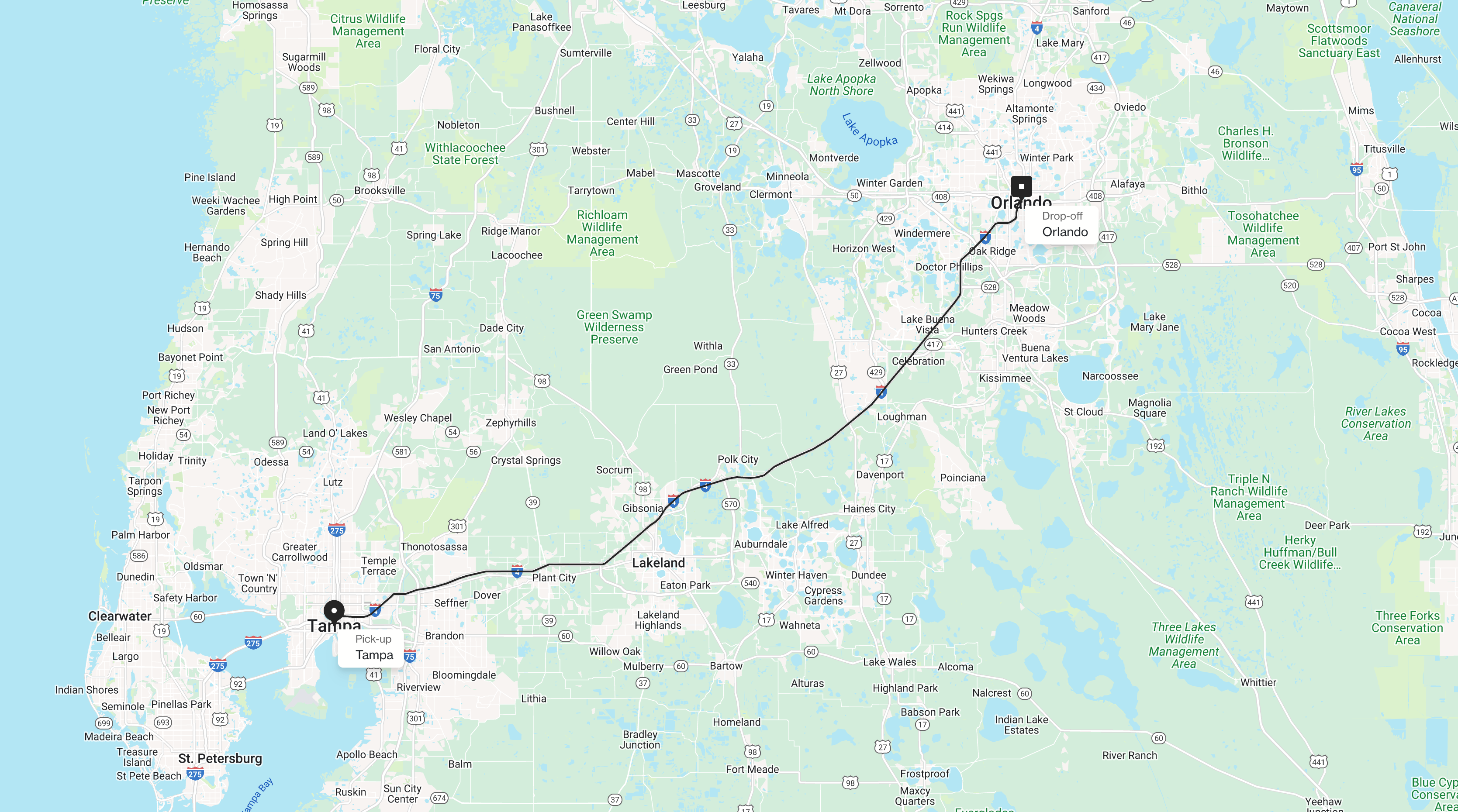
At its core, the distance between Orlando and Tampa Bay is remarkably manageable, making it a popular corridor for day trips and inter-city exploration. The most direct route typically spans approximately 85 miles, a stretch that can be covered with relative ease.
Navigating the Highways: I-4’s Central Role
The primary artery connecting these two major Florida hubs is Interstate 4 (I-4). This well-maintained highway offers a direct and efficient path, traversing the heart of the state.
- Route Overview: Beginning in Tampa, I-4 heads northeast, passing through cities like Lakeland and Kissimmee before reaching Orlando. The journey is largely characterized by flat terrain and consistent signage.
- Estimated Travel Time: Under ideal conditions, the drive can take anywhere from 1 hour and 15 minutes to 1 hour and 45 minutes. However, this is a crucial caveat, as Florida traffic, particularly along the I-4 corridor, can significantly impact travel times. Rush hour in both Orlando and Tampa can add substantial delays, turning a quick trip into a much longer endeavor. It’s always advisable to check real-time traffic conditions before embarking on your journey.
- Factors Affecting Travel Time:
- Time of Day: Commuting hours (typically 6-9 AM and 4-7 PM on weekdays) are the busiest.
- Day of the Week: Weekends, especially during peak tourist seasons, can also see increased traffic.
- Special Events: Major events in either city, such as Super Bowl games at Raymond James Stadium or theme park celebrations in Orlando, can lead to congestion.
- Construction: Ongoing road maintenance and expansion projects along I-4 can cause temporary detours and slowdowns.
Scenic Alternatives: Beyond the Interstate
While I-4 is the most direct, alternative routes exist for those seeking a slightly different pace or wishing to explore smaller towns along the way. These routes are generally longer and may not offer significant time savings, but they provide a more intimate glimpse into Florida’s landscape.
- US-92: This highway offers a more southerly route, passing through various communities. It can be a pleasant alternative if you wish to make stops in towns like Plant City or Deland (though Deland is further north of this direct route).
- Local Roads: A network of smaller state roads and county roads can be pieced together for a truly back-road experience. These are best explored with detailed local knowledge and a willingness to embrace detours.
Exploring Transportation Options: Beyond Your Personal Vehicle
Driving is the most common way to travel between Orlando and Tampa Bay, but it’s not the only option. For those who prefer not to drive or wish to relax during the journey, several alternatives exist.
Ride-Sharing and Private Car Services
The convenience of ride-sharing apps like Uber and Lyft extends to inter-city travel. While often more expensive than driving yourself, it eliminates the stress of navigation and parking.
- Availability: Ride-sharing services are readily available in both Orlando and Tampa Bay. Booking a longer trip may require advance planning or confirming availability with drivers.
- Cost: Prices can vary significantly based on demand, time of day, and the specific service requested (e.g., UberX, UberXL). Expect costs to be considerably higher than a tank of gas for a personal vehicle.
- Private Car Services: For a more premium experience, numerous private car services and limousines operate between the two cities, offering comfort and professional service.
Bus Services: A Budget-Friendly Choice
For budget-conscious travelers, inter-city bus services provide a practical and affordable means of transportation. Companies like Greyhound and smaller regional carriers often operate routes connecting Orlando and Tampa Bay.
- Departure and Arrival Points: Bus stations are typically located in accessible areas within each city, often near downtown or major transportation hubs.
- Travel Time: Bus journeys are generally longer than driving due to scheduled stops, but they offer a chance to relax, read, or enjoy the passing scenery. Expect travel times to range from 2 to 3 hours, depending on the specific route and stops.
- Amenities: Modern bus services often include Wi-Fi, power outlets, and comfortable seating, making the journey more pleasant.
Train Travel: A Developing Option
While not as established as other options for this specific route, train travel in Florida is expanding. Currently, direct train service specifically between Orlando and Tampa Bay is limited. However, regional services and connections through Miami or other hubs might be feasible, though significantly longer and less direct. Travelers interested in this option should consult the schedules of Amtrak and the Brightline (a privately owned intercity rail system in Florida) for the most up-to-date information on potential routes and connections.
The Experience: What Lies Between and Beyond
The journey from Orlando to Tampa Bay is more than just a transit; it’s an opportunity to traverse a diverse landscape that showcases different facets of Florida’s appeal.
Central Florida’s Heartlands
As you depart Orlando, the landscape transitions from the bustling tourist zones to the more serene heartland of Central Florida.
- Agricultural Regions: Large expanses of citrus groves and cattle ranches dot the scenery, offering a glimpse into Florida’s agricultural backbone.
- Lakeland: This city serves as a midpoint and offers its own unique charm, known for its historic architecture and numerous lakes. It’s a potential stop for a coffee break or a brief exploration.
- Nature Preserves: Interspersed with development, you’ll find pockets of natural Florida, including cypress swamps and pine forests, often visible from the highway.
Tampa Bay’s Coastal Embrace
Approaching Tampa Bay, the environment begins to shift, hinting at the proximity of the Gulf Coast.
- Industrial Areas: The initial signs of a major metropolitan area include industrial zones and the sprawling infrastructure of the port.
- Waterways and Bridges: As you draw closer to Tampa and St. Petersburg, you’ll notice an increasing presence of waterways, bays, and the impressive bridges that connect the various parts of the bay area, such as the Sunshine Skyway Bridge, an iconic landmark.
- Coastal Vegetation: Palmetto trees and other coastal flora become more prevalent, signaling your arrival in a distinct coastal ecosystem.
Planning Your Trip: Maximizing the Experience
Knowing the distance and transportation options is the first step. The next is to strategically plan your travel to maximize your experience and minimize any potential inconveniences.
Choosing the Right Time to Travel
- Avoid Peak Hours: If driving, aim to travel outside of the typical rush hours to avoid significant delays. Early mornings or late evenings are often best.
- Consider Weekdays: Weekday travel is generally less congested than weekends, especially during holidays or spring break.
- Factor in Events: Check local event calendars for both Orlando and Tampa Bay to see if any major happenings might impact traffic.

Preparing for the Journey
- Navigation: Utilize GPS navigation apps that provide real-time traffic updates. Waze and Google Maps are excellent tools for this purpose.
- Rest Stops: Plan for potential rest stops, especially if traveling with children or if you anticipate a longer journey due to traffic. Numerous service plazas and exits along I-4 offer amenities.
- Snacks and Entertainment: For bus or train travel, pack snacks, drinks, and entertainment to make the journey more enjoyable.
- Booking in Advance: For bus or private car services, booking in advance can often secure better rates and ensure availability.
The approximately 85-mile journey from Orlando to Tampa Bay is a testament to Florida’s interconnectedness. Whether you’re a thrill-seeker heading from the theme parks to the beaches, a business traveler, or simply exploring the diverse attractions of the Sunshine State, understanding the distance, your transportation choices, and the nuances of the route will ensure a smooth and rewarding travel experience between these two dynamic regions.
LifeOutOfTheBox is a participant in the Amazon Services LLC Associates Program, an affiliate advertising program designed to provide a means for sites to earn advertising fees by advertising and linking to Amazon.com. Amazon, the Amazon logo, AmazonSupply, and the AmazonSupply logo are trademarks of Amazon.com, Inc. or its affiliates. As an Amazon Associate we earn affiliate commissions from qualifying purchases.