
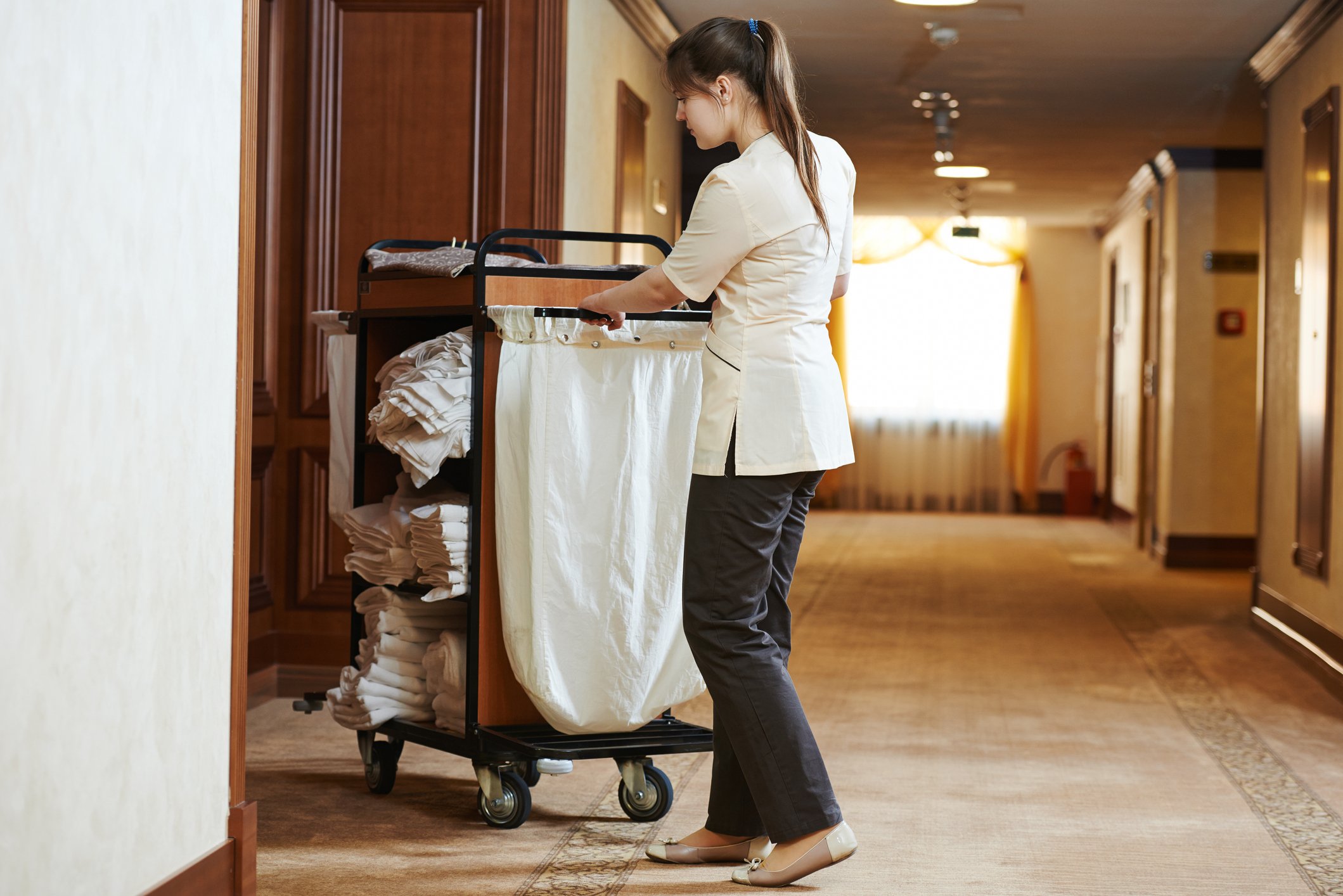
The silent engine of any successful stay within the world of hospitality is the housekeeping department. While guests often interact with the concierge, the front desk, and the bellhops, it is the housekeeping staff that ensures the sanctuary of a hotel room remains pristine, comfortable, and welcoming. Despite their critical role, the question of how much to tip hotel housekeeping remains one of the most debated and misunderstood aspects of hotel etiquette. Understanding the nuances of this practice is essential for any modern traveler navigating the diverse landscapes of global accommodation, from boutique hotels in Paris to sprawling luxury resorts in Las Vegas.

The Standard Gratitude: Calculating the Right Amount
Tipping is not merely a financial transaction; it is a recognition of labor that is often physically demanding and socially invisible. In the United States, the general consensus among hospitality experts is that a tip of $3 to $5 per night is appropriate for mid-range hotels. However, this figure fluctuates based on the level of service provided and the specific category of the establishment. In a high-end luxury hotel like the Ritz-Carlton or a Four Seasons, guests often lean toward the higher end of the spectrum, sometimes offering $10 or more per day, especially if the service includes turndown service or personalized touches.
Daily Rates vs. Lump Sums
One common mistake guests make is waiting until the end of a week-long stay to leave a single large tip. While the gesture is appreciated, it is fundamentally flawed because hotel staffing schedules rotate. The person who cleaned your room on Monday might be off on Friday. By tipping daily, you ensure that the specific individual responsible for your comfort on a given day receives the reward. Furthermore, daily tipping often leads to better service throughout your stay. A housekeeper who finds a tip on the first morning is more likely to pay extra attention to your preferences, whether that means providing extra towels or replenishing your favorite Nespresso pods.
Regional Variations and Cultural Norms
Tipping culture is far from universal. In Canada and Mexico, the expectations mirror those of the United States, though local currency is always preferred. However, crossing the Atlantic into Europe changes the dynamic significantly. In many European countries, service charges are often included in the room rate, and tipping is seen as a gesture for exceptional service rather than a mandatory requirement. In London, a few pounds left on the desk is considered a polite “thank you,” whereas in Japan, tipping can actually be seen as confusing or even offensive. In Tokyo, the philosophy is that excellent service is an expected standard, not something to be paid for extra. If you feel compelled to show gratitude in Japan, it is best to place the money in a clean envelope rather than handing it over directly.
Factors That Influence the Tip
Not all hotel stays are created equal, and the effort required to maintain a room can vary wildly. When deciding on the appropriate amount to leave, consider the physical layout of your accommodation and the state in which you leave it.
Room Type: From Standard Rooms to Luxury Suites
A standard room with a king bed requires significantly less time and effort than a multi-bedroom Presidential Suite. If you are staying in a Penthouse at the Wynn Las Vegas or a private villa at a resort in Bali, the tipping expectations rise. These larger spaces often require a team of housekeepers rather than a single individual. For large suites, a tip of $10 to $20 per day is often considered standard, reflecting the increased workload of cleaning multiple bathrooms, living areas, and kitchenettes. Similarly, if you are staying in an extended-stay property like a Residence Inn where you might be cooking and creating more refuse, the tip should reflect that added complexity.
Group Size and Specialized Cleaning Needs
The number of occupants in a room is a major factor. A solo business traveler staying at a Hilton in Chicago likely leaves a very different footprint than a family of four with young children. Families often require more linen changes, more trash removal, and more frequent vacuuming. If you have children who leave crumbs or toys scattered about, or if you have requested a rollaway bed or a crib, increasing your daily tip is a professional way to acknowledge the extra labor. Additionally, if you have hosted a small gathering or had a room service feast that left the space particularly cluttered, a “recovery” tip is highly encouraged.

Best Practices for Leaving a Tip
The logistics of tipping are just as important as the amount. Since housekeeping is a department that operates while guests are away, communication is key to ensuring your gratitude reaches the right person.
Where to Place the Money
Never leave money on the nightstand or a table without a note. Housekeepers are strictly trained not to touch a guest’s money unless it is clearly intended as a tip. Placing cash in an envelope marked “Housekeeping” or leaving it with a brief note on the pillow is the gold standard. If you are staying at a Marriott or a Hyatt, you may sometimes find pre-printed envelopes provided by the hotel for this purpose. If those aren’t available, the desk stationery will suffice.
The Importance of a Thank You Note
While money is the primary form of gratitude, a handwritten note goes a long way in a service-oriented industry. Housekeeping can be a solitary and exhausting job. A simple “Thank you for the wonderful service” or “The room looks beautiful” can significantly boost morale. In the hospitality world, positive feedback can also be used by employees during performance reviews. If a particular staff member at the Burj Al Arab in Dubai went above and beyond—perhaps by arranging your toiletries or folding your clothes—mentioning them by name in a review or to the manager is a tip in its own right.
Navigating Tipping in Luxury Resorts and Boutique Hotels
The environment of the hotel often dictates the “unspoken rules” of service. Luxury resorts and smaller boutique establishments have different operational styles that guests should be aware of.
All-Inclusive Resorts vs. Luxury Boutique Stays
In all-inclusive resorts, such as those found in Cancun or the Dominican Republic, the “all-inclusive” tag often implies that tips are covered. However, it is a well-known industry secret that a small additional tip for the housekeeping staff ensures a much higher level of attention. These employees often work long hours in tropical heat, and a few extra dollars can make a meaningful difference. Conversely, at a boutique hotel in New York City, where the staff-to-guest ratio is higher, the service is often more intimate. Here, tipping reflects the personalized nature of the stay.
Tipping in International Hubs
In global business hubs like Singapore or Hong Kong, the lines between Western and Eastern etiquette blur. In Singapore, tipping is not customary and is sometimes even discouraged at the airport, but it is becoming more common in high-end international hotels. In France, particularly in luxury “Palace” rated hotels like Hotel de Crillon, a tip of 5 to 10 Euros per day is a sophisticated way to show appreciation for the meticulous French standards of service.
Digital Tipping Trends
As the world moves toward a cashless society, many hotel groups are experimenting with digital tipping. Some hotels now feature QR codes in the room that allow guests to tip via PayPal, Venmo, or credit card. While this is convenient, it is still in the early stages of adoption. If you find yourself in a Westin or a Sheraton without such technology, it is always wise to carry small denominations of local currency. The physical presence of cash remains the most immediate and appreciated way to reward the person who has maintained your home away from home.
The act of tipping hotel housekeeping is more than a line item in a travel budget. It is a fundamental acknowledgment of the hospitality industry’s core value: service. Whether you are staying in a modest lodge near Yellowstone National Park or a grand suite overlooking the Eiffel Tower, the effort that goes into scrubbing floors, changing linens, and ensuring a hygienic environment is immense. By tipping appropriately, you contribute to a culture of respect and appreciation that makes the world of hotels more hospitable for everyone. In the end, the question isn’t just about how much you should tip, but how you choose to value the labor that makes your travels possible.
LifeOutOfTheBox is a participant in the Amazon Services LLC Associates Program, an affiliate advertising program designed to provide a means for sites to earn advertising fees by advertising and linking to Amazon.com. Amazon, the Amazon logo, AmazonSupply, and the AmazonSupply logo are trademarks of Amazon.com, Inc. or its affiliates. As an Amazon Associate we earn affiliate commissions from qualifying purchases.