
Planning a road trip through the sun-drenched landscapes of the American Southwest often involves bridging the gap between two of the most iconic desert escapes: the mid-century modern oasis of Palm Springs and the neon-soaked energy of Las Vegas. While both destinations offer quintessential desert experiences, their atmospheres—and the routes that connect them—could not be more distinct. Understanding the logistics of this journey is essential for any traveler looking to maximize their time in California and Nevada.
Understanding the Distance and Drive Time
The distance between Palm Springs and Las Vegas is approximately 230 to 250 miles, depending on your specific starting point in the Coachella Valley and your destination on the Las Vegas Strip. Under typical traffic conditions, the drive takes between four and five hours.

The Primary Route: Via Interstate 15
Most travelers choose the most direct path, which involves heading north out of the valley toward Interstate 15. This route takes you through the high desert, past the junction of Barstow, and eventually across the state line into Nevada. While it is the fastest route, it is also the most heavily trafficked, particularly on Friday afternoons and Sunday evenings when travelers are commuting between Southern California and Las Vegas.
Factors Influencing Your Travel Time
Several variables can significantly extend your drive time. The most notable factor is holiday traffic, specifically during long weekends when thousands of Southern Californians flock to Nevada. Additionally, high summer temperatures can lead to engine overheating for older vehicles, while occasional winter storms in the mountain passes near Cajon Pass can temporarily slow down transit. Checking real-time traffic apps before departure is a standard practice for regular commuters between these two regions.
Notable Stops Along the Desert Highway
The drive between these two iconic locales is more than just a transit exercise; it offers a glimpse into the quirky, expansive geography of the Mojave Desert. Breaking up the drive with strategic stops can turn a routine transit into a memorable part of your trip.
Exploring the Mojave National Preserve
Roughly midway through the journey, you will find yourself in the heart of the Mojave National Preserve. This expansive protected area is home to the world’s largest concentration of Joshua Trees and the towering Kelso Dunes. It is a stark contrast to the manicured golf courses of Palm Springs and offers a quiet, rugged environment perfect for a quick hike or a photo opportunity.
The Charm of Baker and Seven Magic Mountains
As you approach the Nevada state line, you will pass through Baker, famous for being home to the “World’s Tallest Thermometer.” It serves as a popular pit stop for travelers needing fuel and snacks. As you near the southern edge of the Las Vegas Valley, a more recent addition to the landscape is Seven Magic Mountains. This large-scale public art installation, featuring neon-colored boulders stacked high against the natural desert backdrop, has become a mandatory social media waypoint for those driving from the south.
Navigating Traffic and Seasonal Considerations
The I-15 corridor is notorious for its congestion. For those who prioritize efficiency, timing is everything. Avoiding peak travel times is the single best strategy for ensuring a smooth journey.
Strategic Timing
If your schedule allows, aim to leave Palm Springs mid-week. Traveling on a Tuesday or Wednesday morning usually results in a much more relaxed drive with minimal congestion around Barstow. If you must travel on a weekend, try to depart early in the morning—well before 8:00 AM—to beat the bulk of the leisure traffic leaving California.
Weather-Proofing Your Trip
The stretch between Southern California and Las Vegas can experience extreme weather. In the summer months, temperatures frequently soar well above 100 degrees Fahrenheit. It is imperative to ensure your vehicle’s cooling system and air conditioning are in top condition. Conversely, during the winter months, high-altitude stretches of the highway can experience unexpected fog or even light snow. Carrying extra water and ensuring your gas tank remains at least half-full is a crucial safety habit when driving through these remote desert stretches.
Comparing the Destinations
While they are only a few hours apart, Palm Springs and Las Vegas offer vastly different experiences. Understanding these differences helps in planning the ideal duration for each leg of your trip.
The Relaxed Elegance of Palm Springs
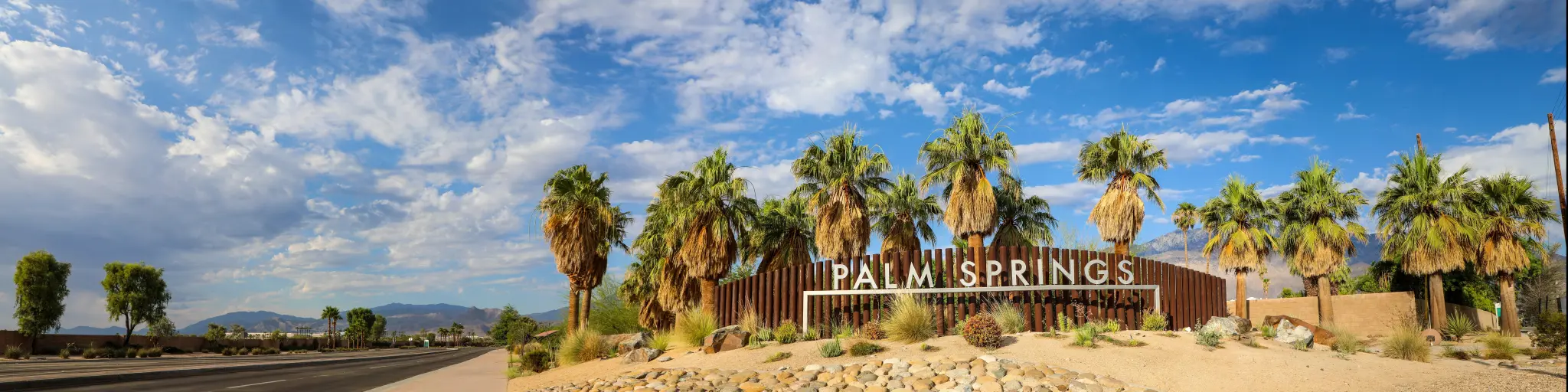
Palm Springs is renowned for its mid-century modern architecture, art galleries, and a slower pace of life. It is a destination defined by its historical status as a playground for Hollywood stars. Whether you are riding the Palm Springs Aerial Tramway to the top of Mount San Jacinto or exploring the vibrant shops of Palm Canyon Drive, the vibe here is one of relaxation, wellness, and aesthetic appreciation.
The High-Octane Energy of Las Vegas
Las Vegas, by contrast, is a global hub for entertainment, nightlife, and culinary excess. From the world-class productions on the Las Vegas Strip to the hidden gems of Downtown Las Vegas, the city is designed to keep you busy around the clock. The architectural ambition of the Las Vegas resorts represents a sensory overload that complements the serene, horizontal lines of the Coachella Valley.

Creating a Balanced Itinerary
For travelers attempting to visit both, a common itinerary involves spending three or four days in the quiet retreats of Palm Springs before heading to Las Vegas for a final burst of excitement. Alternatively, starting with the intensity of Nevada and ending with the tranquil desert breezes of California allows for a rejuvenating decompression period before returning home. Regardless of the direction, the four-to-five-hour drive serves as a perfect transition between two of the most fascinating desert landscapes in North America.
Ultimately, the drive between Palm Springs and Las Vegas is straightforward but demands respect for the environment and an awareness of regional traffic patterns. By planning your departure time, identifying your preferred roadside stops, and respecting the demands of the desert climate, you can ensure that the journey is just as enjoyable as the destinations themselves. Whether you are traveling for the mid-century charm or the neon lights, this transit bridges the best of both worlds.
LifeOutOfTheBox is a participant in the Amazon Services LLC Associates Program, an affiliate advertising program designed to provide a means for sites to earn advertising fees by advertising and linking to Amazon.com. Amazon, the Amazon logo, AmazonSupply, and the AmazonSupply logo are trademarks of Amazon.com, Inc. or its affiliates. As an Amazon Associate we earn affiliate commissions from qualifying purchases.