
Embarking on a journey across Florida offers a fascinating contrast between its vibrant theme park capital and its serene, historic Gulf Coast. For many travelers, understanding the logistics of traversing the Sunshine State is the first step in planning an unforgettable adventure. A common query that arises for those looking to explore beyond Orlando’s magical allure is the distance and travel implications of reaching Pensacola, the westernmost city in the Florida Panhandle.
The geographical span between Orlando and Pensacola is considerable, marking a true cross-state expedition. While Orlando pulsates with world-famous attractions and bustling entertainment, Pensacola beckons with its pristine white-sand beaches, rich historical tapestry, and a laid-back coastal charm. This article serves as a comprehensive guide for travelers contemplating this journey, detailing the distance, various transportation options, essential planning tips, and what makes Pensacola a compelling destination to complement an Orlando visit.

Navigating the Florida Panhandle Journey
Understanding the distance and time commitment is crucial for any travel plan. The route from Orlando to Pensacola takes you through diverse landscapes of Florida, from the central heartlands to the pine forests and coastal plains of the panhandle.
The Direct Route: Mileage and Estimated Driving Time
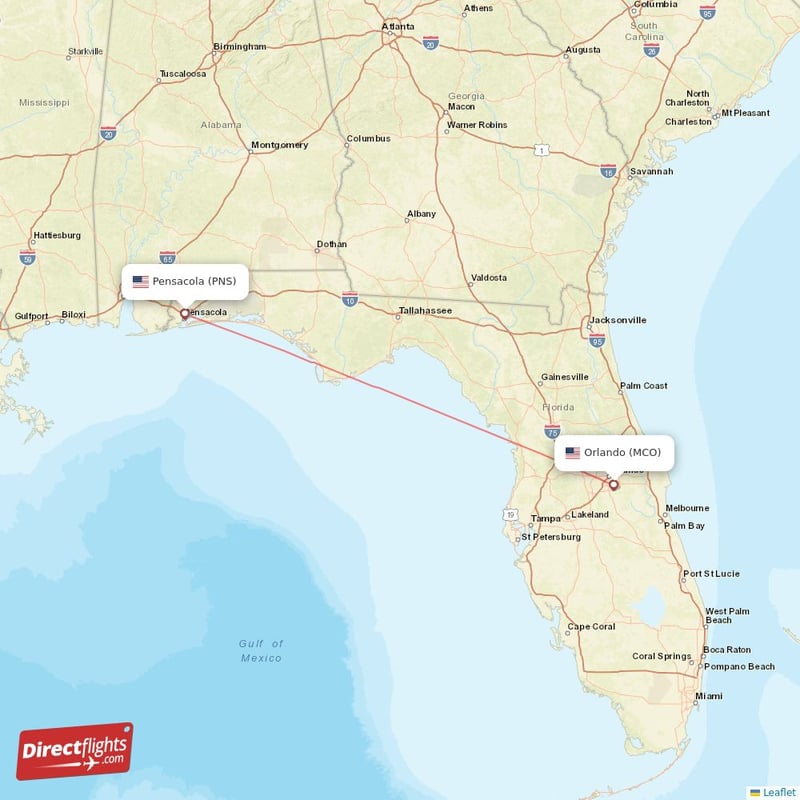
The most common and direct driving route from Orlando to Pensacola typically covers approximately 380 to 400 miles (610-645 kilometers), depending on the specific starting and ending points within each city. This journey primarily involves heading north on I-75 before transitioning west onto I-10, the main east-west artery through the Florida Panhandle.
Under ideal driving conditions, with minimal traffic and consistent speeds, the estimated driving time for this route ranges from 6 to 7 hours. However, it’s imperative to factor in variables that can significantly influence this duration. These include:
- Traffic Congestion: Orlando is a major metropolitan area, and departure during peak hours can add considerable time. Similarly, approaches to Pensacola or any major city along I-10 can experience slowdowns.
- Rest Stops and Fueling: For a journey of this length, at least one to two stops for fuel, restrooms, and stretching are recommended, adding to the overall travel time.
- Roadside Assistance/Emergencies: While rare, unforeseen circumstances like vehicle issues can also impact the schedule.
Planning for an average of 7-8 hours door-to-door is a more realistic expectation when accounting for necessary breaks and potential delays.
Alternative Routes and Scenic Detours
While the I-75 to I-10 corridor is the fastest, travelers with more time might consider alternative routes that offer a different perspective of Florida. These detours typically add significant time but can be rewarding for those seeking a more scenic or less highway-centric experience.
One such option involves exploring state highways that weave through smaller towns and rural landscapes. For instance, after heading northwest from Orlando, one could take routes that pass through areas like Gainesville and then west towards Tallahassee via U.S. Highways before linking up with I-10 further west. While this allows for glimpses into authentic Floridian life outside the major tourist hubs, it often involves lower speed limits, more stops, and less direct navigation, extending the drive to 8-10 hours or more.
Another less common, but truly scenic, option involves heading towards the Gulf Coast earlier in the journey and following coastal routes where possible. This would transform the trip into a multi-day affair, allowing for overnight stays in charming coastal towns, but it would not be considered a direct route to Pensacola. For the purpose of getting from point A to point B efficiently, the interstate route remains the superior choice.
Beyond the Drive: Other Transportation Options
While driving offers flexibility and allows for spontaneous stops, it’s not the only way to travel between Orlando and Pensacola. Depending on your priorities – speed, cost, or convenience – other modes of transport might be more suitable.
Flying Between Orlando and Pensacola
For those prioritizing speed and willing to pay a premium, flying is the fastest way to bridge the distance. The flight duration itself is relatively short, usually around 1 hour and 30 minutes to 2 hours of actual air time.
- Departure Airport: Orlando International Airport (MCO)
- Arrival Airport: Pensacola International Airport (PNS)
However, it’s crucial to account for the entire travel process:
- Check-in and Security: Arriving at the airport 1.5 to 2 hours before your flight.
- Travel to and from Airports: Driving to MCO and from PNS, including parking or ride-share services.
- Baggage Claim: Waiting for luggage after arrival.
When all these factors are considered, the total door-to-door travel time for flying can often be comparable to, or even exceed, the direct driving time, especially for short domestic flights that might involve layovers. Direct flights are not always available, and connecting flights (e.g., via Atlanta or Charlotte) can significantly lengthen the journey to 4-6 hours or more, excluding airport transit. Nonetheless, flying remains an excellent option for those who prefer to avoid long hours behind the wheel.
Bus and Train Travel Considerations
For budget-conscious travelers or those who prefer to avoid driving or flying, bus services offer an economical alternative. Companies like Greyhound operate routes connecting Orlando to Pensacola.
- Bus Travel: While significantly cheaper than flying and often less stressful than driving for some, bus journeys are considerably longer. A bus trip from Orlando to Pensacola can take anywhere from 9 to 12 hours, sometimes longer, depending on the number of stops and transfers. This option requires patience but allows travelers to relax and enjoy the scenery without the responsibility of driving.
- Train Travel: Direct train service between Orlando and Pensacola is not available. While Amtrak serves parts of Florida, including Orlando, a train journey to Pensacola would typically involve multiple transfers and a very long, circuitous route, making it an impractical choice for this particular trip.
Each transportation method comes with its own set of advantages and disadvantages, and the best choice ultimately depends on individual preferences, budget, and time constraints.
Planning Your Road Trip: Essential Tips
For those opting for the quintessential Florida road trip experience, a bit of preparation goes a long way in ensuring a smooth and enjoyable journey from Orlando to Pensacola.
Best Time to Travel
Timing your trip can significantly impact your experience.
- Spring (March-May): Generally considered one of the best times, with pleasant temperatures, blooming flora, and manageable crowds. However, keep an eye on spring break schedules, as coastal areas can become very busy.
- Fall (September-November): Offers cooler temperatures and fewer tourists than the summer months. Hurricane season officially runs from June to November, but the peak threat typically subsides by late October, making early to mid-fall a good window.
- Winter (December-February): Mild and comfortable temperatures make it an attractive escape for those fleeing colder climates. However, holiday travel can increase traffic and accommodation prices.
- Summer (June-August): While popular for beach vacations, Florida summers are characterized by high heat, humidity, and frequent afternoon thunderstorms. These conditions can make driving less comfortable and potentially cause delays.
Considering weather patterns, tourist seasons, and personal preferences, late spring or early fall often present the most ideal conditions for a road trip across Florida.
What to Pack and Prepare
A well-prepared vehicle and packing list are essential for a long drive.
- Vehicle Check: Before departing, ensure your vehicle is in good condition. Check tire pressure, oil levels, coolant, and brakes. A full tank of gas is a must.
- Navigation: While smartphones are ubiquitous, a dedicated GPS device or physical maps can be a reliable backup, especially if cellular service is spotty in certain rural stretches.
- Snacks and Drinks: Pack a cooler with water, juices, and easy-to-eat snacks to minimize stops and save money.
- Entertainment: Audiobooks, podcasts, and curated music playlists can make the long hours fly by. For passengers, consider books, games, or movies.
- Comfort: A neck pillow, sunglasses, and comfortable clothing are crucial for a long stretch in the car.
- Emergency Kit: A basic emergency kit with a first-aid kit, jumper cables, flashlight, and roadside assistance information is always prudent.
- Sun Protection: Even in the car, Florida sun can be intense. Sunscreen and hats are advisable for stops.
Breaking Up the Journey
A 6-7 hour drive can feel long for some, especially with children. Breaking up the journey can make it more enjoyable.
- Mid-point Stops: Consider a planned stop around the halfway mark or slightly past it. Gainesville, home to the University of Florida, is a good option along I-75 before transitioning to I-10. It offers various dining options and parks for a refreshing break.
- Historical Detour: If time allows, a stop in Tallahassee, Florida’s capital, can provide an interesting cultural interlude. Explore the Historic Capitol Building or the Mission San Luis. While slightly off the direct I-10 route, it’s a manageable deviation.
- Stretch and Refuel: Identify larger rest areas or towns with amenities along I-10, such as Lake City or Marianna, for longer, more comfortable breaks than quick gas station stops.
Strategically planning breaks not only combats driver fatigue but also adds a layer of exploration to the overall travel experience.
Discovering the Charms of Pensacola
Upon arriving in Pensacola, travelers are greeted by a destination distinctly different from Orlando. Its blend of natural beauty, deep history, and vibrant culture offers a refreshing change of pace and a wealth of experiences.
Pensacola’s Allure for Travelers
Pensacola holds the distinction of being “America’s First Settlement,” predating St. Augustine by several years. This rich past is palpable throughout the city, complemented by its stunning coastal environment.
- Pristine Beaches: The crown jewel is undoubtedly Pensacola Beach, consistently ranked among the top beaches in the U.S. Its sugar-white sands and emerald green waters of the Gulf of Mexico are perfect for swimming, sunbathing, and water sports. The nearby Gulf Islands National Seashore offers miles of undeveloped coastline, perfect for nature lovers and birdwatchers.
- Historical Significance: Explore the Historic Pensacola Village, a complex of museums and historically preserved homes showcasing over 450 years of history. The Pensacola Lighthouse and Museum offers panoramic views and a journey into maritime history.
- Naval Aviation Heritage: Pensacola is home to the Naval Air Station Pensacola, where naval aviators have trained for over a century. The National Naval Aviation Museum is a must-visit, boasting an incredible collection of aircraft and interactive exhibits, including the chance to watch the Blue Angels practice flights.
- Outdoor Activities: Beyond the beaches, visitors can enjoy fishing charters, kayaking in the bayous, paddleboarding, or exploring the extensive trail networks.
- Culinary Scene: Pensacola’s coastal location means fresh seafood is a highlight, with numerous restaurants offering everything from casual beachfront eateries to upscale dining experiences.
Complementing an Orlando Vacation
For those accustomed to the high energy and structured entertainment of Orlando, Pensacola offers a wonderful counterpoint. It provides a chance to unwind, soak in natural beauty, and delve into a different facet of Florida’s identity.
- Relaxation vs. Excitement: While Orlando is about thrilling rides and themed environments, Pensacola is about the soothing rhythm of the waves, the quiet contemplation of history, and the simple joys of beach life.
- Historical Depth: Pensacola’s deep history offers an educational and cultural experience that enriches a Florida itinerary beyond theme parks.
- Natural Beauty: The pristine Gulf Coast environment provides opportunities for outdoor recreation and appreciating Florida’s natural splendor, a contrast to Orlando’s developed landscape.
Adding Pensacola to an Orlando vacation transforms a single-focus trip into a multi-dimensional Florida experience, allowing travelers to enjoy both the fantasy and the authentic charm of the state.
In conclusion, the journey from Orlando to Pensacola is a significant undertaking, covering approximately 400 miles and requiring a full day of travel by road or a substantial portion of a day by air. Each mode of transportation offers distinct advantages, catering to different travel styles and budgets. Whether you choose the scenic self-drive, the speed of a flight, or the economical pace of a bus, careful planning will ensure a smooth and rewarding experience. Upon arrival, Pensacola unveils itself as a captivating destination, rich in history and blessed with some of the most beautiful beaches in the country, making the journey well worth the effort for any discerning traveler seeking to explore the diverse offerings of Florida.
LifeOutOfTheBox is a participant in the Amazon Services LLC Associates Program, an affiliate advertising program designed to provide a means for sites to earn advertising fees by advertising and linking to Amazon.com. Amazon, the Amazon logo, AmazonSupply, and the AmazonSupply logo are trademarks of Amazon.com, Inc. or its affiliates. As an Amazon Associate we earn affiliate commissions from qualifying purchases.