
The allure of a perfectly grilled New York steak is undeniable. Its rich marbling, satisfying chew, and robust flavor make it a prime candidate for any outdoor culinary adventure. Whether you’re a seasoned griller or just starting, mastering the art of cooking this cut over an open flame is a rewarding experience. This guide will delve into the crucial factors that determine the ideal cooking time for your New York steak on the grill, ensuring a tender, juicy, and flavorful result every time.
Understanding the Key Factors for Grilling Success
Achieving the perfect steak involves more than just slapping it on the grill and hoping for the best. Several elements play a significant role in dictating how long your New York steak will take to reach your desired level of doneness. Understanding these factors will empower you to make informed decisions at the grill and consistently produce exceptional results.
Steak Thickness: The Most Influential Variable
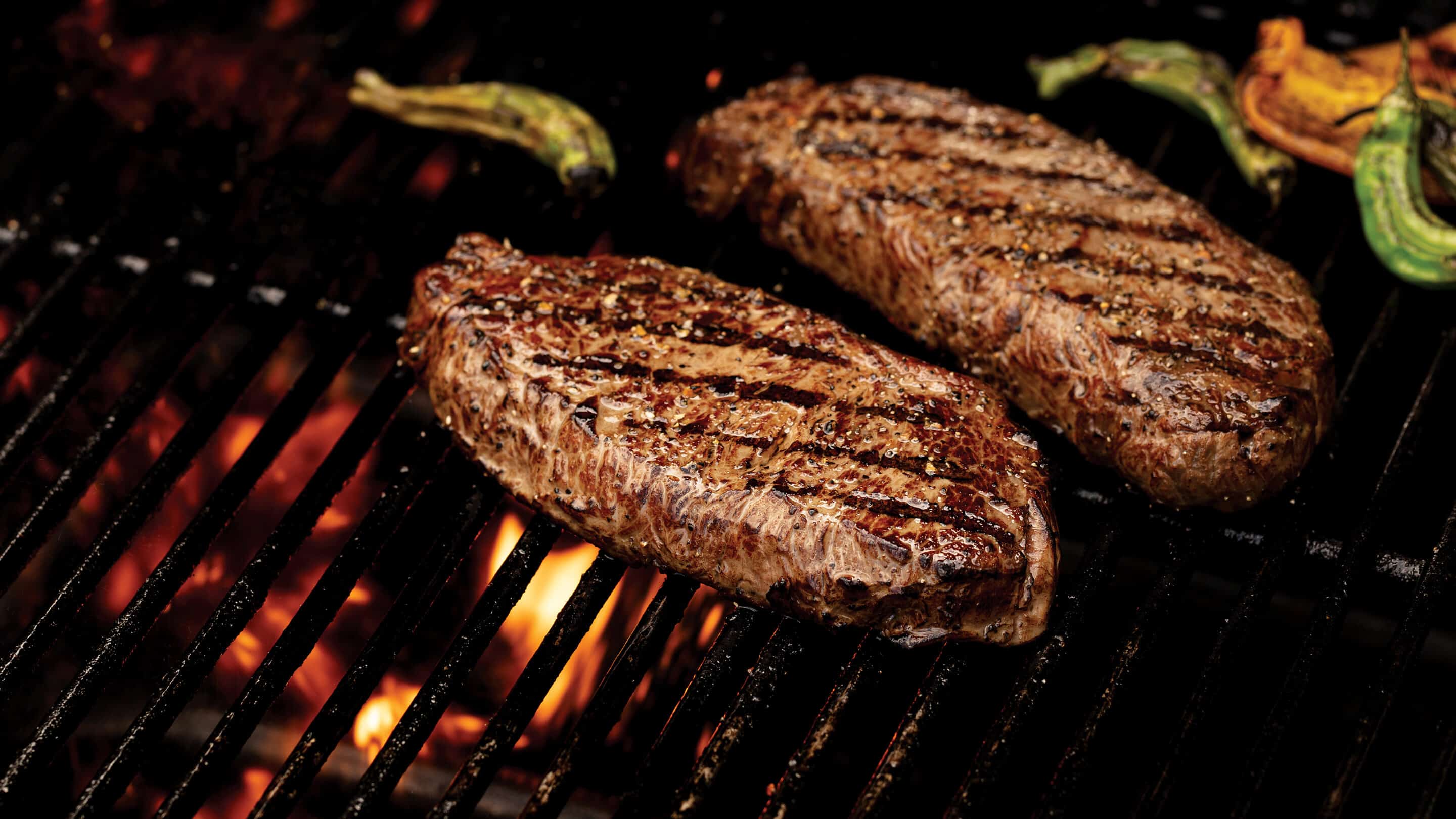
The most critical factor influencing cooking time is, without a doubt, the thickness of your New York steak. Thicker cuts will naturally require more time over the heat to cook through than thinner ones. A general guideline to consider is that for every inch of thickness, you’ll need to adjust your cooking time accordingly.
- Thin Steaks (½ to ¾ inch): These will cook relatively quickly, often requiring only a few minutes per side. Overcooking is a real risk with thinner steaks, so vigilance is key.
- Medium Steaks (1 to 1 ½ inches): This is the most common thickness for New York steaks and offers a good balance between cook time and the ability to achieve a desirable sear and internal temperature.
- Thick Steaks (2 inches or more): These are true grilling showstoppers and will demand more patience. They offer the best opportunity to achieve a perfect rare or medium-rare center while developing a beautiful crust.
Grill Temperature: The Engine of the Cook
The temperature of your grill is another paramount consideration. A hot grill is essential for achieving that coveted seared exterior, locking in juices and developing complex flavors. However, too high a temperature can lead to a burnt exterior and a raw interior, a common pitfall when grilling thicker cuts.
- High Heat (450-550°F or 230-290°C): Ideal for thinner steaks or for searing thicker steaks before moving them to a slightly cooler zone for slower cooking. This temperature range is excellent for creating a beautiful crust.
- Medium-High Heat (400-450°F or 200-230°C): A versatile temperature that works well for most New York steaks, offering a good balance between searing and even cooking.
- Medium Heat (350-400°F or 175-200°C): Better suited for thicker steaks that require more time to cook through without burning. You might utilize this after an initial sear on high heat.
Desired Doneness: Your Personal Steak Perfection
Ultimately, the “how long” question is deeply personal, as everyone has a preference for how their steak is cooked. Understanding the internal temperatures associated with different levels of doneness is crucial for hitting your target. A reliable meat thermometer is your best friend here.
- Rare (125-130°F or 52-54°C): Cool to warm red center.
- Medium-Rare (130-135°F or 54-57°C): Warm red center. This is often considered the sweet spot for a New York steak, allowing the fat to render beautifully.
- Medium (135-140°F or 57-60°C): Pink, slightly firmer center.
- Medium-Well (140-145°F or 60-63°C): Slightly pink center.
- Well-Done (150°F+ or 65°C+): Little to no pink. While some prefer it this way, it’s generally not recommended for a New York steak as it can lead to a tougher, drier result.
Resting Time: The Crucial Finish
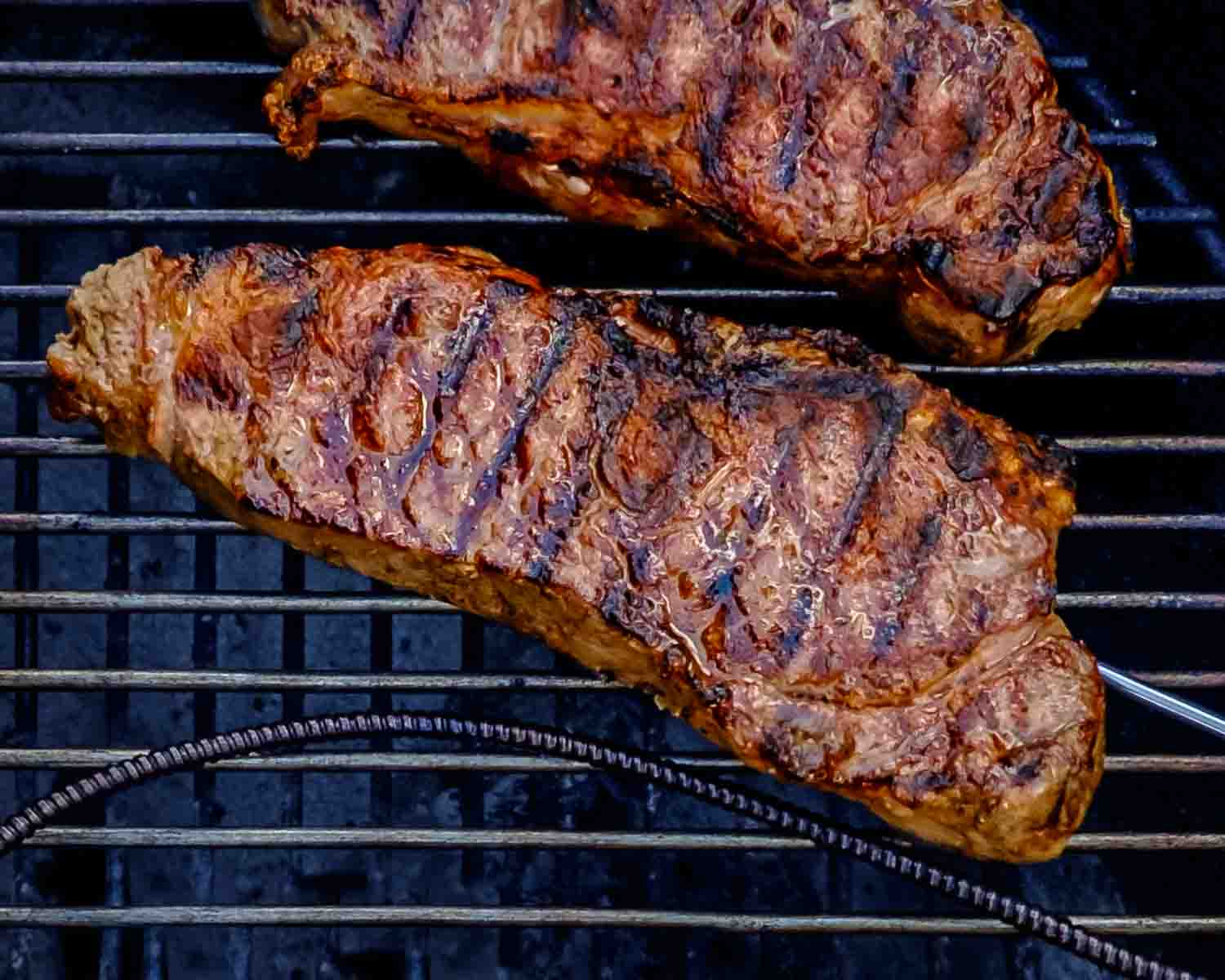
This is a step that is often overlooked but is absolutely vital for a juicy steak. After removing your steak from the grill, it needs to rest for at least 5-10 minutes. During cooking, the muscle fibers contract, pushing the juices towards the center. Resting allows these juices to redistribute throughout the steak, ensuring that every bite is moist and flavorful. Cutting into a steak too soon will result in those precious juices spilling out onto your plate.
Grilling Techniques for Optimal Results
Beyond understanding the variables, employing specific grilling techniques can elevate your New York steak from good to extraordinary. These methods focus on maximizing flavor and achieving the desired texture.
The Two-Zone Grilling Method: Mastering Heat Control
For thicker New York steaks (1 ½ inches and above), the two-zone grilling method is highly recommended. This involves setting up your grill with a direct heat zone (coals or burners directly underneath) and an indirect heat zone (where there are no coals or burners).
- Sear on Direct Heat: Start by searing your seasoned steak over the hottest part of the grill for a few minutes per side. This creates that beautiful, flavorful crust.
- Move to Indirect Heat: Once you have a good sear, move the steak to the cooler, indirect heat zone. Close the grill lid and allow the steak to finish cooking to your desired internal temperature. This method prevents the outside from burning before the inside is cooked through.
Direct Grilling: For Thinner Cuts and Quick Cooks
For thinner New York steaks (under 1 inch), direct grilling over medium-high heat is often sufficient. You’ll want to cook them for a shorter duration, flipping frequently to ensure even cooking and prevent overcooking.
Estimating Cooking Times: A Practical Guide
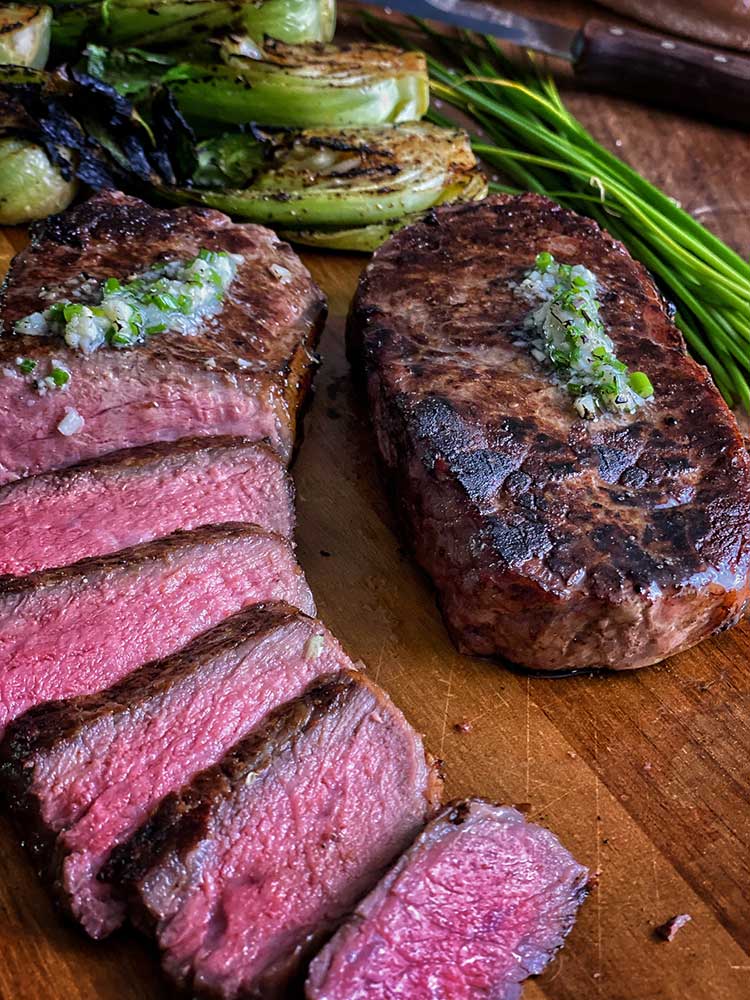
While precise cooking times can vary, here are some general estimates for grilling New York steaks to medium-rare, assuming a steak of about 1 to 1 ¼ inches thick over medium-high heat (around 400-450°F or 200-230°C) on a well-maintained grill. Remember, these are starting points, and using a meat thermometer is the most accurate way to gauge doneness.
- For a Rare steak (internal temp 125-130°F): Approximately 3-4 minutes per side.
- For a Medium-Rare steak (internal temp 130-135°F): Approximately 4-5 minutes per side.
- For a Medium steak (internal temp 135-140°F): Approximately 5-6 minutes per side.
Important Considerations:
- Preheating: Always ensure your grill is thoroughly preheated before placing your steak on it.
- Flipping: Use tongs to flip your steak; never use a fork, as this will pierce the meat and allow precious juices to escape.
- Flare-ups: Be prepared to move the steak if you encounter significant flare-ups from dripping fat.
- Carryover Cooking: Remember that the steak will continue to cook for a few degrees after you remove it from the grill due to residual heat. Factor this into your timing, especially for more well-done preferences.
By paying attention to steak thickness, grill temperature, desired doneness, and employing smart grilling techniques, you can consistently achieve restaurant-quality New York steaks on your own grill. The journey to perfect grilling is one of practice and understanding these fundamental principles. So, fire up your grill, grab a beautiful New York steak, and embark on a delicious culinary experience. Whether you’re enjoying it at home or planning a barbecue during your next travel adventure, a perfectly grilled steak is a simple yet profound pleasure. Imagine savoring such a treat after a day exploring the vibrant streets of New York City or relaxing at a luxurious resort in Aspen. The art of grilling enhances any lifestyle and makes any destination feel more like home.
LifeOutOfTheBox is a participant in the Amazon Services LLC Associates Program, an affiliate advertising program designed to provide a means for sites to earn advertising fees by advertising and linking to Amazon.com. Amazon, the Amazon logo, AmazonSupply, and the AmazonSupply logo are trademarks of Amazon.com, Inc. or its affiliates. As an Amazon Associate we earn affiliate commissions from qualifying purchases.