
The journey between the vibrant desert metropolis of Las Vegas, Nevada, and the sprawling Sonoran Desert city of Phoenix, Arizona, is a popular route for both tourists and business travelers. While seemingly straightforward, understanding the distance, optimal travel routes, and the wealth of experiences awaiting at either end can transform a simple drive into an unforgettable adventure. This guide delves into everything you need to know about navigating the connection between these two iconic Southwestern destinations, offering insights into travel options, captivating landmarks, and the unique lifestyle experiences each city offers.

Whether you’re planning a quick weekend getaway, a comprehensive road trip, or seeking the most efficient way to travel, the journey between Las Vegas and Phoenix presents a fascinating blend of convenience and exploration. From the dazzling lights of the Las Vegas Strip to the serene beauty of Phoenix’s desert landscapes, this route connects two distinct American experiences, each with its own charm and appeal for every type of traveler.
The Journey: Distance, Drive Time, and Scenic Stops
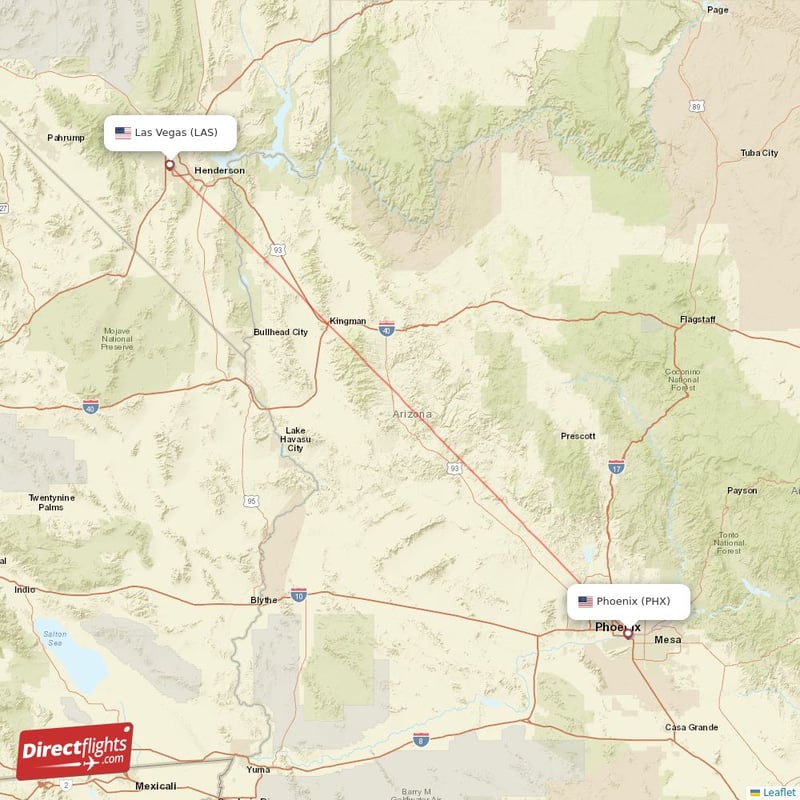
Understanding the geography between Las Vegas and Phoenix is the first step in planning your trip. The direct distance is approximately 290 to 300 miles (467 to 483 kilometers), largely dependent on your specific starting and ending points within each metropolitan area. This stretch of highway offers a classic American road trip experience, traversing diverse desert landscapes.
Direct Route: Las Vegas to Phoenix
The most common and efficient driving route takes approximately 4.5 to 5 hours, barring significant traffic or extended stops. The primary route involves heading south from Las Vegas on US-93, which eventually merges with I-11 as you approach the Arizona state line and the Hoover Dam area. This modern interstate aims to create a continuous corridor from Las Vegas to Phoenix, bypassing some of the smaller towns that characterized earlier routes. After crossing into Arizona, I-11 continues to connect with I-10 near Casa Grande, leading you directly into Phoenix.
Alternatively, some drivers might still opt for a route that takes US-93 south through towns like Kingman, a historic stop along Route 66, before connecting to US-60 and then AZ-71 or US-93 directly into Phoenix. While slightly less direct, this path offers glimpses of old Arizona charm. Whichever path you choose, the roads are generally well-maintained, but it’s always wise to check current traffic conditions and weather forecasts, especially during peak travel times or monsoonal seasons.
Scenic Detours and Stops Along the Way
The desert landscape between Las Vegas and Phoenix is rich with natural beauty and engineering marvels, offering plenty of opportunities to stretch your legs and explore.
One of the most iconic stops is the Hoover Dam, a colossal feat of engineering on the Colorado River that forms Lake Mead, one of the largest reservoirs in North America. You can take a guided tour of the dam, walk across its top, or simply admire it from the Mike O’Callaghan – Pat Tillman Memorial Bridge, which offers breathtaking views of the dam and the Black Canyon. The adjacent Lake Mead National Recreation Area provides opportunities for boating, fishing, and hiking, making it an excellent stop for outdoor enthusiasts.
Further along US-93 in Arizona, Kingman offers a glimpse into the historic Route 66 era. The Historic Route 66 Museum and Mohave Museum of History and Arts provide fascinating insights into the region’s past. For those willing to add a little more time to their journey, a significant detour north to the Grand Canyon National Park (South Rim is about 3.5-4 hours from Kingman) is an unparalleled experience, though it transforms the trip from a simple drive into a multi-day adventure. Closer to Phoenix, the charming cowboy town of Wickenburg provides a taste of the Old West, with its historic Vulture Mine and dude ranches. These stops not only break up the drive but also enrich your understanding of the diverse American Southwest.
Travel Options Beyond Driving
While driving is a popular choice for the flexibility it offers, it’s not the only way to travel between Las Vegas and Phoenix. Depending on your budget, time constraints, and preference for convenience, other modes of transport are readily available.
Flying Between the Cities
For those prioritizing speed, flying is undoubtedly the quickest option. Direct flights from Harry Reid International Airport (LAS) in Las Vegas to Phoenix Sky Harbor International Airport (PHX) are frequent and typically take just over an hour in the air. When factoring in airport security, boarding, and travel to and from the airports, the total door-to-door travel time might be comparable to driving for some, especially if you consider potential traffic delays on the road.
Airlines like Southwest, American, and Delta regularly operate flights on this route, making it competitive for pricing. Flying is an excellent choice for business travelers on a tight schedule or those who prefer to avoid the desert drive, especially during the peak summer months when temperatures can be extreme. It also allows you to bypass the need for car rental or the wear and tear on your own vehicle.
Bus and Train Services
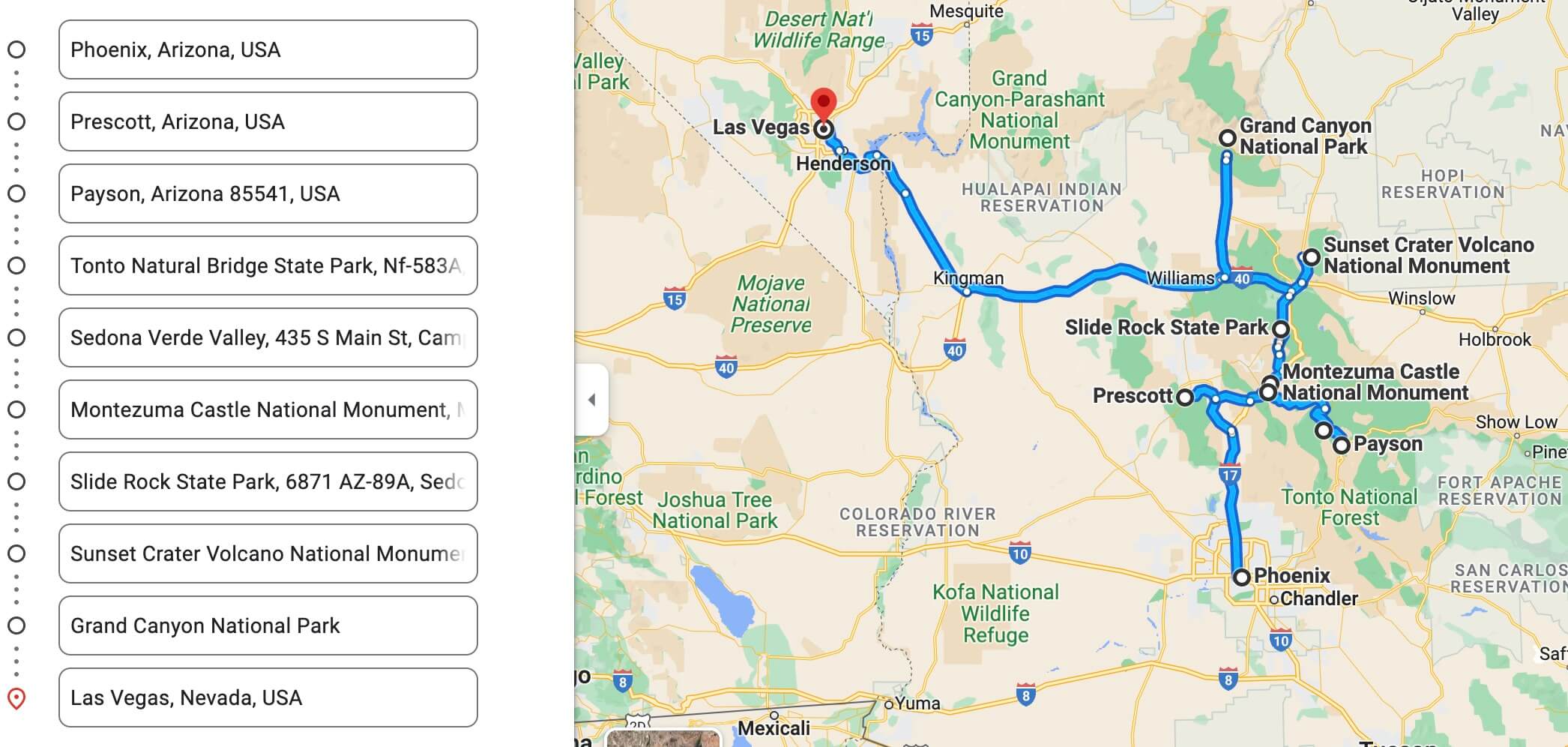
Bus services offer a more budget-friendly alternative to flying or driving. Companies like Greyhound provide daily routes connecting the downtown terminals of Las Vegas and Phoenix. While considerably longer than driving (typically 6-7 hours or more due to multiple stops), bus travel is a cost-effective solution, especially for solo travelers or those without access to a vehicle. It allows passengers to relax, enjoy the scenery, and avoid the stress of navigating unfamiliar roads.
Currently, there are no direct passenger train services connecting Las Vegas and Phoenix. While ambitious plans for future high-speed rail links have been discussed, for now, bus and air travel remain the primary public transport options. Consider these services if you’re looking for an economical and hands-off approach to travel between these two major Southwestern hubs.
Making the Most of Your Trip: Destinations & Experiences
Once you arrive, both Las Vegas and Phoenix offer distinct and rich travel experiences, catering to a wide range of interests from high-octane entertainment to serene natural beauty and cultural immersion.
What to See and Do in Las Vegas
Las Vegas, often dubbed “The Entertainment Capital of the World,” is renowned for its vibrant nightlife, world-class dining, and spectacular entertainment. The iconic Las Vegas Strip is the pulsating heart of the city, lined with extravagant resorts like the Bellagio, known for its mesmerizing fountain show, the opulent Wynn Las Vegas, and the Venetian, offering gondola rides reminiscent of Venice. Beyond gambling, visitors can indulge in gourmet meals prepared by celebrity chefs, catch a Cirque du Soleil show, or experience a concert by top musical artists.
For those seeking unique attractions, the High Roller Observation Wheel offers panoramic views of the city skyline, while the Neon Museum provides a captivating glimpse into Las Vegas’s luminous past, preserving historic neon signs. Beyond the Strip, the natural beauty of Red Rock Canyon National Conservation Area is just a short drive away, offering stunning hiking trails and climbing opportunities amidst dramatic sandstone cliffs. The city also hosts numerous conventions and events, making it a bustling hub for business and leisure tourism alike.
Exploring Phoenix and Beyond
Phoenix, Arizona’s capital, offers a different kind of allure, centered around its stunning Sonoran Desert environment, vibrant arts scene, and rich cultural heritage. Outdoor activities are paramount here, with popular spots like Camelback Mountain and Pinnacle Peak Park providing challenging hikes and rewarding vistas. The Desert Botanical Garden is a must-visit, showcasing the incredible biodiversity of the desert with thousands of species of cacti, succulents, and wildflowers.
Culturally, Phoenix boasts a wealth of museums, including the Heard Museum, renowned for its extensive collection of Native American art and culture, and the Phoenix Art Museum, featuring diverse global collections. Just northeast of Phoenix, the upscale city of Scottsdale is famous for its vibrant Old Town, boutique shopping, art galleries, and lively nightlife. For a taste of architectural genius, a visit to Taliesin West, Frank Lloyd Wright’s winter home and architectural school, offers unique insights into the maestro’s design philosophy. Phoenix’s culinary scene is also thriving, with a focus on Southwestern flavors and innovative dining experiences that reflect the local culture.
Where to Stay: Accommodation Options
Both Las Vegas and Phoenix provide an extensive array of accommodation options, catering to every budget and travel style, from opulent resorts to cozy boutique hotels and convenient vacation rentals.
Las Vegas Resorts and Hotels
In Las Vegas, the Las Vegas Strip is naturally the epicenter for lodging. Here, you’ll find some of the world’s most famous and luxurious resorts, each a destination in itself. Properties like the Bellagio, the Venetian Resort Las Vegas, and the Wynn Las Vegas offer expansive suites, multiple pools, world-class spas, high-end dining, and entertainment venues right on site. These resorts are perfect for those seeking an all-encompassing luxury experience, often with amenities like concierge services, designer boutiques, and elaborate themed environments.
For travelers on a more modest budget, numerous hotels off the Strip or on the Fremont Street Experience in Downtown Las Vegas provide comfortable and affordable rooms, still offering access to the city’s excitement. Many hotels are also family-friendly, featuring attractions like water parks and arcade rooms. For longer stays or a more home-like feel, serviced apartments and vacation rentals are becoming increasingly popular, offering more space and kitchen facilities. Booking in advance is highly recommended, especially during major conventions or holiday weekends, to secure the best rates and availability.
Phoenix Accommodations
Phoenix’s accommodation scene is characterized by its emphasis on resorts that blend seamlessly with the desert environment, offering lush golf courses, sprawling pools, and serene spa experiences. Upscale resorts like The Arizona Biltmore, A Waldorf Astoria Resort, and the Hyatt Regency Scottsdale Resort & Spa at Gainey Ranch are iconic choices, providing luxurious amenities and often, stunning views of the surrounding mountains. Many Phoenix resorts are designed to be destinations in themselves, allowing guests to relax and rejuvenate without needing to leave the property.
In Scottsdale, you’ll find a mix of luxury resorts, stylish boutique hotels, and convenient chain hotels, catering to those who prefer to be closer to the art galleries, restaurants, and nightlife of Old Town. Downtown Phoenix offers modern hotels ideal for business travelers, with easy access to the convention center and sports arenas. For those planning an extended stay or seeking a more local experience, vacation rentals, including apartments and private villas, are plentiful across the Phoenix metropolitan area, providing flexibility and the comforts of home.
Traveling between Phoenix and Las Vegas is more than just covering a distance; it’s an opportunity to experience the diverse landscapes and vibrant cultures of the American Southwest. Whether you choose the open road, a quick flight, or an economical bus ride, both cities promise a unique and memorable adventure. From the unparalleled entertainment of Las Vegas to the natural beauty and cultural richness of Phoenix, this journey connects two of the region’s most dynamic destinations, offering something for every traveler’s taste and budget. Plan your trip wisely, embrace the journey, and discover the magic that lies between these two desert gems.
LifeOutOfTheBox is a participant in the Amazon Services LLC Associates Program, an affiliate advertising program designed to provide a means for sites to earn advertising fees by advertising and linking to Amazon.com. Amazon, the Amazon logo, AmazonSupply, and the AmazonSupply logo are trademarks of Amazon.com, Inc. or its affiliates. As an Amazon Associate we earn affiliate commissions from qualifying purchases.