
Embarking on a journey from the sun-drenched desert landscape of Phoenix, Arizona to the inviting coastal breezes of San Diego, California is a popular venture for both residents and visitors alike. This article serves as a comprehensive guide, meticulously detailing the distance, typical travel times, various route options, and essential considerations for making this interstate trip. Whether you’re planning a swift business trip, a leisurely road adventure, or exploring alternative transportation methods, understanding the intricacies of this journey is paramount to a smooth and enjoyable experience. The allure of two distinct California and Arizona gems beckons, promising a transition from arid beauty to Pacific charm.
The Straightforward Answer: Distance and Duration
The fundamental question for any traveler is often “how far and how long?” The distance between Phoenix, Arizona and San Diego, California is a manageable stretch, making it a feasible day trip by car or a short flight. However, “how far” is rarely a static number, as minor variations can occur depending on the specific starting and ending points within each metropolitan area.
Understanding the Miles and Kilometers
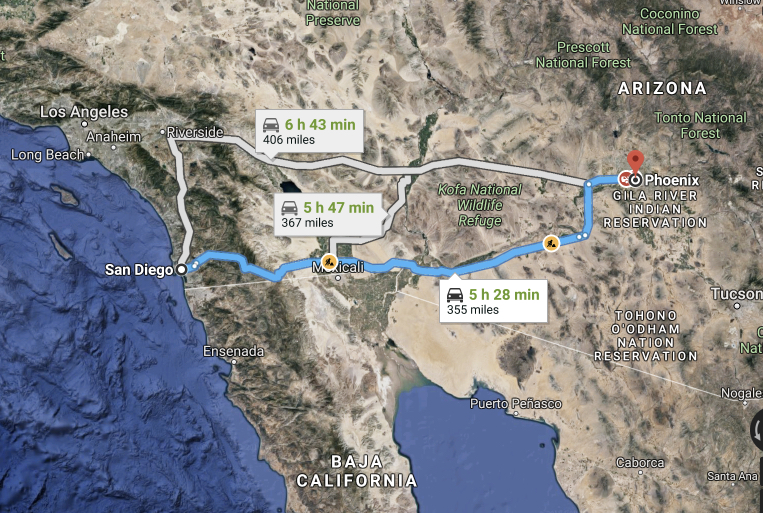
Generally, the driving distance between downtown Phoenix and downtown San Diego ranges from approximately 350 to 370 miles (about 560 to 595 kilometers). This measurement primarily follows the most direct and commonly used interstate routes. For most drivers, this translates into a travel time of about 5.5 to 6.5 hours under ideal conditions, without significant stops, heavy traffic, or unexpected delays. It’s crucial to factor in that this is a direct driving estimate, and real-world travel can often take longer due to various external elements.
Factors Influencing Travel Time
Several variables can significantly impact the actual duration of your trip. The time of day and day of the week are paramount; traveling during peak commute hours, particularly approaching or departing from either major city, can add substantial time to your journey. Weekends, especially holiday weekends, also tend to see increased traffic volume. Road construction, while necessary, can introduce detours and slow-downs. Weather conditions, particularly during monsoon season in Arizona or rare severe weather events in California, can also necessitate slower speeds or even route changes. Furthermore, personal driving habits, such as the number and length of stops for fuel, food, or rest, will naturally extend the overall travel duration. Planning for these contingencies is key to an accurate travel time estimate.
Navigating the Routes: Your Journey Options
While there are several ways to get from Phoenix to San Diego, the vast majority of travelers opt for the efficiency and familiarity of the interstate highway system. However, for those with more time or a desire for different scenery, alternative routes offer unique perspectives.
The I-8 West Corridor: The Most Direct Path
The most common and direct route involves taking Interstate 10 West from Phoenix for a relatively short stretch, then transitioning onto Interstate 8 West. I-8 is the primary artery connecting Arizona with Southern California in this region. This route takes you through the arid landscapes of Yuma, Arizona, then across the California border, passing through the vast agricultural expanse of the Imperial Valley near El Centro. As you continue west, the terrain gradually shifts from flat desert to rolling hills and then climbs into the Laguna Mountains before descending into the San Diego metropolitan area. This path is generally well-maintained and offers straightforward navigation, making it the preferred choice for efficiency.
Scenic Alternatives and Detours
For travelers with a flexible schedule and a craving for unique scenery, several detours can enhance the journey.
- The Northern Route via SR-79 or SR-78: Instead of sticking to I-8 all the way into San Diego, you could exit earlier, perhaps around Ocotillo or Holtville, and take state routes like SR-79 or SR-78. These roads wind through charming mountain towns like Julian, famous for its apple pie, or offer access to the stark beauty of the Anza-Borrego Desert State Park. While these routes are significantly longer in terms of time and mileage due to winding roads and lower speed limits, they provide a picturesque contrast to the interstate. You might even catch a glimpse of the observatories on Palomar Mountain if you venture north.
- The US-60 West/SR-86 South Option: Another less common but viable route involves taking US-60 West out of Phoenix towards Blythe, then connecting to SR-86 South along the western edge of the Salton Sea, eventually linking up with I-8 further west or continuing onto I-10 towards Los Angeles and then south. This route is typically longer and less direct than the pure I-8 path but avoids some of the potentially congested areas around Yuma if timing is critical.
Public Transportation: Bus and Train Considerations
For those who prefer not to drive, intercity bus services offer a practical and economical alternative. Companies like Greyhound operate multiple daily services between Phoenix and San Diego. The journey by bus typically takes longer than driving, often ranging from 7 to 9 hours, due to scheduled stops and varying routes. While there isn’t a direct train service between the two cities, a multi-modal journey involving Amtrak is possible, typically requiring a bus connection to a major California rail hub (like Los Angeles) before connecting to San Diego. This option is usually the longest and most complex but can offer a unique travel experience for train enthusiasts.
Road Trip Essentials: Preparing for Your Drive
A road trip from Phoenix to San Diego is generally straightforward, but a little preparation can go a long way in ensuring a pleasant and problem-free journey.

Vehicle Preparation and Safety Checks
Before setting out, it’s advisable to perform basic vehicle maintenance checks. Ensure your tires are properly inflated and have adequate tread. Check fluid levels (oil, coolant, windshield wiper fluid) and verify that all lights are functioning correctly. With a significant portion of the drive through desert terrain, it’s particularly important to ensure your cooling system is in good order, especially during warmer months. Packing an emergency kit with jumper cables, a flashlight, basic tools, and extra water is a wise precaution, as services can be sparse on some stretches of I-8.
Essential Stops and Points of Interest Along the Way
While the primary goal is often to reach San Diego, the journey itself can offer interesting stops.
- Yuma, Arizona: Located roughly halfway, Yuma is a natural stop for fuel, food, and a quick stretch. It’s also home to the historic Yuma Territorial Prison State Historic Park and the Quartermaster Depot State Historic Park, offering a glimpse into Arizona’s past.
- El Centro, California: As you cross into California, El Centro is another practical stop, particularly for refueling or grabbing a bite to eat. It’s the largest city in the Imperial Valley, known for its agricultural prowess.
- Mountain Springs Grade / Laguna Mountains: West of El Centro, the ascent into the Laguna Mountains offers stunning panoramic views of the desert floor below. There are several scenic overlooks where you can safely pull over, stretch your legs, and capture some memorable photos.
Best Times to Travel and Traffic Avoidance
To minimize traffic and ensure a smoother drive, consider departing early in the morning, ideally before 7:00 AM, to clear the Phoenix metropolitan area (Scottsdale, Tempe, etc.) before rush hour fully kicks in. Similarly, arriving in San Diego outside of its afternoon peak commute (typically 3:00 PM to 6:00 PM) can save significant time. Mid-week travel (Tuesday through Thursday) generally sees lighter traffic than Fridays or Sundays. Always check real-time traffic updates via navigation apps before and during your journey.
Beyond the Drive: Flying Between Phoenix and San Diego
For those prioritizing speed and convenience, flying is an excellent option to cover the distance between Phoenix and San Diego. It transforms a several-hour drive into a much shorter aerial journey.
Airline Options and Flight Duration
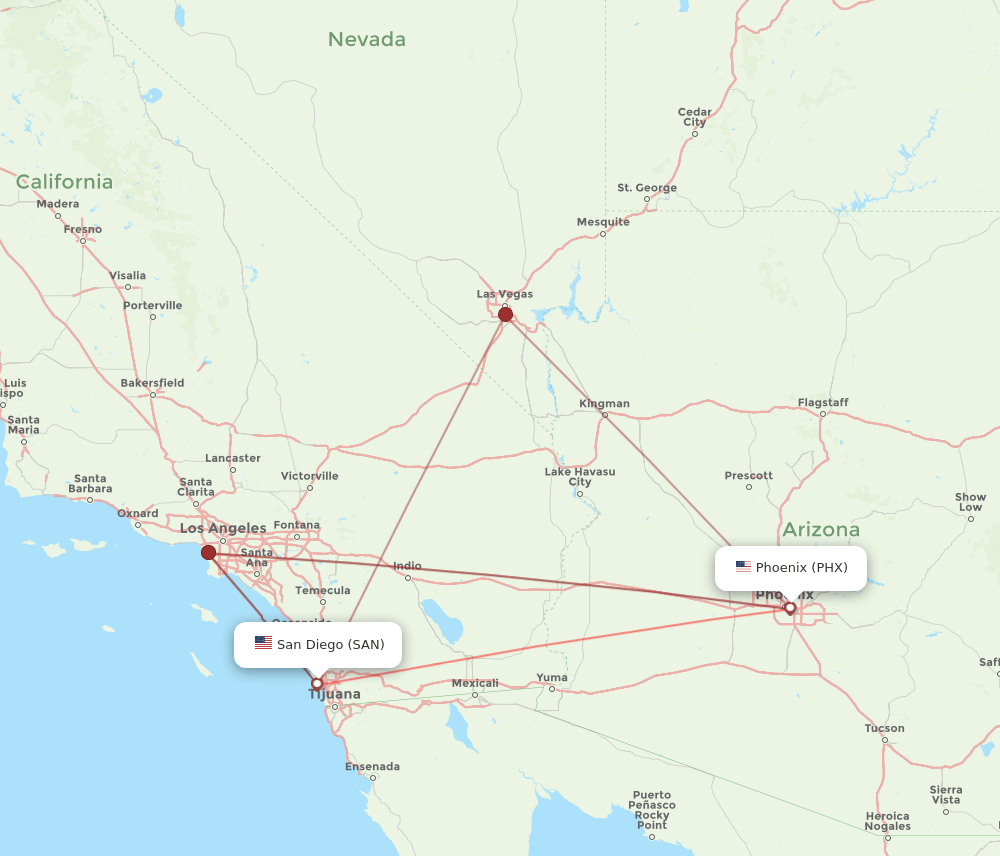
Numerous airlines offer direct flights between Phoenix Sky Harbor International Airport (PHX) and San Diego International Airport (SAN). Major carriers such as Southwest Airlines, American Airlines, and Delta Airlines frequently service this route. The actual flight time is remarkably short, typically ranging from 1 hour to 1 hour and 15 minutes. This makes it a very efficient way to travel if ground transportation is not preferred or time is of the essence.
Airport Logistics and Ground Transportation
While the flight itself is quick, remember to account for the full airport experience. This includes travel to and from the airports, security checks, boarding, and baggage claim. For ground transportation upon arrival in San Diego, options abound, including ride-sharing services, taxis, rental cars, and public transit (like the MTS bus system connecting directly from SAN to downtown). Despite the added time for airport procedures, the overall door-to-door travel time by air is often comparable to or even less than driving, especially when factoring in potential traffic and stops on the road.
Why Make the Journey? Exploring Phoenix and San Diego
Beyond the logistics of distance and travel time, the underlying motivation for this journey lies in the distinct and appealing experiences offered by both Phoenix and San Diego. Each city presents a unique array of attractions, culture, and natural beauty.
The Allure of Phoenix: Desert Beauty and Urban Vibrancy
Phoenix, the capital of Arizona, is a sprawling desert metropolis renowned for its year-round sunshine, vibrant arts scene, and incredible outdoor activities. Visitors can explore the botanical wonders of the Desert Botanical Garden, hike the iconic Camelback Mountain for breathtaking views, or delve into Native American culture at the Heard Museum. The city’s culinary scene is thriving, with a focus on Southwestern flavors and innovative cuisine. Golf enthusiasts flock to Phoenix for its world-class courses, while the nearby towns of Scottsdale and Tempe offer upscale shopping, lively nightlife, and a youthful collegiate atmosphere. It’s a city that masterfully blends urban sophistication with the raw, majestic beauty of the Sonoran Desert.
San Diego’s Coastal Charm: Beaches and Beyond
San Diego, often dubbed “America’s Finest City,” lives up to its name with its idyllic climate, stunning coastline, and a relaxed, vibrant atmosphere. The city is famous for its pristine beaches, from the family-friendly shores of Coronado to the surfing mecca of Pacific Beach. Iconic attractions include the world-renowned San Diego Zoo and the extensive museums, gardens, and theaters nestled within Balboa Park. The historic Gaslamp Quarter offers a lively nightlife and diverse dining options, while the charming neighborhoods of La Jolla provide upscale boutiques and breathtaking ocean vistas. From its rich Spanish heritage to its thriving craft beer scene and military presence, San Diego offers a diverse array of experiences that cater to every interest, making it a perfect destination at the end of a journey from Phoenix.
In conclusion, the journey from Phoenix, Arizona to San Diego, California is a well-traveled route that is easily navigated by car or a quick flight. With a clear understanding of the distance, route options, and travel considerations, you are well-equipped to plan a trip that perfectly suits your preferences and allows you to fully enjoy the diverse landscapes and vibrant cultures awaiting you at either end.
LifeOutOfTheBox is a participant in the Amazon Services LLC Associates Program, an affiliate advertising program designed to provide a means for sites to earn advertising fees by advertising and linking to Amazon.com. Amazon, the Amazon logo, AmazonSupply, and the AmazonSupply logo are trademarks of Amazon.com, Inc. or its affiliates. As an Amazon Associate we earn affiliate commissions from qualifying purchases.