
Planning a trip between two of the most prominent hubs in the American Southwest is a rite of passage for many travelers. Whether you are seeking a weekend getaway to the coast or returning to the heart of the desert, understanding the distance and travel logistics between Phoenix, Arizona, and Los Angeles, California, is essential for a seamless experience. While the two cities are often grouped together in discussions about regional travel, they offer distinct cultural, environmental, and recreational atmospheres.
The Road Trip Experience: Distance and Drive Time
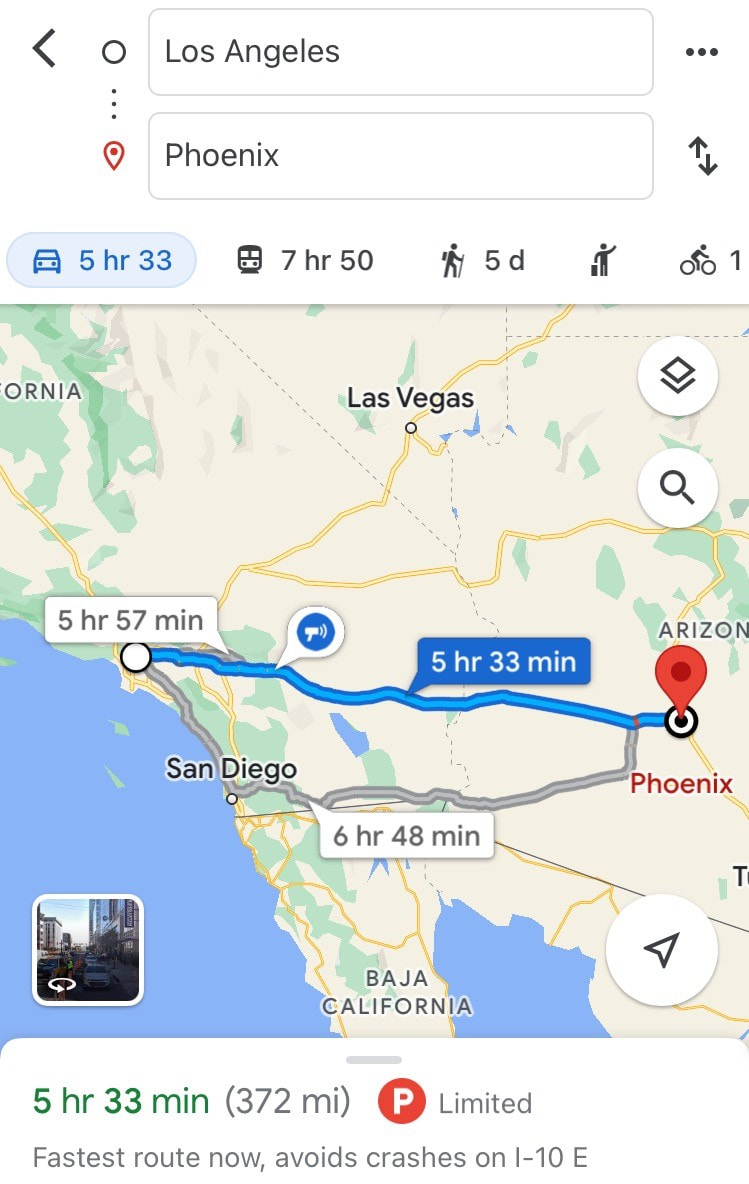
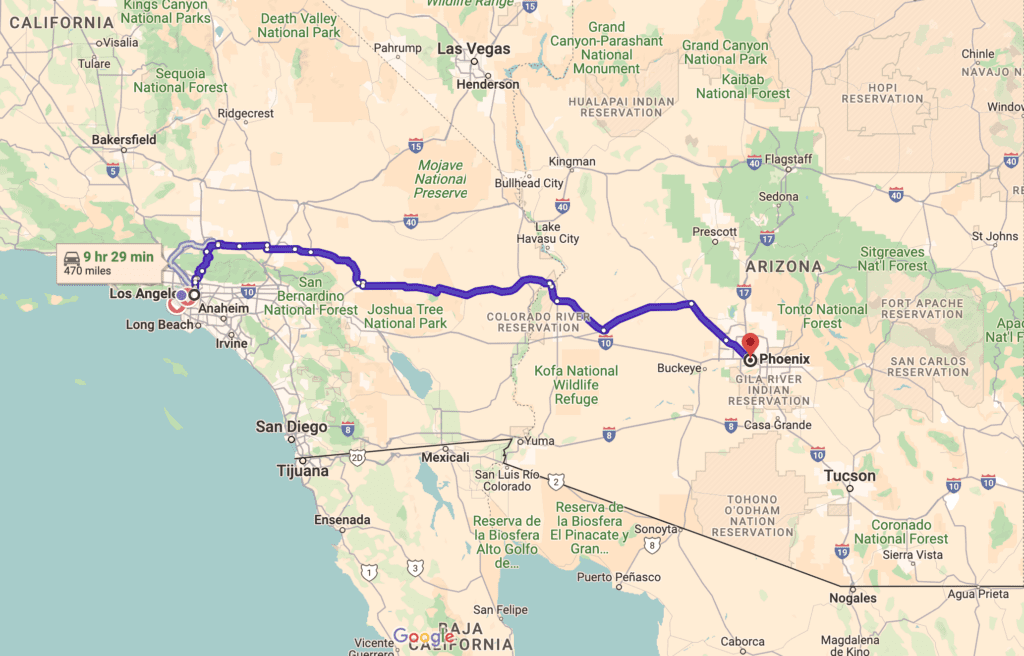
The most common way to traverse the distance between these two major metropolitan areas is via Interstate 10. Spanning approximately 370 to 380 miles, the drive typically takes between five and a half to seven hours, depending largely on traffic conditions in Southern California and the pace of your travel.
Understanding the Route
The journey takes travelers through a striking transition in geography. As you depart [Phoenix], the road leads you through the rugged beauty of the [Sonoran Desert]. You will pass through quiet desert communities like [Buckeye] and [Quartzsite] before crossing the [Colorado River] at the border of [Arizona] and [California]. Entering the [Golden State], the landscape shifts dramatically as you move toward the [Palm Springs] area. Eventually, you will navigate the sprawling urban corridors of the [Inland Empire], passing through [San Bernardino] and [Riverside] before arriving in the heart of [Los Angeles].
Traffic Considerations
The most unpredictable variable in this drive is the congestion that characterizes the greater [Los Angeles] area. Attempting to enter the city during weekday rush hours or on Sunday evenings can add significant time to your journey. To maximize efficiency, many seasoned travelers suggest leaving [Phoenix] early in the morning, which allows you to clear the [San Bernardino] region before the peak afternoon traffic builds up. Conversely, if you are heading toward [Arizona], timing your exit from [Los Angeles] to avoid the late afternoon rush is highly advisable.
Flying vs. Driving: Weighing Your Options
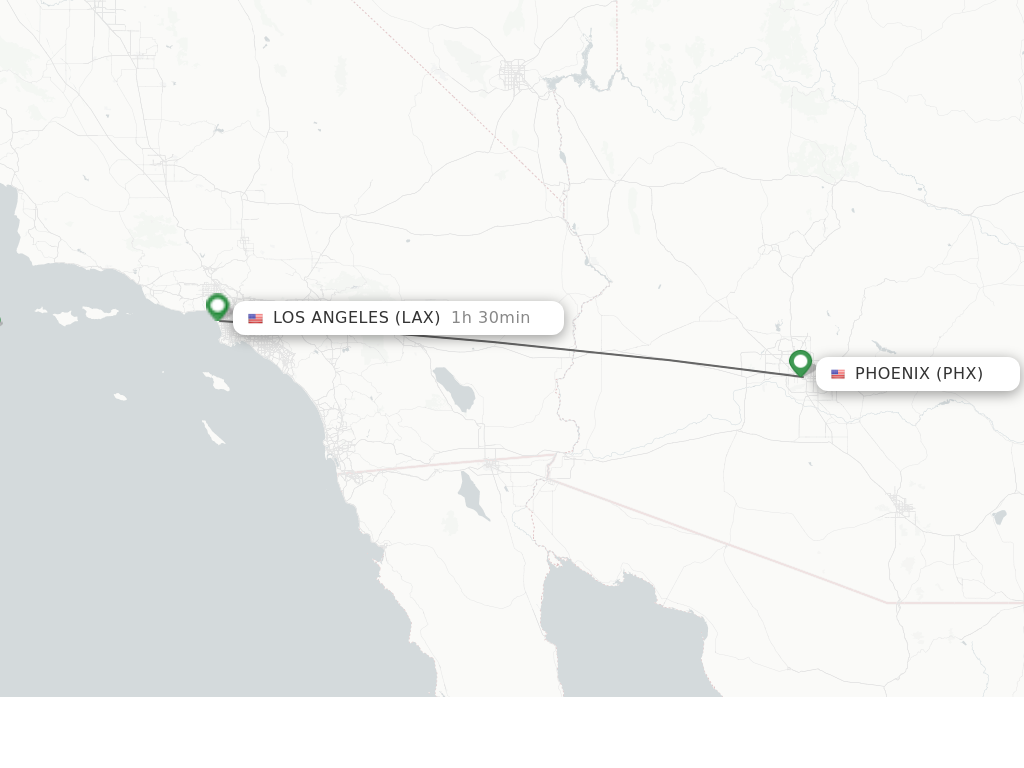
For those who prefer to bypass the long stretch of highway, flying remains a popular alternative. The flight duration between Phoenix Sky Harbor International Airport and Los Angeles International Airport is remarkably short—typically lasting just over one hour in the air.
The Logistics of Short-Haul Flights
Because the cities are relatively close, flights are frequent and often competitively priced. However, once you factor in the time required for security screening, boarding, and baggage claim, the total travel time might only be slightly shorter than the drive.
- Convenience: Flying is excellent for those who do not wish to manage the wear and tear of a long-distance road trip.
- Flexibility: Driving offers the freedom to stop in scenic locations, such as [Joshua Tree National Park] or the [Salton Sea], which would otherwise be inaccessible during a quick flight.
- Cost Efficiency: For groups or families traveling together, driving is often more cost-effective than purchasing multiple airline tickets and arranging for vehicle rentals upon arrival.
Must-See Stops Along the Way
Turning a drive into an adventure is one of the best ways to experience the spirit of [America]. By pacing your journey, you can transform a routine transit into a memorable part of your vacation.
Exploring the Desert Landscapes
As you cross from [Arizona] to [California], the desert terrain offers unique photo opportunities and brief respites from the highway. The [Mojave Desert] provides a stark, minimalist beauty that is iconic to the region. Many travelers find that taking a detour to visit the [Blythe Intaglios]—massive figures etched into the desert floor—provides a fascinating look at the historical significance of the region.
Refreshment Stops
There are several key stops that have become traditional pit stops for travelers on this route. [Palm Springs] serves as a luxurious oasis where one can grab a high-quality meal or walk through mid-century modern architecture before the final stretch into the city. Alternatively, stopping in [Indio] provides a different view of the agricultural abundance of the [Coachella Valley]. Whether you are looking for a quick fast-food bite or a sit-down dining experience, the corridor between these two cities offers a variety of amenities to keep you fueled and refreshed.
Strategic Planning for Seasonal Travel
Seasonality plays a massive role in how you should approach your trip. The climate in [Arizona] and [California] can fluctuate wildly, affecting both road conditions and the overall comfort of your visit.
Managing Heat and Weather
During the peak summer months, the stretch of [Interstate 10] between [Phoenix] and the [California] border can see extreme temperatures. Ensuring that your vehicle is well-maintained—particularly the cooling system and tires—is vital. It is always wise to carry extra water and maintain a steady supply of fuel, as some stretches of the desert can feel quite isolated.
Winter and Spring Considerations
Winter provides a more temperate environment for those who prefer to avoid the desert heat. However, travelers should be mindful of potential traffic surges during holidays or major events like the [Coachella Valley Music and Arts Festival]. If your travel dates coincide with such events, booking accommodations in the [Inland Empire] or [Los Angeles] well in advance is a necessity.
Choosing Your Destination
Ultimately, whether you are visiting [Phoenix] for its world-class golf courses and hiking trails, or heading to [Los Angeles] to experience the beaches and the vibrant Hollywood culture, the travel time between these two destinations is manageable and filled with opportunities for discovery. By understanding the distances, potential traffic traps, and the best ways to navigate the landscape, you can ensure that the transition between these two iconic cities is as smooth and enjoyable as the destination itself.
As you prepare for your journey, consider the specific nature of your trip. If you are traveling for leisure, taking the scenic route and making a day of it can be incredibly rewarding. If you are on a tight schedule, sticking to the primary highway and monitoring real-time traffic updates will be your best defense against unexpected delays. No matter how you choose to make the trek, the distance between these two Western United States powerhouses is a bridge between the quiet, sun-drenched beauty of the desert and the bustling, ocean-side energy of the coast.
LifeOutOfTheBox is a participant in the Amazon Services LLC Associates Program, an affiliate advertising program designed to provide a means for sites to earn advertising fees by advertising and linking to Amazon.com. Amazon, the Amazon logo, AmazonSupply, and the AmazonSupply logo are trademarks of Amazon.com, Inc. or its affiliates. As an Amazon Associate we earn affiliate commissions from qualifying purchases.