
Navigating the sprawling metropolis of New York City often brings up the question of proximity between its diverse boroughs. Among the most frequently asked is the distance between Queens and its bustling neighbor, Manhattan. While a single, definitive answer is elusive due to the sheer size of both boroughs and the multitude of routes available, understanding the general distances and travel times is crucial for any visitor or resident planning their journeys. This exploration delves into the geographical considerations, various transportation methods, and the unique experiences that bridge these two iconic parts of New York.
Geographical Considerations: Bridging Two Worlds
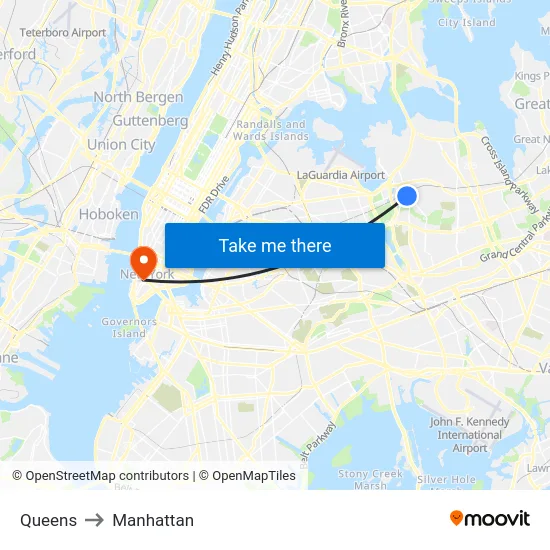
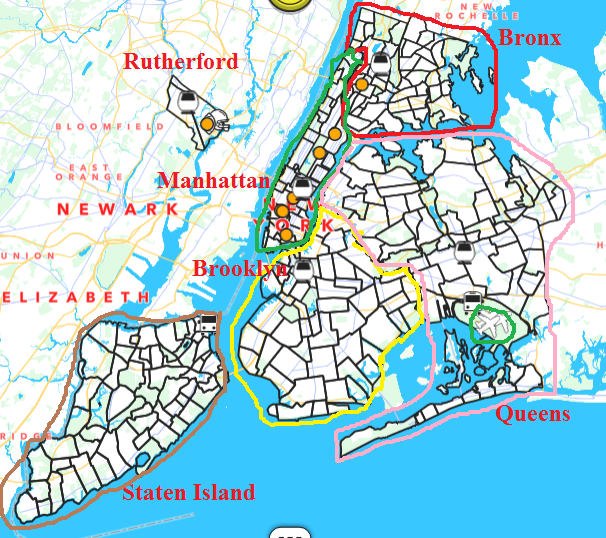
Queens and Manhattan are physically separated by the East River. Manhattan, a long, narrow island, forms the core of the city, while Queens, located to its east, is the largest borough by area and the most ethnically diverse county in the United States. The “distance” therefore depends heavily on which specific points within each borough are being considered.
East River Crossing Points
The most direct connections between Queens and Manhattan are facilitated by bridges and tunnels.
- Queensboro Bridge (Ed Koch Queensboro Bridge): This iconic structure connects Long Island City in Queens with the Upper East Side of Manhattan. It’s a popular route for cyclists and pedestrians, offering stunning views of the New York skyline. The vehicular portion is often subject to traffic.
- Midtown Tunnel (Hugh L. Carey Tunnel): This underwater tunnel, formerly known as the Queens–Midtown Tunnel, connects Long Island City in Queens with Midtown Manhattan. It’s a primary artery for vehicular traffic, offering a direct link into the heart of Manhattan.
- Triborough Bridge (Robert F. Kennedy Bridge): While primarily connecting Queens to Manhattan and the Bronx, it serves as another crucial conduit, offering access to various parts of both boroughs.
Varying Distances Within Boroughs
When discussing distance, it’s essential to acknowledge the vastness of both boroughs.
- Western Queens to Midtown Manhattan: Areas like Long Island City or Astoria in Queens are geographically the closest to Midtown Manhattan. The distance can be as little as 1-2 miles across the East River.
- Eastern Queens to Lower Manhattan: Conversely, neighborhoods in eastern Queens, such as Jamaica or Flushing, are significantly further from Lower Manhattan. These distances can range from 10 to 15 miles or more, depending on the exact starting and ending points.
Transportation Options: A Network of Connections
The journey from Queens to Manhattan is made possible by a comprehensive public transportation system and various private options. The choice of transport significantly impacts travel time and the overall experience.
Public Transportation: The Subway System
The New York City Subway is the most common and often the most efficient way to travel between Queens and Manhattan. Numerous subway lines traverse the East River, connecting various parts of Queens directly to different districts in Manhattan.
- E, M, and 7 Trains: These lines offer direct access from western Queens (like Long Island City and Court Square) to Midtown Manhattan (e.g., Times Square, Grand Central Terminal). Travel time can range from 10 to 30 minutes, depending on the specific stops and time of day.
- F and G Trains: The F train connects central and eastern Queens (like Jackson Heights and Jamaica) to Midtown and Lower Manhattan. The G train primarily serves Brooklyn but offers connections to Queens and Manhattan via transfer points.
- J and Z Trains: These lines offer direct service from Jamaica in Queens to Lower Manhattan (e.g., Chambers Street).
- LIRR (Long Island Rail Road): For faster travel, the Long Island Rail Road offers express service from major stations in Queens, such as Jamaica Station, directly to Penn Station or Grand Central Madison in Manhattan. This is often the quickest option for longer distances within Queens to central Manhattan, taking as little as 15-20 minutes.
Vehicular Travel: Bridges, Tunnels, and Traffic
Driving or taking a taxi/rideshare between Queens and Manhattan offers flexibility but is highly susceptible to New York’s notorious traffic.
- Car Services and Taxis: These offer door-to-door convenience. Travel times can vary dramatically, from 20 minutes during off-peak hours to over an hour during rush hour, especially when crossing bridges or tunnels like the Queensboro Bridge or Midtown Tunnel.
- Rideshares (Uber/Lyft): Similar to taxis, rideshares provide on-demand transportation. Prices and times are subject to dynamic demand and traffic conditions.
- Personal Vehicles: Driving a personal car offers the most freedom but comes with the added challenges of parking in Manhattan, which can be expensive and difficult to find.
Ferry Services: A Scenic Alternative
The NYC Ferry system provides a unique and scenic way to travel between certain points in Queens and Manhattan. Routes like the Astoria route connect Astoria in Queens to Midtown East and Wall Street in Manhattan.
- Travel Time: Ferry rides are generally more about the experience and views than speed. Travel times typically range from 20 to 45 minutes, offering a relaxing respite from the city’s hustle.
- Cost-Effectiveness: The ferry is a relatively affordable option, often costing less than a taxi or rideshare for comparable distances.
Estimating Travel Time: A Practical Guide
When planning a trip, having a realistic estimate of travel time is paramount. Several factors influence this:
Peak vs. Off-Peak Hours
The difference between traveling during rush hour (roughly 7-10 AM and 4-7 PM on weekdays) and off-peak hours can be substantial. A subway ride that takes 20 minutes during off-peak hours might take 40 minutes or longer during peak times due to increased ridership and potential delays. Similarly, vehicular travel times can double or triple during peak periods.
Specific Locations
As mentioned, the starting and ending points are critical. Traveling from the western edge of Queens to the eastern edge of Manhattan will naturally take longer than crossing from Long Island City to Midtown Manhattan.
- Example Scenarios:
- Astoria, Queens to Times Square, Manhattan: By subway (N/W trains or a transfer from the 7 train), this could take 20-30 minutes.
- Jamaica, Queens to Financial District, Manhattan: By LIRR to Penn Station and then a subway transfer, approximately 40-50 minutes. Using subway lines (E train) directly might take 50-70 minutes.
- Flushing, Queens to Upper East Side, Manhattan: This is a longer journey, often involving multiple subway transfers, potentially taking 60-90 minutes.
Utilizing Real-Time Information
To get the most accurate estimate, it’s advisable to use real-time transit apps like the MTA app or Google Maps. These services provide up-to-the-minute information on train schedules, delays, and estimated travel times based on current conditions. For driving, Waze or Google Maps are indispensable for navigating traffic.
Beyond the Distance: Experiencing the Connection
While understanding the physical distance is important for logistics, it’s also valuable to appreciate the cultural and experiential connections between Queens and Manhattan.
Cultural Exchange
Queens is celebrated for its incredible diversity, offering a global culinary tour within its neighborhoods like Jackson Heights, Flushing, and Astoria. Visitors can experience authentic cuisines from virtually every corner of the world. This diversity is a significant draw for tourists and locals alike, offering a rich tapestry of cultures that complements the iconic landmarks and vibrant arts scene of Manhattan. The ease of travel allows for a seamless integration of these experiences – a morning exploring the street art of Bushwick in Brooklyn, an afternoon museum visit in Manhattan, and an evening enjoying authentic Indian food in Queens.
Economic and Social Ties
Economically and socially, Queens and Manhattan are deeply intertwined. Many residents of Queens commute to Manhattan for work, making the transportation links vital for the city’s functioning. Conversely, Manhattan residents often venture into Queens for its more affordable housing, unique cultural experiences, and a different pace of city life.

The “Borough Hopping” Experience
The short travel times between many parts of Queens and Manhattan make “borough hopping” an integral part of the New York experience. A visitor staying in a hotel in Midtown Manhattan could easily spend an afternoon exploring the markets of Flushing, Queens, or enjoy a sunset stroll along the East River waterfront in Long Island City, all within a few hours. This accessibility transforms the vastness of New York City into a connected and explorable urban landscape.
In essence, the question “How far is Queens New York from Manhattan?” is less about miles and more about accessibility. With efficient public transport, convenient bridges and tunnels, and a vibrant interconnectedness, these two boroughs are, in practical terms, closer than ever, offering a wealth of experiences that define the dynamic spirit of New York.
LifeOutOfTheBox is a participant in the Amazon Services LLC Associates Program, an affiliate advertising program designed to provide a means for sites to earn advertising fees by advertising and linking to Amazon.com. Amazon, the Amazon logo, AmazonSupply, and the AmazonSupply logo are trademarks of Amazon.com, Inc. or its affiliates. As an Amazon Associate we earn affiliate commissions from qualifying purchases.