
For many visitors to Nevada, the state conjures images of two distinct worlds: the dazzling, non-stop energy of Las Vegas and the rugged, outdoor charm of Reno, the “Biggest Little City in the World.” While both cities share a reputation for gaming and entertainment, they offer vastly different experiences, attracting diverse travelers seeking everything from high-stakes thrills to serene natural beauty. A common question for those planning a comprehensive Nevada adventure or considering a move between these vibrant hubs is: how far is Reno from Las Vegas, and what’s the best way to make the journey? This guide delves into the distances, travel options, and what to expect when traversing the Silver State, helping you plan an unforgettable trip.
The Distance & Key Travel Routes Across Nevada
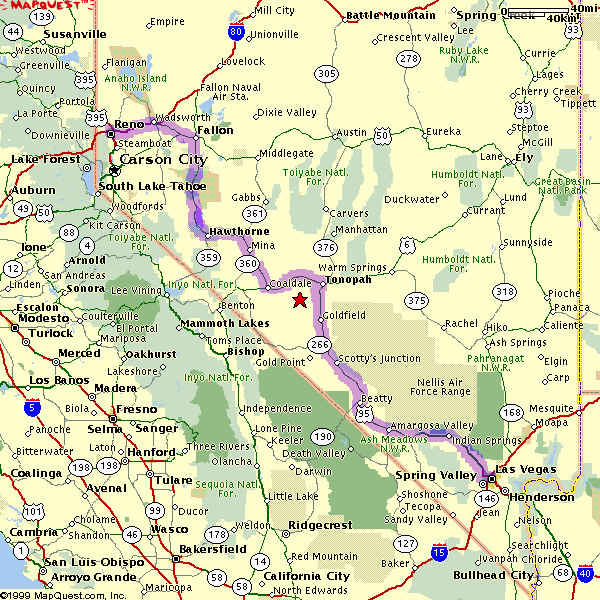
The vast expanse of the Nevada desert separates its two largest cities. As the crow flies, the distance between Las Vegas and Reno is approximately 345 miles (555 kilometers). However, ground travel involves navigating the state’s highways, which naturally lengthen the journey. Depending on the route chosen, the driving distance typically ranges between 440 and 450 miles (708-724 kilometers). This makes for a significant drive, generally requiring 7 to 8 hours without major stops, reflecting the expansive and often sparsely populated landscapes that define much of Nevada.
Understanding the geographical distance is just the beginning; the choice of transportation dictates not only the travel time but also the very nature of the experience. Whether you prioritize speed, scenic beauty, or budget-friendly options, there’s a way to bridge the gap between these two iconic Nevada destinations.
By Car: The Classic Nevada Road Trip
Embarking on a road trip from Las Vegas to Reno (or vice-versa) is, for many, the quintessential way to experience the heart of Nevada. The journey offers a unique perspective on the state’s diverse geography, from barren desert plains to mountainous vistas. Several primary routes connect the two cities, each offering slightly different travel times and potential points of interest.
The most common and generally fastest route involves a combination of major U.S. highways:
- U.S. Route 95: This is the primary artery for the majority of the journey. From Las Vegas, you’ll head northwest on U.S. Route 95 through small towns like Indian Springs, Beatty, and Goldfield. This stretch is characterized by long, straight roads cutting through vast desert landscapes, often with distant mountain ranges framing the horizon.
- Connecting to Interstate 80: As you approach Fallon, you’ll typically connect to Interstate 80 westbound, which takes you the final leg into Reno. This route is well-maintained and provides a direct path.
This combined route covers approximately 440-450 miles and takes around 7 to 8 hours of pure driving time. It’s crucial to factor in stops for fuel, food, and stretching, especially given the lengthy stretches between services. Road conditions are generally good, but travelers should be aware of potential wildlife, especially at dawn or dusk, and prepare for varying weather, particularly in winter when snow can affect higher elevations near Reno. Always ensure your vehicle is in good condition, and keep plenty of water and snacks on hand, as cellular service can be spotty in remote areas.
Taking to the Skies: Air Travel
For those prioritizing speed and convenience, flying is undoubtedly the quickest way to travel between Las Vegas and Reno. Non-stop flights typically last about 1 to 1.5 hours, transforming a full day’s drive into a short hop.
- Departure Airport: Flights from Las Vegas depart from Harry Reid International Airport (LAS), formerly known as McCarran International Airport. This bustling airport is a major hub, offering numerous daily flights.
- Arrival Airport: In Reno, travelers arrive at Reno-Tahoe International Airport (RNO). This airport is conveniently located just a few miles from downtown Reno, making onward travel simple.
- Airlines: Several major airlines, including Southwest Airlines, Allegiant Air, and American Airlines, often operate direct flights between the two cities.
While the flight itself is short, remember to account for travel to and from the airports, security checks, and boarding times. When considering the total door-to-door journey, flying might save a significant amount of time compared to driving, especially for those on a tight schedule or looking to maximize their time in each destination.
Alternative Ground Transportation
While driving your own car or flying are the most popular options, other ground transportation methods are available for those who prefer not to drive or fly.
- Bus Services: Companies like Greyhound offer bus services connecting Las Vegas and Reno. These journeys are considerably longer than driving, often taking 9 to 12 hours or more, depending on the route and number of stops. Bus travel is typically the most budget-friendly option, making it suitable for cost-conscious travelers who don’t mind the extended travel time.
- Train Services: Direct train service between Las Vegas and Reno is not straightforward. While Amtrak does have routes through Nevada, connecting the two cities by rail would involve multiple transfers and a significantly longer travel time, often making it impractical for direct travel. However, for scenic train enthusiasts looking to incorporate a broader Western U.S. journey, it could be part of a larger itinerary.
- Rideshares/Shuttles: While less common for such a long distance, private shuttle services or rideshares might be an option, albeit often at a premium cost. These can offer more flexibility than buses but are unlikely to be as cost-effective as flying or driving your own vehicle.
What to Expect: Las Vegas vs. Reno
Though both Las Vegas and Reno are renowned for their casinos and vibrant nightlife, they each possess a distinct character and appeal. Understanding these differences can help travelers decide how much time to allocate to each city and which might better suit their interests.
The Bright Lights of Las Vegas
Las Vegas, the entertainment capital of the world, needs little introduction. It’s a city of superlatives, known for its opulent resorts, world-class dining, extravagant shows, and endless array of attractions. The famous Las Vegas Strip is lined with iconic establishments such as Caesars Palace, Bellagio, The Venetian Resort, The Palazzo, and Aria Resort & Casino, each offering unique themes, attractions, and luxurious accommodation options. Beyond gambling, visitors can enjoy:
- World-Class Entertainment: From resident superstar performers to Broadway productions and magic shows.
- Gourmet Dining: Home to celebrity chef restaurants and diverse culinary experiences.
- Nightlife: High-energy clubs, elegant lounges, and themed bars.
- Shopping: High-end boutiques and sprawling shopping centers.
- Unique Attractions: The Fremont Street Experience downtown, the Bellagio Fountains, the High Roller observation wheel, and numerous museums.

For those interested in lifestyle experiences, Las Vegas offers everything from luxury travel to budget-friendly options if planned carefully. Its proximity to natural wonders like the Valley of Fire State Park, Red Rock Canyon National Conservation Area, Mount Charleston, and the magnificent Hoover Dam also makes it a hub for outdoor activities and day trips.
Reno: The Biggest Little City in the World
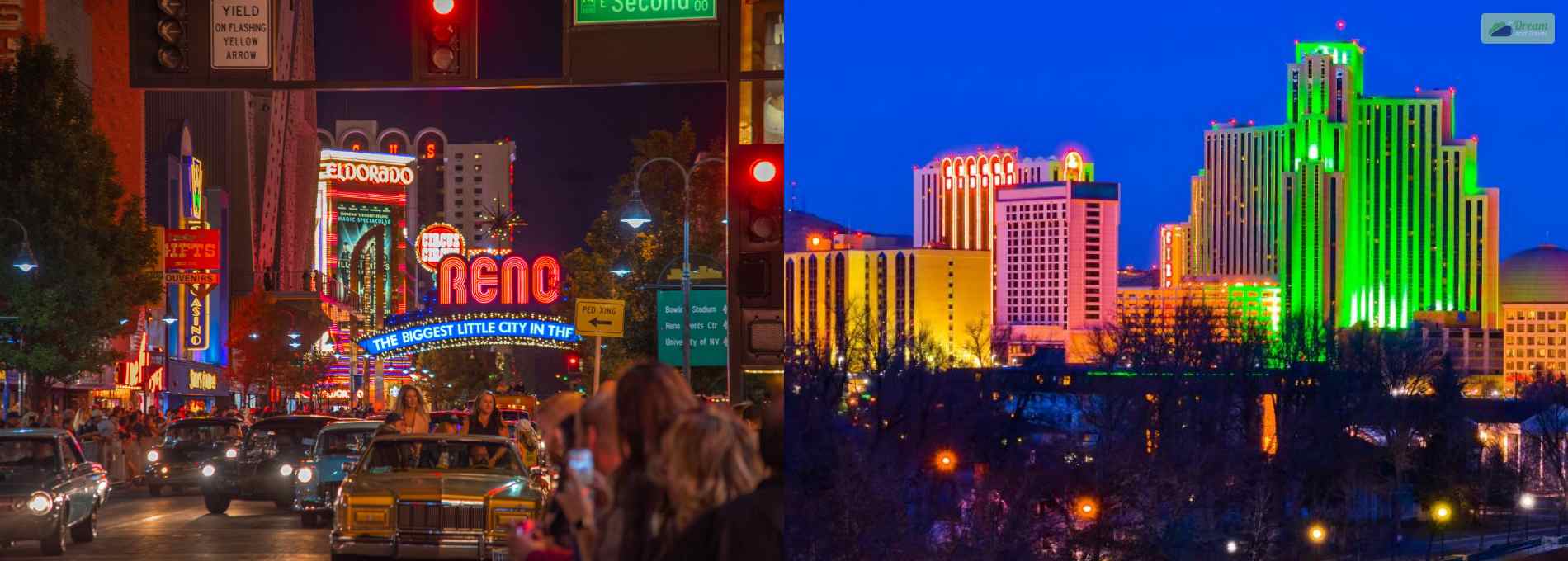
Reno, while also famous for its casinos, projects a more laid-back, approachable vibe than its southern counterpart. Often described as a blend of urban amenities and outdoor adventure, Reno serves as a gateway to the stunning Sierra Nevada mountains and the pristine waters of Lake Tahoe. While you’ll find plenty of gaming opportunities at resorts like Eldorado Resort Casino, Peppermill Resort Spa Casino, and Atlantis Casino Resort Spa (many of which are part of The ROW complex), Reno’s appeal extends far beyond the gaming floor:
- Outdoor Recreation: Its proximity to Lake Tahoe means easy access to skiing, snowboarding, hiking, mountain biking, and water sports.
- Arts and Culture: Reno boasts a thriving arts scene, with numerous galleries, murals, and annual events like Artown.
- Local Charm: A revitalized downtown area along the Truckee River offers unique shops, cafes, and breweries.
- Events: Host to major events like Hot August Nights, the Reno Air Races, and the Great Reno Balloon Race.
For travelers seeking a balanced experience that combines urban entertainment with readily accessible natural beauty, Reno offers a compelling alternative or complement to the Las Vegas experience. Its smaller scale and friendly atmosphere contribute to a more intimate and often more affordable visit, whether for family trips or solo adventures.
Making the Journey an Adventure: Scenic Stops & Detours
For those embarking on the approximately 7-8 hour drive, the journey between Las Vegas and Reno doesn’t have to be a mere transit; it can be an integral part of the adventure. The routes traverse diverse landscapes, offering opportunities to explore unique Nevada landmarks, ghost towns, and quirky roadside attractions.
Desert Wonders and Quirky Attractions
The most direct route, U.S. Route 95, provides a raw and authentic Nevada desert experience. While long stretches are sparse, there are several intriguing stops:
- Beatty: A small town offering a glimpse into Nevada’s mining history. It’s also a gateway to the eastern side of Death Valley National Park, which, though a significant detour, is an absolute must-see for nature enthusiasts if you have an extra day.
- Goldfield: Once a booming gold mining town, Goldfield is now a fascinating ghost town with preserved historic buildings and a distinct eerie charm. Its historic Goldfield Hotel is particularly notable.
- Tonopah: Another historic mining town, Tonopah offers the unique Clown Motel and a well-preserved mining park, providing insights into the region’s rich past. It’s a good halfway point for an overnight stop if you want to break up the drive.
- Area 51 and the Extraterrestrial Highway: For those fascinated by the unexplained, a slight detour east from U.S. Route 95 onto State Route 375, famously known as the Extraterrestrial Highway, can be an adventurous add-on. While Area 51 itself remains off-limits, the quirky alien-themed diners and gift shops along the route offer a fun diversion.
- Great Basin National Park: While a significant detour (requiring a trip east on U.S. Route 93 and then U.S. Route 6), this park offers stunning mountain scenery, ancient bristlecone pine trees, and the Lehman Caves. It’s an excellent option for those extending their trip into a multi-day natural exploration.
Closer to Reno, travelers can explore:
- Carson City: Nevada’s capital city, with its historic downtown, museums, and proximity to Lake Tahoe.
- Virginia City: A historic mining town that played a crucial role in the development of the American West. Its charming main street, historic saloons, and mine tours offer a genuine step back in time.
These stops not only break up the long drive but also enrich the travel experience, showcasing Nevada’s unique blend of natural beauty, rugged history, and quirky modern culture.
Planning Your Nevada Escape: Accommodation and Tips
When planning your journey between Las Vegas and Reno, whether for a quick business trip or an extended tourism adventure, thoughtful preparation is key. This includes considering where you’ll stay and how to maximize your experience in each destination.
Choosing Your Accommodation
Both Las Vegas and Reno offer a vast array of accommodation options to suit every taste and budget.
- In Las Vegas: From opulent resorts on The Strip offering suites with panoramic views and lavish amenities (think Bellagio or The Venetian Resort) to more budget-friendly hotels off the main tourist corridors. Consider staying downtown near the Fremont Street Experience for a different vibe, or explore quieter apartments or villas further afield for a long-term stay. When booking, always compare reviews and prices.
- In Reno: While it has its share of prominent casino resorts like Peppermill Resort Spa Casino and Atlantis Casino Resort Spa, Reno also offers a wider selection of boutique hotels, cozy bed and breakfasts, and vacation rentals, especially for those looking to explore Lake Tahoe and the Sierra Nevada. The downtown area offers convenient access to the river walk and arts scene.
Regardless of your chosen city, it’s always advisable to book accommodations in advance, especially during peak season or major events, to secure the best rates and availability. Utilizing comparison tools can help you find deals on various types of hotels, suites, or apartments.
Essential Travel Tips
- Weather: Nevada experiences extreme temperatures. Summers are scorching, especially in Las Vegas and the desert, while winters in Reno can bring snow and freezing temperatures due to its proximity to the mountains. Pack accordingly.
- Hydration: Always carry plenty of water, especially during road trips through the desert, regardless of the season. Dehydration can happen quickly.
- Fuel: Plan your fuel stops carefully when driving. Services can be scarce on long stretches of U.S. Route 95.
- Time Zones: Both Las Vegas and Reno are in the Pacific Time Zone, simplifying travel between them.
- Flexibility: Whether you’re on a business stay or a leisurely holiday, allow for flexibility in your schedule. Unexpected discoveries often make for the best experiences.
- Research Attractions: Before you go, research specific destinations, local culture, food, and activities in each city and along your route. Many unique guides and tips can be found online to enhance your trip.
The journey from Las Vegas to Reno is more than just covering distance; it’s an opportunity to immerse yourself in the diverse landscapes and vibrant culture of Nevada. Whether you opt for the swiftness of air travel, the freedom of a road trip with exciting detours, or the economical pace of a bus, both “Sin City” and “The Biggest Little City in the World” await with unique experiences that promise lasting memories.
LifeOutOfTheBox is a participant in the Amazon Services LLC Associates Program, an affiliate advertising program designed to provide a means for sites to earn advertising fees by advertising and linking to Amazon.com. Amazon, the Amazon logo, AmazonSupply, and the AmazonSupply logo are trademarks of Amazon.com, Inc. or its affiliates. As an Amazon Associate we earn affiliate commissions from qualifying purchases.