
The question “What is time in Los Angeles?” might seem straightforward, implying a simple glance at a clock. However, in the sprawling, vibrant metropolis known as the City of Angels, time takes on a multifaceted meaning. It’s not just about the current moment on a timepiece, but rather the rhythms that define daily life, the optimal seasons for exploration, the hours spent traversing its diverse landscapes, and the unforgettable moments carved into memory. From the relentless pursuit of dreams in Hollywood to the sun-drenched leisure of its iconic beaches, time in Los Angeles is a dynamic concept, influencing everything from travel planning and accommodation choices to cultural immersion and lifestyle experiences. This article delves into the essence of time in Los Angeles, offering a comprehensive guide for visitors and residents alike to truly understand and make the most of every precious moment.
Understanding the Essence of Time in the City of Angels
To truly grasp what time means in Los Angeles, one must consider both its literal measurement and its experiential flow. This encompasses not only the time zone but also the cyclical nature of seasons and events that shape the city’s character throughout the year.
Decoding Los Angeles’s Clock: Pacific Standard Time
At its most fundamental, time in Los Angeles is dictated by the Pacific Time Zone. Specifically, the city observes Pacific Standard Time (PST) during the cooler months, which is UTC-8. When daylight saving comes into effect, usually from March to November, Los Angeles shifts to Pacific Daylight Time (PDT), moving the clocks forward by an hour to UTC-7.
For international travelers, understanding this time difference is crucial for managing jet lag, scheduling meetings, and coordinating with contacts in different parts of the world. A business traveler flying in from Europe might face an eight or nine-hour time difference, necessitating careful planning for conference calls or early morning commitments. Conversely, those arriving from the East Coast of the United States will experience a three-hour shift. Awareness of PST and PDT is the first step in synchronizing oneself with the rhythm of Los Angeles, a city that, despite its laid-back reputation, operates on a very precise schedule when it comes to appointments and events.
The Rhythms of the Seasons: When to Experience Los Angeles
Beyond the clock, “time” in Los Angeles also refers to the best periods to visit, each season offering a distinct flavor of the city. Los Angeles is renowned for its year-round pleasant weather, but subtle shifts significantly impact the visitor experience.
Spring (March to May): This is arguably one of the most delightful times to visit. The weather is consistently mild, with comfortable temperatures ideal for exploring outdoors. The “May Gray” and “June Gloom” phenomena, where coastal fog blankets the area in the mornings, are still a few weeks away, meaning clearer skies prevail. Spring sees fewer crowds than summer, making it perfect for visiting popular attractions like the Getty Center or strolling along the Hollywood Walk of Fame. Many cultural festivals and outdoor events begin to blossom, offering a vibrant cultural scene without the intense summer heat.
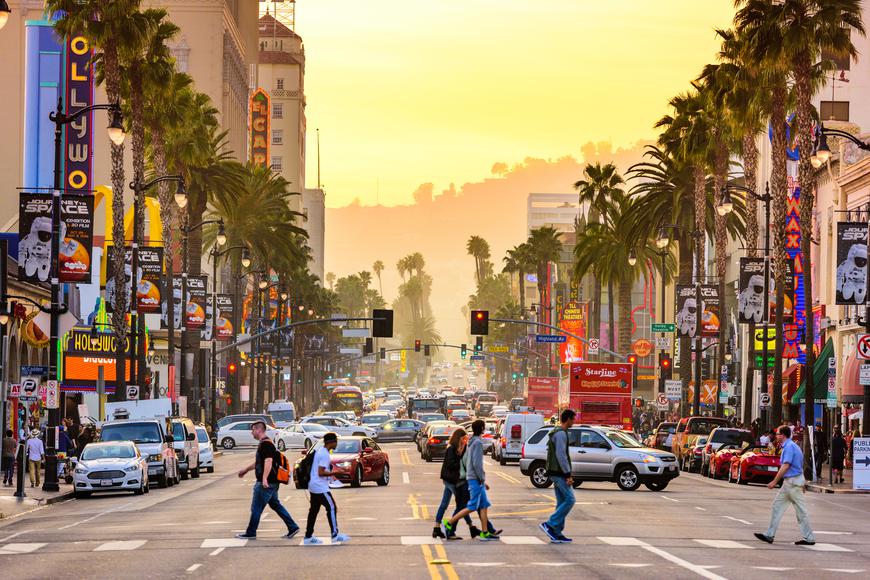
Summer (June to August): Summer in Los Angeles is synonymous with sunshine, beaches, and bustling activity. Temperatures are warmer, especially inland, often reaching into the 90s Fahrenheit. This is peak tourist season, attracting families to theme parks like Universal Studios Hollywood and Disneyland Park (located nearby in Anaheim). The coastal areas, including Santa Monica Beach and Venice Beach, are vibrant hubs for beachgoers and street performers. While the energy is infectious, visitors should brace for larger crowds, higher accommodation prices, and significant traffic delays. Booking accommodations and attractions well in advance is essential during these months.
Fall (September to November): Often considered another prime time to visit, fall in Los Angeles offers a continuation of warm, sunny weather, but with cooler evenings and significantly fewer tourists than the summer. The infamous Santa Ana winds can occasionally bring dry, hot conditions, but generally, the weather is fantastic. This period is excellent for hiking in places like Runyon Canyon Park, enjoying outdoor dining, and exploring the city’s diverse neighborhoods. Major events, like film festivals and art shows, begin to ramp up, providing a rich cultural calendar.
Winter (December to February): While much of the country shivers, Los Angeles enjoys mild, pleasant winters. Temperatures rarely dip below 50°F (10°C) during the day, though evenings can be chilly. This is the rainy season, but showers are usually intermittent and brief, leaving plenty of sunny days for exploration. Winter offers the smallest crowds and often the best deals on flights and hotels. It’s an ideal time for museum hopping at institutions like the Los Angeles County Museum of Art (LACMA) or The Broad, enjoying holiday festivities, or even a day trip to the nearby mountains for skiing, a unique California experience where one can ski in the morning and be on the beach by afternoon.
Mastering Your Minutes: Crafting the Perfect Los Angeles Itinerary
In a city as vast and diverse as Los Angeles, managing your time effectively is paramount to a fulfilling experience. The concept of “time” here shifts from a measurement to a precious resource that must be strategically allocated across its myriad attractions.
Iconic Landmarks and Cultural Immersion
To truly experience Los Angeles, time must be set aside for its world-famous landmarks and rich cultural tapestry. A well-planned itinerary can save invaluable hours.
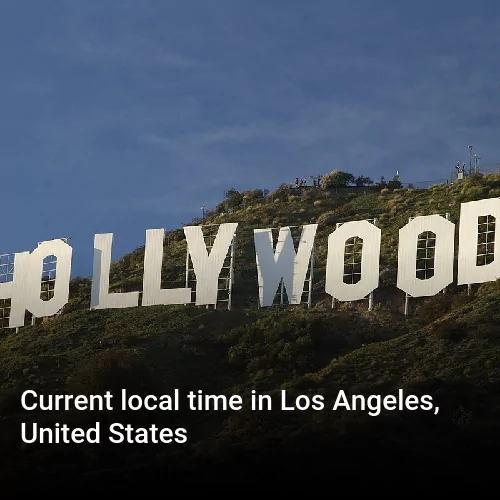
- Hollywood Exploration: Dedicate at least half a day to the heart of the entertainment industry. Stroll the Hollywood Walk of Fame, visit the TCL Chinese Theatre, and catch a glimpse of the iconic Hollywood Sign from vantage points like the Griffith Observatory. The observatory itself warrants a few hours, especially at sunset, for breathtaking panoramic views of the city skyline and the cosmos.
- Coastal Charms: A full day can easily be spent exploring the distinct vibes of Santa Monica and Venice Beach. Walk or bike the path connecting the two, experience the lively atmosphere of the Santa Monica Pier with its Ferris wheel, and soak in the eclectic street art and bohemian spirit of Venice Beach’s boardwalk.
- Art and Architecture: Allocate sufficient time for the city’s impressive museums and architectural wonders. The Getty Center requires half a day due to its expansive campus, stunning gardens, and extensive art collection, not to mention the scenic drive and tram ride to reach it. In Downtown Los Angeles, visit the striking Walt Disney Concert Hall and the Museum of Contemporary Art (MOCA). Grouping these geographically close attractions minimizes travel time, maximizing your cultural intake.
The Thrill of Entertainment and Shopping
Los Angeles is a global hub for entertainment and fashion, and dedicating time to these pursuits is a must for many visitors.
- Theme Park Adventures: A full day, if not two, is necessary for Universal Studios Hollywood, where you can delve into movie magic with studio tours, thrilling rides, and the Wizarding World of Harry Potter. For those with more time and an appetite for fantasy, a separate day trip to Disneyland Park offers an unparalleled magical experience. These destinations are time-intensive, requiring early starts and late finishes to truly enjoy.
- Luxury Retail Therapy: For a taste of Los Angeles’s glamorous lifestyle, spend a few hours exploring Rodeo Drive in Beverly Hills. Even if high-end shopping isn’t on your agenda, the window shopping and people-watching offer a unique glimpse into L.A.’s luxury culture.
Culinary Journeys: Tasting Los Angeles’s Diverse Flavors
Time spent savoring food in Los Angeles is an experience in itself. The city’s culinary scene is a melting pot of global flavors, from gourmet street food to Michelin-starred restaurants.
- Food Truck Culture: Allocate time to explore the city’s famous food truck scene, which offers everything from Korean BBQ tacos to artisanal ice cream.
- Grand Central Market: In Downtown Los Angeles, this historic market offers a dizzying array of food vendors under one roof, perfect for a quick, diverse meal.
- Neighborhood Dining: Explore specific neighborhoods known for their culinary prowess. Koreatown for authentic Korean BBQ, Little Ethiopia for flavorful stews, or Thai Town for vibrant Thai dishes. Dining is not just about sustenance; it’s about experiencing the local culture and community, so allow ample time for leisurely meals.
The Los Angeles Lifestyle: More Than Just a Moment
The very rhythm of life in Los Angeles plays a significant role in defining “time” here. It’s a blend of fast-paced ambition and a laid-back, sun-soaked existence.
The Pace of Life and Mobility
One of the most defining aspects of the Los Angeles lifestyle, and a major factor in how time is perceived, is its car culture and notorious traffic. The sheer size of Los Angeles County means that distances between attractions can be vast, and travel time can easily consume a significant portion of your day. What might appear as a short distance on a map can take an hour or more during peak traffic times.
- Navigating the Sprawl: While the Metro system is expanding and can be useful for certain routes (especially in Downtown Los Angeles or between Hollywood and Santa Monica), most Angelenos rely on cars. Visitors often find ridesharing services like Uber and Lyft to be convenient, but these are still subject to traffic.
- Time as a Commute: Locals have a unique relationship with time, often factoring in lengthy commutes as an unavoidable part of their daily routine. For visitors, this translates into a crucial need for strategic planning. Grouping attractions by geographical area (e.g., spending one day in Hollywood and Griffith Park, another in Santa Monica and Venice Beach) is key to minimizing time wasted in transit.
Accommodation: Your Time’s Sanctuary
Where you choose to stay significantly impacts how you experience time in Los Angeles, particularly concerning travel efficiency and the overall lifestyle you immerse yourself in.
- Strategic Location: Opting for accommodation near your primary interests or with good access to public transport can save hours. Staying in Santa Monica places you close to the beach and a relaxed coastal vibe, but it might mean longer drives to attractions in Hollywood or Downtown Los Angeles. Conversely, a hotel in Beverly Hills offers central access to many attractions but comes with a higher price tag.
- Variety of Stays: Los Angeles offers a spectrum of accommodation options, from luxurious resorts like The Beverly Wilshire, A Four Seasons Hotel to chic boutique hotels like W Hollywood or urban retreats such as The Standard, Downtown LA. Budget-friendly options, including apartments and villas for longer stays, are also plentiful. Your choice will not only dictate your comfort but also how much time you spend traveling to and from your “home base.” Considering amenities like pools or business centers also influences how you spend your downtime.
Embracing the Laid-Back Vibe: Beaches and Outdoors
Despite its reputation as a fast-paced city, a significant aspect of time in Los Angeles is dedicated to leisure and the outdoors, reflecting its quintessential California lifestyle.
- Beach Time: Taking time to simply relax on one of Los Angeles’s many beaches, from the lively shores of Venice Beach to the pristine sands of Malibu, is an essential L.A. experience. These moments of tranquility offer a stark contrast to the bustling city life.
- Hiking and Nature: The city is blessed with numerous parks and hiking trails, offering stunning views and a chance to connect with nature. Places like Griffith Park and the trails in the Santa Monica Mountains provide opportunities to slow down, breathe, and appreciate the natural beauty that coexists with urban sprawl. This aspect of the Los Angeles lifestyle underscores that time here isn’t solely about doing; it’s also about being.
Maximizing Your Los Angeles Experience: Practical Time-Saving Tips
To truly master time in Los Angeles and ensure a memorable visit, strategic planning and efficient navigation are indispensable.
Strategic Planning and Booking
The key to a smooth Los Angeles trip lies in foresight.
- Advance Reservations: For popular attractions, dining, and accommodations, booking well in advance is crucial, especially during peak seasons. This not only secures your spot but often allows you to bypass long lines, saving precious hours. Purchasing tickets online for places like Universal Studios Hollywood or the Academy Museum of Motion Pictures can mean the difference between waiting in queue and walking straight in.
- Structured Itinerary: While spontaneity has its charm, a loosely structured itinerary for Los Angeles is vital. Grouping nearby attractions and planning your days geographically can drastically reduce travel time. For instance, combining a visit to the Hollywood Sign with Griffith Observatory and the Hollywood Walk of Fame makes logical sense. Utilize digital travel guides and maps extensively during your planning phase.
- Flexibility within Structure: While having a plan is important, be prepared for unforeseen delays, especially related to traffic. Building in buffer time between activities can prevent stress and allow for unexpected discoveries.
Navigating the City Efficiently
Understanding Los Angeles’s unique transportation landscape is critical to saving time.
- Choosing Your Transport: While many visitors opt for rental cars, consider the alternatives. Ridesharing apps are ubiquitous and can be a convenient way to get around, particularly if you plan to visit areas where parking is scarce or expensive. Public transportation, while not as comprehensive as in some other major cities, is improving and can be effective for specific routes (e.g., the Metro Expo Line from Downtown Los Angeles to Santa Monica). For destinations like Dodger Stadium or SoFi Stadium, dedicated shuttles or rideshare drop-offs are often the most practical options for game days or concerts.
- Timing Your Travel: Avoid driving during peak rush hours (typically 7-10 AM and 4-7 PM on weekdays). If you must travel during these times, allocate significantly more time for your journey. Consider starting your sightseeing early in the morning or planning activities that are within walking distance during congested periods.
- Guided Tours: For those with limited time or who prefer a hassle-free experience, consider guided tours. Many reputable operators offer themed tours (e.g., Hollywood celebrity homes, beach tours) that efficiently cover multiple sights in a structured manner, often with expert commentary, allowing you to maximize your sightseeing time without worrying about navigation.
Ultimately, “What is time in Los Angeles?” is a question best answered by experiencing it. It’s the clock time that guides daily life, the seasonal shifts that paint its landscapes, the hours dedicated to exploration and discovery, and the profound moments of joy, relaxation, and inspiration that make up the quintessential California Dreamin’ experience. By understanding these dimensions of time, visitors can transform their journey into an unforgettable adventure, truly living every moment in this extraordinary West Coast metropolis.
LifeOutOfTheBox is a participant in the Amazon Services LLC Associates Program, an affiliate advertising program designed to provide a means for sites to earn advertising fees by advertising and linking to Amazon.com. Amazon, the Amazon logo, AmazonSupply, and the AmazonSupply logo are trademarks of Amazon.com, Inc. or its affiliates. As an Amazon Associate we earn affiliate commissions from qualifying purchases.