
Navigating the distance between two iconic New England locales, Salem, MA and Boston, MA, is a common query for travelers seeking to experience the rich history and vibrant culture of the Massachusetts coast. While seemingly close on a map, understanding the nuances of this journey – encompassing travel time, modes of transport, and the unique experiences each city offers – is crucial for planning an effective and enjoyable trip. This exploration delves into the practicalities and possibilities of traversing the approximately 16 miles that separate these historically significant destinations.
Understanding the Distance and Travel Time
The direct driving distance between Salem, MA and Boston, MA is approximately 16 miles. However, this figure represents a straight line and does not account for the actual roadways, traffic patterns, or the chosen mode of transportation. Consequently, the actual travel time can vary significantly.
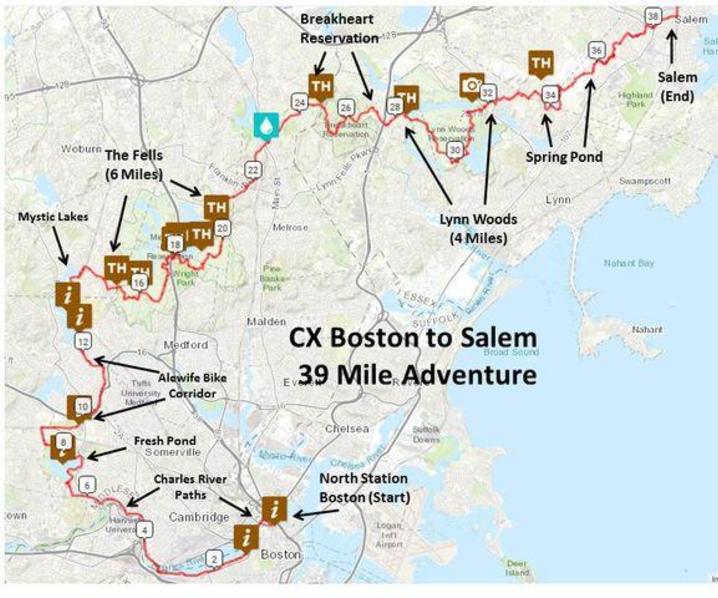
Driving Conditions and Routes
When traveling by car, the most common routes involve taking MA-1A South from Salem, MA, which eventually merges onto US-1 South or I-95 South before connecting to I-90 West towards Boston, MA. The estimated driving time, under ideal conditions with minimal traffic, can range from 30 to 45 minutes. However, this is a best-case scenario.
Peak Hour Traffic: Boston, MA is notorious for its heavy traffic, especially during weekday commute hours (typically 7-9 AM and 4-6 PM). During these times, the journey from Salem, MA can easily extend to an hour or even longer. Weekend traffic can also be unpredictable, particularly during tourist seasons or special events in either city.
Navigation Tools: Utilizing GPS navigation apps such as Google Maps or Waze is highly recommended. These tools provide real-time traffic updates, suggest alternative routes to avoid congestion, and offer more accurate estimated arrival times.
Public Transportation Options
For those who prefer to avoid the stresses of driving and parking in Boston, MA, public transportation offers a viable and often more relaxed alternative.
Commuter Rail: The Massachusetts Bay Transportation Authority (MBTA), often referred to as “the T,” operates a commuter rail line that connects Salem, MA to Boston, MA. The Salem Station is served by the Newburyport/Rockport Line. This train travels directly to Boston North Station, a major transit hub located in the heart of Boston, MA.
- Travel Time: The commuter rail journey from Salem, MA to Boston North Station typically takes approximately 30-40 minutes. This offers a predictable and often faster travel experience than driving, especially during peak traffic times.
- Frequency: Service frequency varies depending on the day and time, but generally, there are multiple departures throughout the day, including weekends. It’s advisable to check the MBTA schedule in advance for specific timings.
- Cost: Commuter rail tickets are reasonably priced and can often be purchased online, via the MBTA app, or at the station. This can be a more economical option than paying for gas, tolls, and parking in Boston, MA.
Bus Services: While the commuter rail is the primary public transit option, some bus routes may also connect the two areas, though these are often less direct and take longer. For most travelers, the commuter rail offers a superior balance of speed, convenience, and cost.
Ride-Sharing and Taxis
Ride-sharing services like Uber and Lyft, as well as traditional taxi services, are readily available in Salem, MA and can take you directly to your destination in Boston, MA.
- Convenience: This option offers door-to-door service, which can be particularly appealing if your accommodation or final destination is not close to a train station.
- Cost and Time: The cost will be higher than public transportation, and the travel time will be subject to the same traffic conditions as driving a personal vehicle. During peak hours, surge pricing for ride-sharing services can also increase the fare significantly.
Experiencing Salem and Boston: Complementary Itineraries
While the distance between Salem, MA and Boston, MA is easily traversed, the two cities offer distinctly different, yet wonderfully complementary, travel experiences. Understanding the unique attractions of each can help travelers craft a more enriching itinerary.

The Allure of Salem: History, Witchcraft, and Coastal Charm
Salem, MA is globally renowned for its pivotal role in the 1692 witch trials. This dark chapter of American history has been meticulously preserved and is a central theme for many visitors.
- The Salem Witch Museum: This iconic museum offers a compelling narrative of the witch trials through a series of dioramas and narration, providing historical context and understanding.
- The Witch History Museum: Similar to the Salem Witch Museum, this attraction uses life-size figures and narration to depict the events of 1692.
- The Witch House at Salem: This is the only remaining structure with direct ties to the 1692 witch trials, serving as the former home of Judge Jonathan Corwin.
- Peabody Essex Museum: Beyond its focus on witchcraft, Salem, MA boasts the Peabody Essex Museum, one of the oldest and largest museums in the United States. It features extensive collections of maritime art and history, Asian export art, and Native American objects.
- Salem Maritime National Historic Site: This area preserves the maritime heritage of Salem, MA, including historic wharves and the Friendship of Salem, a replica East Indiaman.
- Culinary Scene: Salem, MA also offers a vibrant culinary scene, with numerous restaurants, pubs, and cafes, many of which embrace a slightly spooky or historic theme, especially during the Halloween season.
Boston’s Grandeur: History, Innovation, and Urban Exploration
Boston, MA, the capital of Massachusetts, presents a dynamic blend of revolutionary history, cutting-edge innovation, and diverse cultural offerings.
- The Freedom Trail: This 2.5-mile red-lined path winds through downtown Boston, MA, connecting 16 historically significant sites, including Faneuil Hall, the Old North Church, and the USS Constitution. It’s an excellent way to immerse oneself in the city’s revolutionary past.
- Museums: Boston, MA is a cultural powerhouse with world-class institutions such as the Museum of Fine Arts, the Isabella Stewart Gardner Museum, and the Museum of Science.
- Beacon Hill and the North End: Explore the charming cobblestone streets of Beacon Hill, known for its historic architecture and elegant brownstones. The North End is Boston, MA’s oldest residential neighborhood, famous for its Italian heritage, delicious Italian food, and historic sites like the Paul Revere House.
- Waterfront and Harbor: Enjoy a stroll along the Boston Harborwalk, visit the New England Aquarium, or take a scenic ferry ride.
- Academic Hub: Boston, MA is home to prestigious universities like Harvard University and Massachusetts Institute of Technology (MIT), which are located across the river in Cambridge. While a separate trip, they are easily accessible from Boston, MA.
- Sports and Entertainment: Catch a Red Sox game at Fenway Park, enjoy a performance at the Boston Symphony Hall, or explore the vibrant nightlife.
Planning Your Journey: Tips for a Seamless Trip
Successfully traveling between Salem, MA and Boston, MA requires thoughtful planning, especially considering the varied travel times and the desire to make the most of your visit.
Choosing the Right Transportation
Your choice of transportation should align with your priorities:
- For Predictability and Cost-Effectiveness: The MBTA Commuter Rail is often the best option. It’s reliable, bypasses traffic, and is budget-friendly. Purchase tickets in advance or upon arrival.
- For Flexibility and Directness (with Traffic Considerations): Driving your own vehicle or using a ride-sharing service offers door-to-door convenience. Be prepared for potential traffic delays, especially during peak hours, and factor in parking costs and availability in Boston, MA.
- For Scenery and a Different Perspective: Consider a ferry service if available and seasonal. While less common for this specific route, exploring coastal travel options can add a unique dimension to your trip.
Accommodation Considerations
When deciding where to stay, consider how much time you plan to spend in each city.
- Staying in Salem: If your primary interest is the history of the witch trials and the charming atmosphere of Salem, MA, a hotel or B&B in Salem, MA offers easy access to its attractions. Day trips to Boston, MA via commuter rail are straightforward.
- Staying in Boston: For those who wish to explore the vast offerings of Boston, MA more extensively, basing yourself in Boston, MA is ideal. Day trips to Salem, MA are easily managed with the commuter rail.
- Splitting Your Stay: For a comprehensive New England experience, consider splitting your accommodation between both cities to fully immerse yourself in the distinct character of each.

Timing Your Visit
The time of year significantly impacts the travel experience and the atmosphere of both cities.
- October: Salem, MA is incredibly popular and can be overwhelmingly crowded and expensive in October due to Halloween celebrations. While festive, it requires booking accommodations and attractions well in advance.
- Spring and Fall (excluding October): These seasons offer pleasant weather, fewer crowds, and vibrant foliage (in the fall), making them ideal for exploring both Salem, MA and Boston, MA.
- Summer: Summer is peak tourist season for both cities, with warm weather and plenty of outdoor activities. Expect larger crowds and higher accommodation prices.
By understanding the distance, evaluating transportation options, and considering the unique appeal of each destination, travelers can confidently plan a journey that seamlessly connects the historical intrigue of Salem, MA with the urban grandeur of Boston, MA. The approximately 16 miles are not just a physical measurement but a gateway to a wealth of New England experiences.
LifeOutOfTheBox is a participant in the Amazon Services LLC Associates Program, an affiliate advertising program designed to provide a means for sites to earn advertising fees by advertising and linking to Amazon.com. Amazon, the Amazon logo, AmazonSupply, and the AmazonSupply logo are trademarks of Amazon.com, Inc. or its affiliates. As an Amazon Associate we earn affiliate commissions from qualifying purchases.