
The question of distance between two major Texan hubs, San Antonio, Texas, and Houston, Texas, is a fundamental one for anyone planning a trip, a business venture, or simply exploring the vast landscape of the Lone Star State. While both cities are significant cultural and economic centers, they possess distinct identities, and understanding the geographical separation is the first step in appreciating the journey between them. This exploration delves into the various ways to traverse this distance, the estimated travel times, and what to expect along the route, offering a comprehensive guide for travelers.
The Direct Route: Driving Between San Antonio and Houston
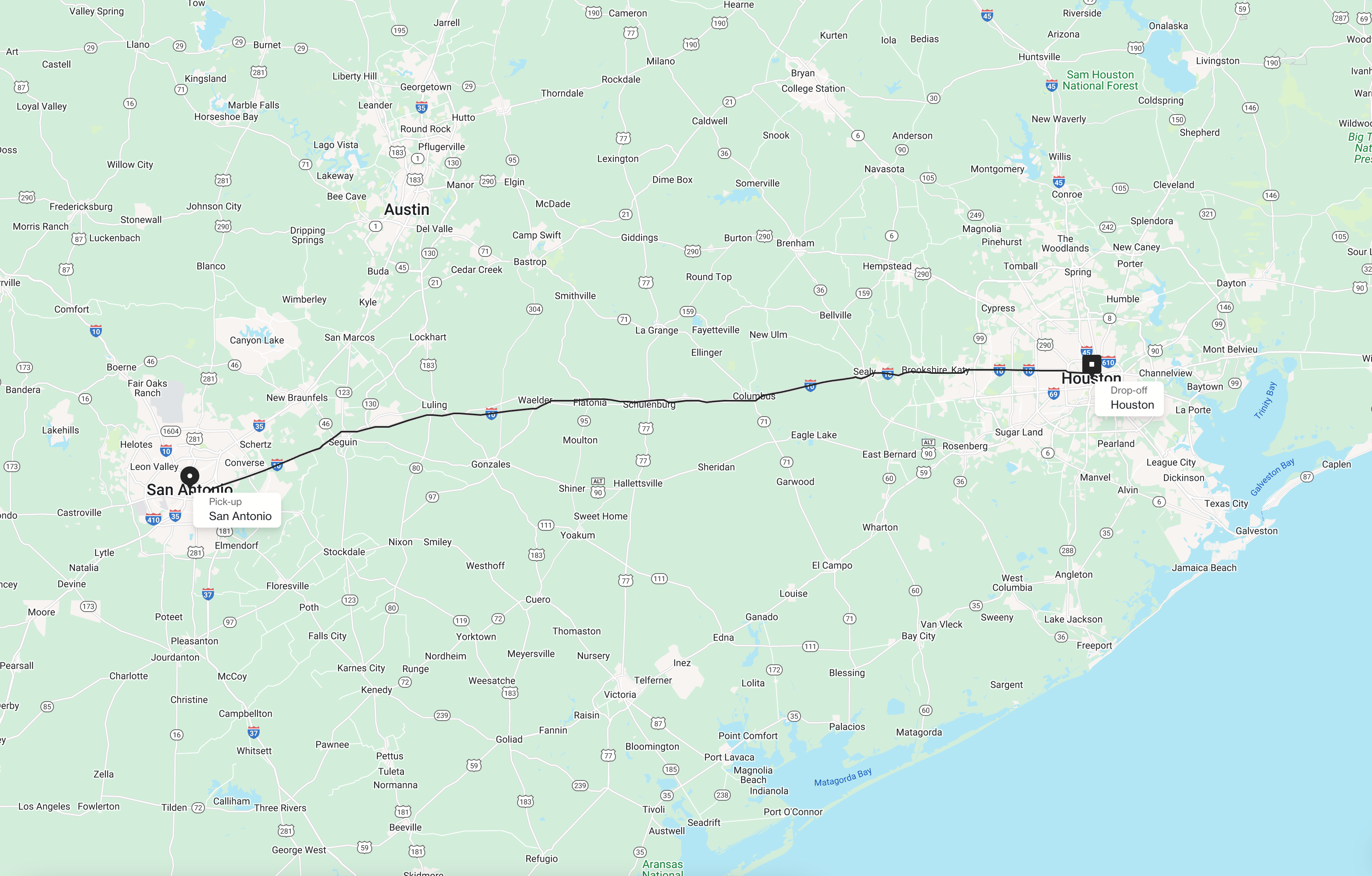
The most common and often most practical method of travel between San Antonio and Houston is by car. The primary highway connecting these two metropolises is Interstate 10 (I-10), a major east-west artery that makes the journey relatively straightforward.
Distance and Estimated Drive Time
The direct driving distance between the city centers of San Antonio and Houston is approximately 190 to 200 miles, depending on the exact starting and ending points within each city. This translates to an estimated drive time of about 3 to 3.5 hours under ideal traffic conditions.
However, “ideal traffic conditions” is a crucial qualifier. Both San Antonio and Houston are large urban areas, and traffic congestion, especially during peak commuting hours, can significantly extend this travel time. Entering or exiting either city during weekday mornings (roughly 7-9 AM) or late afternoons (roughly 4-6 PM) can add anywhere from 30 minutes to over an hour to your journey. Weekend travel, particularly on Friday evenings as people head out for the weekend or Sunday afternoons as they return, can also experience increased volume.
Key Stops and Potential Detours Along I-10
The route along I-10 is dotted with several smaller towns and points of interest, offering opportunities for breaks, meals, or even brief excursions.
- Luling: Known for its annual Watermelon Festival, Luling is a classic Texas small town and a good spot for a quick refreshment stop.
- Seguin: Home to the oldest continuously operating courthouse in Texas, Seguin offers a glimpse into local history.
- Columbus: Situated along the Colorado River, Columbus has a charming historic downtown.
- Brookshire: One of the final significant towns before reaching the Houston metropolitan area, offering numerous service stations and dining options.
While I-10 is the most direct path, alternative routes exist. For instance, one could opt for a more southerly route utilizing U.S. Highway 90 for a portion of the journey, which might offer a slightly different scenic perspective, though typically at the cost of a longer travel time.
Beyond the Car: Alternative Travel Options
While driving is the predominant mode of transport, other options exist for those who prefer not to navigate the roads themselves or seek different travel experiences.
Air Travel: A Swift but Limited Choice
For those prioritizing speed, flying is an option, although it’s not as direct or convenient as one might initially assume for this particular route.
- Airports: San Antonio International Airport (SAT) serves the San Antonio area, while Houston is served by two major airports: George Bush Intercontinental Airport (IAH) and William P. Hobby Airport (HOU).
- Flight Duration: Direct flights between San Antonio and Houston are not consistently available and are often limited, with many requiring connections. When available, the flight time itself is very short, typically under an hour.
- Total Travel Time: However, when factoring in travel to and from airports, check-in procedures, security screenings, and baggage claim, the overall time spent can easily rival or exceed the driving time, especially when considering the proximity of the two cities. This makes flying a less practical choice for many solely focused on reaching the destination efficiently.
Bus and Train Services: A More Leisurely Pace
For travelers seeking a more economical or relaxed journey, bus and train services offer viable alternatives.
- Intercity Buses: Companies like Greyhound and Megabus operate routes between San Antonio and Houston. These services are generally more budget-friendly than flying and offer the chance to relax and observe the Texan landscape. The travel time by bus typically ranges from 3.5 to 5 hours, heavily dependent on the number of stops and traffic.
- Amtrak: While Amtrak does serve Texas, direct rail connections between San Antonio and Houston are not as frequent or as direct as one might hope. The Texas Eagle route connects San Antonio to cities further north, and a connection would likely be required to reach Houston, making it a significantly longer and less convenient option for this specific journey. The Amtrak journey, if feasible with connections, could take considerably longer than driving, often exceeding 8-10 hours.

Factors Influencing Travel Time and Experience
Several variables can significantly impact the overall travel time and the experience of journeying between San Antonio and Houston.
Time of Day and Day of Week
As previously mentioned, traffic is a major determinant. Traveling on a Tuesday morning at 9 AM will likely be far smoother than attempting the same drive on a Friday afternoon. Similarly, major holidays or events in either city can lead to unprecedented traffic volumes.
Road Conditions and Construction
Texas is a state that is constantly evolving, and this includes its infrastructure. Road construction projects, especially along major arteries like I-10, are common. Drivers should always check for real-time traffic updates and potential construction delays before and during their trip. Apps like Google Maps or Waze are invaluable tools for navigating these dynamic conditions.
Weather
Texas weather can be unpredictable, ranging from intense heat and humidity in the summer to severe thunderstorms, hail, and even occasional icy conditions in the winter months. Adverse weather can slow down traffic considerably, reduce visibility, and make driving conditions hazardous. It’s always prudent to check the weather forecast before embarking on any journey.
Purpose of Travel
The reason for the trip also influences how one might perceive the distance. A family on a road trip looking to explore attractions along the way might view the 3-4 hour drive as an opportunity for adventure, stopping at roadside diners or small towns. Conversely, a business traveler needing to be at a meeting promptly will view the same distance through the lens of efficiency and punctuality.
Exploring the Landscape: What to See and Do Along the Way
The stretch of Texas between San Antonio and Houston is characterized by rolling plains, agricultural lands, and small towns that embody the spirit of rural Texas. While the journey is often undertaken with a specific destination in mind, there are opportunities to break up the drive and experience the local flavor.
Culinary Pit Stops
Texas is renowned for its food, and the route between these two cities is no exception.
- Barbecue: Along I-10, one will find numerous barbecue joints, many of which are local legends. Look for establishments that serve slow-smoked brisket, ribs, and sausage with classic sides like potato salad and beans.
- Tex-Mex: While more prevalent in San Antonio, traces of excellent Tex-Mex cuisine can be found in towns along the route. Think enchiladas, tacos, and breakfast burritos.
- Watermelons: As mentioned, Luling is famous for its watermelons. If traveling during the summer months, a stop for a slice of fresh, sweet watermelon is a quintessential Texas experience.

Historical and Natural Interests
While the primary focus for many is the direct route, those with more time can explore some nearby attractions.
- State Parks: A slight detour off I-10 could lead to places like Buescher State Park or Bastrop State Park (though Bastrop was significantly impacted by wildfires in 2011 and is undergoing restoration), offering opportunities for hiking, birdwatching, and experiencing Texas’s natural beauty.
- Historic Towns: Beyond the immediate I-10 corridor, towns like Goliad (a bit further south) offer profound historical significance related to the Texas Revolution, including the Goliad State Park and Historic Site.
In conclusion, the distance between San Antonio and Houston is a manageable 190-200 miles, typically a 3-3.5 hour drive under favorable conditions. This journey is more than just mileage; it’s an opportunity to experience the diverse landscapes and cultural offerings of Texas, from its bustling urban centers to its charming small towns, making the travel itself a part of the destination. Whether by car, bus, or a less common air route, understanding the nuances of this route allows for a more informed and potentially more enjoyable travel experience across the heart of the Lone Star State.
LifeOutOfTheBox is a participant in the Amazon Services LLC Associates Program, an affiliate advertising program designed to provide a means for sites to earn advertising fees by advertising and linking to Amazon.com. Amazon, the Amazon logo, AmazonSupply, and the AmazonSupply logo are trademarks of Amazon.com, Inc. or its affiliates. As an Amazon Associate we earn affiliate commissions from qualifying purchases.