
Understanding time zone conversions is a crucial skill for any traveler, especially when planning a trip to a vast and geographically diverse country like the United States. California, a state renowned for its stunning coastlines, vibrant cities, and iconic landmarks, operates on Pacific Standard Time (PST) during the winter months and Pacific Daylight Time (PDT) during the warmer months. This is in contrast to Eastern Time (ET), which encompasses regions like New York City and Miami, operating on Eastern Standard Time (EST) and Eastern Daylight Time (EDT) respectively. The fundamental question of “What time is 8 PM ET in California?” requires a clear grasp of these time zone differences and the impact of daylight saving.
Navigating the Eastern Time Zone
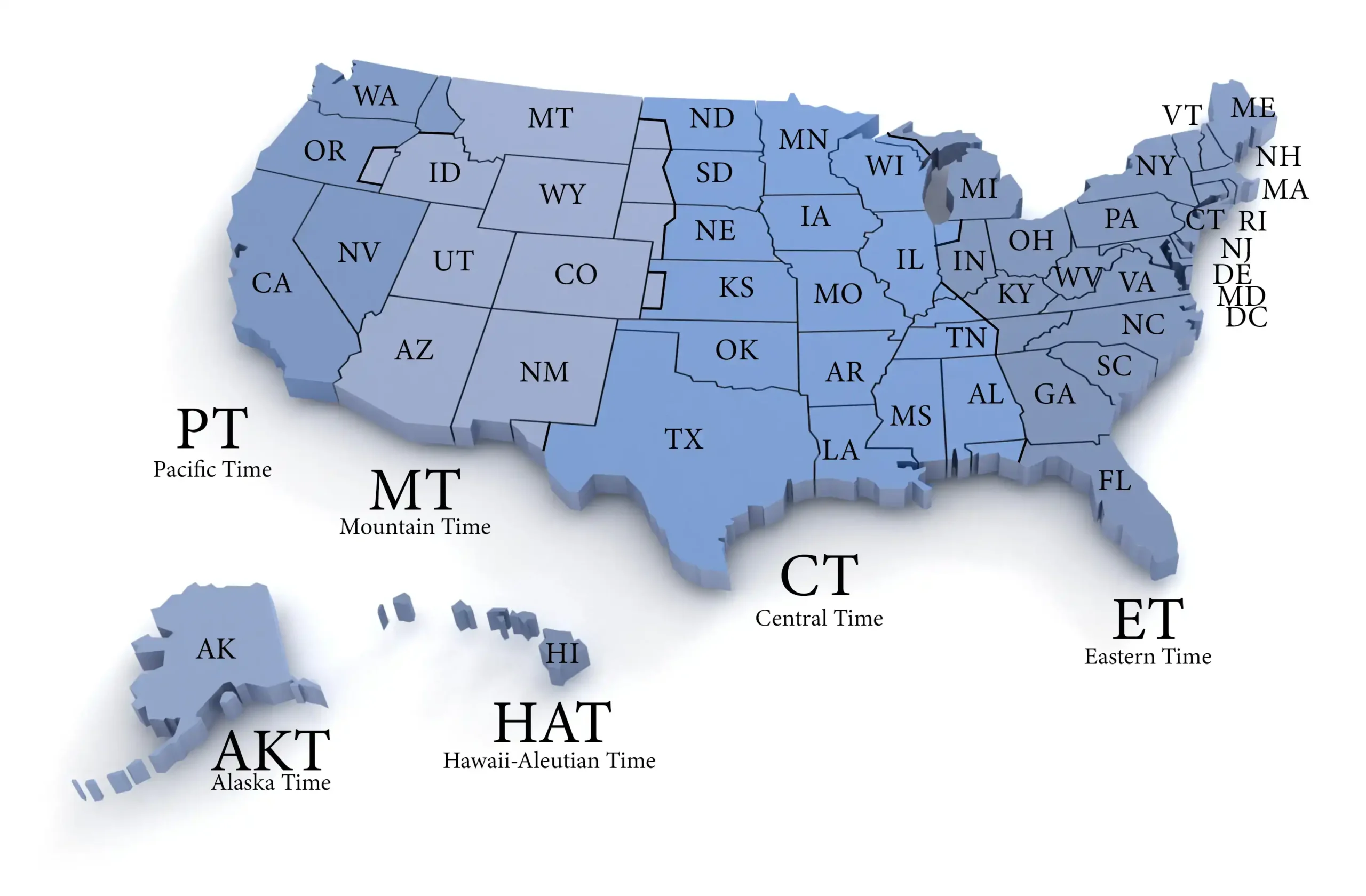
The Eastern Time Zone in the United States is the easternmost of the four main time zones. It spans from the Atlantic coast westward into the Midwest. During standard time, it observes EST, which is UTC-5. When daylight saving time is in effect, it shifts to EDT, which is UTC-4. This transition typically occurs on the second Sunday in March and concludes on the first Sunday in November. For travelers, especially those coordinating with individuals or businesses located in states observing ET, understanding this shift is paramount to avoid miscommunications and ensure smooth logistical planning. Whether you’re booking a flight into Los Angeles or arranging a tour of San Francisco, knowing the precise local time in your destination is essential.
Standard Time vs. Daylight Saving Time
The distinction between standard time and daylight saving time significantly impacts time zone calculations. During standard time, the difference between ET and California’s Pacific Time is three hours. For example, if it is 8 PM EST in New York, it is 5 PM PST in Los Angeles. However, when daylight saving time is active, both zones shift their clocks forward by one hour. This means that EDT becomes UTC-4, and PDT becomes UTC-7. Crucially, the difference between EDT and PDT remains three hours. So, if it is 8 PM EDT, it will be 5 PM PDT in California. This consistency in the difference, despite the absolute shift, is a key aspect to remember.
Key States Observing Eastern Time
Several prominent states observe Eastern Time, making it a significant zone for business and tourism. These include states along the Atlantic seaboard such as Maine, Massachusetts, New Jersey, Maryland, and Florida, as well as inland states like Michigan, Ohio, and Georgia. Understanding which states fall within ET helps travelers orient themselves when planning cross-country journeys or making calls to friends and family across different parts of the country.
The Pacific Time Zone in California
California, with its sprawling geography, operates entirely within the Pacific Time Zone. This zone is the third time zone from the east and is characterized by its significant population centers and world-renowned attractions. Like the Eastern Time Zone, Pacific Time observes both Pacific Standard Time (PST) and Pacific Daylight Time (PDT). PST corresponds to UTC-8, and PDT, during daylight saving, shifts to UTC-7. The daylight saving transition in California aligns with the rest of the United States, generally starting on the second Sunday in March and ending on the first Sunday in November. This means that when it’s 8 PM ET, California is always three hours behind.
California’s Major Cities and Their Time
California is home to numerous major cities that attract millions of tourists annually. From the bustling metropolis of Los Angeles to the tech hub of San Francisco, the entertainment capital of Las Vegas (though in Nevada, it closely follows Pacific Time for many travelers), and the charming coastal towns, all fall under the umbrella of Pacific Time. For instance, if you are coordinating a dinner reservation at a restaurant in San Diego while you are in New York City and it’s 8 PM ET, you know that in San Diego, the time will be 5 PM. This seemingly simple conversion is vital for booking tours, scheduling meetings, or simply enjoying your vacation without the stress of time zone confusion.
The Three-Hour Difference Explained
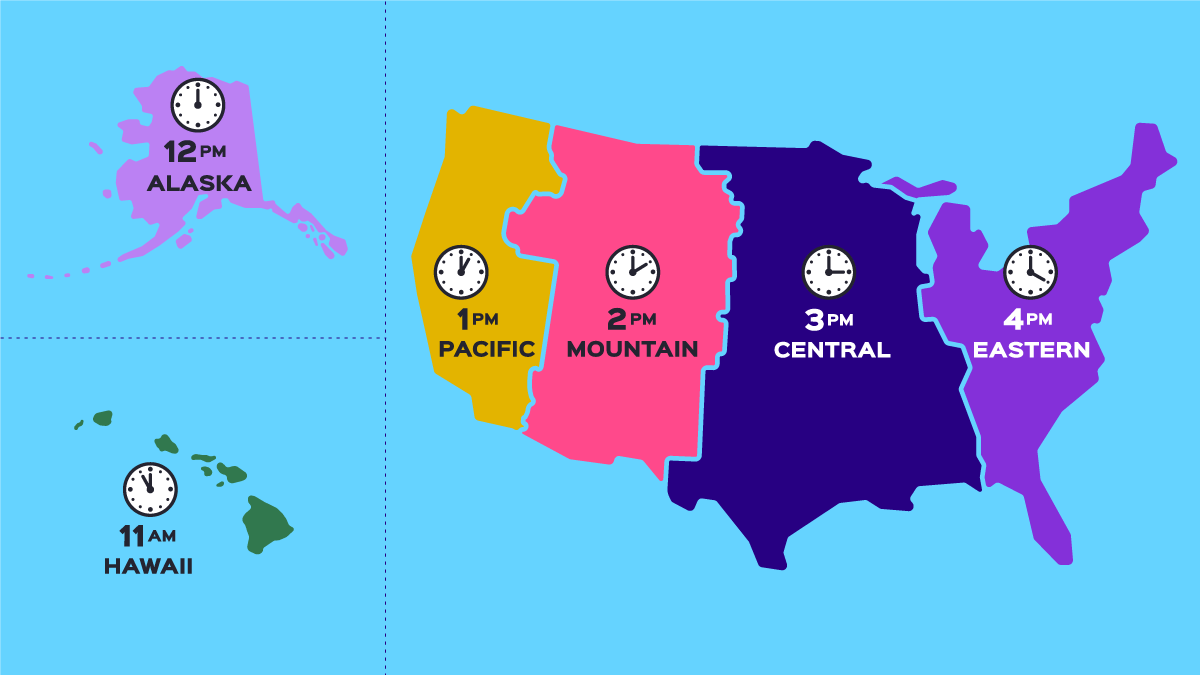
The consistent three-hour difference between Eastern Time and Pacific Time is a direct result of their geographical positioning. As you move westward across the contiguous United States, each standard time zone typically represents an hour’s difference. The four main time zones in the continental U.S. are Eastern, Central, Mountain, and Pacific. The difference between ET and PT is therefore three hours. This is a fundamental piece of knowledge for anyone planning any form of travel or communication across these regions. It simplifies planning for activities, understanding broadcast times, and managing international calls.
Calculating 8 PM ET in California
To precisely answer “What time is 8 PM ET in California?”, we need to apply the three-hour difference.
If 8 PM ET is during Standard Time (EST):
- EST is UTC-5.
- PST is UTC-8.
- The difference is 3 hours (UTC-5 – UTC-8 = 3).
- Therefore, 8 PM EST is 5 PM PST in California.
If 8 PM ET is during Daylight Saving Time (EDT):
- EDT is UTC-4.
- PDT is UTC-7.
- The difference remains 3 hours (UTC-4 – UTC-7 = 3).
- Therefore, 8 PM EDT is 5 PM PDT in California.
In both scenarios, when it is 8 PM in the Eastern Time Zone, it is 5 PM in California’s Pacific Time Zone. This conversion holds true whether daylight saving time is active or not, simplifying the calculation to a consistent three-hour subtraction from the ET time.
Practical Applications for Travelers
This time zone knowledge is invaluable for a variety of travel scenarios:
- Booking Flights: When booking flights, especially red-eyes or early morning departures, knowing the local arrival time in California is crucial. An 8 PM ET departure might mean arriving in Los Angeles at 8 PM PT, giving you a full evening to settle in. Conversely, an early morning ET flight departing from California would mean a much earlier departure from your hotel.
- Tour Bookings: Many tours and activities in California, such as guided walks of Yosemite National Park or wine tasting tours in the Napa Valley, have specific start times. If a tour is advertised for “9 AM ET,” you’ll need to convert that to 6 AM PT to ensure you arrive on time.
- Dining Reservations: Making dinner reservations is a common travel activity. If you’re trying to book a table at a popular restaurant in San Francisco for 7 PM, and your friend in New York is suggesting 10 PM their time (which corresponds to 7 PM ET), you know that 7 PM PT is the correct local time for your reservation.
- Connecting with Locals and Businesses: For any business meetings, calls with tour operators, or even coordinating meetups with friends in different time zones, having this conversion at your fingertips prevents missed opportunities and misunderstandings. For example, a business in New York might operate from 9 AM to 5 PM ET. This translates to 6 AM to 2 PM PT in California, meaning that if you need to contact them in the afternoon California time, they may already be closed.
Managing Time Zones Across the U.S.
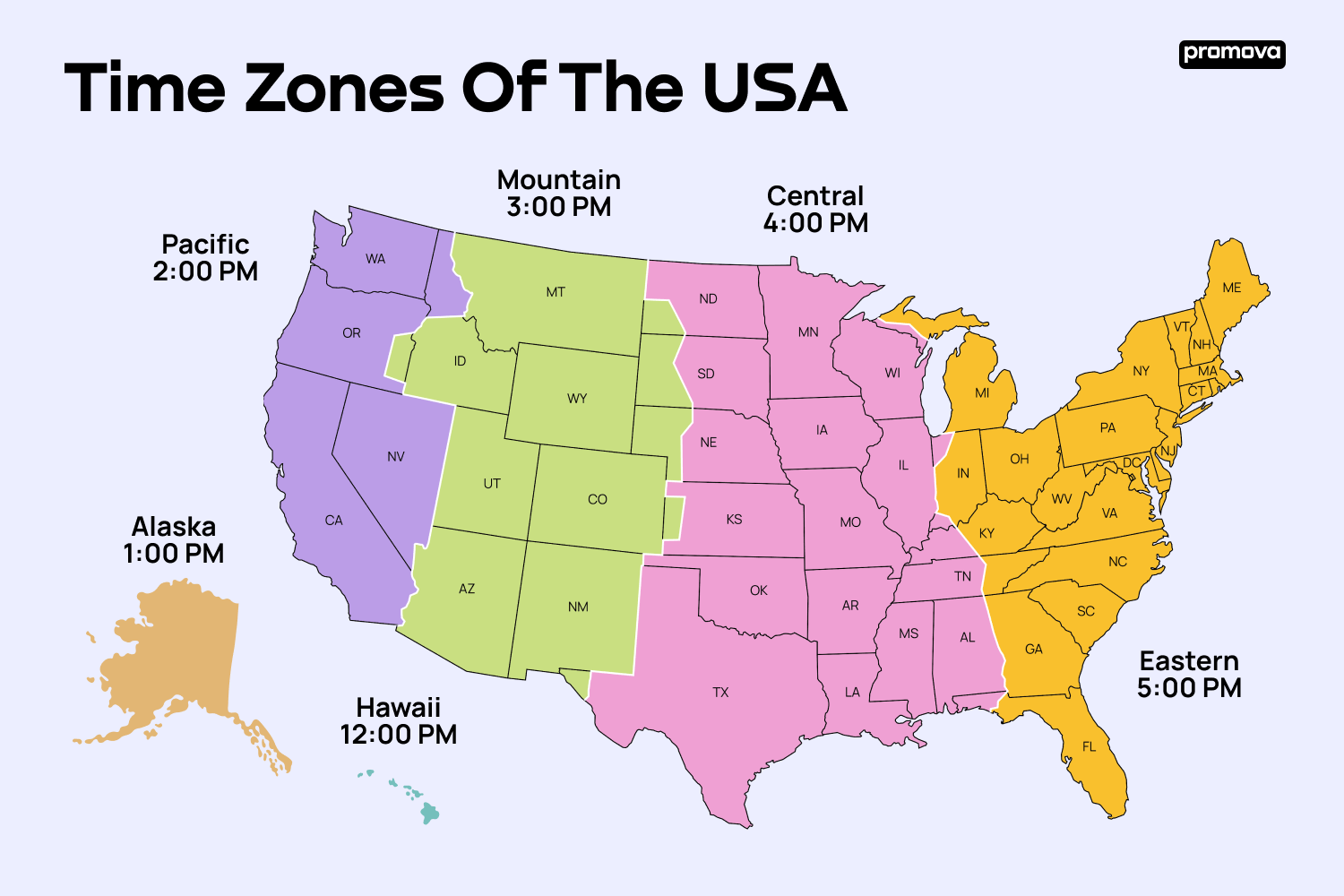
The United States’ vastness necessitates an understanding of its time zones. Beyond ET and PT, travelers will also encounter Central Time (CT) and Mountain Time (MT). CT is generally two hours behind ET, and MT is three hours behind ET. However, the presence of daylight saving time in some parts of MT (like Arizona, which largely does not observe DST) can create slight variations. For trips spanning multiple states, such as a journey from Chicago (CT) to Denver (MT) and then to Los Angeles (PT), keeping track of these shifts is essential. For instance, if it’s 8 PM ET, it’s 7 PM CT, 6 PM MT (in states observing DST), and 5 PM PT. This awareness is key to seamless travel planning and execution, ensuring you maximize your enjoyment of destinations like Grand Canyon National Park or the theme parks in Orlando.
LifeOutOfTheBox is a participant in the Amazon Services LLC Associates Program, an affiliate advertising program designed to provide a means for sites to earn advertising fees by advertising and linking to Amazon.com. Amazon, the Amazon logo, AmazonSupply, and the AmazonSupply logo are trademarks of Amazon.com, Inc. or its affiliates. As an Amazon Associate we earn affiliate commissions from qualifying purchases.